



English Oak Carvings
English oak carvings are tactile fragments of domestic and architectural history, prized for deep relief and enduring grain.
English Oak Carvings
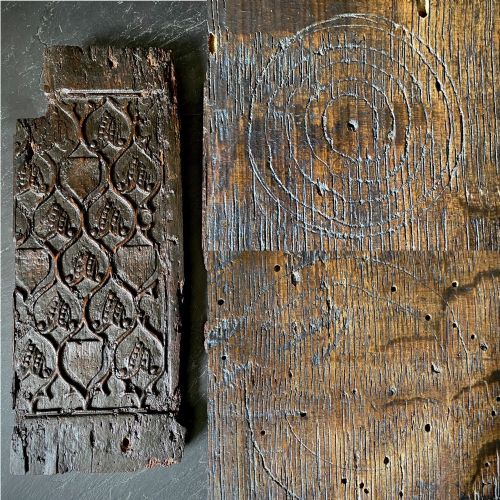
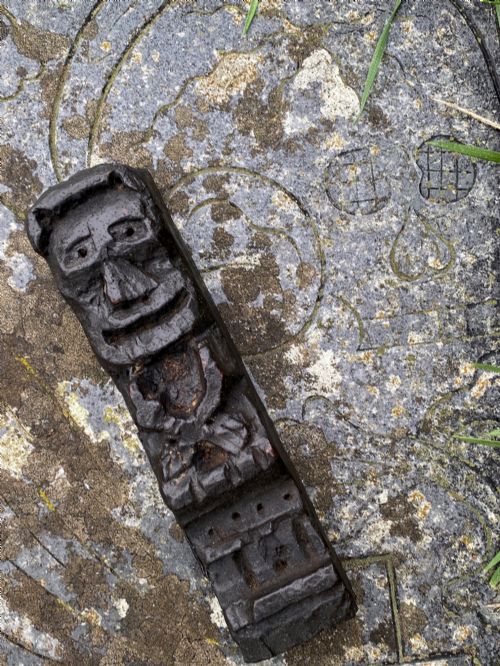
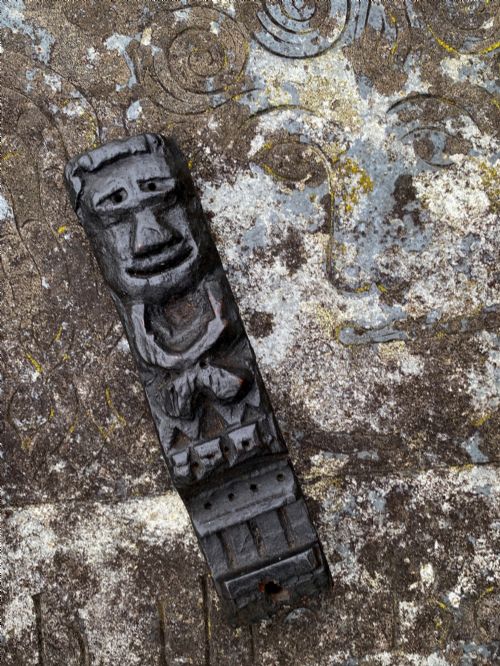
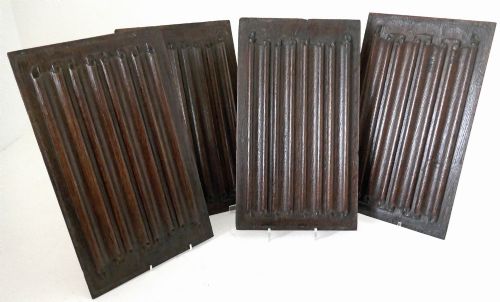
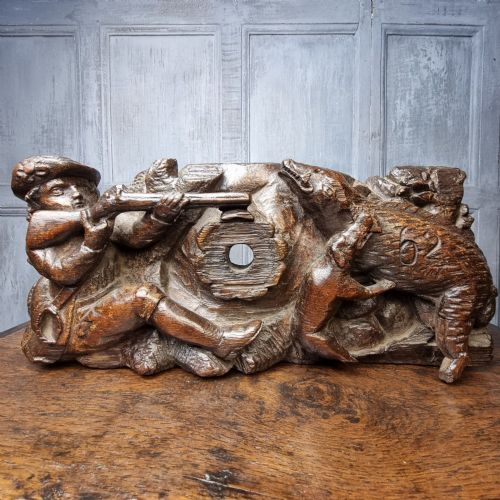
When you search for english oak carvings, you meet a tangible record of historical joinery and sculpture ranging from sixteenth century linenfold panels to seventeenth century figural appliques and architectural salvage. These works appear as wall panels, coffer fronts, church pew decorations, portrait plaques, and overdoor fragments salvaged from period buildings.
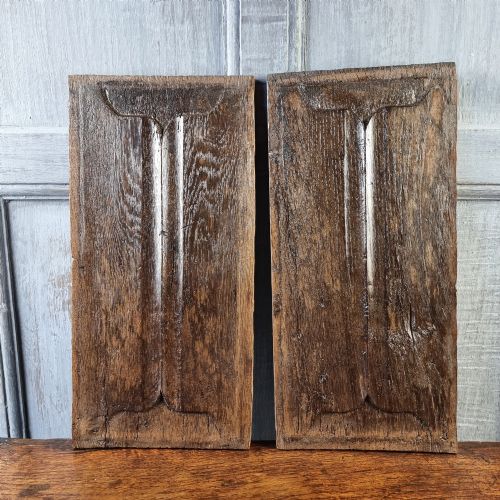
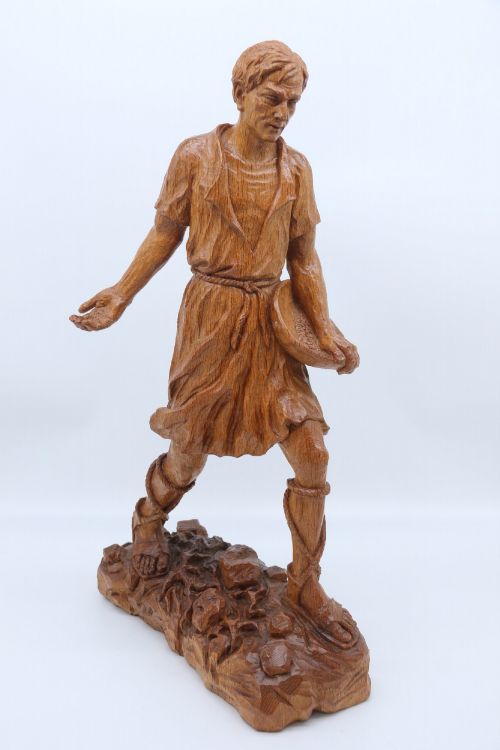
The version most likely to meet you on this page is the sixteenth or seventeenth century panel, often carved with traditional linenfold motifs, geometric strapwork, or figural subjects like the Green Man. Alongside these earlier pieces, you encounter nineteenth century Gothic Revival plaques and Arts and Crafts figures carved in solid timber.
The objects span domestic furniture elements and church fittings, reflecting the shifting tastes of Tudor, Jacobean, and later revival makers. Each piece demonstrates how heavy timber was shaped by hand tools to adorn domestic interiors and civic buildings.
Materials and methods
Makers relied principally upon native oak, supplemented occasionally by walnut, fruitwood, and iron fixings, selecting dense heartwood that accepted sharp chisel work without splitting along the grain. The timber was typically cleft and hewn before being planed and worked with gouges and chisels to achieve high relief.
Surface preparation involved hand scraping and finishing, sometimes leaving tool marks visible across the background of panels and figural sculptures. Over centuries, these carved surfaces acquired patination through exposure to light, handling, and wax polish applied to nourish the dry wood.
English Oak Carvings Retail Price Guide 2026
Typical asking prices for english oak carvings among the pieces listed under this phrase on Sellingantiques today, from the lower quarter to the upper quarter. They describe what is for sale here now, not the wider market.
Listings feature items spanning the sixteenth century to the early twentieth century, utilising oak, walnut, fruitwood, and paint.
Judging the carving
Quality rests in the crispness of the chisel work and the depth of the undercut, separating confident studio execution from flat, mechanical reproduction. The best pieces display proportion in figural anatomy and sureness in ornamental detail, such as foliate borders or heraldic motifs.
Condition and integrity dictate standing, distinguishing panels retaining their original edges and surface patination from heavily restored fragments or later marriages of parts. The relationship between the sculptural subject and the supporting board reveals the skill of the original workshop.
Edward Pearce·Master Carver Edward Pearce
The English Oak Carvings Glossary
- Linenfold
- A style of relief carving imitating folded linen fabric, frequently seen on sixteenth century panels. It was produced by removing wood in successive planes to create the illusion of drapery.
- Green Man
- A sculptural motif representing a human face engorged with foliage, vines, or branches. This ancient symbol recurs in church woodwork and domestic architectural elements.
- Strapwork
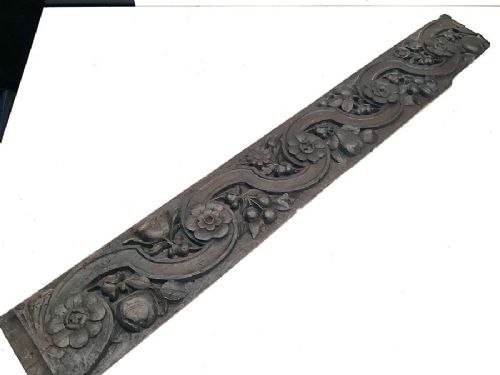
- An ornamental motif resembling interlaced leather bands or flattened straps, popular in Elizabethan and Jacobean design. It frames central panels and borders on woodwork.
- Coffer
- A heavy wooden chest or trunk used for storage, often decorated with carved panels on the front facade. These strongboxes formed central items in early domestic interiors.
- Architectural Salvage
- Building elements rescued from demolished structures, including overdoor panels, fragments, and friezes. These pieces retain the physical context of their original installation.
English Oak Carvings: Frequently Asked Questions
How do I date an oak carving?
Dating relies upon tool marks, joint construction, timber shrinkage, and stylistic conventions associated with periods like the Tudor era or the seventeenth century. Comparing the relief depth and edge wear against documented examples helps establish the likely decade of production.
Secondary indicators include the presence of peg holes, hand-forged iron nails, and the natural oxidation of the oak over hundreds of years. Experts examine the back of panels as closely as the carved front to read the original working methods.
Where were these carvings originally displayed?
Many items originated as interior wall paneling, overmantels, or fitted furniture within substantial houses, while others came from church pews and ecclesiastical screens. They formed part of integrated architectural schemes designed to project status and piety.
Over time, alterations to buildings led to these decorative elements being removed and preserved as standalone panels or sculptural plaques. Today they function as focal points in studies, hallways, and living spaces.
How should I care for antique oak?
Antique oak thrives in stable environmental conditions away from direct heat sources, rapid temperature fluctuations, and strong sunlight. Maintaining moderate indoor humidity prevents the timber from drying out, cracking, or shrinking.
Occasional application of traditional beeswax nourishes the dry grain and enhances the natural patination without sealing the pores. Soft dusting with a dry cloth keeps the deep recesses clean without disturbing the historic surface.
Are these carvings all from England?
The pieces listed here represent English craftsmanship, utilising native timber harvested and worked locally by regional joiners and sculptors. The regional styles reflect the availability of materials and the prevailing tastes of English patrons.
Similar traditions existed across northern Europe, but English oak carvings possess distinct characteristics in their construction methods and decorative vocabulary. Provenance notes in listings confirm the British origins of specific panels and figures.