


16th Century Panel
When you search for a 16th century panel, you step into an era where wood, stone and textile became vehicles for lively myth and devotion.
16th Century Panel
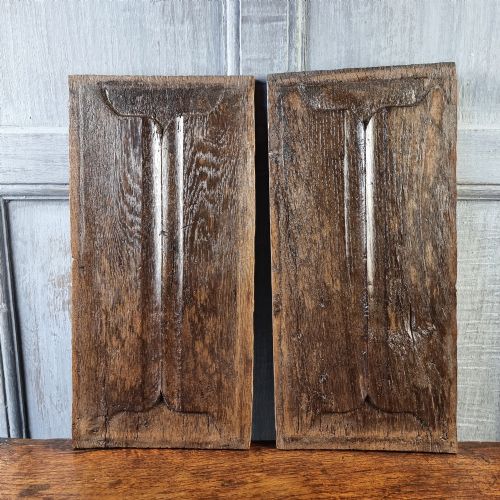
A 16th century panel typically takes the form of carved architectural salvage, coffer fronts or wall sections rooted in Tudor, Elizabethan, Gothic or Renaissance traditions. These works served functional roles in domestic furniture and sacred interiors before finding new life as standalone decorative items.
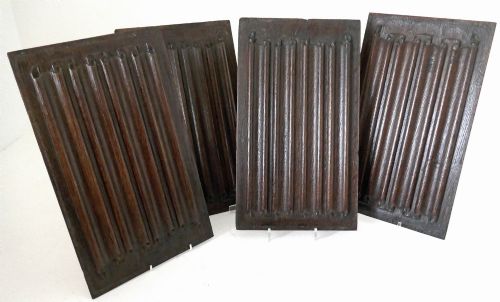
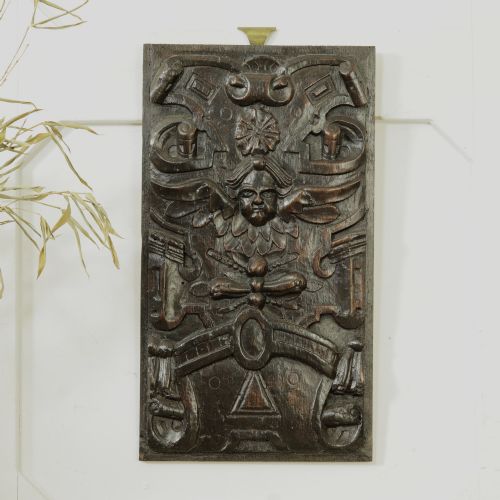
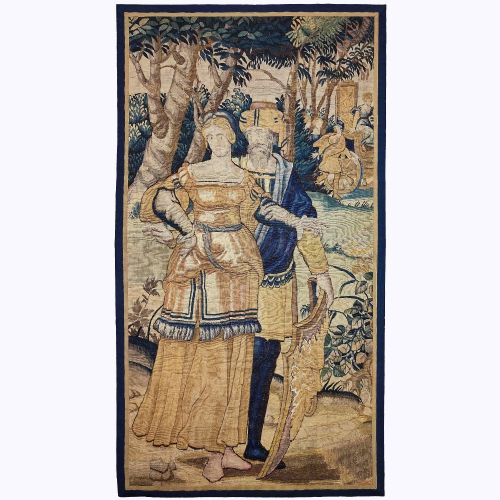
The most common version met on this page is the carved oak panel, often bearing linenfold patterns, tracery or mythical green man motifs. Alongside wood, buyers encounter stone carvings, oil paintings on panel and textile fragments spanning Flemish and English workshops.
Factors determining the calibre of pieces
Depth of carving and clarity of design separate standard joinery from masterwork sculpture, particularly where facial expressions and anatomical proportions are rendered with precision. The crispness of surviving linenfold folds or the intricate detail found in green man foliage indicate the hand of a skilled artisan rather than a provincial workshop.
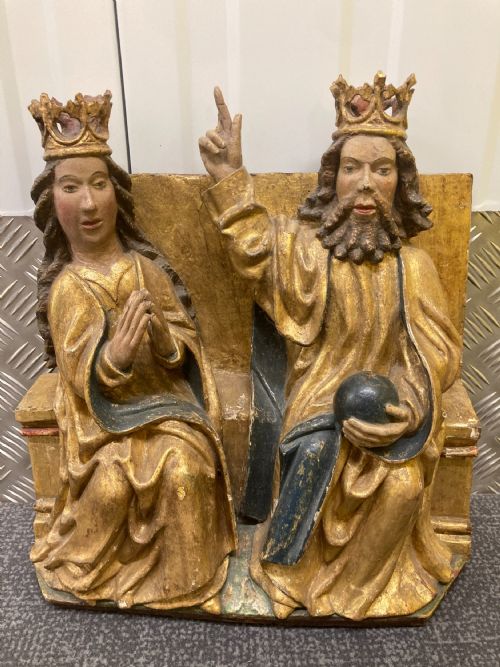
Material integrity and the survival of original surface elements, such as traces of polychrome paint or early gilding, elevate an example. Pieces retaining their structural context within coffer fronts or architectural assemblies command greater historical weight than isolated fragments.
Listings feature oak, walnut, and stone alongside wool and silk textiles, spanning the Tudor, Elizabethan, and Renaissance periods.
The 16th Century Panel Glossary
- Linenfold
- A style of wood carving that imitates folded linen cloth, frequently seen on Tudor and Elizabethan chests. This motif dominated domestic furniture decoration during the period.
- Tracery
- Openwork stonework or woodwork ornamentation consisting of interlacing lines, common in Gothic ecclesiastical architecture and surviving panels. It provides structural pattern and decorative rhythm.
- Green Man
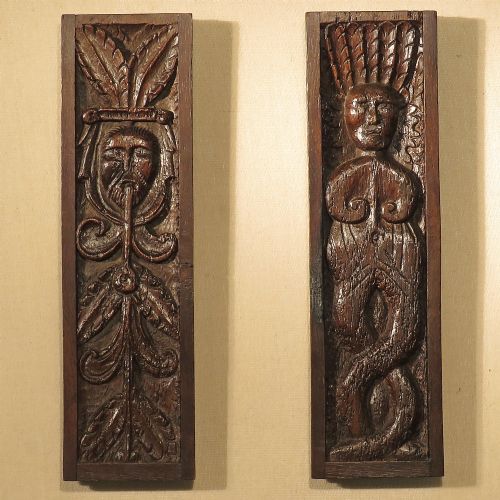
- A sculpted face surrounded by or sprouting from foliage, symbolising rebirth. This pagan motif persisted across many religious and secular carvings.
- Romayne
- A profile head carved in relief within a circular medallion, reflecting Italian Renaissance influence in northern European woodwork. These roundels often depict classical figures or contemporary nobility.
- Coffer
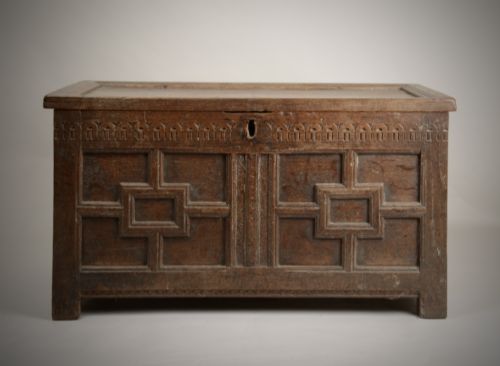
- A chest or trunk used for storage, constructed with heavy panels and often featuring carved fronts. They formed the primary movable storage furniture of the household.
16th Century Panel: Frequently Asked Questions
What is a linenfold panel?
A linenfold panel is a piece of woodwork carved to resemble stiff fabric folded in vertical pleats. This design was widely utilised by Tudor carpenters to adorn the fronts of chests and interior walls.
Craftsmen used specialised planes and gouges to achieve the illusion of draped cloth on solid oak boards. These panels provide a distinct chronological marker for mid-16th-century English interiors.
How were carved panels used originally?
Carved panels functioned primarily as structural elements within larger pieces of furniture, such as coffers, cupboards and wall linings. They also formed part of ecclesiastical woodwork in churches and monastic buildings.
Over subsequent centuries, these architectural components were dismantled and mounted individually as decorative wall art. This repurposing allowed intricate carvings to be preserved outside their original settings.
How do I identify Renaissance influence?
Renaissance influence appears in the introduction of classical motifs, such as Romayne medallions containing profile heads and symmetrical foliage. Italian artistic trends gradually reached northern European workshops via prints and travelling artisans.
These elements contrast with the earlier Gothic style, displaying a shift towards proportion, perspective and classical mythology. Carvings began to feature human figures in dynamic poses rather than rigid religious iconography.
Are these panels from furniture or walls?
The listings comprise both furniture components, such as coffer fronts and cupboard doors, and architectural wall panels. Many items originated as boiserie or structural wall dressings before being detached.
Examining the edges and reverse of a panel often reveals mortise and tenon joints or rebate grooves that indicate its original placement. Such construction marks help determine whether a piece stood vertically in a room or horizontally on a chest.