





Antique Linenfold Panelling
These antique linenfold panelling pieces bring historic wooden texture to a room, offering the tactile warmth of sixteenth-century and later craftsmanship.
Antique Linenfold Panelling
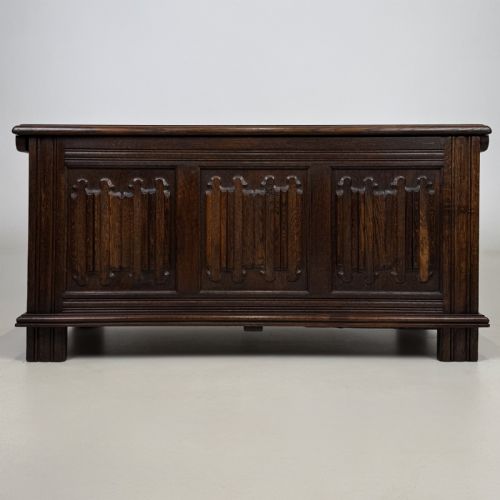
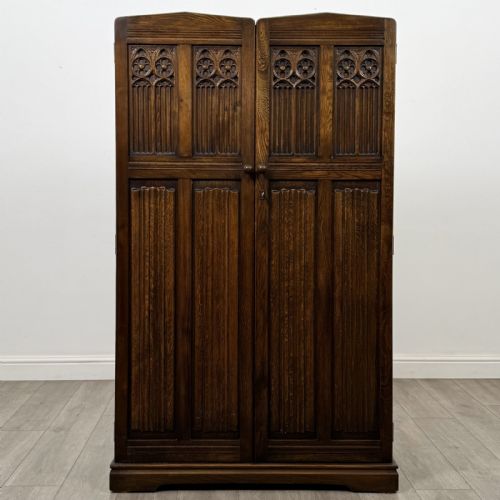
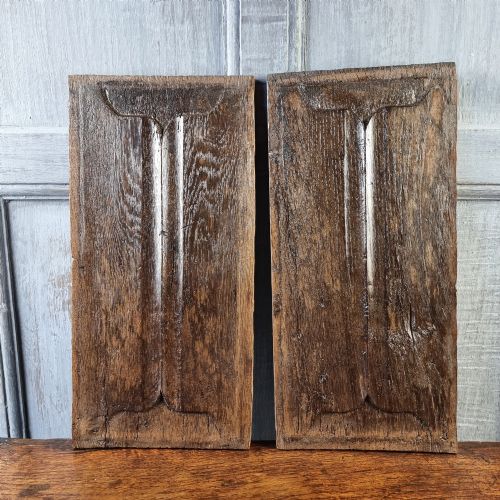
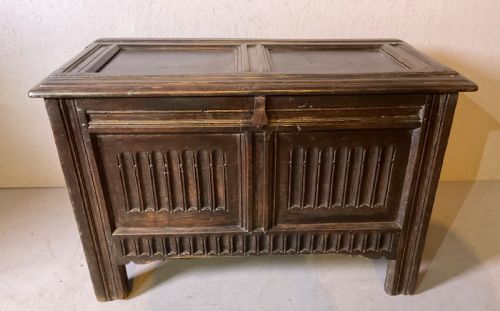
When you search for antique linenfold panelling, you encounter architectural elements and furniture forms featuring carved wooden folds that imitate folded fabric. The listings here span sixteenth-century fragments, seventeenth-century coffers, and nineteenth-century revival pieces designed to evoke the Tudor era.
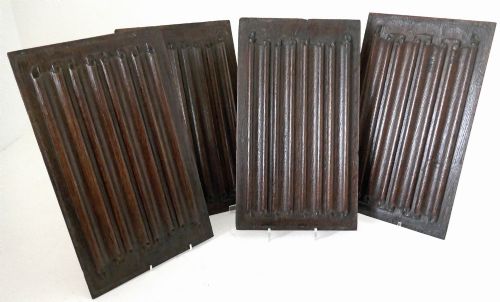
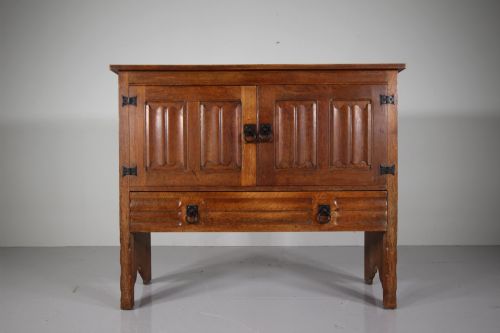
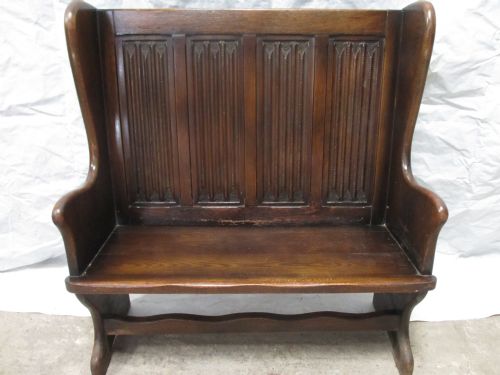
You are most likely to meet individual wall panels, pairs of carved panels, and larger pieces of furniture such as coffers, chests, and settles that incorporate the linenfold motif into their construction.
The objects originate primarily from English workshops across the sixteenth, seventeenth, and nineteenth centuries, alongside occasional twentieth-century revival examples utilising traditional forms.
How they were made
Maker-carvers shaped these pieces from solid oak, working the timber with hand chisels and gouges to create the characteristic rolling illusion of stiffened linen cloth. Iron hinges and fastenings appear on functional furniture items like coffers and chests.
The technique relies on relief carving directly into the timber board, sinking the background to leave the folded fabric illusion standing proud. Later nineteenth-century revival pieces replicate these Tudor methods using solid oak planks.
Antique Linenfold Panelling Retail Price Guide 2026
Typical asking prices for linenfold panelling among the pieces listed under this phrase on Sellingantiques today, from the lower quarter to the upper quarter. They describe what is for sale here now, not the wider market.
Monks sitting on these benches faced drafts, but at least their backs enjoyed the stiffened folds of permanent wooden linen.
What varies in quality
Depth and crispness of the chisel work distinguish the finer examples from simpler vernacular items, with sharper folds casting deeper shadows and demonstrating greater sculptural control. The quality of the solid oak timber itself, including grain density and natural figuring, also separates standard panels from exceptional survivals.
Age and original context influence the standing of a piece, as sixteenth-century architectural fragments carry historical resonance that later nineteenth-century revival reinterpretations do not possess to the same degree.
The Antique Linenfold Panelling Glossary
- Linenfold
- A style of wood carving that represents stiffened fabric folded over in vertical pleats. It is most commonly found on sixteenth-century panels and subsequent revival furniture.
- Coffer
- A chest or box with a lid, traditionally used for storage. Early examples often incorporate carved panels on the front elevation.
- Parchemin
- A carved panel motif resembling parchment or scrollwork rather than heavy cloth. It appears frequently alongside linenfold carving.
- Settle
- A wooden bench with a high back and solid arms, often featuring panelled construction below the seat. These pieces provide draught protection in older interiors.
- Gothic Revival
- An architectural and decorative style drawing on medieval forms. Nineteenth-century examples on this page replicate earlier Tudor aesthetics.
Antique Linenfold Panelling: Frequently Asked Questions
What is linenfold panelling?
Linenfold panelling is a style of wooden relief carving designed to imitate folded fabric, such as linen cloth, arranged in vertical pleats. It originated in the late medieval period and became a defining feature of Tudor interior decoration.
Surviving examples include individual architectural panels salvaged from buildings as well as integrated sections on chests, dressers, and settles.
How do I date an antique panel?
Dating relies on examining the timber species, tool marks left by the carver, and the construction methods used on the edges or framing. Sixteenth-century pieces display hand-riven oak with distinct surface irregularities from early cutting tools.
Later nineteenth-century revival pieces often reveal mechanical sawing marks and cleaner, more uniform proportions that distinguish them from genuine Tudor work.
Where were these panels used?
Original sixteenth and seventeenth-century panels lined the walls of important domestic rooms, halls, and ecclesiastical buildings to provide insulation and display status. Furniture makers also incorporated them into the structural fronts of coffers, benches, and cupboards.
Today, individual panels are frequently mounted on walls as decorative artworks or integrated into architectural salvage projects.
How do I care for antique oak?
Antique oak benefits from stable indoor humidity and protection from direct sunlight, which can dry out and split historic timber. Occasional application of appropriate wax polish helps maintain the finish and nourishes the wood.
Avoid placing these pieces near modern heat sources such as radiators to prevent warping or shrinkage of the solid oak boards.