


English Glass Chandelier
An English glass chandelier brings brilliance to a room, catching the light across cut crystal, brass and bronze.
English Glass Chandelier
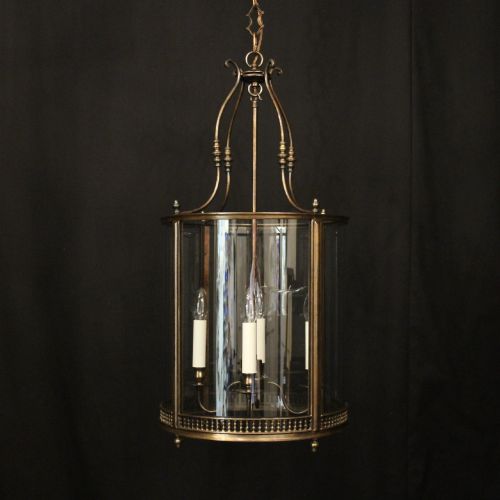
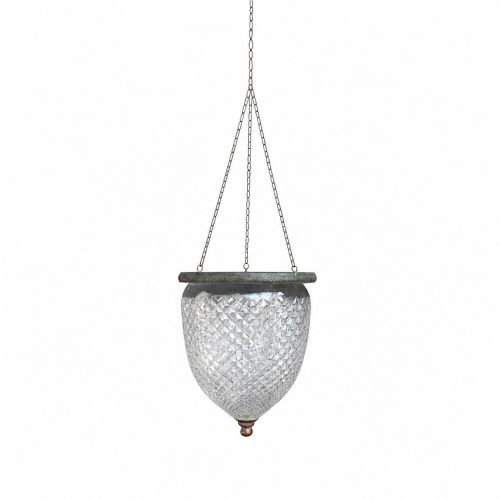
An english glass chandelier encompasses a variety of hanging illumination forms, from grand multi-light fixtures down to compact hall lanterns and pendant lights. The examples seen here range from nineteenth-century cut glass centrepieces to early twentieth-century plafonniers and Edwardian dish lights.
Buyers meet forms executed in distinctive regional styles, including Regency, Victorian, Gothic Revival and Aesthetic Movement interpretations. These pieces deploy tiered crystal drops, baskets, tents and bags, alongside brass or gilded bronze frames, reflecting centuries of domestic lighting design.
What varies in quality
The standard of cutting across the crystal and glass components determines much of the visual depth and sparkle. Deeper, crisper facets catch and disperse light far more effectively than softer, simpler press-moulded substitutes.
The weight and finish of the underlying metalwork, whether gilded bronze, heavy brass or silver plating, dictates the structural dignity of the piece. Superior mounts and finely cast frames integrate harmoniously with the glass elements, maintaining balance and proportion.
Objects recorded range from compact hall lanterns to imposing forty-one light ballroom crystal chandeliers spanning the Victorian and Edwardian periods.
The English Glass Chandelier Glossary
- Plafonnier
- A ceiling-mounted lighting fixture set close to the surface rather than suspended on a long drop. These often feature decorative glass bowls or shades.
- Tent and bag chandelier
- A lighting form characterised by a conical upper section of strung glass beads leading down to a gathered bag shape of cascading drops below. This design maximises refraction.
- Dish light
- A shallow bowl-shaped glass light fixture suspended by chains, popular during the Edwardian era. They offer diffuse illumination across an interior space.
- Gilded bronze
- Metal alloy coated with a thin layer of gold, providing a rich, durable surface finish. It appears frequently on the structural frames of finer nineteenth-century light fittings.
English Glass Chandelier: Frequently Asked Questions
How do I clean an english glass chandelier?
Cleaning requires a careful approach using mild soapy water and soft cloths, supporting each hanging crystal by hand to prevent strain on the metal pins.
Many specialists advise cleaning the glass in situ without disassembly to avoid damaging the historical wiring and delicate frame attachments.
Were these chandeliers originally wired for electricity?
Most nineteenth-century and early twentieth-century examples started life configured for candles or gas before later conversion to electricity during the twentieth century.
Wiring is routinely updated by modern owners to meet safety standards while preserving the original metalwork and glass components.
How do I date an english glass chandelier?
Dating relies on examining the assembly methods of the metal armature, the style of the cut glass drops and the configuration of the brass or bronze framing.
Comparing the decorative vocabulary against documented Regency, Victorian and Edwardian design patterns helps narrow down the period of manufacture.