
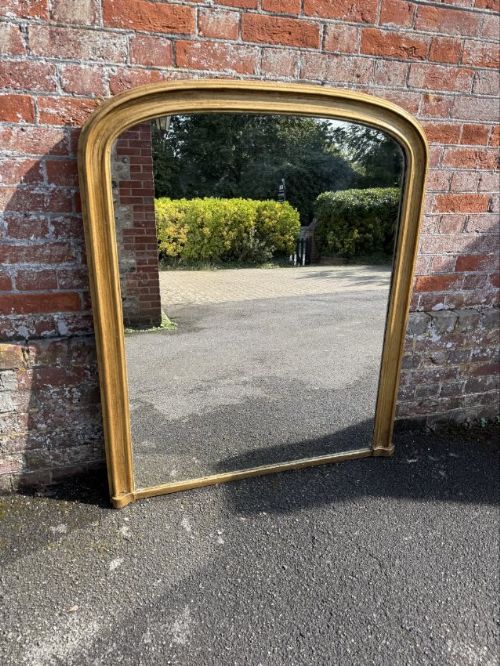
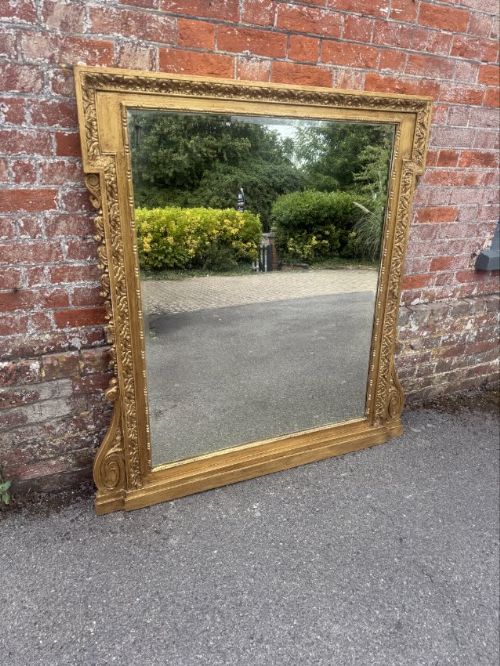
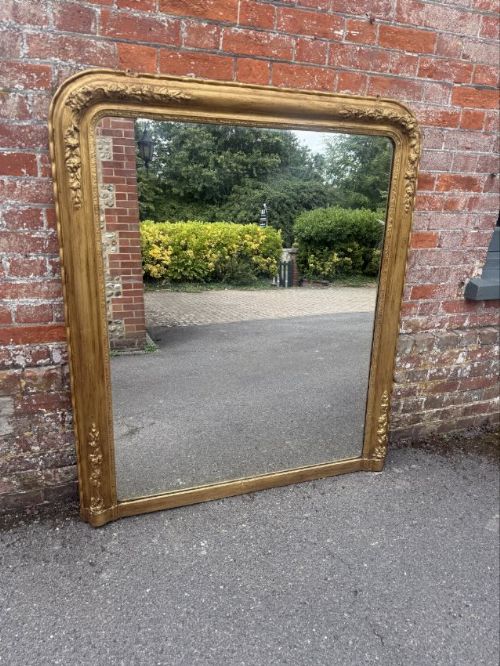
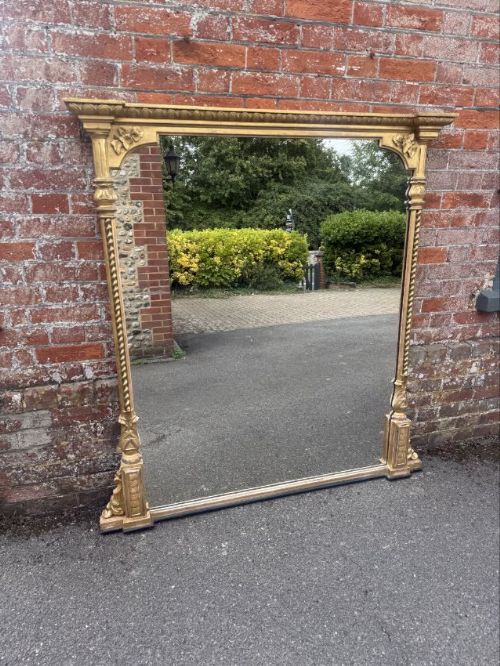


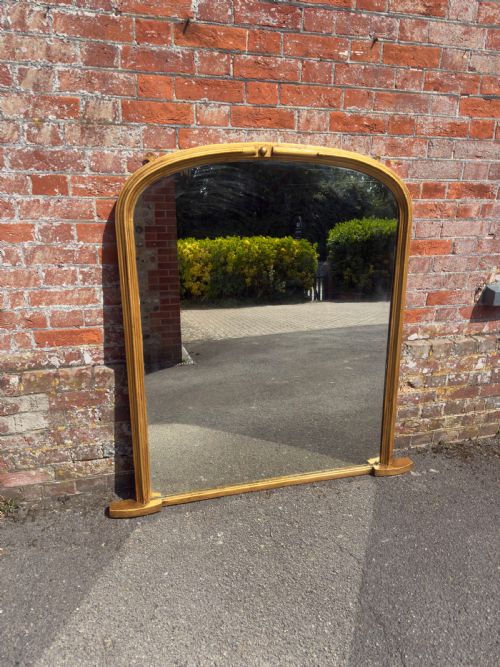
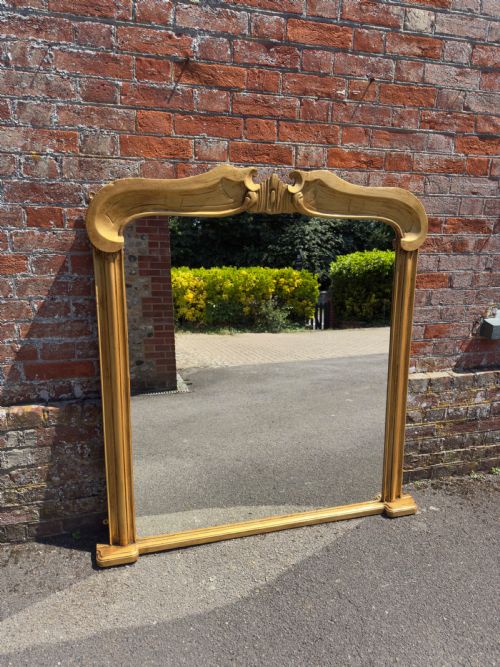
English Fireplace Mirror
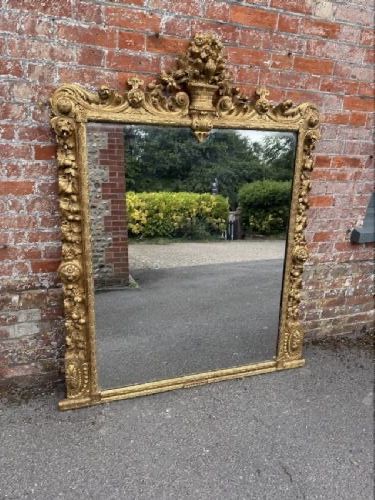
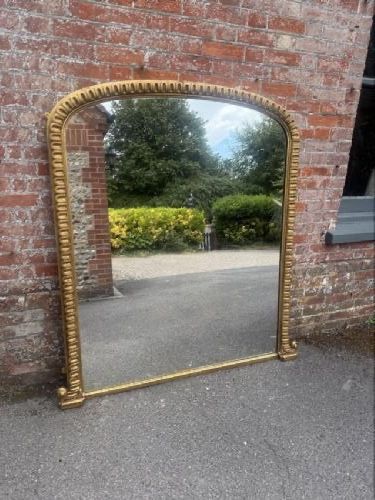
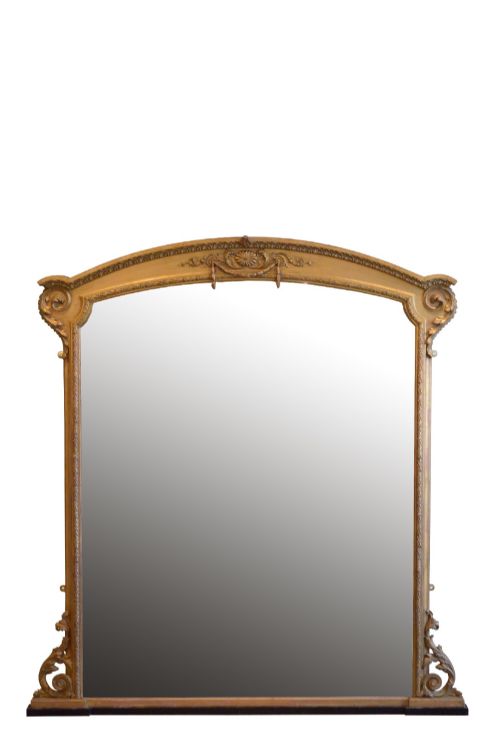
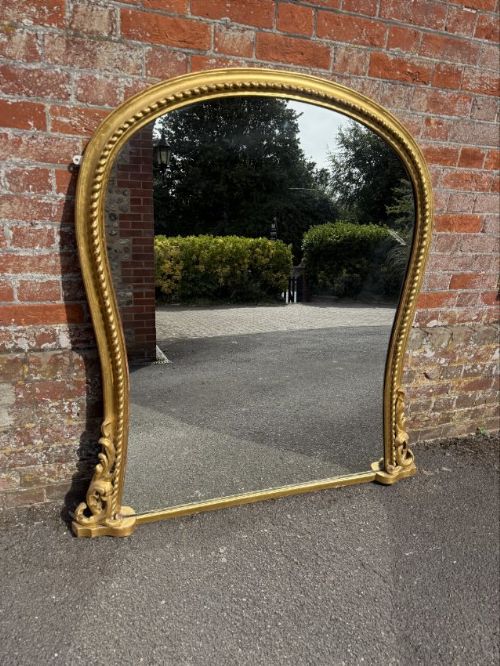
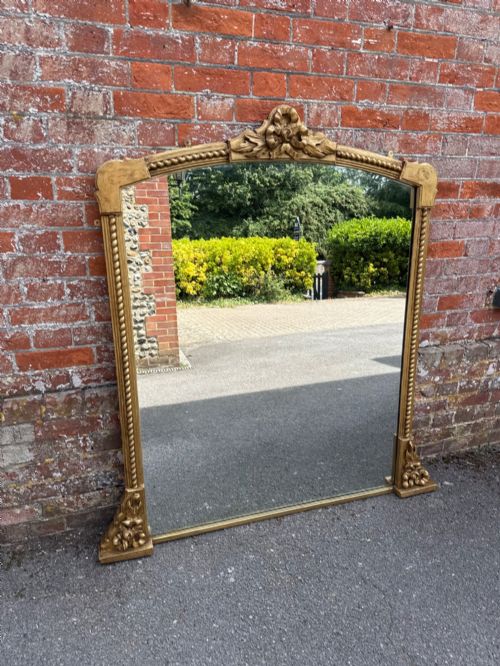
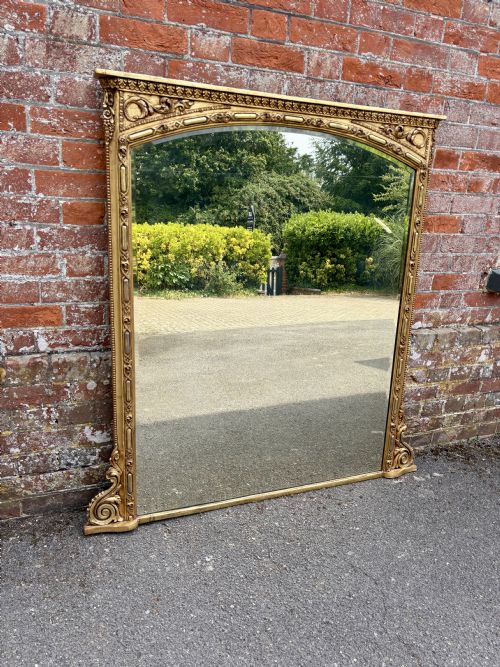
An english fireplace mirror sits above the hearth, anchoring the room with light and polished gold leaf.
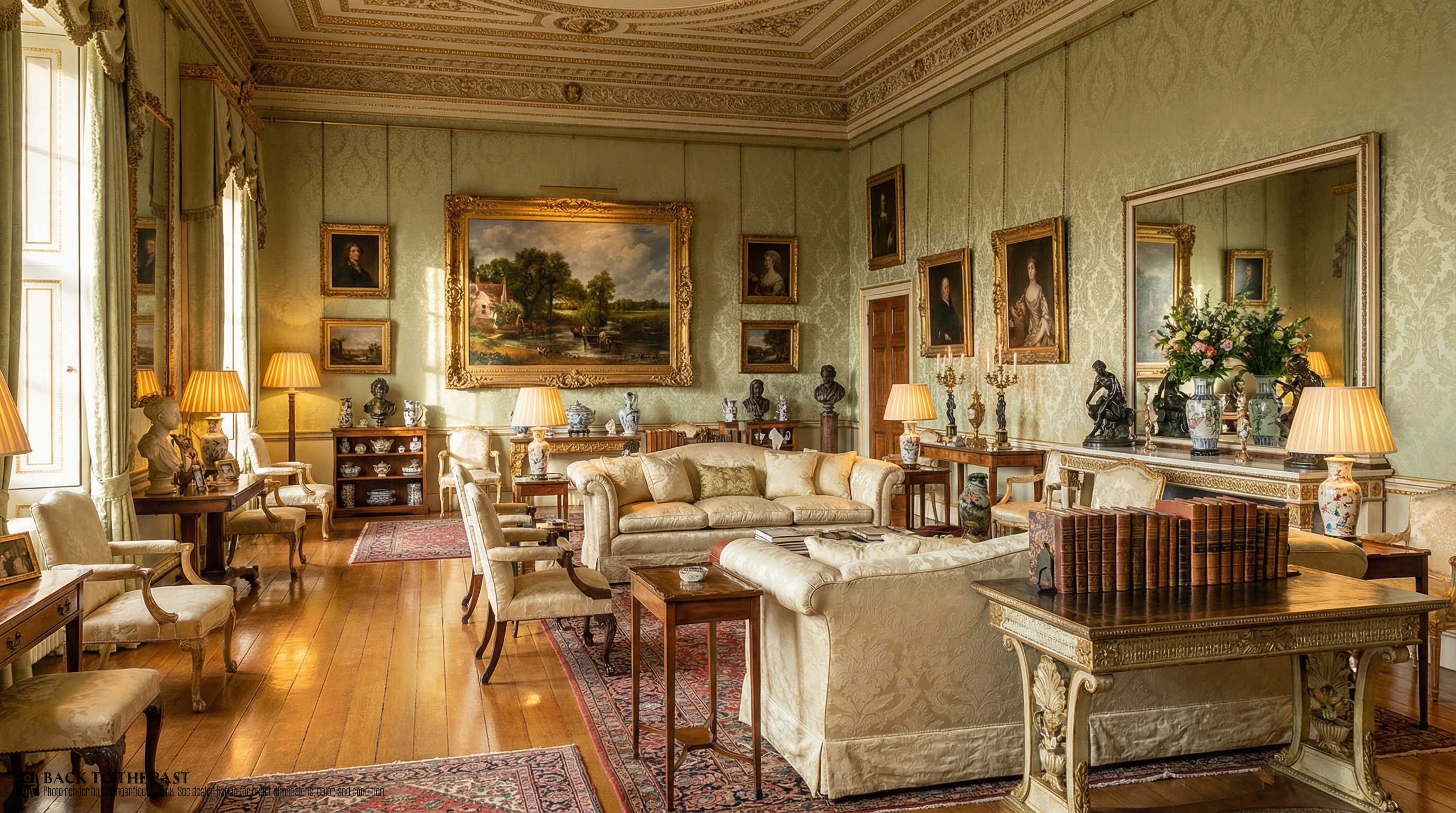
English Fireplace Mirror
An english fireplace mirror, predominantly encountered as an overmantel mirror from the nineteenth century, is designed specifically in scale and form to occupy the wall space directly above a mantelpiece. These pieces frequently present grand proportions, intended to reflect light from windows across the hearth and visually expand the room.
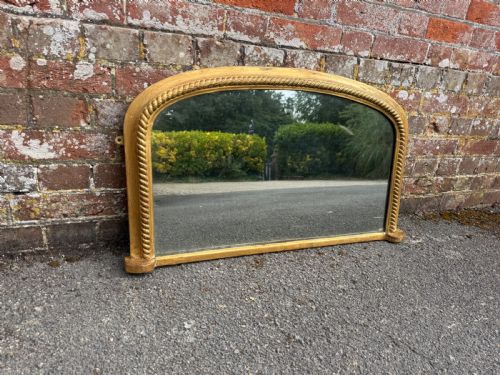
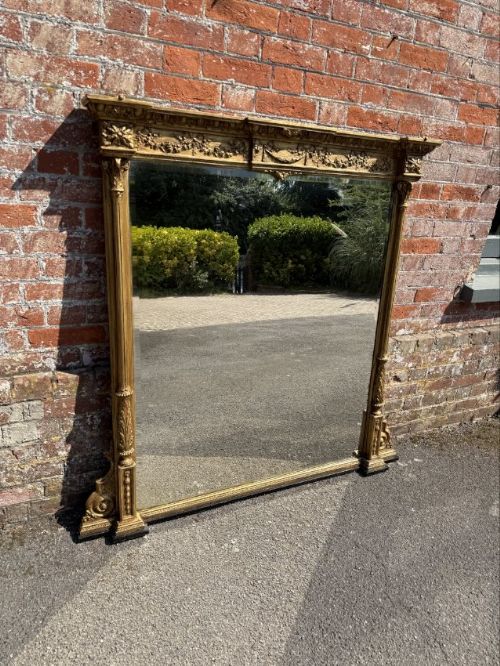
The selection on this page centres heavily on nineteenth-century examples, spanning periods from the regency era through the height of the victorian age. Buyers will find architectural shapes dominated by arched tops, shaped crests, and rectangular formats suited to period interiors.
Stylistic influences among these listings draw upon traditional english design, alongside regional interpretations of louis revival and chinese chippendale motifs. The dominant format remains the giltwood overmantel, providing a substantial architectural presence within domestic spaces.
Construction and Gilding
Carved wood forms the structural carcass of these large looking glasses, providing a sturdy framework capable of supporting heavy mirror glass. Artisans shaped timber bases to accept applied decorative details before finishing.
Gesso, a mixture of plaster and size, was layered over the carved wooden substrate to build up crisp surface relief for mouldings, rope twists, and column details. This preparatory layer provided a smooth, receptive bed for subsequent gilding.
Gold leaf or gilt applications completed the surface, catching the light and offering the characteristic metallic sheen seen on traditional frames. Craftsmen also utilised painted and parcel-silvered finishes on select alternative pieces.
Framing details on these overmantel mirrors showcase rope twists, column styles, ribbed borders, and tulip motifs.
Assessing the Workmanship
The depth and crispness of the carved wood and gesso ornamentation dictate the visual distinction between standard production and superior craftsmanship. Elaborate mouldings like tulip frames, rope twists, and ribbed columns require precise hand modelling to achieve clean lines.
The integrity of the original gilt surface and the preservation of the underlying gesso layers reveal the care a piece has received over generations. Fine examples retain their original gilding depth without excessive retouching or loss of botanical and geometric relief.
Proportion and scale play a crucial role in establishing the presence of an overmantel mirror within a room. Balanced arches, harmonious framing widths, and structurally sound timber frames separate utilitarian examples from exceptional interior focal points.
The English Fireplace Mirror Glossary
- Overmantel mirror
- A large looking glass specifically built to hang or sit upon the mantelpiece above a fireplace. These pieces were often manufactured in substantial proportions to reflect candlelight and daylight into the room.
- Gesso
- A plaster-based mixture applied to wood frames and carved to create raised decorative motifs before gilding. It provides the smooth, dense foundation necessary for crisp surface ornamentation.
- Giltwood
- Timber that has been coated with thin leaves of gold or metal alloy. It forms the primary reflective surface finish for traditional nineteenth-century frames.
- Regency
- An architectural and decorative style spanning the early nineteenth century, characterised by neoclassical restraint and clean proportions. Pieces from this era often feature restrained classical motifs.
- Louis revival
- A nineteenth-century decorative movement drawing inspiration from historical french court styles, particularly louis xiv and louis xv. These mirrors incorporate elaborate, flowing ornamentation and scrolled crests.
English Fireplace Mirror: Frequently Asked Questions
Where should an english fireplace mirror be hung?
These large looking glasses traditionally sit directly on the mantel shelf or mount securely to the wall just above the fireplace opening. Their grand scale is designed to anchor the hearth as the natural visual focal point of the room.
Positioning the glass at this height also maximises the reflection of natural light from windows, brightening darker corners of period interiors.
How do I clean a antique giltwood frame?
Dust the carved wood and gesso surfaces gently with a soft, dry brush to prevent accumulation in the intricate recesses of the moulding. Avoid liquid cleaners, polishes, or damp cloths, which can damage delicate gold leaf and historical gesso.
Professional conservation care is recommended if the gilt surface shows signs of flaking or instability.
What periods do these mirrors come from?
The selection consists primarily of nineteenth-century pieces, ranging from early regency examples through high victorian output. Victorian interpretations frequently utilise robust carved wood and gesso frames with arched or shaped tops.
Occasional pieces incorporate specific regional revivals, including louis revival and chinese chippendale design elements popular during the eighteen-fifties and sixties.
Are the mirror plates original?
Mirror glass in nineteenth-century frames can vary, with some pieces retaining their original silvered plates showing age spots and foxing. Other pieces may feature later replacement glass installed during the mirror's working life.
Examining the depth and distortion of the reflection helps indicate the historical nature of the glass.