

English Countryside Landscape
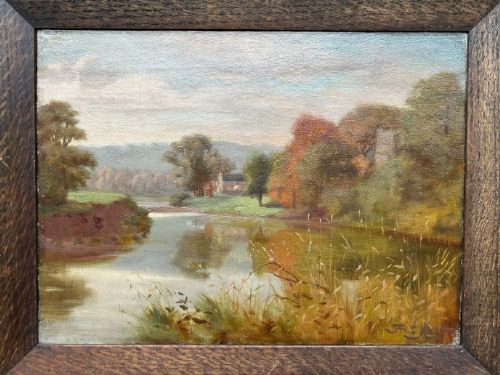
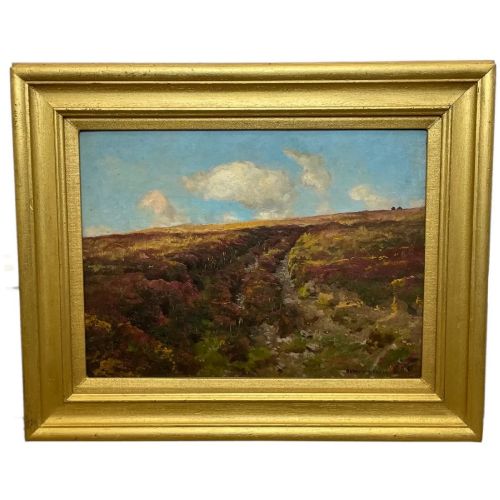
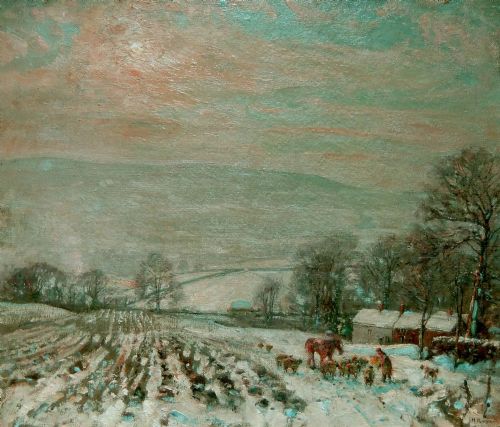
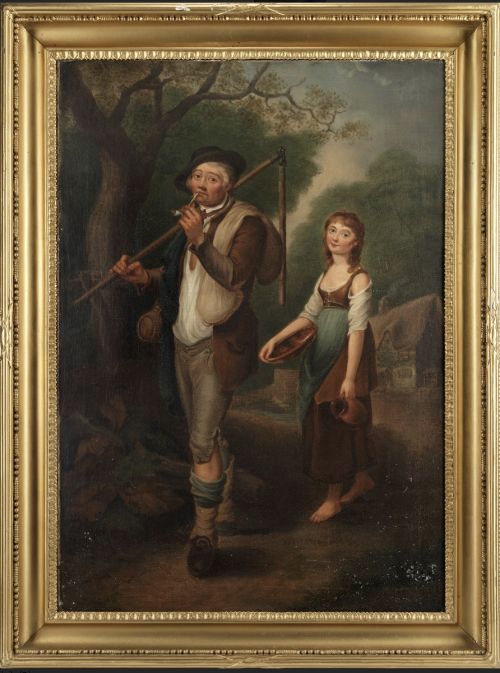
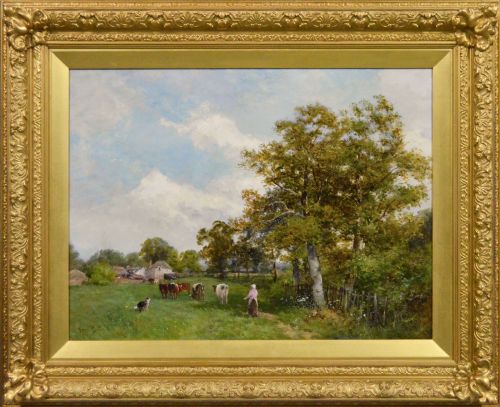
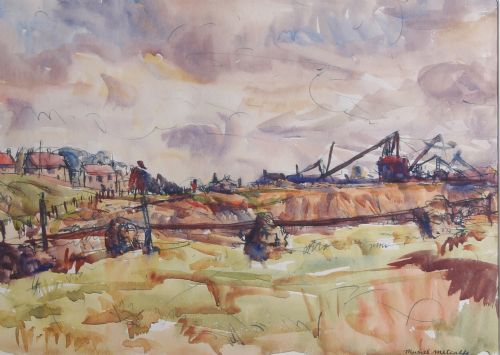
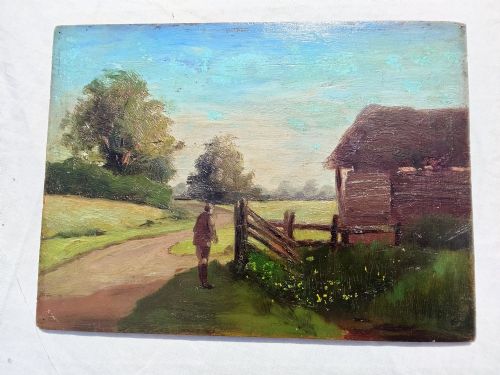
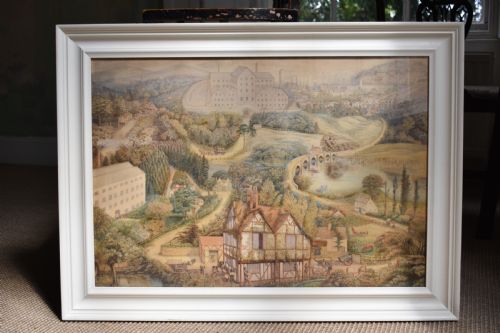
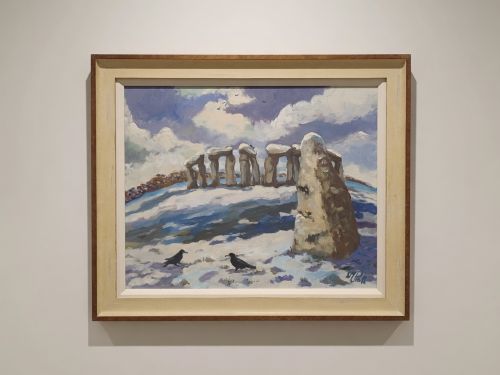
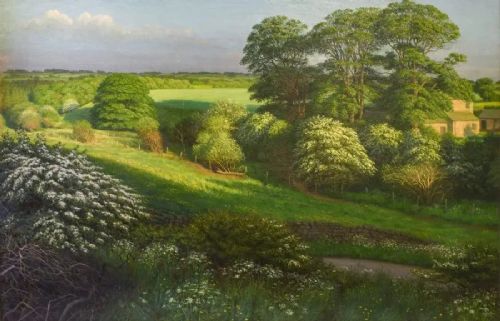
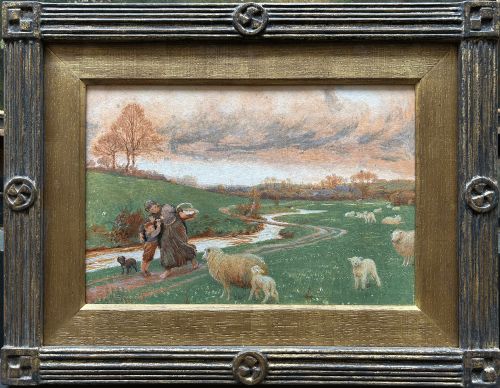
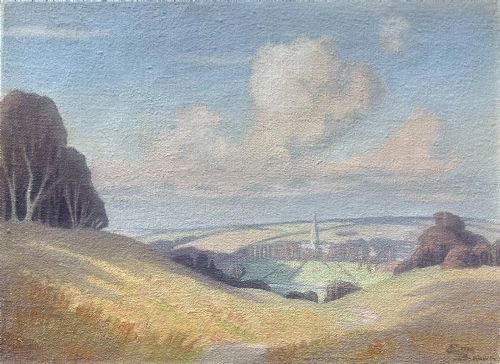
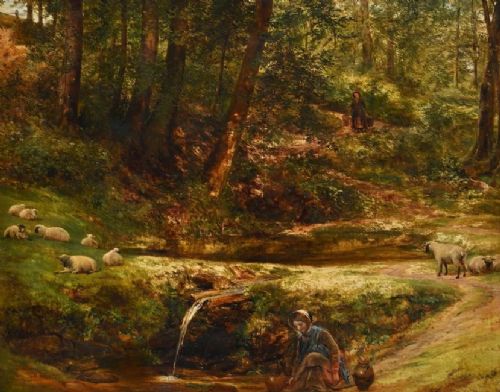
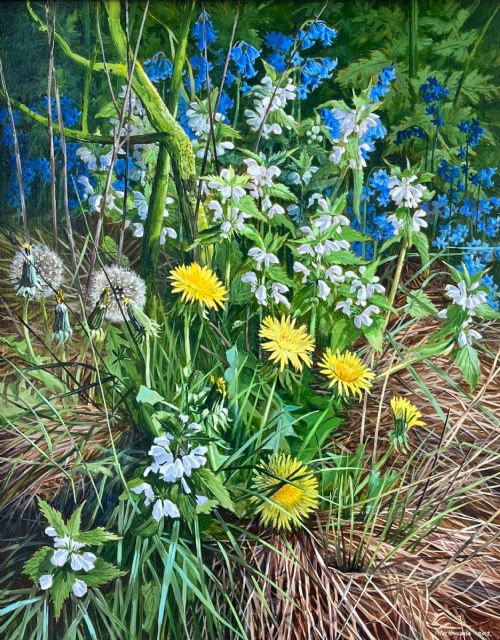
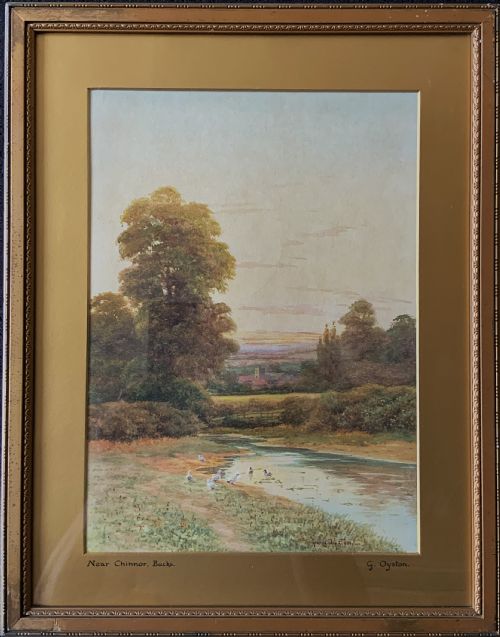
When you search for an english countryside landscape, you find framed watercolours and oil paintings recording rural scenes from the nineteenth and twentieth centuries.
English Countryside Landscape
An english countryside landscape captures rivers, cottages, farms and pastures across Britain through the eyes of various regional schools and movements.
The pieces on this page span from the nineteenth century into the mid twentieth century, encompassing Victorian pastoral scenes, Edwardian views and British impressionism.
You encounter both finished gallery watercolours on paper and substantial oil paintings on canvas, panel or wooden board.
How They Were Made
Artists painted in oil or watercolour, applying pigment to stretched canvas, prepared wooden panels, heavy paper or wooden boards.
Makers often framed these works in gilded wood, which protected the edges and completed the presentation of the art.
English Countryside Landscape Retail Price Guide 2026
Typical asking prices for english countryside landscape among the pieces listed under this phrase on Sellingantiques today, from the lower quarter to the upper quarter. They describe what is for sale here now, not the wider market.
Listings feature works in oil and watercolour across the nineteenth and twentieth centuries, depicting farms, rivers and villages.
What Varies in Quality
Quality rests upon the sureness of the brushwork and the artist's command of light, atmosphere and composition within the rural view.
Condition matters greatly, from the stability of the paint layer on canvas or board to the preservation of watercolour pigments against fading.
George Graham·Frederick Marriott·Arthur Wardle·Herbert Royle·Thomas Barker of Bath·David Bates·Muriel Metcalfe·Lucy Pratt·Raymond Booth·Frederick Walker·Eric Brown·Richard Redgrave·Peter Newcombe·George Oyston·Russell Sidney Reeves·Florence Adelina Hess·John Horace Hooper·Hubert Wellington·Alfred George Morgan·Edgar Woollatt·Joseph Edward Hennah·Charles Walter Simpson·Charles Gregory·Helen Layfield Bradley·Henry Charles Fox
The English Countryside Landscape Glossary
- Oil on Canvas
- Pigment mixed with drying oil applied to a woven fabric stretched across a wooden frame. This medium allowed artists to build rich textures and deep tones.
- Watercolour
- Pigments ground in a water-soluble binder and applied to paper. It produces translucent washes of colour suited to capturing changing skies and gentle light.
- British Impressionism
- A late nineteenth and early twentieth century painting style focused on natural light and everyday subjects. Practitioners worked outdoors to capture fleeting atmospheric effects.
- English School
- A term for artists working within British traditions rather than following continental academies. It groups together generations of painters depicting local topography and rural life.
- Impasto
- Paint laid thickly on the surface so that it stands out from the canvas. This technique adds tangible relief and texture to elements like foliage or water.
English Countryside Landscape: Frequently Asked Questions
What periods do these landscapes cover?
The works span from the nineteenth century through the Victorian and Edwardian eras, extending into the nineteen-thirties, forties and fifties.
Most pieces belong to the late nineteenth or early twentieth centuries, reflecting the high period of British landscape painting.
How do I distinguish watercolours from oils?
Watercolours are painted on paper, usually displayed under glass, showing translucent washes and fine details.
Oils utilise thick pigment on canvas, board or panel, offering heavier texture and a richer surface sheen without glass.
Where were these rural scenes painted?
Artists worked across diverse British regions, including Yorkshire, Dorset, Devon, Sussex and the home counties.
Local topography dictates the subject, from northern dales and Scottish hills to southern rivers, farms and cottages.
How should I hang and light a painting?
Keep works away from direct sunlight and damp walls to protect both the paper or canvas and the original frame.
Soft, balanced picture lighting highlights the brushwork and colours without generating excessive heat that could damage the paint.