

English Countryside Art
English countryside art captures the quiet topography of rural Britain through watercolours and oil paintings spanning several centuries.
Understanding English Countryside Art
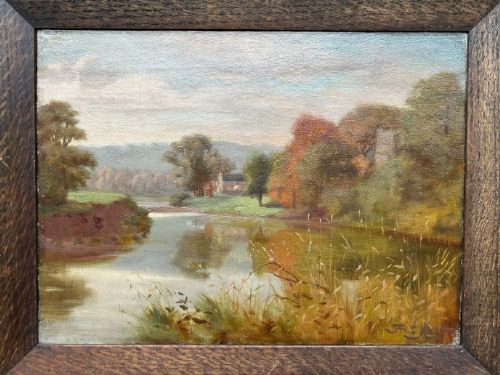
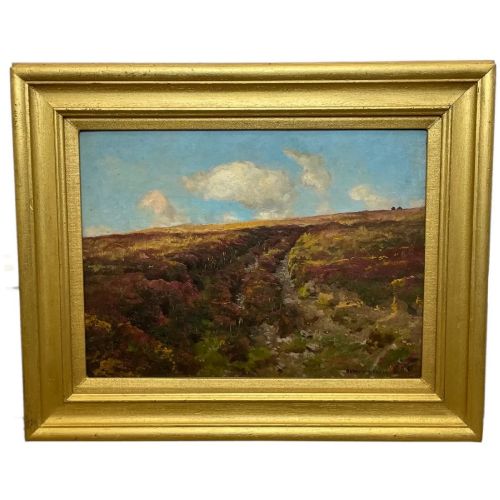
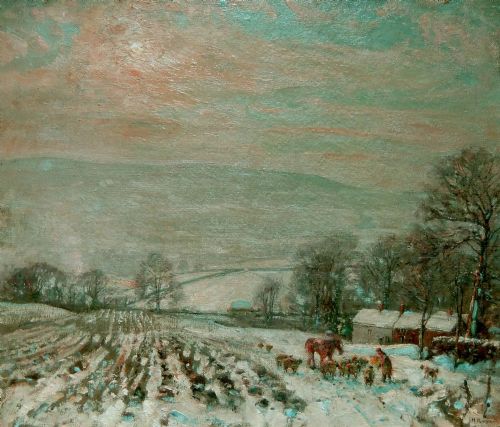
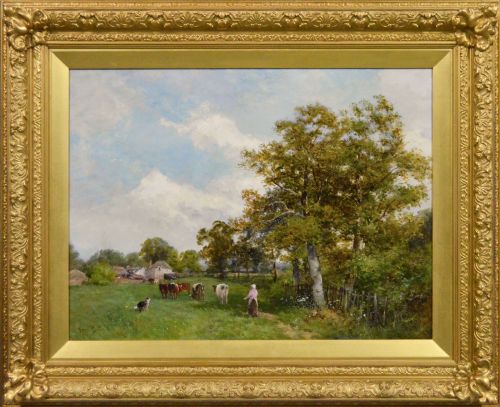
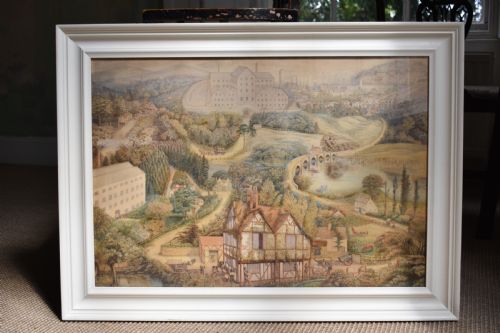
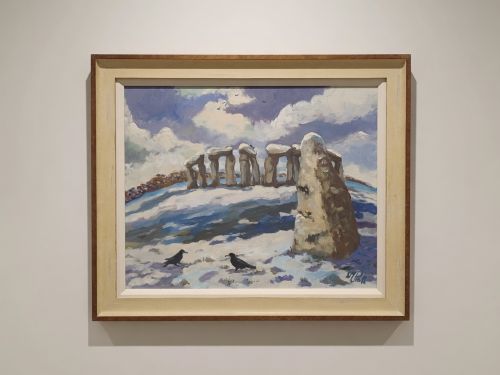
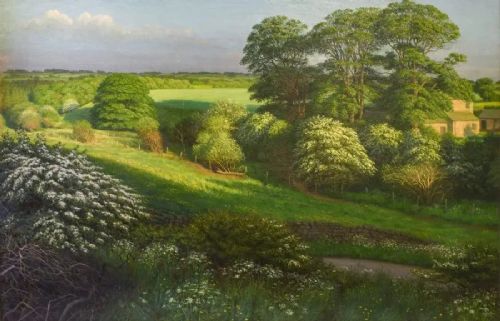
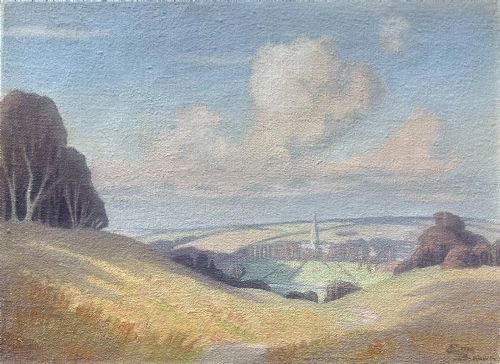
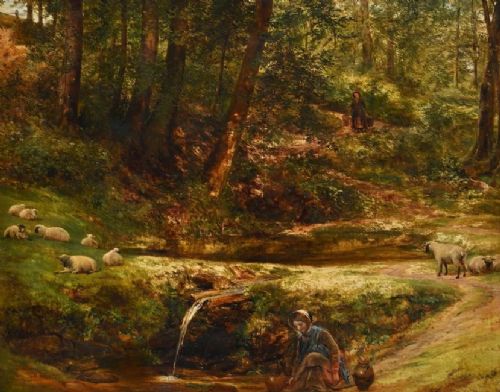
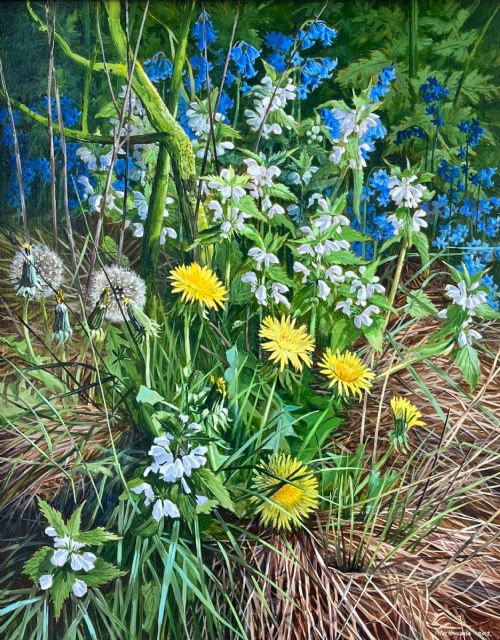
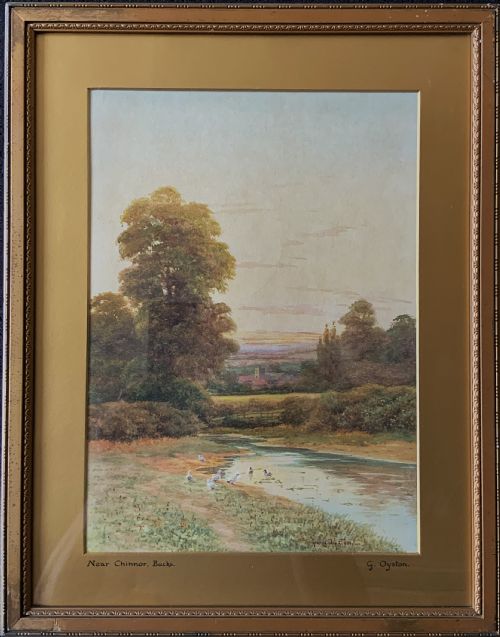
When you search for English countryside art, you encounter framed watercolours and oil paintings depicting rural landscapes, village scenes, and farmland. These works record locations ranging from the Chiltern Hills and Sussex market towns to the Lake District and Yorkshire rivers.
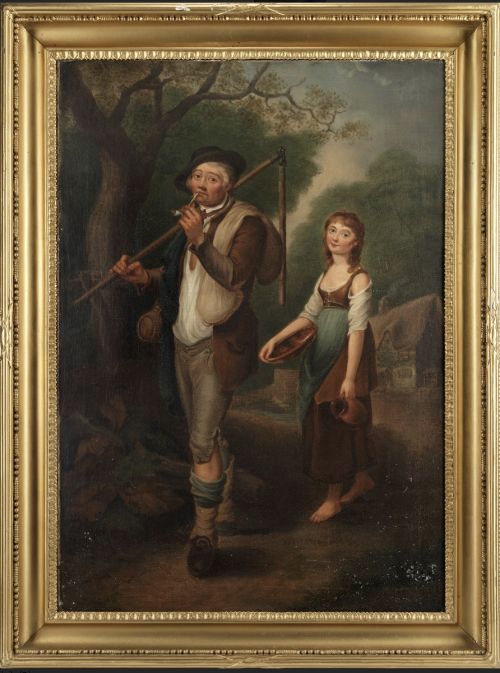
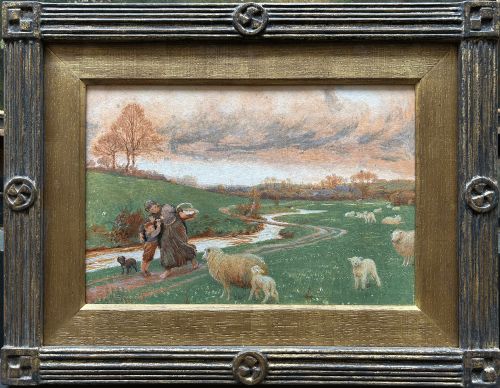
The pieces on this page are most likely to meet you in traditional giltwood or wooden frames, capturing specific views with written inscriptions or signatures. They trace a chronological arc from the eighteenth century through the nineteenth century and into the mid-twentieth century.
Subjects focus on agricultural life, market crosses, farm buildings with horses and haycarts, and quiet riverbanks. The focus remains squarely on the pastoral topography of Britain interpreted through traditional fine art media.
Materials and Techniques
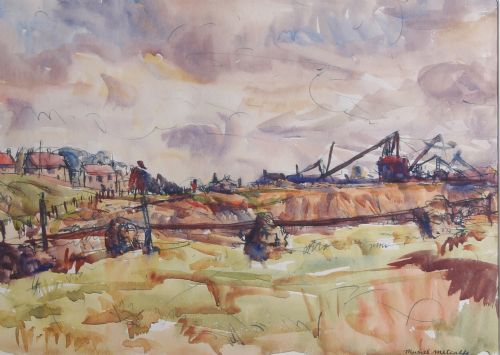
These works rely on traditional supports of paper and canvas, utilising watercolour paint and oil paint to build up the landscape. Watercolour pieces often employ delicate washes to capture atmospheric skies and distant hills.
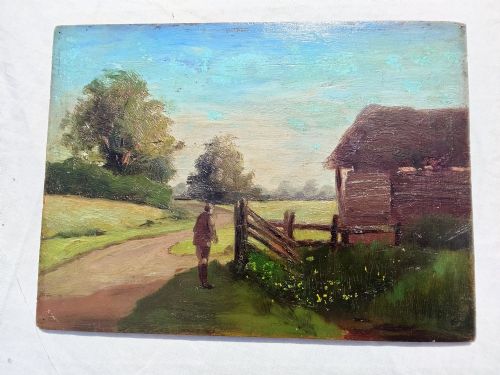
Oil paintings on canvas provide richer textures and deeper pigments for depictions of woodland and river scenes. Many of these artworks are housed in original wooden and giltwood frames that complement the era of their creation.
Retail Price Guide 2026
Typical UK retail prices for english countryside art, calculated from the Sellingantiques database of over a million retail prices indexed since 2003. This retail price guide relies exclusively on Sellingantiques data; no external sources or auction records are used, so the figures do not describe the wider market.
A solitary haycart trundles quietly across a mid-century farmyard watercolour, preserving the slow pace of rural life.
Assessing Quality
Quality rests in the precision of the brushwork and the artist's ability to render natural light and atmosphere convincingly. Stronger examples demonstrate confident handling of perspective in architectural and natural elements.
Provenance and documented attribution elevate certain works, connecting specific landscapes to known artists and verifiable locations. The integration between the painting and its period frame also influences the overall integrity of the piece.
George Oyston·Stanley Orchart·Isabel M Castle·James Drummond·Everett W Mellor
The English Countryside Art Glossary
- Watercolour paint
- A water-based medium using pigments suspended in a water-soluble vehicle, applied to paper to create translucent washes of colour.
- Oil on canvas
- A painting technique using pigments bound in a drying oil, applied to a stretched woven fabric support.
- Giltwood
- Wood that has been coated with a thin layer of gold leaf or gilt, commonly used in traditional picture framing.
- Provenance
- The chronological history of the ownership and custody of a work of art, used to authenticate its origin.
Frequently Asked Questions
How do I care for antique watercolours?
Watercolours are sensitive to light and moisture, meaning they require placement away from direct sunlight and humid environments. Framing with conservation glass helps protect the paper from ultraviolet degradation over time.
Ensure the backboards remain sealed to prevent dust and insects from reaching the paper surface. Regular checks of the hanging wire and frame joints will keep the artwork secure.
What subjects are typical in these paintings?
Common subjects include rural farm buildings, river valleys, market crosses, and mountainous lake districts. These scenes reflect the enduring appeal of the British landscape to artists across different centuries.
Many works document specific geographical locations with inscriptions on the reverse or front, allowing viewers to trace the exact topography depicted.
How can I date an oil painting landscape?
Dating relies on stylistic clues within the brushwork, the composition, and the clothing of any figures present. The canvas type, stretcher construction, and framing style also provide reliable indicators of the period.
Signatures, dates, and inscriptions written on the canvas or stretcher frame often offer direct confirmation of the year the work was executed.
Are these paintings original works?
The pieces listed are original hand-painted watercolours and oil paintings rather than modern reproductions or prints. Each work bears the unique brushstrokes and texture of the artist's hand.
Signatures, artist attribution, and period materials distinguish these authentic historical artworks from mass-produced decorative items.