


English Country Print
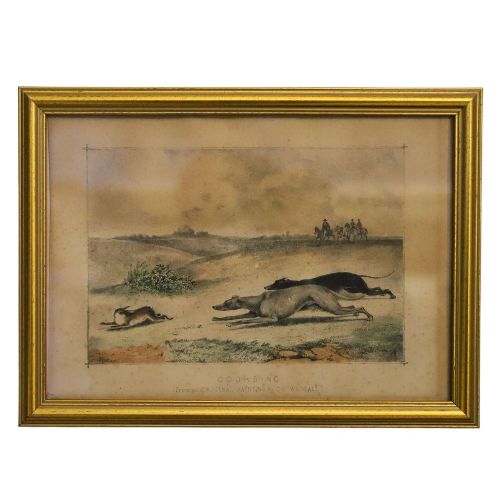
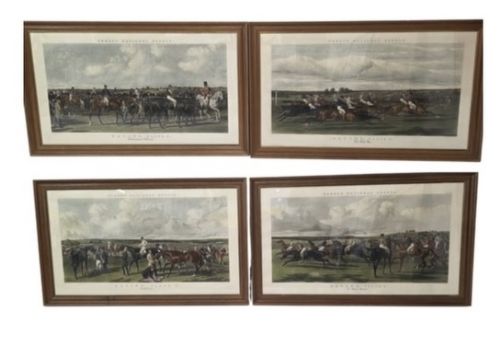
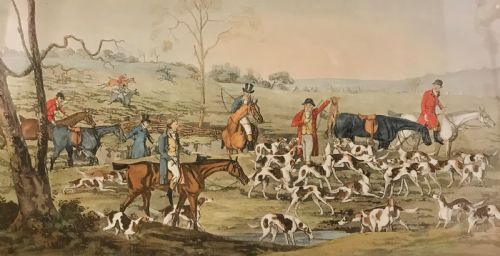
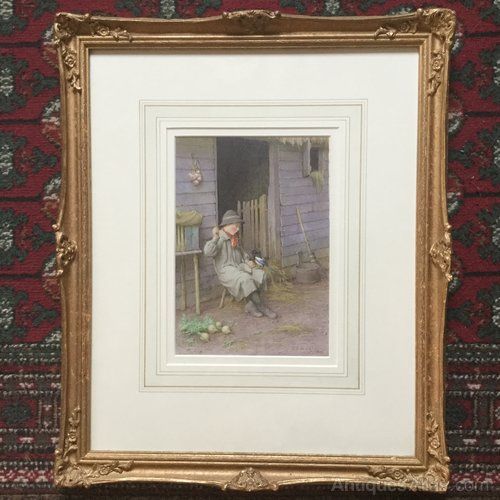
When you search for english country print, you find framed works and plates recording rural scenes, field sports and botanical subjects.
English Country Print
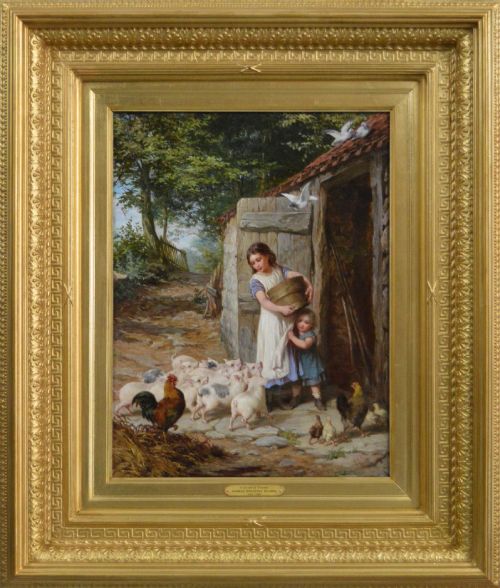
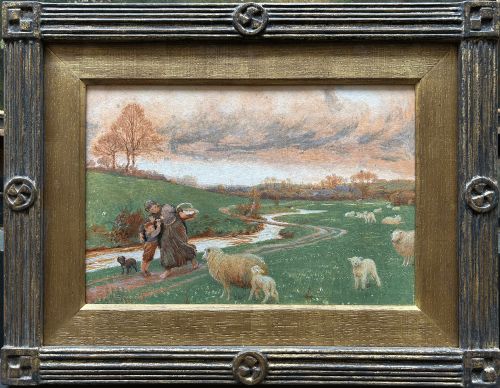
An english country print encompasses framed artwork, engravings, lithographs and decorative plates depicting traditional rural life, hunting scenes and botanical studies. These works span the Georgian, Victorian and Edwardian periods, reflecting the shifting tastes of country houses.
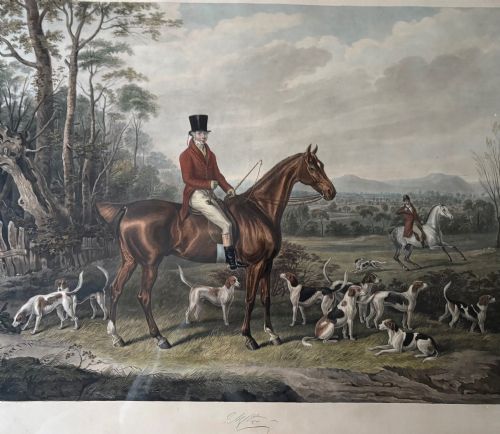
You are most likely to encounter hand-coloured engravings, lithographs and framed sporting prints dating from the nineteenth century. These pieces frequently show pastoral subjects, horse racing, foxes and domestic animals in pastoral landscapes.
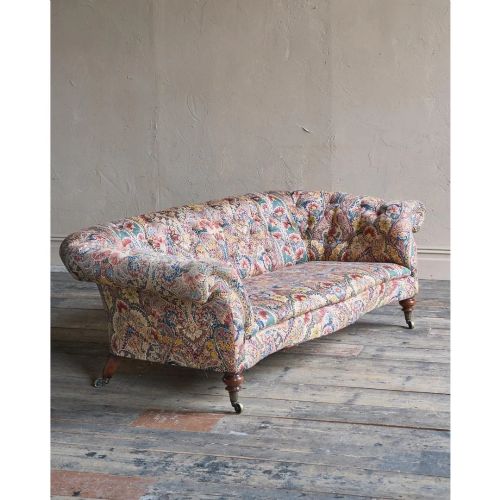
Alongside wall art, the selection includes blue and white transfer pottery, transfer plates and serving platters featuring traditional English patterns. These domestic items sit alongside paintings, watercolours and country house furnishings such as armchairs and footstools.
How they were made
Many works utilise paper as a base for ink, watercolour and hand-coloured engraving, capturing fine lines through etching and lithography. Printmakers applied pigment by hand onto engraved metal plates or stones to produce vibrant sporting and pastoral scenes.
Ceramic pieces employ transfer printing techniques on earthenware, fixing blue and white designs onto pottery plates and platters before glazing. Framing typically involves wood, gilt wood and glass to protect fragile watercolours and paper prints.
Mixed media works combine ink, oil on canvas and gold leaf, mounting these compositions within traditional wooden frames. Upholstered items incorporate linen and fabrics on wooden frames, reflecting the craftsmanship of period seating.
Listings feature works across paper, canvas and ceramic, spanning the Georgian, Victorian and Edwardian periods with notable examples of British Impressionism.
What varies in quality
The distinction between standard and superior pieces rests upon the crispness of the impression and the precision of the hand-colouring. Early strikes from engraved plates display sharp lines and distinct details, whereas later impressions lose definition.
The preservation of the paper substrate and the vibrancy of the original watercolours or inks determine the overall desirability of framed art. Original glazing, period frames and untouched backings preserve the historical integrity of the piece.
For ceramics, the clarity of the blue and white transfer print and the absence of firing flaws separate ordinary utility wares from finely executed plates and platters. Maker marks and well-documented provenance further elevate specific pieces.
George Augustus Holmes·Frederick Walker·C. H. Weigall·Robert Sayer·Charles Faulkner·John Atkinson·Robert Morden·John Rogers and Son·Joseph Kirkpatrick·Herbert Royle·Fred Lawson·Francis Calcroft Turner·John Sherrin·Spode·Lilian Stannard·Schweninger·Amy Reeve-Fowkes
The English Country Print Glossary
- Engraving
- A printmaking technique where an artist cuts lines into a metal plate to hold ink. The inked plate transfers the image onto paper under pressure.
- Lithography
- A planographic printing process based on the repulsion of oil and water. An image is drawn on limestone or a metal plate and transferred to paper.
- Mezzotint
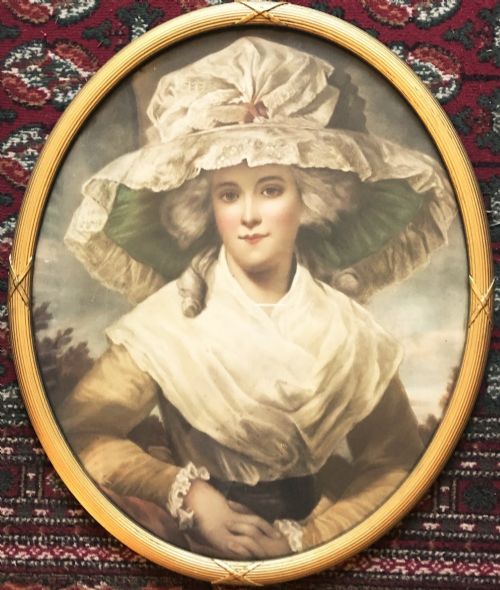
- A printmaking method of the intaglio family where the plate is roughened uniformly to achieve rich tonal gradations and dark backgrounds.
- Transferware
- Earthenware decorated by applying a printed design from an engraved copper plate via tissue paper onto the ceramic body.
- Treen
- Small handmade wooden household objects and utensils. Collectors prize these items for their tactile surfaces and utilitarian forms.
English Country Print: Frequently Asked Questions
What is an english country print?
An english country print is a historical artwork, engraving or lithograph depicting rural life, landscapes or sporting pursuits. These pieces originated during the Georgian and Victorian eras to decorate country houses.
They capture a nostalgic view of rural traditions, featuring subjects like horse racing, hunting and botanical studies. Collectors value them for their historical documentation of British countryside culture.
How do I date an old print?
Dating relies on examining the paper type, printing technique, publisher details and framing methods. Georgian and Victorian works often feature watermarks, specific plate marks and handwritten inscriptions.
Typography styles and paper ageing provide further clues to the decade of production. Comparing the paper weight and ink saturation against known period examples confirms the era.
Where should I hang these prints?
These works suit traditional reception rooms, studies, hallways and dining spaces where period character is desired. Grouping several framed sporting prints or botanical watercolours together creates a classic gallery wall.
Keep framed paper works away from direct sunlight to prevent fading of the watercolours and hand-colouring. Stable humidity levels protect both the paper and the original wooden frames.
How do I care for antique watercolours?
Protect watercolours and paper prints by using UV-filtered glass and acid-free backing boards during framing. This prevents the paper from yellowing and stops pigments from degrading over time.
Maintain moderate indoor temperatures and avoid hanging pieces on damp exterior walls. Dust wooden frames gently with a dry cloth without touching the exposed paper surface.