



English Country Portrait Painting
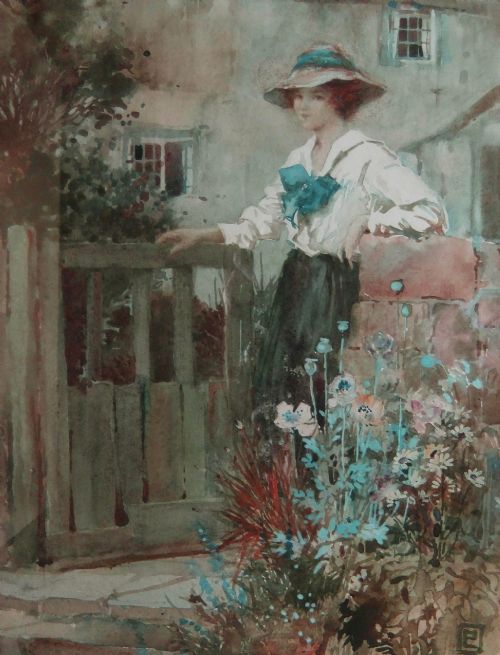
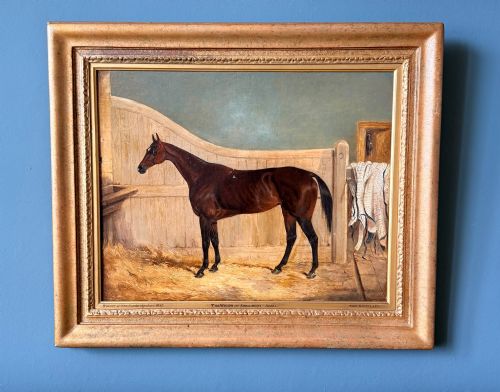
An english country portrait painting captures landed estates, sporting animals, and rural family life through historic oil on canvas or watercolour.
English Country Portrait Painting
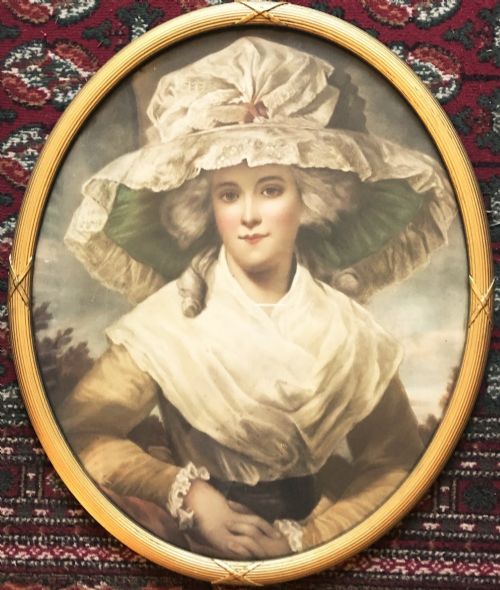
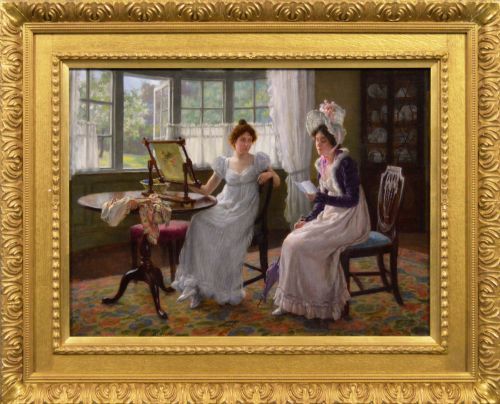
An english country portrait painting brings rural heritage into an interior, depicting country gentlemen, domestic interiors, and prized livestock in traditional landscapes. A buyer searching for this phrase encounters works originating largely from the eighteenth, nineteenth, and early twentieth centuries.
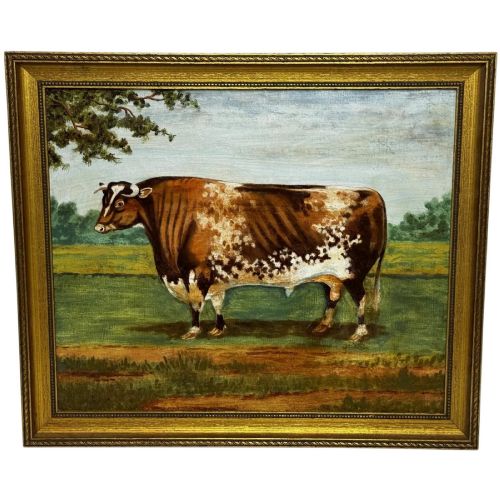
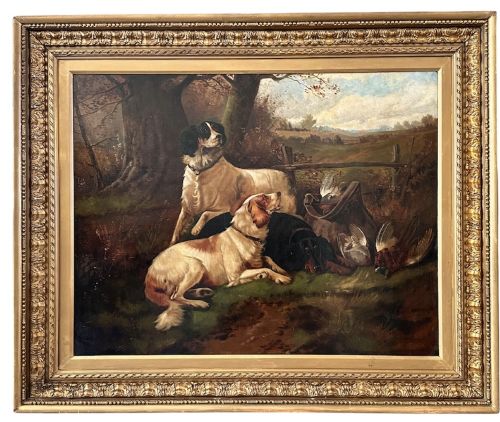
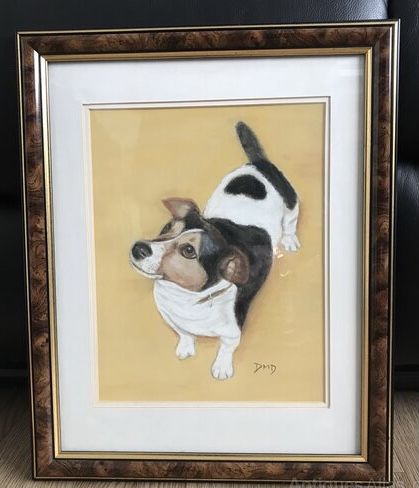
The works span formal family groupings in estate grounds alongside naive renderings of border collies, greyhounds, and shorthorn bulls. These canvases and framed works reflect the social and agricultural priorities of rural British life across successive historic periods.
Materials and construction
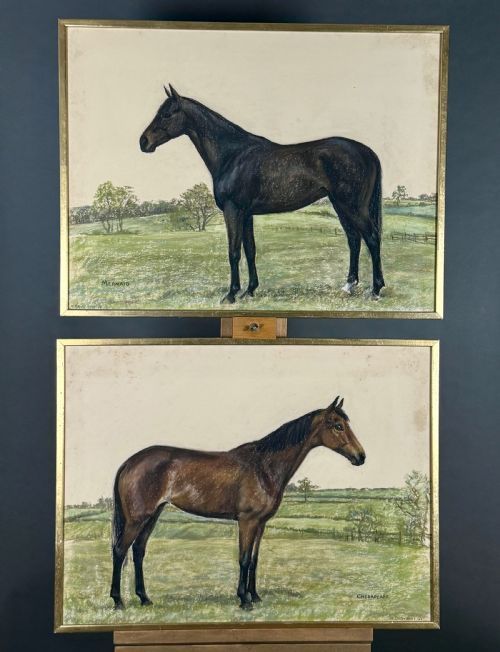
Artists typically applied oil paint onto stretched canvas or wooden boards, whilst others utilised watercolour and pastel upon paper under glass. Giltwood frames frequently enclose these pieces, providing traditional housing that complements the historic painted surface.
Pigments and binders varied according to the period, with nineteenth-century practitioners employing prepared oil paints and canvas supports produced commercially. Works on paper required protective glazing to preserve delicate watercolour washes and pastel strokes.
Several canvases immortalise impossibly plump prize livestock standing proudly beside remarkably clean-booted estate grooms.
Qualities that distinguish the works
Anatomical precision and handling of light separate skilled academic execution from naive or provincial output. Works attributed to established equine and sporting painters demonstrate a surer command of perspective and subject matter than anonymous school pieces.
Original framing and surface preservation heavily influence the standing of a piece. Retaining the authentic giltwood frame and avoiding heavy modern restoration maintains the integrity of the period artwork.
John Sargent Noble·Thomas Walker Bretland·Charles Haigh Wood·Henry John Yeend King·Samuel Raven·Colin Graeme Roe·Samuel Spode·John Alfred Wheeler·Clifton Tomson·Henri Schouten·John Emms·Charles Philips·George Stubbs
The English Country Portrait Painting Glossary
- Naive school
- Art produced by painters with little formal academic training, often characterised by flat perspective and direct charm. These works frequently depict local livestock, pets, and farm owners with distinct regional character.
- Sporting art
- A genre dedicated to the depiction of horses, hounds, shooting parties, and rural athletic pursuits. These paintings record specific prize-winning animals and estate activities.
- Giltwood
- Timber carved and coated with a thin layer of gold leaf or metallic gilt, commonly used for nineteenth-century picture frames. The finish adds decorative warmth around the edge of the canvas.
- Genre painting
- The pictorial representation of scenes from everyday life, including domestic interiors and cottage doorways. These compositions focus on ordinary human narratives rather than formal portraiture.
English Country Portrait Painting: Frequently Asked Questions
What periods do these paintings cover?
The works span from the eighteenth century through the nineteenth century and into the early decades of the twentieth century. Victorian and Georgian examples appear frequently.
Earlier eighteenth-century pieces often record estate families, while nineteenth-century works lean towards sporting dogs, prize livestock, and domestic genre scenes.
How were these paintings originally displayed?
Landowners and country families hung these portraits in estate reception rooms, libraries, and hallways. They served to document family lineage, prized hunting horses, and agricultural achievements.
Heavy giltwood frames were standard, designed to project status and integrate with traditional interior wood panelling.
How do I care for an oil painting?
Keep canvases away from direct sunlight and dramatic fluctuations in household temperature to prevent cracking of the oil paint. Dust the surface gently with a dry, soft brush without applying moisture or cleaning agents.
Ensure the hanging environment remains stable to protect both the canvas support and the original frame.
Are watercolours framed differently from oils?
Watercolours and pastel works on paper require protective glass and mount boards to shield the fragile pigments from atmospheric moisture and dust. Oil paintings on canvas are exposed directly to the air, though they benefit from occasional varnish maintenance.
Frames for works on paper are generally sealed tightly at the reverse to maintain a stable internal microclimate.