






Naive Oil Portrait
A naive oil portrait captures character with unacademic directness, prized for its honest domestic charm.
Naive Oil Portrait
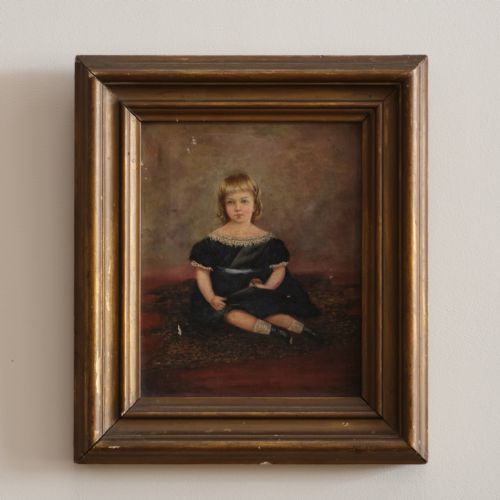
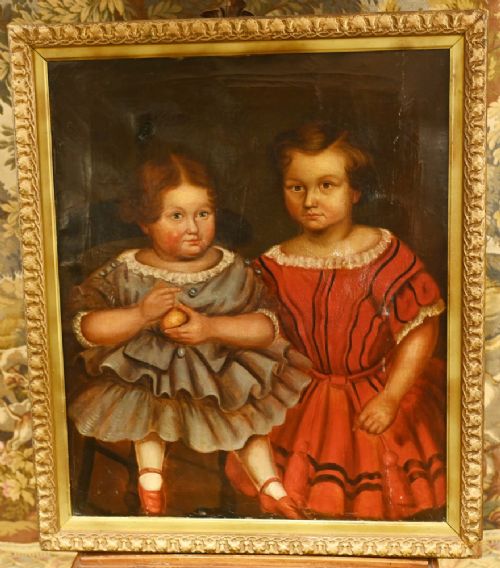
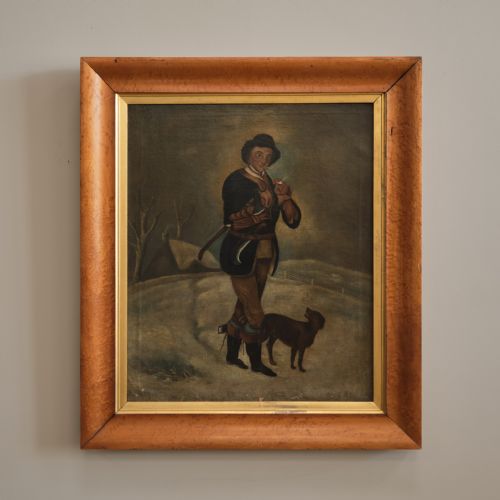
A naive oil portrait presents sitters without the rigid proportions of academic art, focusing instead on direct expression and local character. These works emerge from provincial and folk traditions across the eighteenth, nineteenth, and twentieth centuries. You will encounter depictions of children, gentlemen, and ladies rendered with striking individuality.
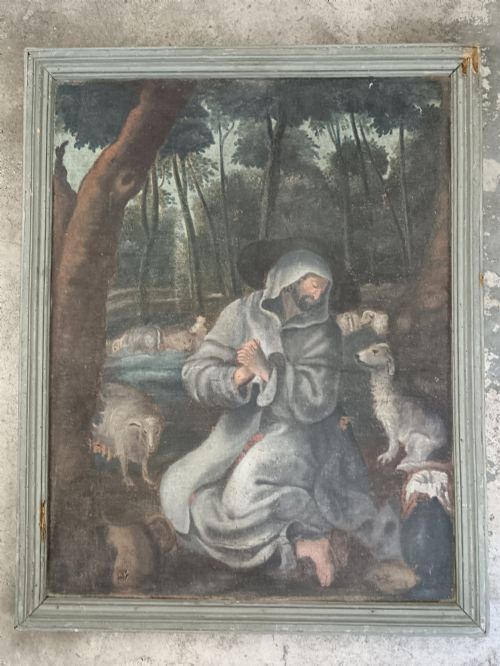
The materials span oil paint applied to canvas, wood panels, board, and occasionally tinplate. Surviving examples reflect British, European, and American provincial schools, often framed in period gilt wood or simple timber moulding.
Materials and construction
Painters used oil paint on woven canvas stretched over wooden frames, or directly onto wooden panels and boards prepared with a simple ground. The medium allowed for rich layering, visible brushwork, and occasional pentimenti where underlying changes remain apparent.
Frames frequently utilise gilt wood or gold leaf, often original to the piece, providing a distinct contrast to the unpretentious surfaces of the provincial paintings themselves.
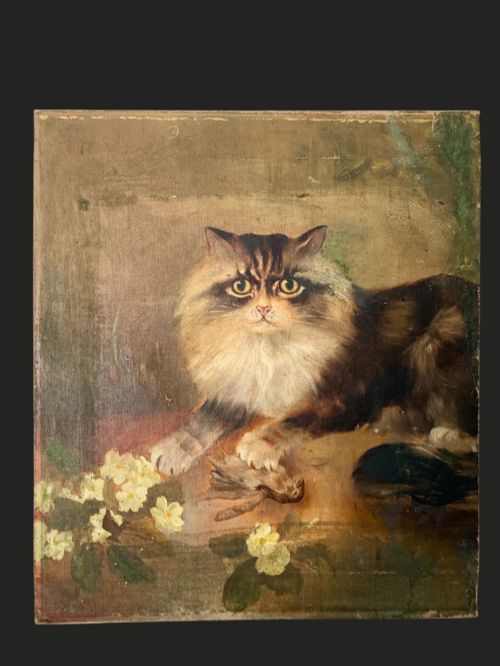
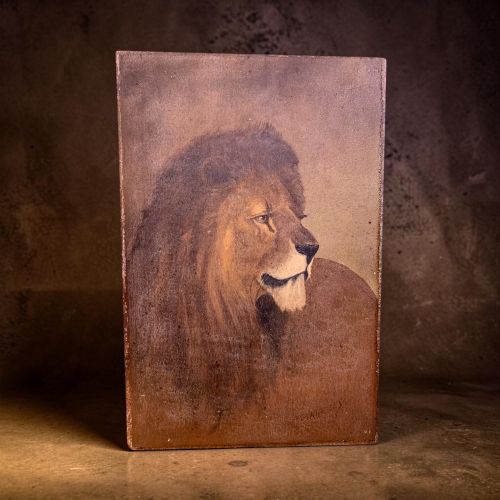
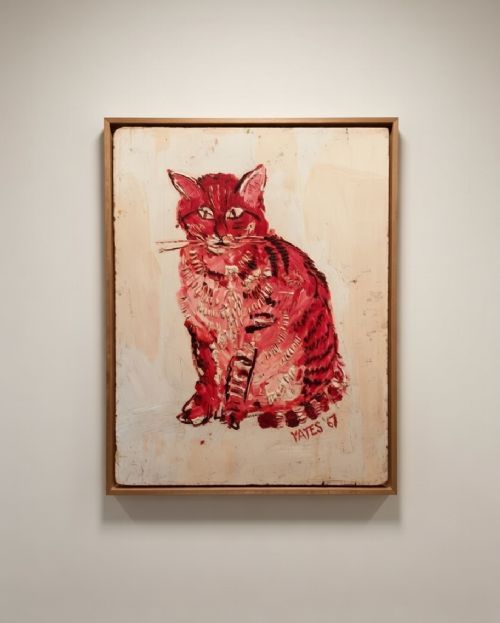
Subjects extend beyond human sitters to include domestic pets, racing pigeons, cattle in stables, and paddle steamers.
Factors of distinction
The strength of a naive oil portrait lies in the boldness of its draughtsmanship and the intensity of the sitter's gaze. Pieces that capture an unmediated personality command greater visual presence than those relying on formulaic repetition.
Condition and originality also govern distinction, particularly the stability of the oil paint layer and whether the canvas retains its original stretcher and period frame.
Fred Yates·E H Windred·J Brown
The Naive Oil Portrait Glossary
- Naive school
- A descriptor for artists lacking formal academic training whose work relies on intuitive perspective and direct observation.
- Oil on canvas
- Pigments bound in a drying oil applied to a woven fabric support, which forms the primary medium for these portraits.
- Pentimento
- An alteration in a painting where previous brushstrokes show through the upper layers of paint, revealing the artist's changes during composition.
- Folk art
- Utilitarian or decorative cultural expression created within a community, encompassing provincial portraits and vernacular paintings.
- Gilt wood
- Timber treated with gold leaf or metallic powder, commonly used for framing antique artworks.
Naive Oil Portrait: Frequently Asked Questions
What is a naive oil portrait?
A naive oil portrait is an artwork painted in oil by an artist without formal academic training. These pieces prioritize expressive character over strict anatomical correctness.
They offer a direct window into historical domestic life through the unvarnished gaze of provincial sitters.
How do I date a naive portrait?
Dating relies on the costume of the sitter, the preparation of the canvas or wood panel, and the framing style. Eighteenth and nineteenth-century examples often display distinct clothing fashions.
Material analysis of the stretcher bars and underlying pigments further refines the period of creation.
Where were these portraits painted?
These works were produced by provincial artists working across Britain, Europe, and America. Local painters travelled or maintained regional practices to serve rural and middle-class patrons.
Their output forms part of broader folk art traditions distinct from metropolitan academies.
How should I display a naive portrait?
Hang these paintings away from direct sunlight and fluctuating humidity to protect the oil paint and canvas. Pairing them with simple period interiors allows their distinct character to stand out.
Ensure the wall fixings securely support the weight of the original timber frame.