


English Country Kitchen Antiques
English country kitchen antiques are domestic furnishings and utensils built from solid timbers like oak and elm to handle daily work in traditional homes.
English Country Kitchen Antiques
When searching for english country kitchen antiques, buyers encounter heavy utilitarian furniture and primitive household items designed for hard daily work rather than formal display. The selection relies heavily on robust tables, functional dressers, and sturdy seating built for domestic service.
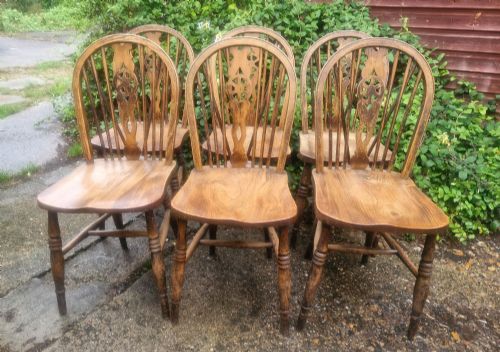
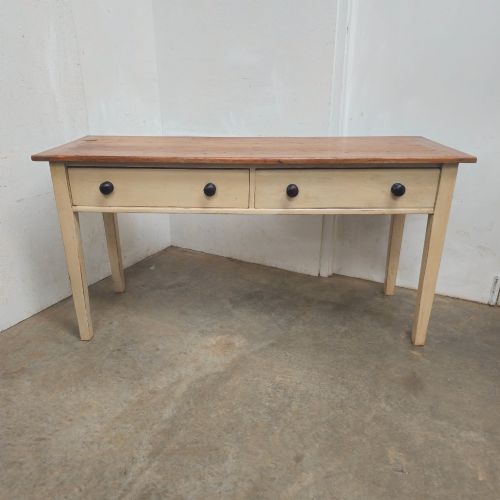
The most common pieces on this page span the eighteenth and nineteenth centuries, with a strong showing of Victorian and Edwardian vernacular items. Dining tables, Windsor chairs, and potboard dresser bases dominate the current listings, reflecting the practical needs of past rural households.
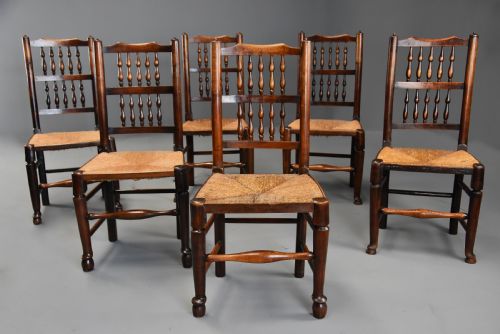
Regional variations appear across different shires, showing distinct turning styles in chair spindles and local preferences for specific timbers. Practical dairy bowls, mortar and pestles, and tea tins supplement the larger furniture items to complete the domestic picture.
How they were made
Makers utilised solid native timbers, combining elm for seats, ash and beech for bent parts, and oak for heavy framing and tabletops. These woods were chosen for strength and availability rather than ornamental grain, though years of waxing brought out a deep natural sheen.
Joinery methods relied on pinned mortise and tenon joints for tables and bases, while Windsor chairs employed socketed spindles and steam-bent hoops. Surfaces often show the marks of hand planes, adzes, and drawknives from the local carpenter or bodger working without factory machinery.
Sycamore dairy bowls bear the faint ghost rings of cream skimming from centuries of country butter production.
What varies in quality
Quality rests upon the integrity of the original construction and the degree of later alteration or replacement parts. Tables with untouched tops and original stretchers command greater respect than those stripped down or heavily rebuilt with modern timber.
The degree of wear on seating determines how well a chair survived its working life, particularly where footings have worn down or spindles have been replaced. Surface texture matters greatly, as honest wax finishes and natural patination distinguish untouched vernacular pieces from over-restored items.
The English Country Kitchen Antiques Glossary
- Potboard dresser base
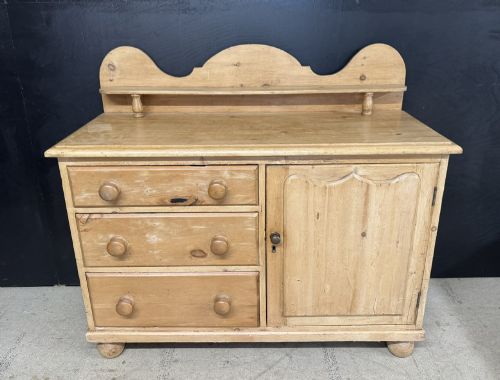
- A low sideboard featuring an open slatted shelf near the floor for storing heavy pots and pans. These substantial oak bases formed the workhorse of the kitchen.
- Windsor chair
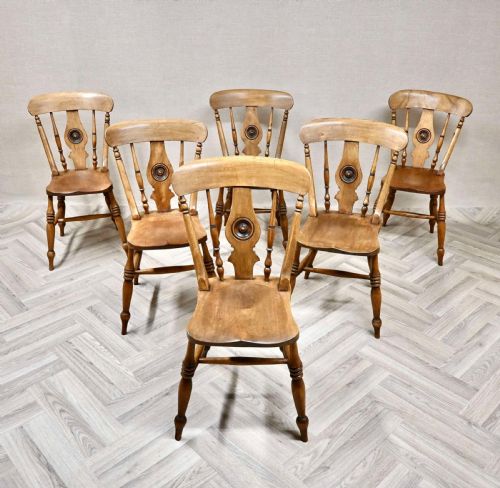
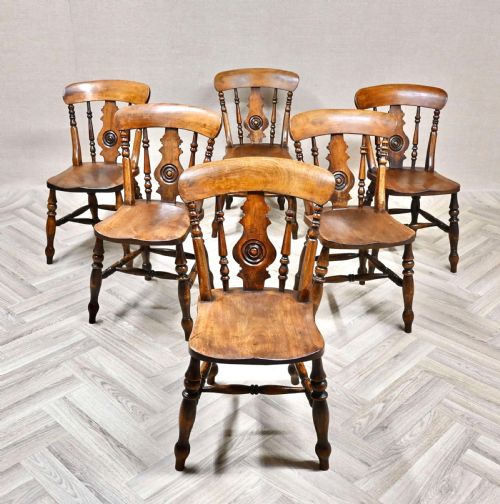
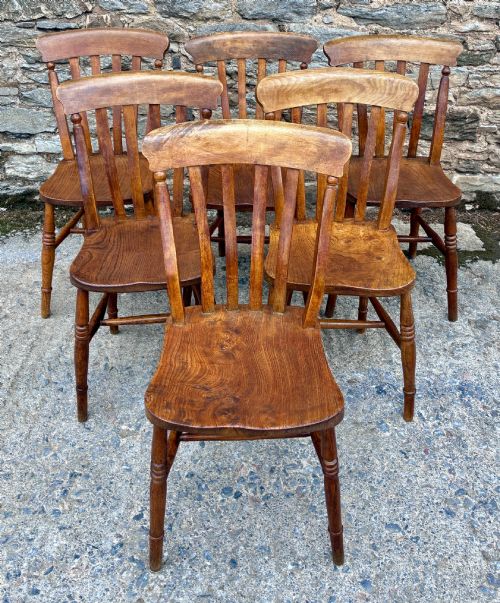
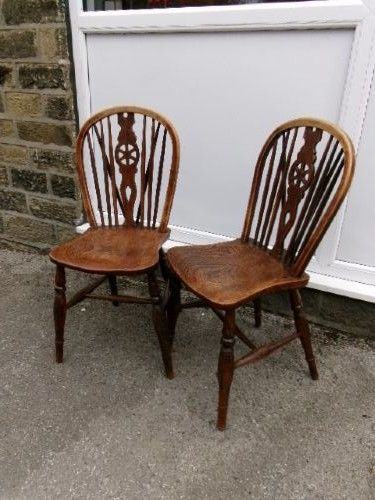
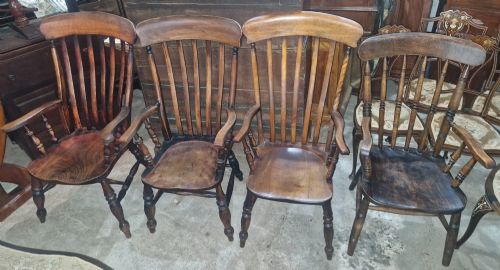
- A wooden seating form with a solid carved wooden seat into which the legs and back spindles are separately socketed. Regional variations include wheel backs and stick backs.
- Refectory table
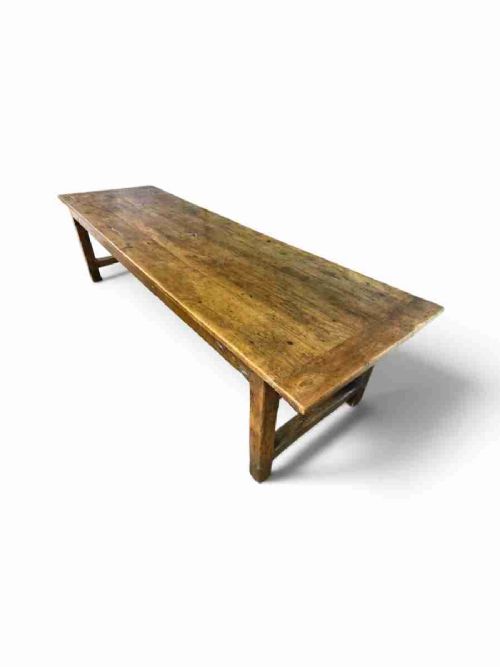
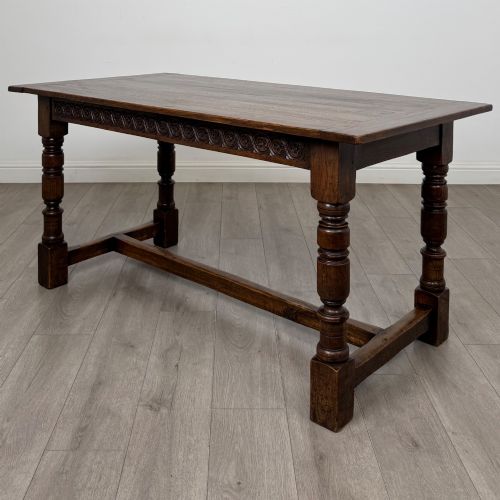
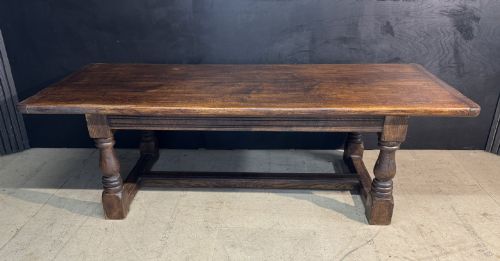
- A long, narrow dining table traditionally built with sturdy stretcher rails to prevent leg wobble on uneven flagstone floors. Elm and oak were standard choices for these heavy tops.
- Dairy bowl
- A shallow vessel turned from sycamore or carved for settling milk and skimming cream in domestic dairies. The dense wood resisted moisture and cracking.
- Toleware
- Tinplate metal items treated with lacquers and painted finishes for kitchen and pantry storage. These practical containers protected dry goods from damp conditions.
English Country Kitchen Antiques: Frequently Asked Questions
How do I date a farmhouse table?
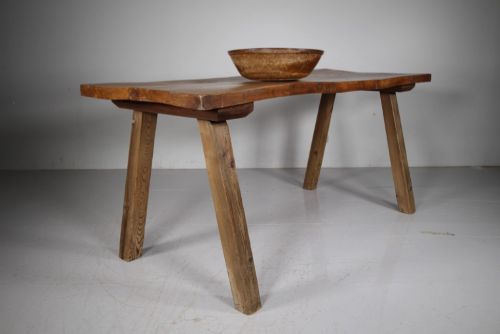
Dating a table involves examining the tool marks on the underside, the type of timber used in the frame, and the method of construction. Hand-sawn boards and pegged joints usually point towards earlier centuries.
Later Victorian and Edwardian examples often feature standardised fixings and machine-cut elements while retaining traditional forms. The presence of repairs and heavy surface wear also helps place the piece within its working history.
Are Windsor chairs comfortable for daily dining?
Windsor chairs feature saddled wooden seats carved to fit the human body, making them surprisingly supportive for long periods. Their sturdy braced construction provides a reliable upright posture.
While they lack upholstery, adding loose cushions makes them practical for modern dining rooms. The flexible ash or beech stick backs absorb movement and provide gentle support.
How should I care for antique pine furniture?
Pine and softwood kitchen furniture responds best to occasional applications of natural beeswax rather than modern chemical polishes. Keeping pieces away from direct heat sources prevents the timber from splitting.
Allowing the wood to breathe maintains the dry waxed surface built up over generations of use. Gentle cleaning with a dry or barely damp cloth preserves the original patination.
What is a potboard base used for?
The lower shelf, or potboard, was originally designed to keep heavy earthenware and copper pots off cold, damp stone floors. This arrangement kept kitchen utensils close to hand while allowing air circulation around the cookware.
In modern homes, these open shelves serve as display space for baskets, ceramics, or heavy books. The deep timber surface provides sturdy structural bracing for the entire sideboard.