


Heavy Metal Spice Grinder
These heavy metal spice grinders combine utility and heft, offering solid bronze and brass construction built to crush aromatics for centuries.
Heavy Metal Spice Grinder
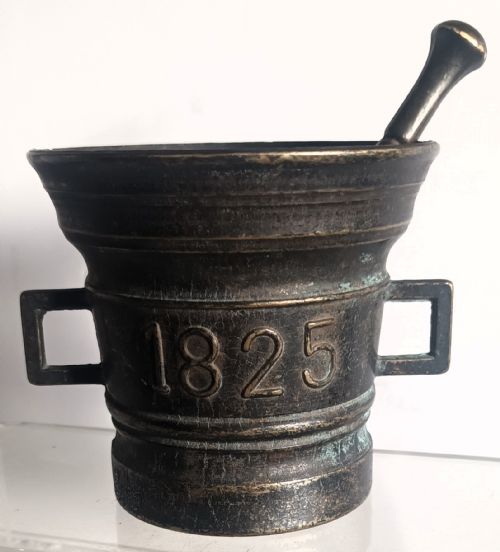
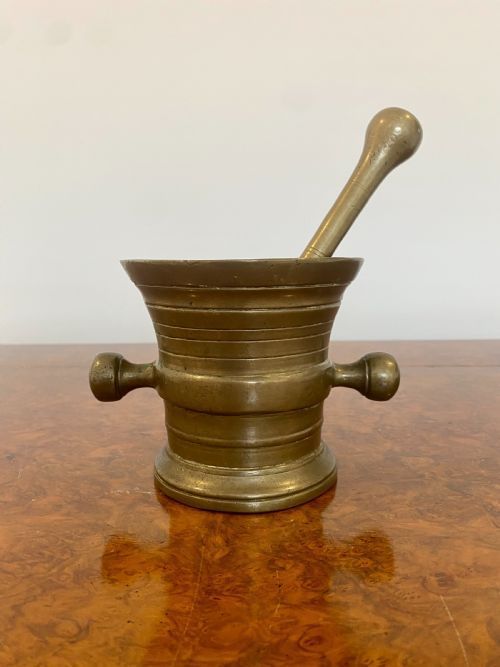
A heavy metal spice grinder typically takes the form of a mortar and pestle, designed for kitchen and apothecary use. You will most frequently encounter English examples formed from solid bronze or brass, dating from the seventeenth, eighteenth, and nineteenth centuries.
The objects serve as functional grinding vessels alongside pestles, spanning utilitarian kitchen equipment to decorative apothecary tools. Formats range from plain utilitarian bowls to decorated specimens reflecting Georgian and Victorian aesthetics.
How they were made
These items rely on casting techniques using durable alloys such as bronze, brass, and bell metal. Molten metal poured into moulds created thick walls capable of withstanding the repeated impact of a matching pestle.
Post-casting work involved smoothing the metal and occasionally adding surface decoration or turned mouldings. Pestles were shaped to match the interior curve of the mortar for efficient crushing.
Current listings span the seventeenth, eighteenth, and nineteenth centuries, featuring both Georgian and Victorian design influences.
What varies in quality
Quality rests in the wall thickness, weight distribution, and the integrity of the alloy casting. Heavier pieces with clean, crisp casting details sit at the upper end of the range.
Surface finish and the presence of deliberate decorative elements distinguish standard kitchen tools from finer apothecary and Indo-Persian examples. The proportion and original matching of pestle to mortar also influence desirability.
The Heavy Metal Spice Grinder Glossary
- Mortar
- The heavy bowl in which substances are crushed or ground. It provides a stable, thick-walled base for the pestle.
- Pestle
- The heavy tool used with a mortar for pounding and grinding materials. Its end matches the interior contour of the bowl.
- Bell metal
- A hard alloy used for casting mortars, consisting chiefly of copper and tin. This specific bronze variant produces a resonant tone when struck.
- Apothecary
- Relating to the preparation and sale of medicines and drugs. These mortars often served chemists for compounding remedies.
- Cast brass
- An alloy of copper and zinc shaped by pouring into a mould. It yields a bright yellow metal finish frequently seen in nineteenth-century items.
Heavy Metal Spice Grinder: Frequently Asked Questions
What are heavy metal spice grinders made from?
These items are constructed from durable alloys including bronze, brass, and bell metal. These materials provided the necessary weight and strength for crushing hard ingredients.
The metal was typically cast in moulds to create thick, solid walls that would not crack under pressure.
How do I date a bronze mortar?
Dating relies on stylistic clues, manufacturing traits, and period-specific forms like Georgian or Victorian designs. Earlier seventeenth-century pieces often show simpler or distinct apothecary formatting compared to later iterations.
Examining the casting texture and any surface decoration helps place the object within its respective century.
Were these used for cooking or medicine?
They served dual purposes in both kitchens and chemist shops. Domestic cooks utilised them for spices, while apothecaries relied on them to compound medicines and remedies.
The sturdy construction made them equally suited to grinding hard roots, seeds, and dried herbs.
Do the pestle and mortar always match?
Many examples survive as complete sets where the pestle shares the metal composition and wear patterns of the mortar. However, due to centuries of use, some pairings are assembled from related periods.
Checking the alloy colour and fit within the bowl helps determine if they originated together.
How do I care for a brass spice grinder?
Maintenance involves gentle cleaning to preserve the natural metal surface and age patina. Avoid harsh chemical cleaners that strip the historic finish.
Keeping the metal dry prevents corrosion and maintains the appearance of the bronze or brass.