




English Country House Storage
English country house storage brings together utilitarian furniture from grand estates, offering honest practicality for daily use.
English Country House Storage
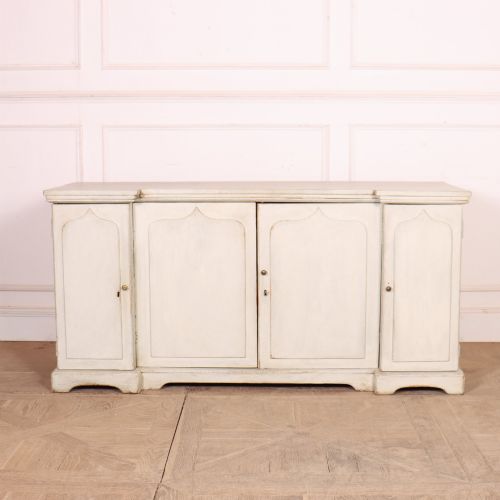
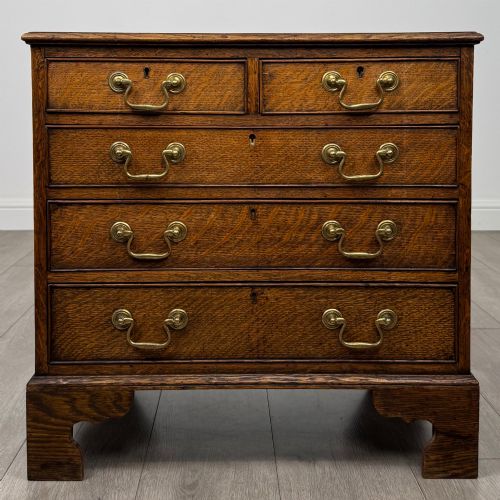
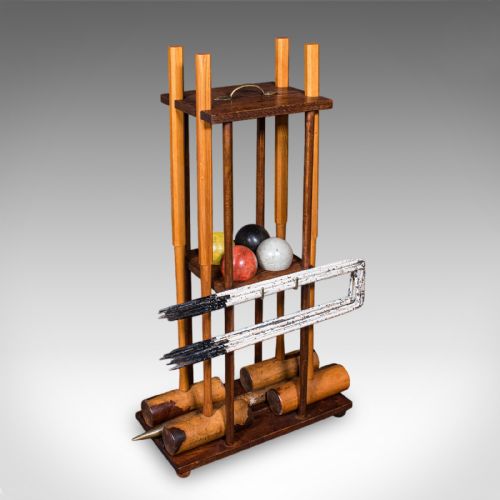
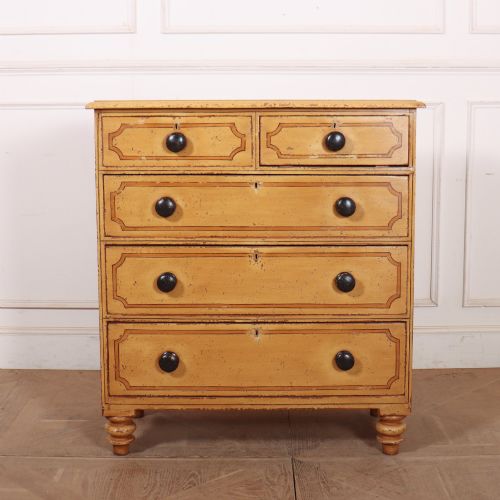
English country house storage encompasses large cupboards, dressers, chests of drawers, and specialised games stands built for rural estates. These pieces range from substantial 18th-century oak housekeepers cupboards to 19th-century painted cabinets and practical sideboards.
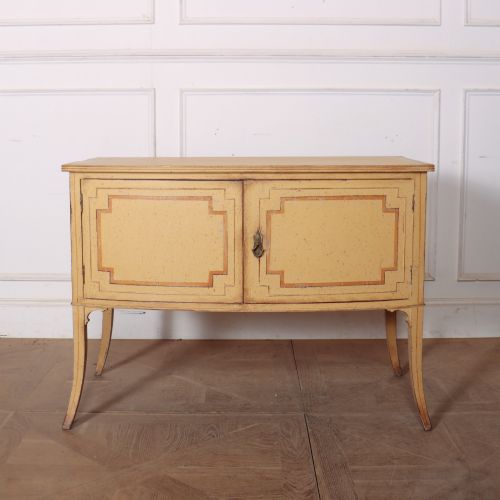
The version most commonly met on this page is the painted kitchen dresser or dresser base from the 19th century, often constructed from pine or oak. Such furniture served working rooms rather than formal reception areas, prioritising capacity over display.
Early examples include Georgian oak coffers and mule chests alongside Victorian Wellington chests and specialised napkin drawers. Each form reflects the specific domestic administration required by large country houses.
Defining Quality in Country House Storage
Quality rests in the survival of original surface finishes, such as untouched scumble paint or early layers of colour, rather than stripped wood. Pieces retaining their primary backboards, interior shelving, and working brass or iron fittings hold greater integrity.
Proportion and structural honesty separate robust utilitarian pieces from later adaptations. Superior examples display thoughtful timber selection, such as figured oak or yew wood, paired with solid drawer linings that demonstrate careful workshop assembly.
Listings feature oak, pine, walnut, and yew wood alongside painted finishes, brass, and iron hardware across the 18th and 19th centuries.
The English Country House Storage Glossary
- Housekeepers cupboard
- A large storage cabinet traditionally used for storing linen, dry goods, and domestic supplies. These pieces often feature upper cupboard doors above banks of drawers.
- Scumble paint
- A decorative paint technique involving translucent glazes dragged or combed over a base coat to simulate finer wood grains. It was frequently utilised on utility furniture in country houses.
- Dresser base
- A low sideboard or table base featuring drawers and cupboards beneath a surface, lacking the enclosed plate rack of a full kitchen dresser.
- Mule chest
- A storage chest fitted with one or more drawers at the base beneath a hinged lid compartment. They bridge the design gap between traditional coffers and modern chests of drawers.
- Breakfront
- A cabinet or dresser facade where the central section projects forward from the flanking wings. This architectural arrangement creates visual depth on large pieces.
English Country House Storage: Frequently Asked Questions
What is a housekeepers cupboard?
A housekeepers cupboard is a large storage piece designed for domestic organisation in country houses.
These cabinets typically combine upper shelving with lower drawers or cupboards to hold household linens and supplies.
Where were these pieces used?
This furniture originated in the working rooms, corridors, and service wings of large English estates.
Pieces like dresser bases and storage benches served kitchens, boot rooms, and housekeeper domains rather than drawing rooms.
How do I date an oak coffer?
Dating relies on construction methods, jointing details, and the evolution of panel mouldings.
Early pieces utilise pegged mortise and tenon joints with hand- cleft oak boards rather than machine-sawn timber.
Can I use a dresser base in a modern kitchen?
Dresser bases provide robust storage and counter space suited to contemporary kitchens.
Their shallow depth and sturdy timber construction allow them to function effectively as sideboards or prep tables.