


English Country House Stands
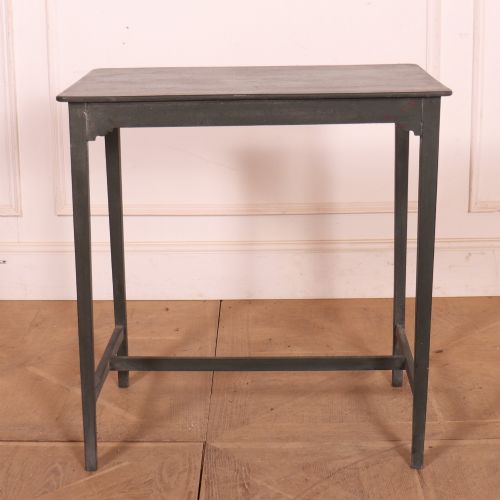
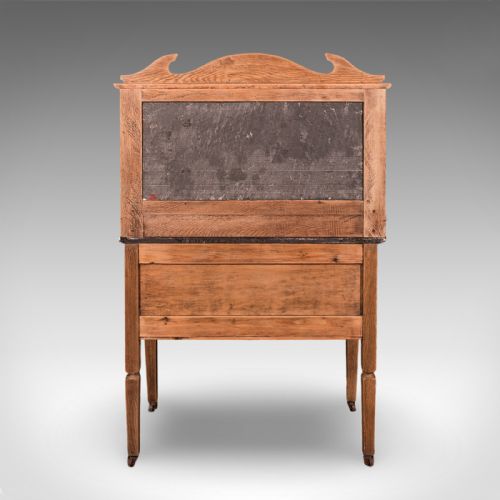
English country house stands encompass utilitarian hall furniture and display pieces built from brass, oak, and mahogany to serve country interiors.
English Country House Stands
English country house stands serve practical purposes in traditional halls and reception rooms, ranging from umbrella racks and boot jacks to display stands and plant holders.
Victorian and Georgian periods dominate the selection, offering robust items constructed from oak, mahogany, and pine alongside brass and iron examples.
Hall furniture and display pieces often feature functional divisions, such as multiple compartments for walking sticks or brass mounts for durability.
Construction and Materials
Craftsmen utilised solid hardwoods like oak, mahogany, and walnut, frequently combining them with brass mounts, copper banding, or iron frames for structural strength.
Joinery methods varied from coopered staves in cylindrical stick loops to traditional panel construction in washstands and bookcases.
Surfaces received polish, paint, or simple wax finishes to protect the timber against daily wear in busy entrances.
Listings feature 19th Century, Victorian, Georgian, and Edwardian periods utilising oak, mahogany, brass, pine, and iron.
Evaluating the Pieces
Selection of timber grades and the weight of secondary metals determine the foundational quality, separating heavy brass-mounted pieces from lighter pine alternatives.
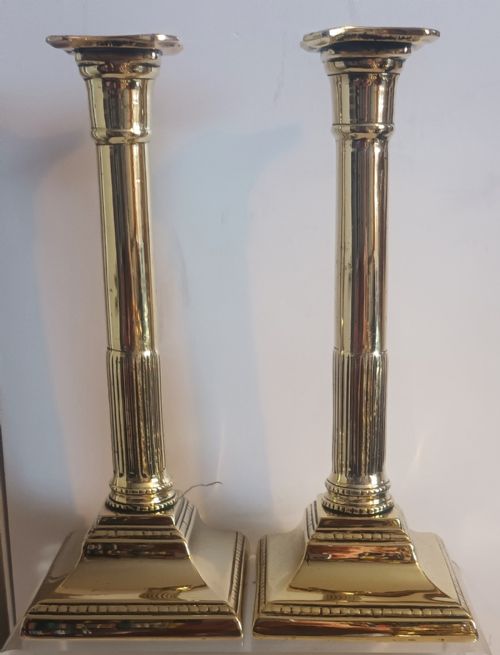
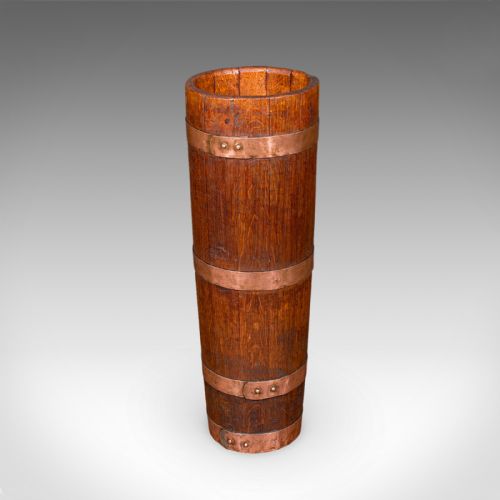
The sophistication of the joinery and hardware, such as telescopic mechanisms in candlesticks or coopered staves in umbrella stands, indicates workshop standards.
Proportion and utility balance define the best examples, where practical hallway requirements met refined domestic design.
William Harley·John Emms
The English Country House Stands Glossary
- Coopered
- Constructed from curved wooden staves bound with metal hoops, traditionally used for buckets and cylindrical umbrella stands.
- Paktong
- A copper-nickel-zinc alloy resembling silver, frequently utilised for Georgian candlesticks and decorative metalware.
- Canterbury
- A compartmentalized stand designed for holding sheet music, folios, or magazines, often featuring low legs and castors.
- Torchiere
- A tall stand or pedestal intended to support a lamp, candle, or decorative bust in a reception room.
- Boot jack
- A V-shaped device designed for holding the heel of a boot to allow the wearer to pull their foot free easily.
English Country House Stands: Frequently Asked Questions
What is a country house stand?
These pieces comprise functional hallway and reception room furnishings built to hold umbrellas, boots, folios, or display items.
Originating largely in the Georgian, Victorian, and Edwardian eras, they utilise durable woods and metals suited to heavy domestic use.
How were umbrella stands used?
Umbrella and stick stands sat in entrance halls to hold wet walking gear, damp umbrellas, and riding crops.
Divided compartments and metal drip trays kept water away from timber floors and adjacent walls.
Where should I place a stand?
Hallways and reception rooms provide natural settings for umbrella racks, boot jacks, and display pedestals.
Placing them near entrances maintains their original function while anchoring traditional interior schemes.
How do I date a stand?
Dating relies on identifying timber types, construction methods, and hardware styles associated with specific periods.
Georgian pieces often display refined mahogany proportions, while Victorian items favour heavier oak and robust brass mounts.