






English Country House Furniture
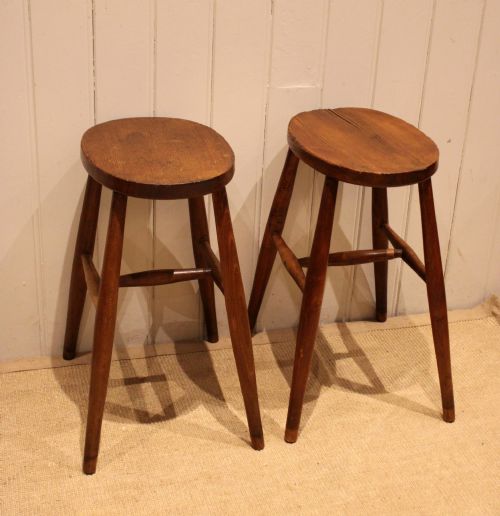
English country house furniture brings together practical utilitarian pieces and comfortable seating shaped by generations of domestic use.
English Country House Furniture
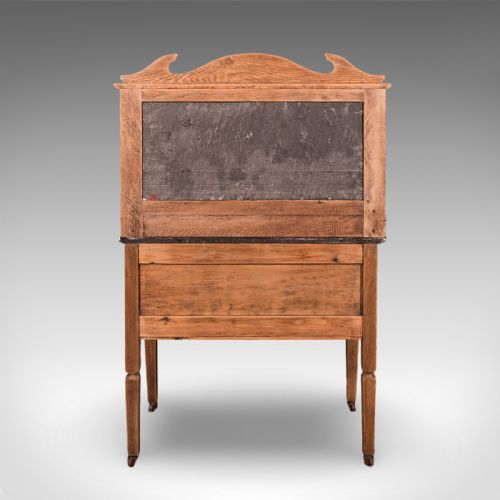
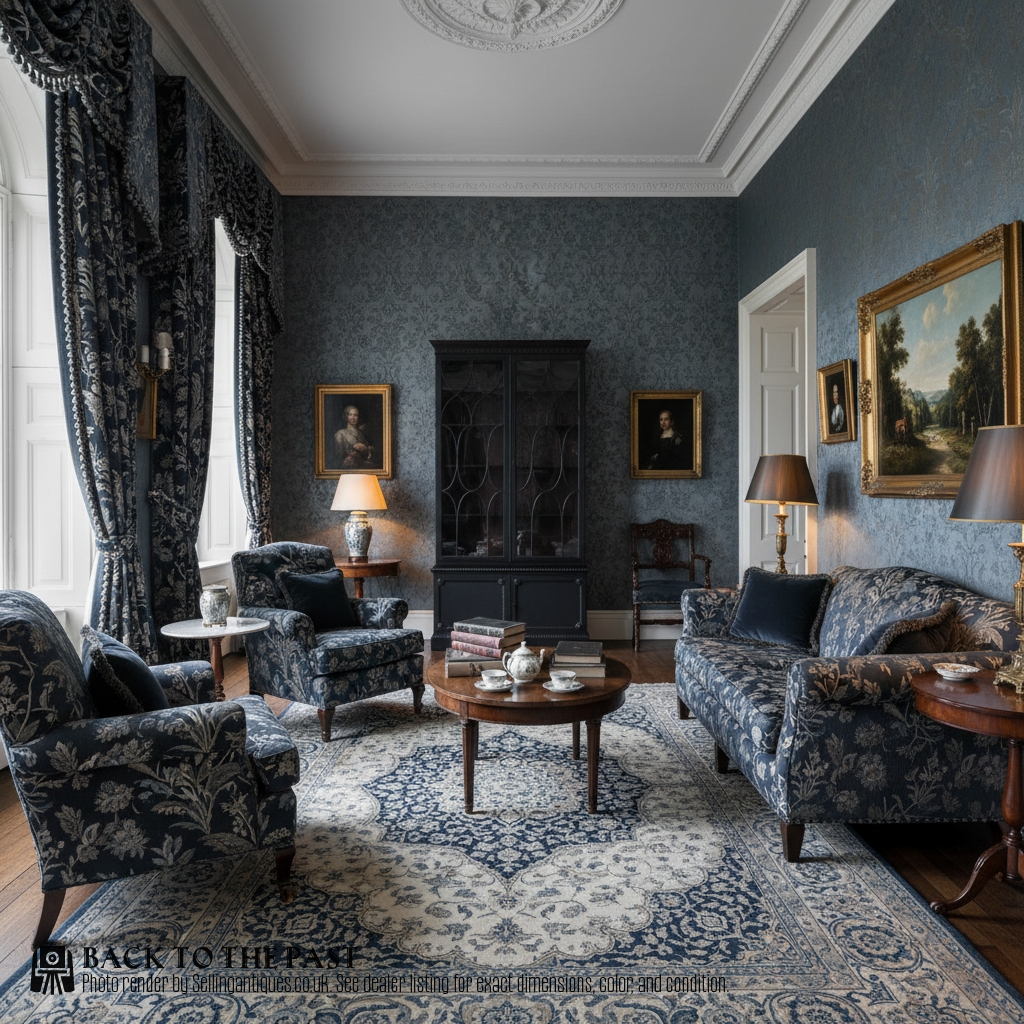
English country house furniture encompasses a diverse mix of utilitarian storage, seating, and tables originating from domestic interiors over several centuries. Buyers seeking these items will find pieces ranging from sturdy oak dressers and bureaux to upholstered armchairs and occasional tables.
The selections span multiple eras, drawing heavily upon 18th-century and 19th-century craftsmanship alongside Georgian, Victorian, and Edwardian examples. Common forms include kitchen dressers, chests of drawers, bookcases, and benches built for practical daily utility.
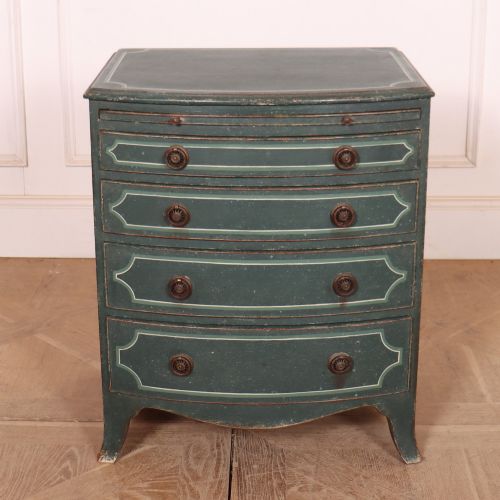
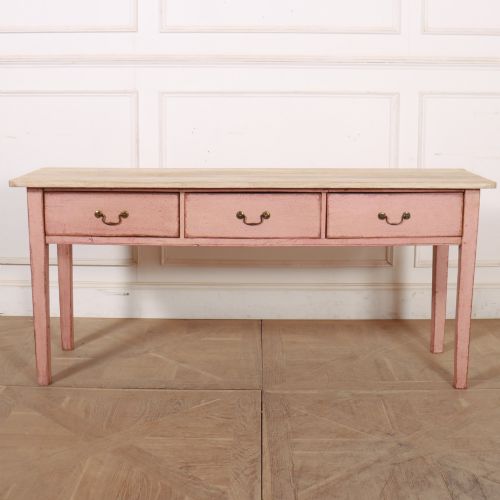
Many items display regional variations and functional adaptations suited to rural estates, rectories, and manor houses. Painted finishes, scumble paint, and natural hardwoods define the aesthetic found across these listings.
Materials and construction methods
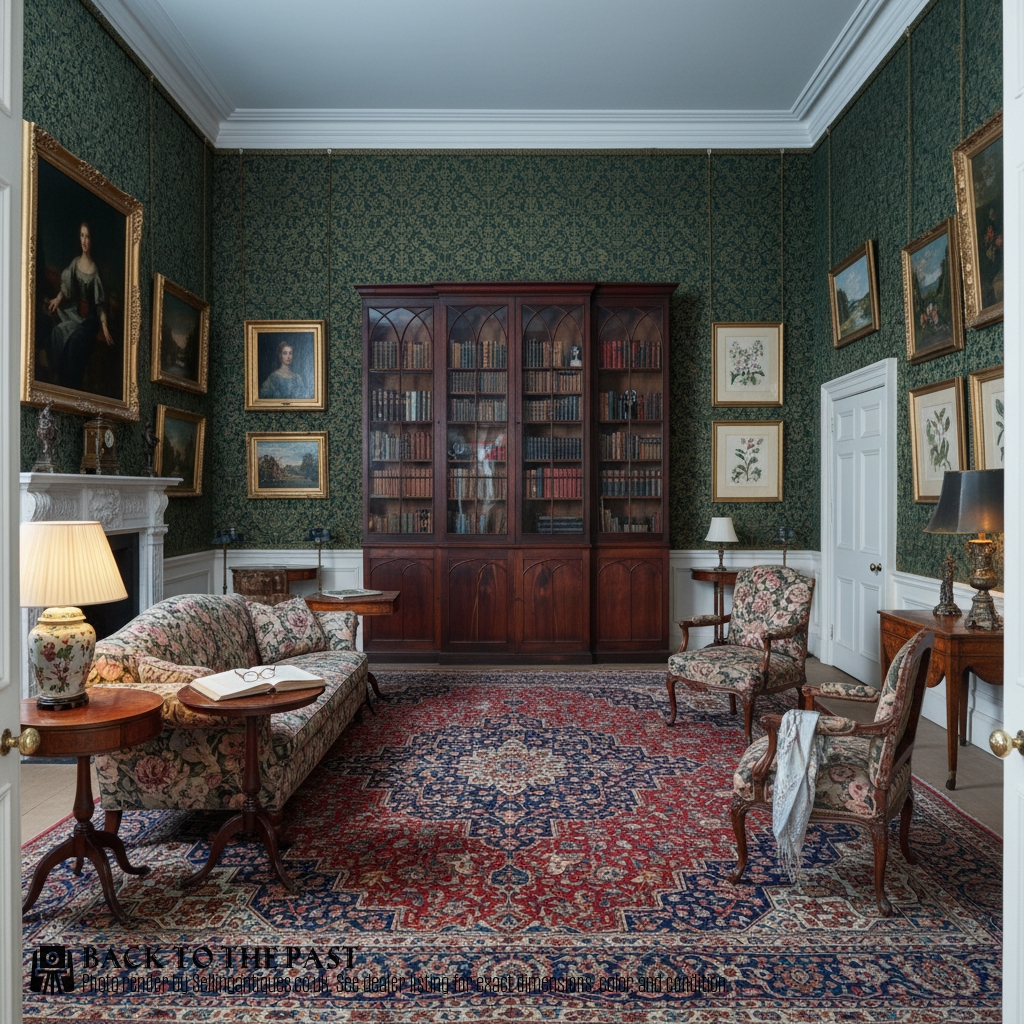
Carpenters and joiners utilised native timbers such as oak, elm, pine, mahogany, and walnut, often pairing softer woods with fruitwood inlay or painted surfaces. Construction relied upon traditional joinery techniques appropriate to the period, from pegged mortise and tenon joints in earlier oak pieces to later mahogany and walnut framing.
Surface treatments range from waxed natural grain and leather inserts to applied paint finishes, including original country house scumble paint and black painted surfaces. Structural hardware frequently incorporates brass fittings, while upholstery employs traditional stuffing and lining methods seen in sofas and armchairs.
English Country House Furniture Retail Price Guide 2026
Typical asking prices for english country house furniture among the pieces listed under this phrase on Sellingantiques today, from the lower quarter to the upper quarter. They describe what is for sale here now, not the wider market.
Listings feature items spanning from the 17th century through the Edwardian era, constructed in oak, mahogany, pine, elm, and walnut.
Evaluating quality and proportion
Quality in these pieces rests upon the integrity of the timber, the retention of original surfaces, and the harmony of proportion. Examples retaining undisturbed paint finishes or authentic hardware command particular attention from collectors.
Construction soundness, such as the stability of joints in tables and the structural support of upholstered seating, marks the distinction between everyday utilitarian items and finer examples. Honest wear accumulated through decades of domestic use adds character without compromising the underlying strength of the piece.
Howard and Sons
The English Country House Furniture Glossary
- Scumble paint
- A decorative paint technique involving translucent glazes manipulated to imitate the grain of more expensive woods or to create mottled patterns.
- Dumb waiter
- A multi-tiered serving table designed to hold dishes and glasses without requiring a servant to stand at the table.
- Pig bench
- A low wooden bench traditionally used in rural farmhouses, repurposed over time for domestic seating or as a coffee table.
- Cricket table
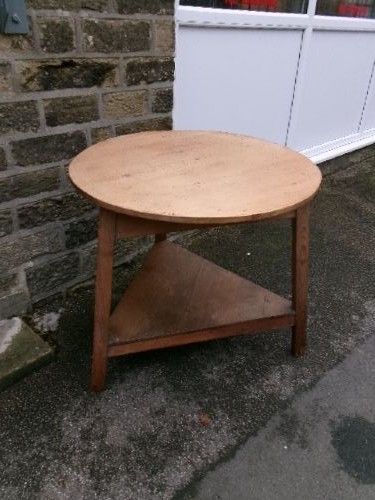
- A small, lightweight occasional table typically featuring three splayed legs and a round top, designed for uneven floors.
- Bureau
- A sloping desk hinged to open downward over a set of drawers, providing a compact writing surface.
English Country House Furniture: Frequently Asked Questions
What defines English country house furniture?
These pieces originate from historic domestic interiors, combining functional utility with regional craftsmanship across centuries of British design. They reflect a pragmatic approach to daily living combined with comfortable, enduring materials.
Items range from plain oak storage benches and kitchen dressers to upholstered seating and mahogany occasional tables. Their appeal lies in honest construction and patination gathered through generations of use.
How do I care for antique wooden furniture?
Wooden surfaces benefit from occasional waxing with traditional beeswax to maintain moisture and protect the grain from drying out. Keep pieces away from direct heat sources and strong sunlight to prevent warping and fading.
Avoid using modern chemical polishes that can build up and dull the finish over time. Gentle dusting with a soft, dry cloth preserves the historical surface patination.
How can I tell the period of a piece?
Dating relies upon examining construction methods, timber choices, and secondary woods used in drawers and internal framing. Earlier 17th-century and 18th-century pieces often display hand-cut joinery and pegged construction, while 19th-century examples incorporate machine-sawn elements.
Stylistic cues such as hardware, leg shapes, and paint finishes also offer reliable indicators of origin. Comparing the construction details to known dated examples helps narrow the era.
Were these pieces made for wealthy estates?
Some items served grand country house libraries and reception rooms, while others fulfilled utilitarian roles in estate kitchens, sculleries, and farmhouses. This blending of formal and vernacular styles creates the eclectic look associated with historic English interiors.
Owners often mixed fine mahogany furniture with sturdy local elm and pine pieces acquired over generations. This pragmatic accumulation defined the authentic country house aesthetic.