




English Country House Bench
An english country house bench brings effortless vernacular charm and lived-in comfort to a room, offering both practical seating and timeless character.
English Country House Bench
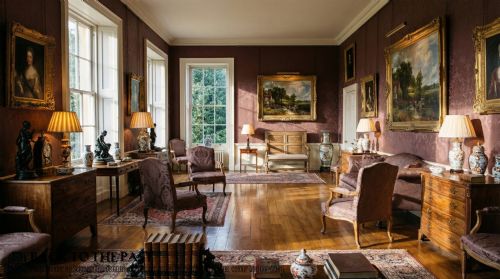
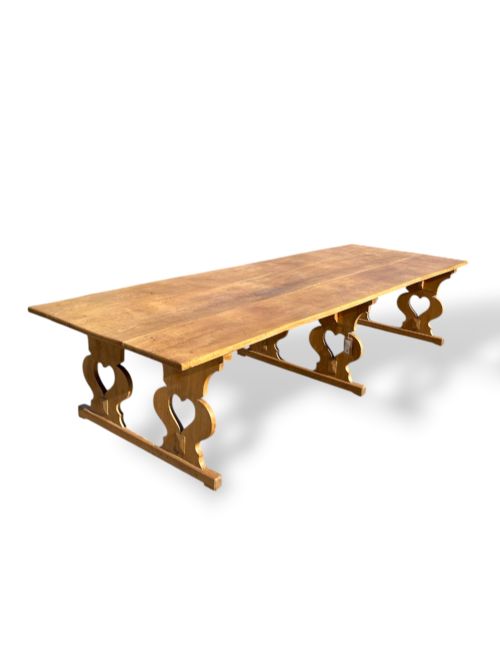
When you search for an english country house bench, you encounter seating and furnishings shaped by traditional English domestic life. The selection spans robust oak coffee tables, painted storage benches, and club fenders derived from country house interiors.
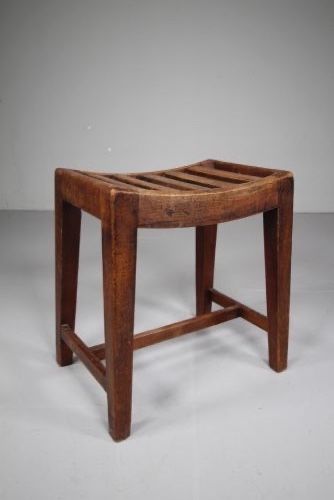
The pieces appearing here lean heavily into nineteenth-century craftsmanship, alongside specific examples from the eighteenth and twentieth centuries. Forms vary from simple wooden slats to upholstered leather and fabric designs intended for daily use.
How they were made
Makers relied on durable timbers such as oak, mahogany, yew wood, and gilty woods to build sturdy frames capable of withstanding generations of use. These woods were frequently shaped, painted, or left with natural finishes suited to country interiors.
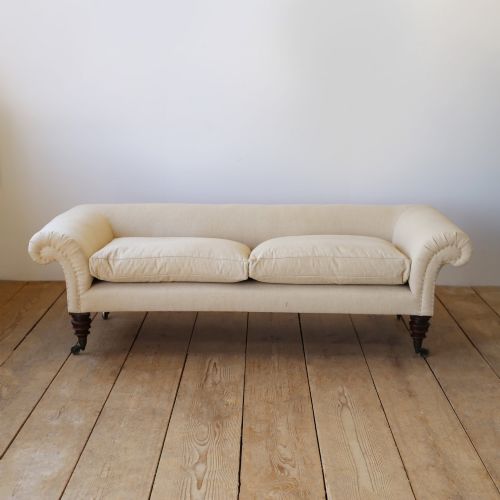
Upholstery played an important role in comfort, utilising leather, linen, and traditional fabric over sturdy padding. Metal elements like brass and steel also appear, particularly in heavy club fenders designed for hearthside warmth.
English Country House Bench Retail Price Guide 2026
Typical asking prices for english country house bench among the pieces listed under this phrase on Sellingantiques today, from the lower quarter to the upper quarter. They describe what is for sale here now, not the wider market.
The listings span multiple decades from the eighteenth century through to the mid-twentieth century, featuring oak, mahogany, and leather.
What varies in quality
Quality rests in the selection of timber and the integrity of the joinery, distinguishing utilitarian items from finer estate furnishings. Pieces featuring substantial hardwoods and careful proportions command greater attention.
The sophistication of the upholstery and the retention of original painted or polished surfaces dictate the overall character. Finer examples maintain their structural firmness while showing honest patination from long use.
The English Country House Bench Glossary
- Club fender
- A low, padded hearth seat built with a metal frame, traditionally used for sitting close to the fire. These typically incorporate brass or steel bases with leather upholstery.
- Chaise lounge
- An upholstered long chair designed for reclining, featuring a backrest at one end. Examples in this tradition often combine classic wooden frames with generous padding.
- Giltwood
- Timber treated with gold leaf or gold paint to create a decorative surface. This finish adds a touch of formality to country house furniture.
- Yew wood
- A dense, highly figured native timber prized for its rich colour and durability. Cabinet makers utilised it for distinctive occasional and luggage pieces.
English Country House Bench: Frequently Asked Questions
What is an english country house bench?
An english country house bench encompasses vernacular seating and functional household furniture rooted in traditional British estates. These items range from sturdy wooden forms to upholstered storage pieces designed for utility and comfort.
They reflect the relaxed yet enduring aesthetic of historic country homes, utilising materials like oak, mahogany, and leather to withstand daily domestic life.
How do I use a club fender?
A club fender serves as a combined fireside seat and protective barrier around an open fireplace. The padded top provides convenient seating close to the warmth.
In a modern interior, you can place a club fender around a fireplace or repurpose it as a low room divider in a spacious study or living area.
What woods are typical for these pieces?
Common timbers include English oak, rich mahogany, and figured yew wood. These materials provided the structural strength needed for heavy household use.
Over time, these woods develop a deep, warm patina that highlights the natural grain and age of the furniture.
How do I date a nineteenth century piece?
Dating relies on observing construction methods, joinery techniques, and the specific material fashion of the era. Nineteenth-century items often show hand-finished details combined with early industrial hardware.
Comparing the secondary woods and upholstery style against documented period examples helps confirm the approximate decade of manufacture.