



English Country China
English country china brings warmth and rustic charm to a room, offering practical tableware and display pieces shaped by centuries of tradition.
English Country China
When you search for english country china, you enter a diverse field of utilitarian and decorative ceramics spanning the eighteenth and nineteenth centuries. The selections on this page concentrate on serving platters, comports, and decorative plates that reflect regional English tastes and domestic life.
The objects take various forms, including transferware plates and ironstone comports, associated with periods like the Georgian and Victorian eras. These items served functional roles in country houses and rural kitchens before finding a place in modern interiors as display objects.
How they were made
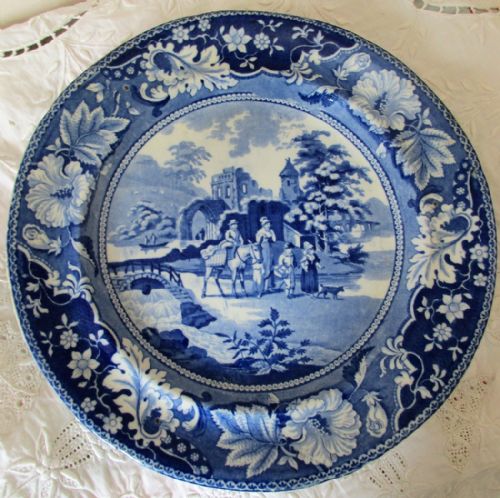
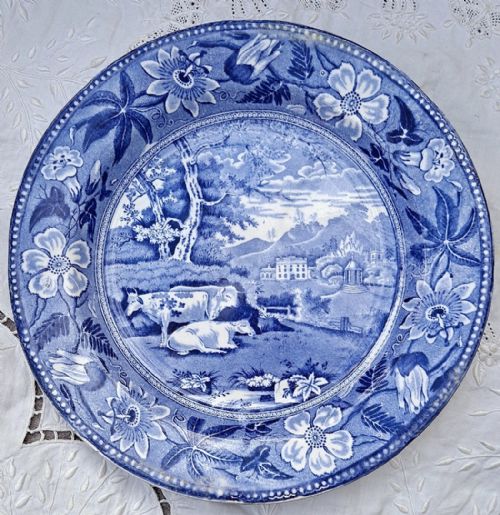
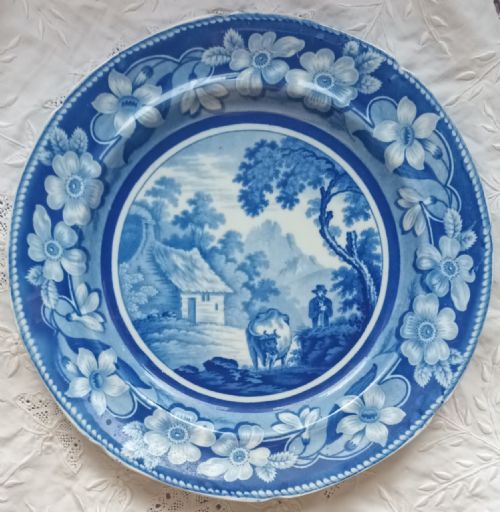
Potters utilised earthenware and ironstone bodies, coated in rich glaze to create durable surfaces suitable for daily use. Blue and white transfer printing dominated the decoration, alongside hand-painted polychrome details applied by skilled decorators in Staffordshire and beyond.
Makers shaped these plates and comports using traditional moulding and pressing techniques before subjecting them to multiple kiln firings. The resulting ceramic bodies demonstrate the robust construction characteristic of nineteenth-century production.
English Country China Retail Price Guide 2026
Typical asking prices for english country china among the pieces listed under this phrase on Sellingantiques today, from the lower quarter to the upper quarter. They describe what is for sale here now, not the wider market.
Early country diners returned home to plates depicting romantic scenes while cows wandered past.
What varies in quality
Quality in these ceramics rests primarily on the clarity of the printed transfer and the precision of any hand-applied paint. Pieces displaying crisp pattern registration and a smooth, even glaze represent the higher tier of production.
The reputation of the pottery also influences desirability, with works from established manufacturers showing superior body refinement and glaze stability. The depth of colour in blue and white patterns further distinguishes standard commercial output from finer examples.
Hicks, Meigh And Johnson·Mason·Minton·John Davenport·Spode
The English Country China Glossary
- Transferware
- A pottery decoration technique where an engraved copper plate prints a design onto tissue paper, which is then transferred onto the unglazed ceramic body before firing. This method allowed for intricate blue and white patterns to be produced consistently.
- Ironstone
- A type of durable earthenware patented in the nineteenth century that mimics porcelain in strength and appearance. It forms a heavy, robust body ideal for everyday domestic tableware.
- Comport
- A raised dish or bowl used for serving fruit, sweets, or small cakes at the dining table. These elevated vessels often feature decorative footed bases.
- Earthenware
- Porous pottery fired at lower temperatures than stoneware or porcelain, requiring a vitreous glaze to render it waterproof. It forms the base material for much of traditional country china.
English Country China: Frequently Asked Questions
What is english country china?
English country china encompasses utilitarian and decorative ceramics produced in England during the eighteenth and nineteenth centuries. These items reflect traditional domestic life and rural aesthetics.
The category includes plates, platters, and comports created by prominent potteries and regional makers, featuring distinct transfer-printed and painted designs.
How were these plates used?
These ceramic pieces served functional roles in dining and food preparation across English households. Serving platters and comports held food for the table, while decorative plates adorned walls and dressers.
Over time, many of these domestic objects transitioned into collectible display pieces valued for their historical associations and regional patterns.
How do I date these pieces?
Dating relies on maker marks, ceramic body composition, and stylistic evidence from the period. Transfer-printed patterns often carry registry diamond marks or maker stamps on the reverse.
Comparing the glaze characteristics and manufacturing techniques with known examples helps place a piece within the Georgian or Victorian eras.