

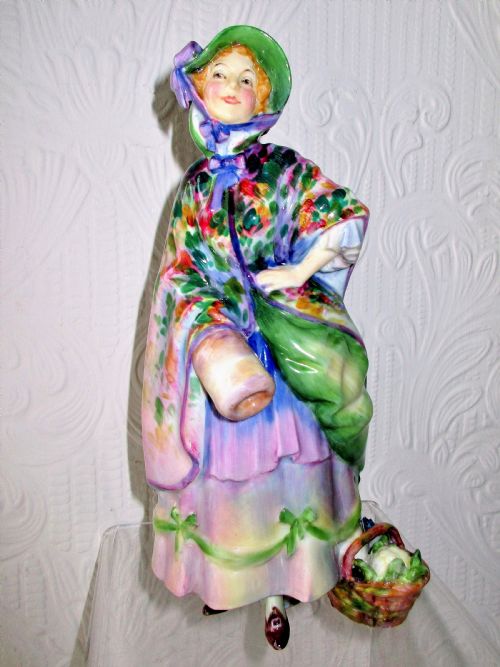
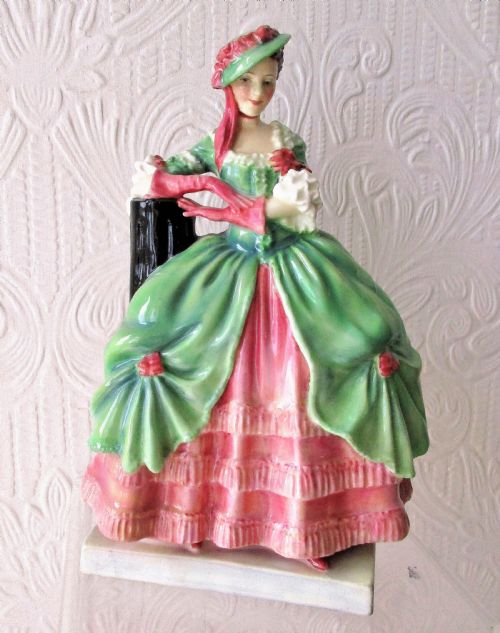
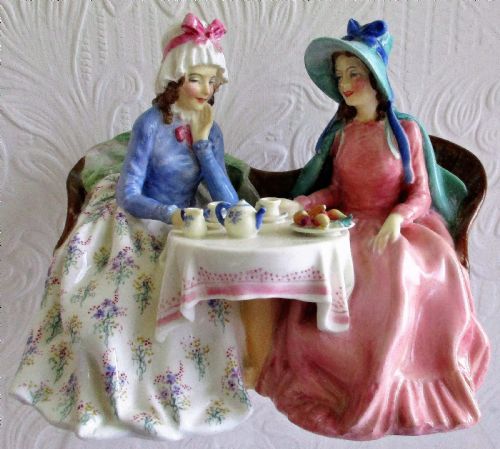
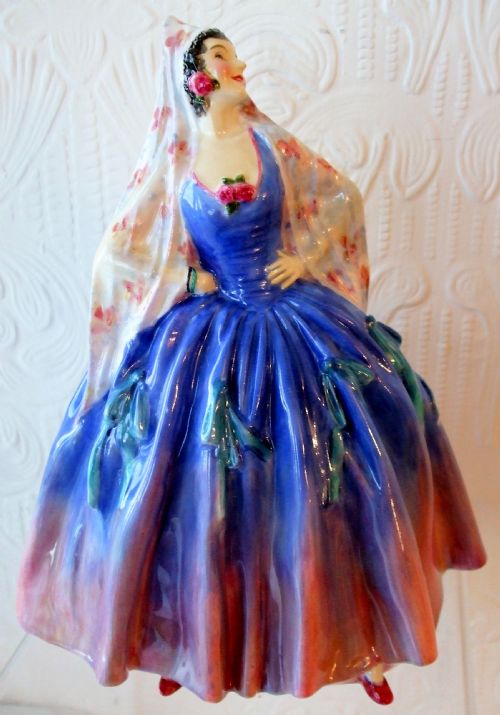
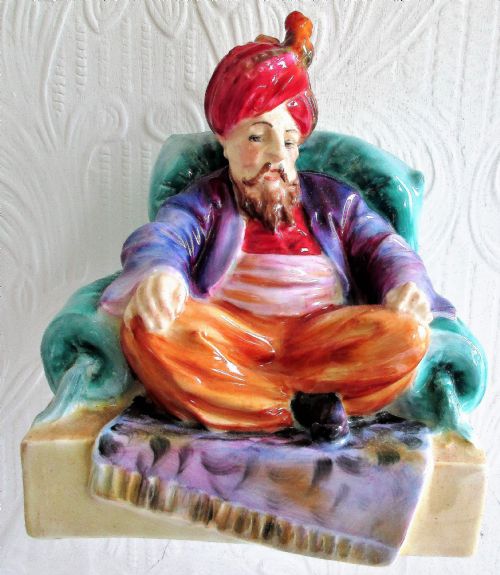
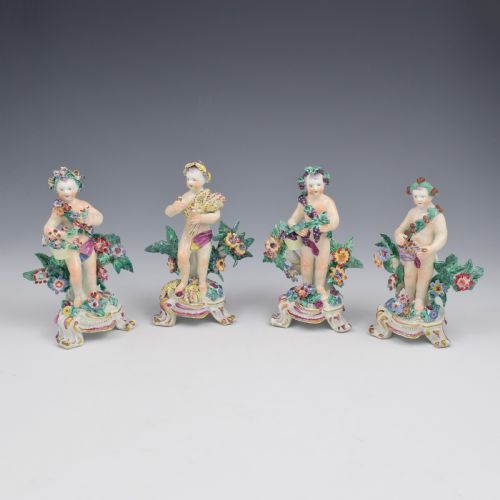

English China Figurine
An english china figurine brings historical characters and allegorical subjects to life in porcelain, offering collectors a tangible link to centuries of domestic display.
English China Figurine
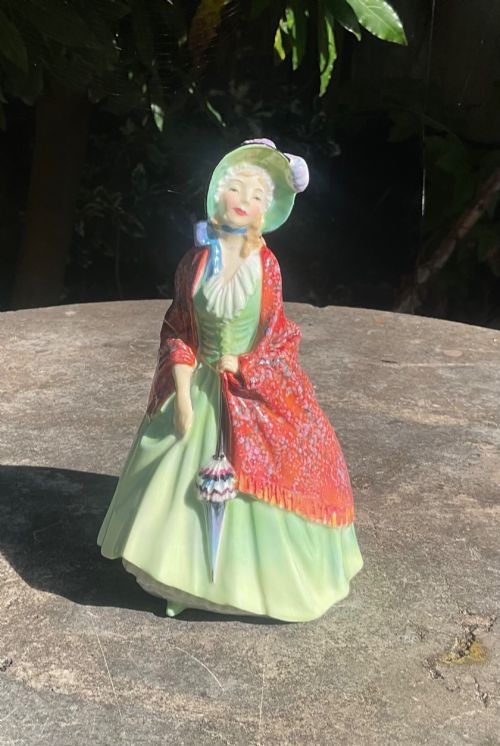
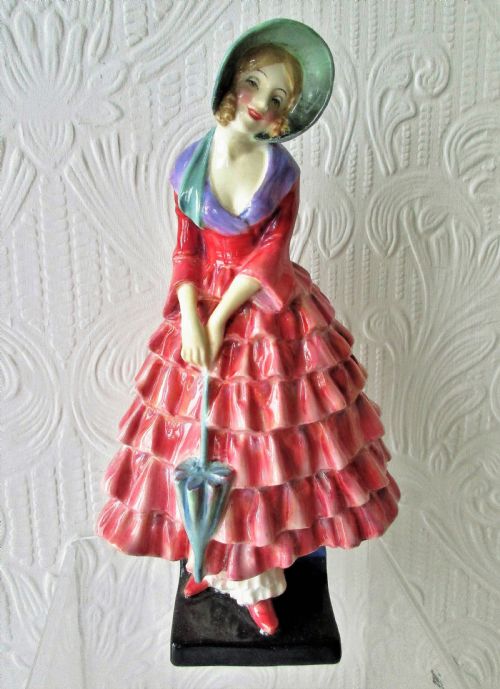
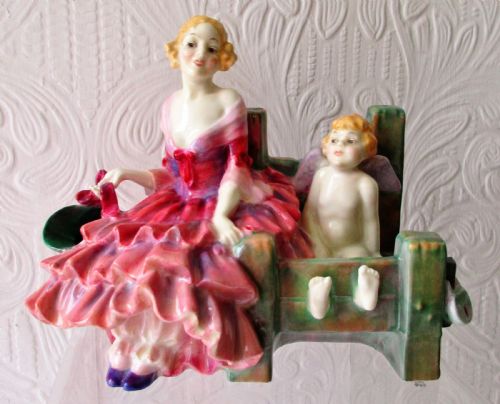
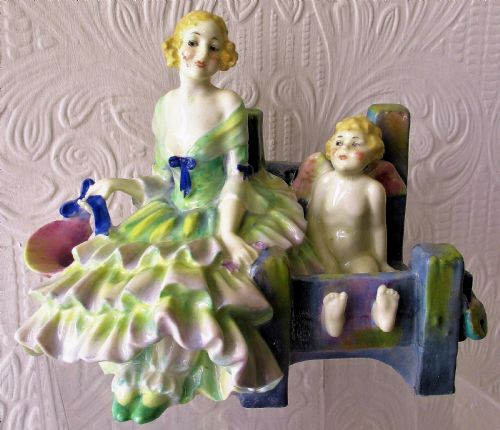
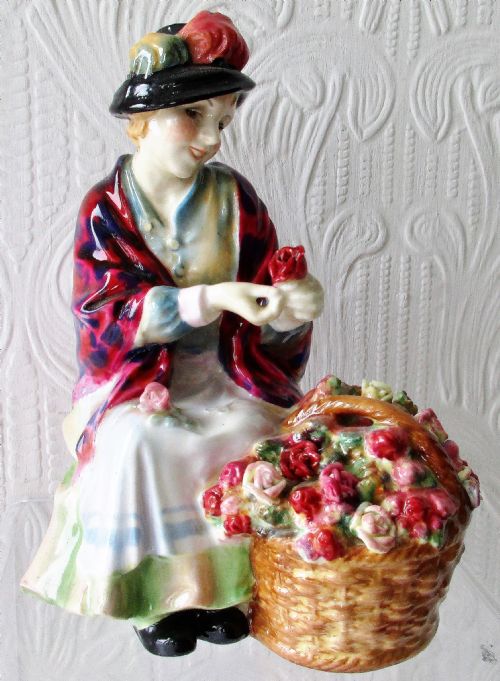
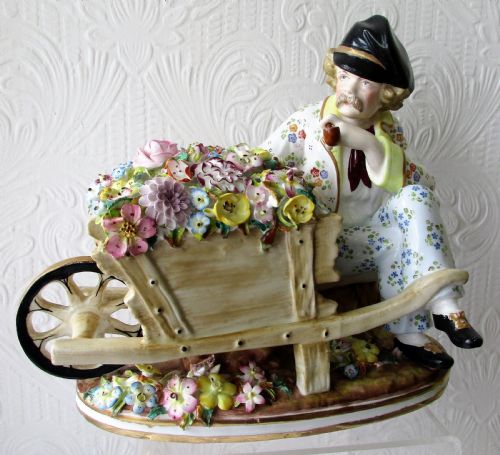
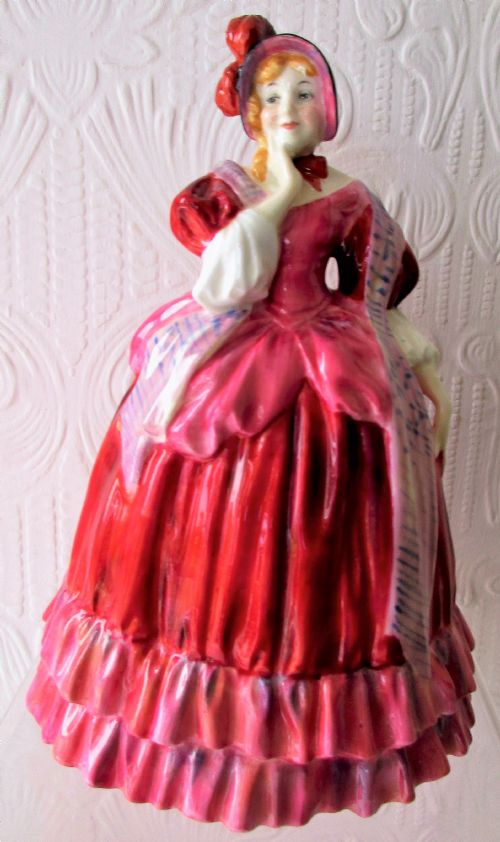
The search for an english china figurine spans eras from eighteenth-century soft-paste allegorical groups to twentieth-century bone china character studies. Buyers encounter figures depicting classical deities, literary personages, street vendors, and animals produced by historic factories.
Eighteenth-century examples often present allegories of the seasons, continents, or elements in the form of putti or rustic figures. Nineteenth-century and later pieces lean towards named characters, genre scenes, and decorative subjects modelled with distinct period dress and posture.
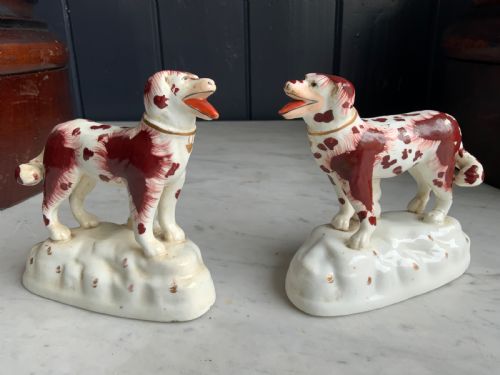
The selection ranges from early Bow and Derby productions to Victorian Staffordshire spaniels and mid-century Royal Doulton character studies. Each period brings its own characteristic palette, modelling style, and material composition to the figurine tradition.
Materials and production methods
Makers utilised soft-paste porcelain, bone china, and porcelain bodies shaped through moulding or hand-modelling. Early works relied on soft-paste recipes containing glass frit and white clay, which created a warm, translucent body under the glaze.
Details received hand-painted enamels, gilding with gold leaf, and transparent glazes fired in kilns to fix the colours. Figures often incorporated applied floral elements and moulded scrollwork typical of Rococo and Georgian aesthetics.
Listings span periods from the mid-eighteenth century to the mid-twentieth century, employing bone china, porcelain, and enamel.
Distinctions in quality
Excellence rests upon the crispness of the modelling, where facial expressions, fingers, and drapery remain sharply defined rather than softened by worn moulds. Superior pieces display precise hand-painting in the enamel colours and controlled application of gilding.
Early eighteenth-century figures command attention for the spontaneous artistry of their hand-modelling and the subtle variation in their pastel hues. Later factory productions achieve uniformity through refined bone china bodies and standardised casting techniques.
Royal Doulton·Bow Porcelain·Derby Porcelain·Royal Worcester·Minton·Chelsea Porcelain·John Bevington
The English China Figurine Glossary
- Soft-paste porcelain
- An artificial porcelain body composed of white clay and glass frit, fired at lower temperatures than hard-paste. It creates a distinctive warm glow when viewed against strong light.
- Bone china
- A ceramic material containing bone ash, feldspathic material, and kaolin, developed to provide strength and translucency. It forms the base for many twentieth-century figures.
- Enamel
- Opaque or translucent vitreous material fused to the surface of the fired porcelain to provide colour. Enamels are applied by hand over the glaze before a secondary low-temperature firing.
- Putto
- A plump, unwinged male infant figure, frequently used in eighteenth-century allegorical groups representing seasons or elements. These figures add a theatrical pastoral element to domestic interiors.
- Allegorical figure
- A representation of an abstract concept, such as a continent, a season, or a virtue, shown in human form with symbolic attributes. These sets were popular in eighteenth-century dining room displays.
English China Figurine: Frequently Asked Questions
How do I date an antique porcelain figure?
Dating relies upon stylistic markers, paste composition, and factory marks stamped or painted on the underside. Early pieces often feature anchor or crown ciphers associated with eighteenth-century works.
Later Victorian and twentieth-century examples use registration numbers, pattern codes, or specific designer ciphers that narrow the production window to a particular decade.
What is the difference between soft-paste and bone china?
Soft-paste porcelain represents an early trial of materials using glass frit and white clay, resulting in a softer body with a creamy tone. It appears predominantly in eighteenth-century productions.
Bone china incorporates animal bone ash into the clay mixture, producing a harder, whiter, and more durable surface that became standard in later manufacturing.
How were these figures displayed historically?
Figures served as table centrepieces during formal dining before moving to mantelpieces, sideboards, and tiered brackets in domestic parlours. Large sets, such as the four seasons or continents, were arranged symmetrically to demonstrate refinement.
Smaller items like candle snuffers performed dual decorative and practical roles in daily household routines.
Why do some figures lack factory marks?
Many early eighteenth-century porcelain works operated without standardised stamping systems, relying instead on distinct modelling styles, paste textures, and unglazed base rims. Factory marks became more consistent only in the late eighteenth and nineteenth centuries.
Absence of a mark does not diminish authenticity when the hand-painting, glazing, and body characteristics match known production methods.