


English Ceramic Art
When you search for English ceramic art, you discover a rich heritage of earthenware, porcelain, and stoneware spanning several creative periods.
English Ceramic Art
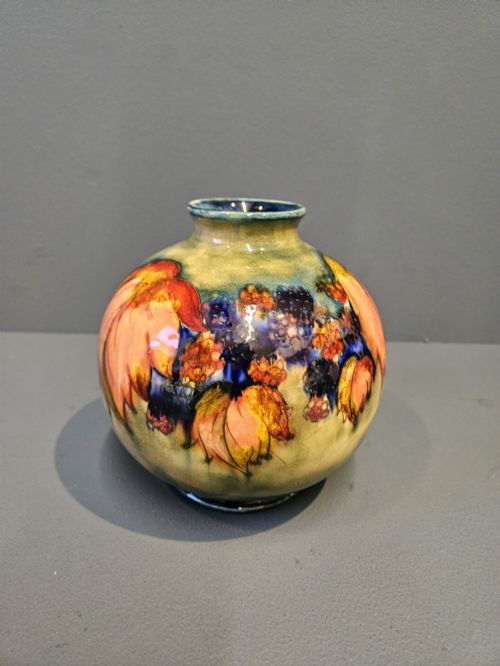
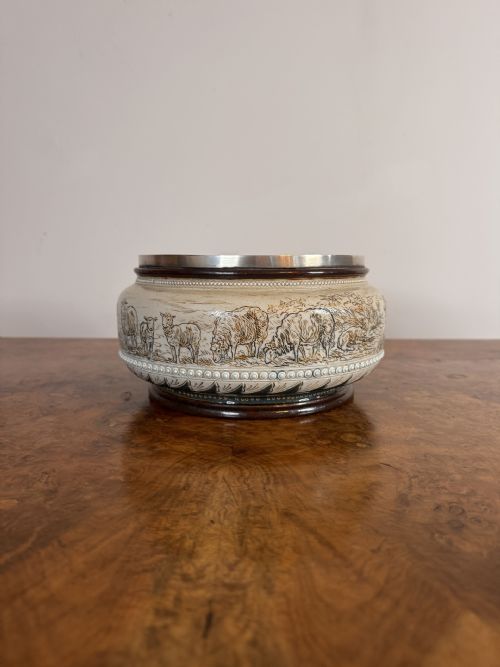
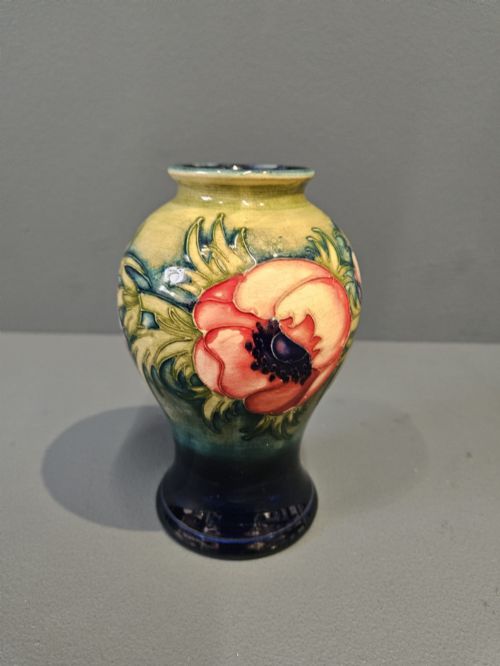
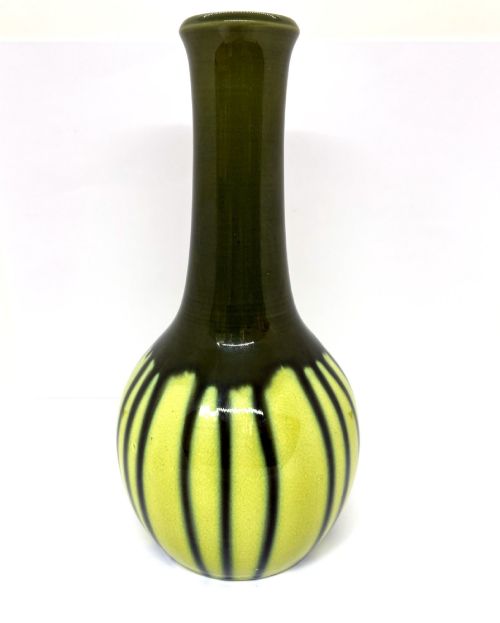
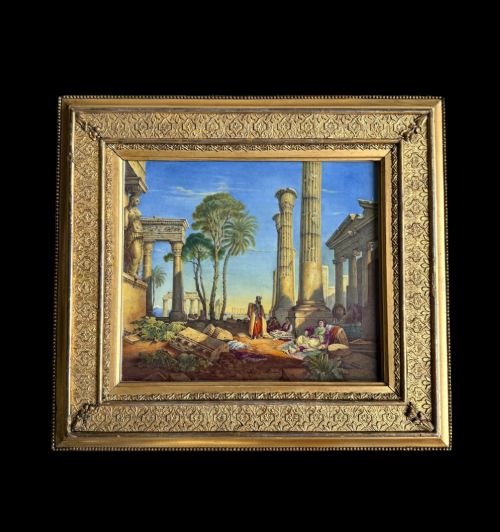
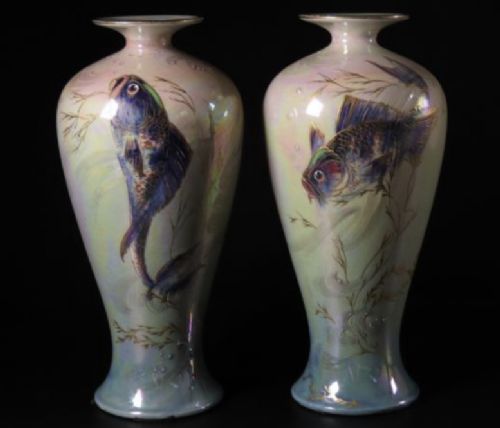
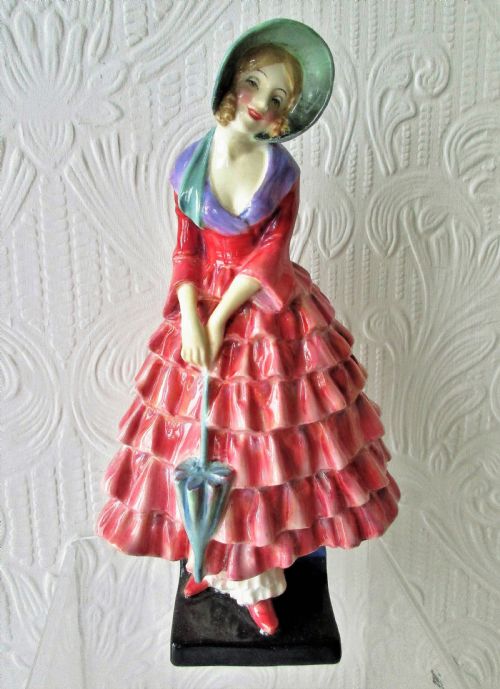
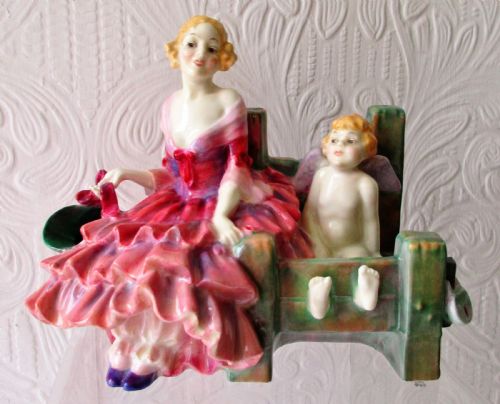
English ceramic art encompasses a diverse array of objects designed for both decorative and utilitarian purposes, ranging from delicate porcelain plaques to robust stoneware jugs. When exploring this category, collectors encounter everything from Victorian Staffordshire portrait figures and architectural earthenware to striking Art Deco tableware and studio pottery.
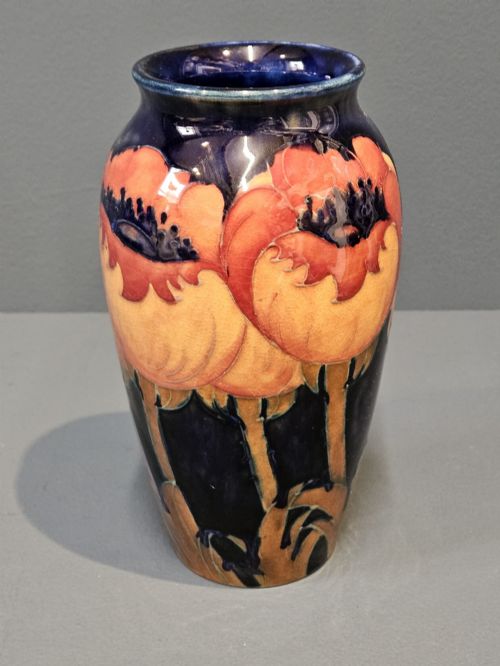
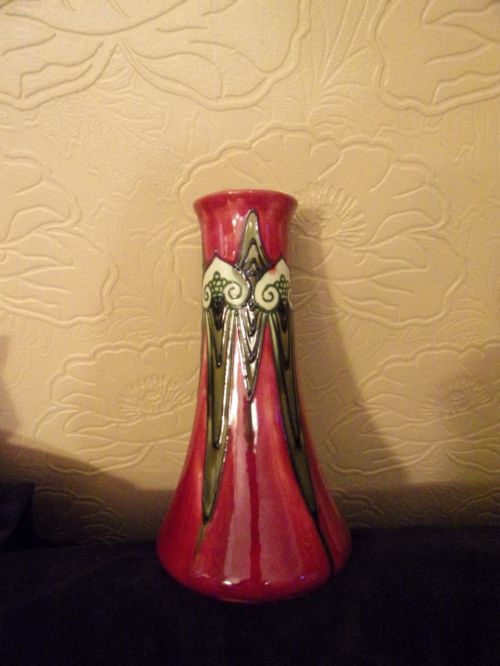
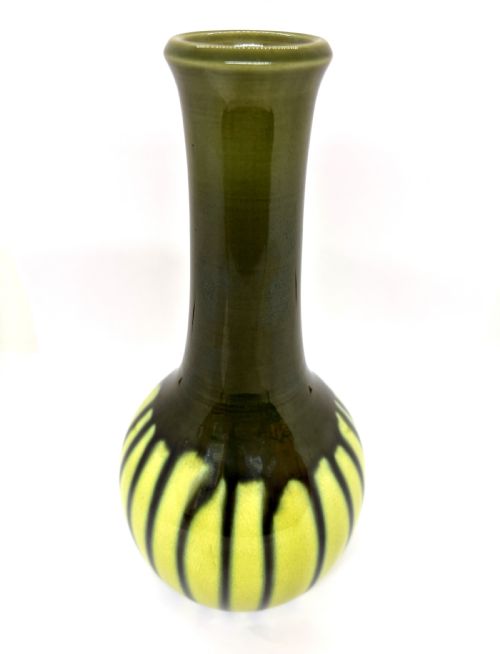
The pieces on this page represent significant manufacturing shifts across the nineteenth and twentieth centuries, capturing the transition from traditional folk methods to sophisticated studio and factory output. Vases, decorative bowls, figurines, and wall plaques dominate the selection, offering a comprehensive view of domestic artistry.
How They Were Made
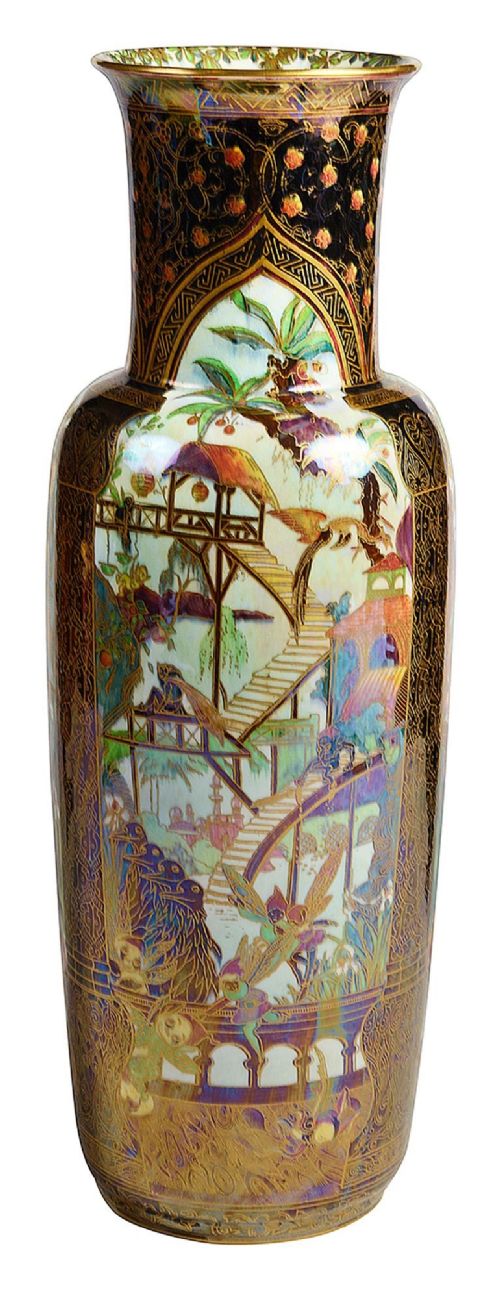
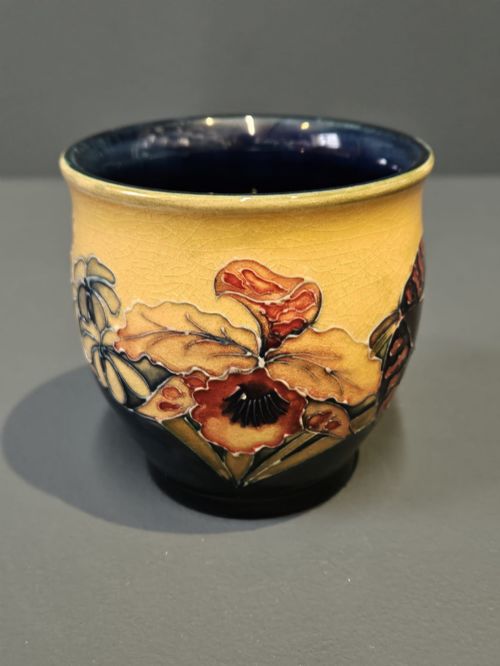
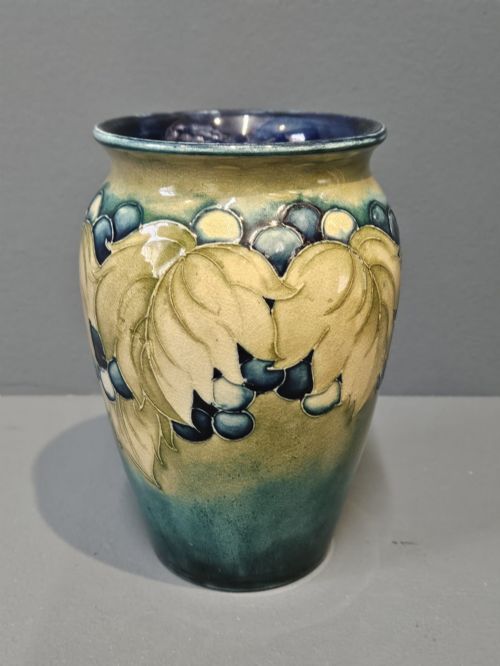
Makers utilised various foundational materials, predominantly earthenware, bone china, and porcelain, shaped by hand or moulded before undergoing high-temperature firing. Surface decoration required immense technical skill, incorporating intricate tube-lining, hand-painted glazes, lustrous finishes, and occasional applications of gold leaf.
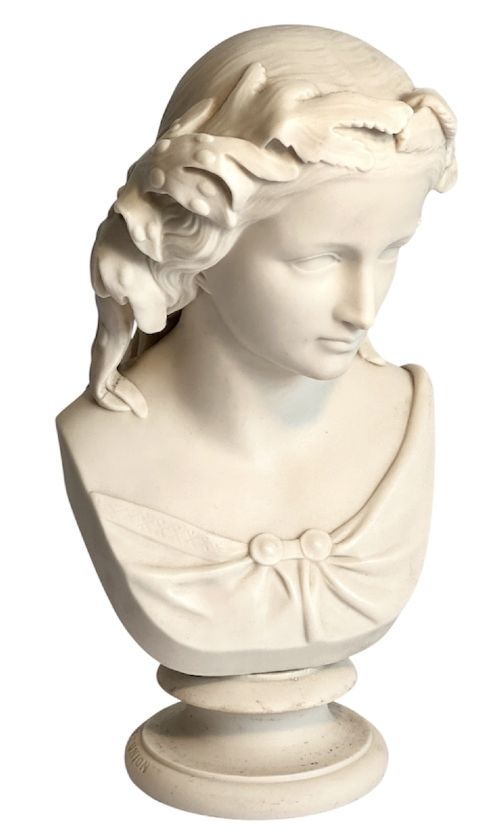
Specialised techniques such as salt-glazing in stoneware and parian casting allowed artisans to achieve distinct surface textures and crisp sculptural detail. The integration of ceramic bodies with coloured glazes defined the output of prominent potteries and individual studio artists alike.
English Ceramic Art Retail Price Guide 2026
Typical asking prices for english ceramic art among the pieces listed under this phrase on Sellingantiques today, from the lower quarter to the upper quarter. They describe what is for sale here now, not the wider market.
The selection includes diverse forms such as vases, wall plaques, portrait figures, tea pots, and jardinieres.
What Varies in Quality
Quality rests primarily in the execution of the design and the proficiency of the glazing technique, where controlled firing and precise brushwork elevate a standard vessel into a work of art. The crispness of moulded details and the depth of lustre finishes distinguish superior studio and factory pieces from mass-market production.
Artisanal involvement also dictates standing, with signed works by known ceramic artists and master decorators commanding greater recognition for their individual creative vision and technical mastery.
Moorcroft·Royal Doulton·Wedgwood·Doulton Lambeth·Charles Vyse
The English Ceramic Art Glossary
- Earthenware
- A porous pottery body fired at lower temperatures, requiring a vitreous glaze to ensure it holds liquids.
- Parian Ware
- A fine-grained unglazed porcelain developed to imitate carved marble, frequently utilised for classical busts and portrait figures.
- Tube-lining
- A decorative technique where liquid clay is squeezed through a nozzle onto a ceramic body to create raised outlines for enamel colours.
- Lustre
- A metallic glaze application that produces an iridescent sheen on the surface of the ceramic piece after a specialised reduction firing.
- Stoneware
- A dense, impermeable pottery fired at high temperatures, known for durability and often decorated with salt glaze.
English Ceramic Art: Frequently Asked Questions
What defines English ceramic art?
English ceramic art encompasses decorative and functional objects produced in Britain from earthenware, stoneware, and porcelain.
It spans traditional folk pottery to sophisticated factory and studio works featuring specialised glazes.
How do I care for antique ceramics?
Keep delicate pieces out of direct sunlight to prevent glaze fading and avoid placing them near excessive heat sources.
Dust gently with a soft, dry cloth and wash only when necessary using lukewarm water without harsh detergents.
What is lustreware?
Lustreware is pottery finished with a metallic glaze that creates a distinctive iridescent or reflective surface sheen.
This effect is achieved through specialised kiln firings that leave a thin metallic film across the ceramic body.
How are studio pottery and factory pieces different?
Studio pottery is typically created by individual artists overseeing every stage of design, throwing, and glazing.
Factory pieces involve a division of labour where specialised artisans handle moulding, painting, and firing across larger production runs.