
English Carved Oak Panel
When you seek an english carved oak panel, you encounter centuries of domestic woodwork shaped by chisel and mallet into enduring wall fragments and joined furniture.
English Carved Oak Panel
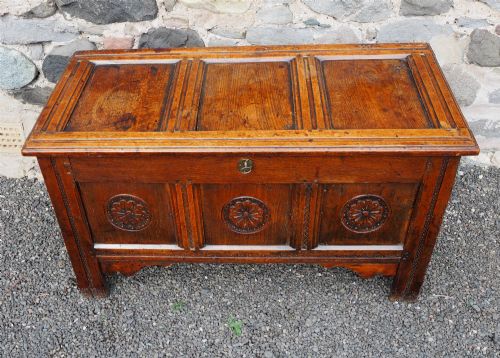
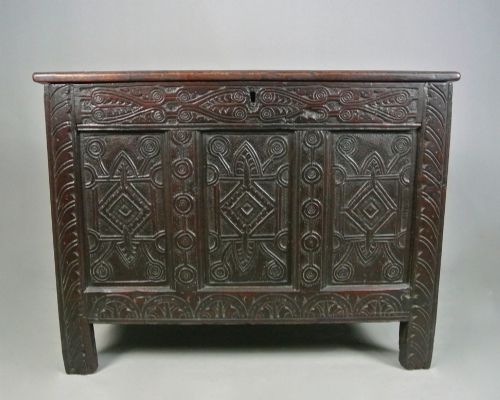
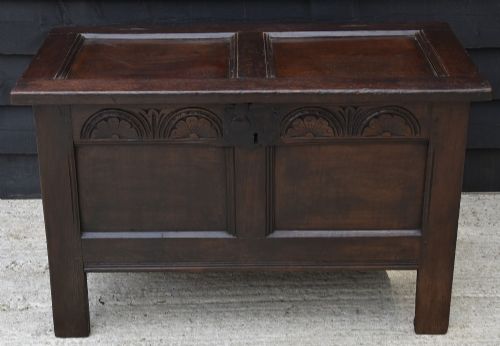
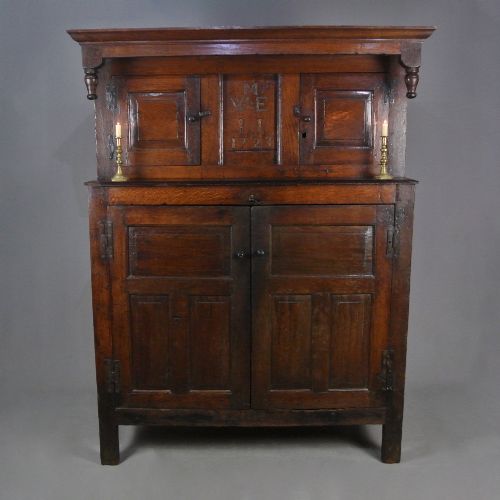
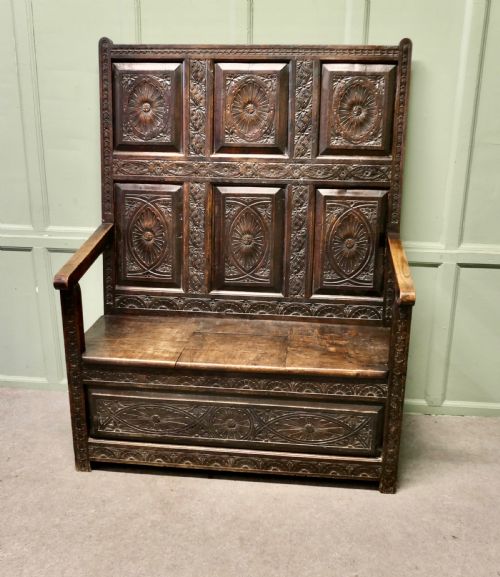
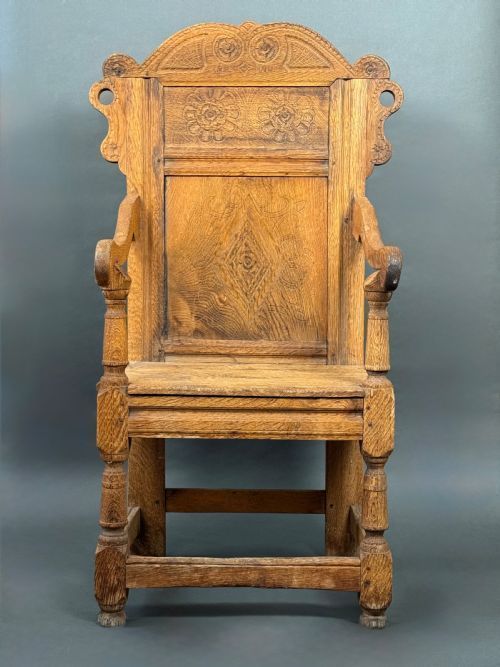
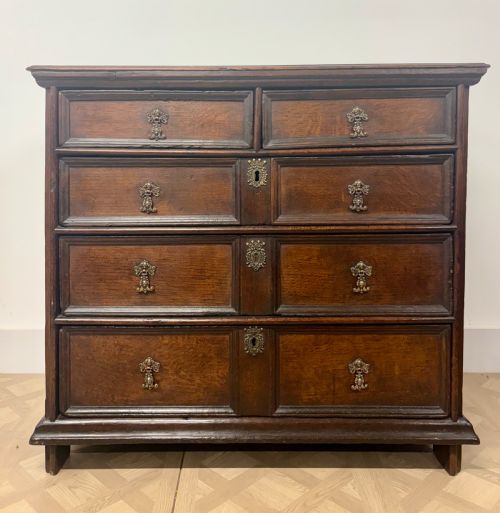
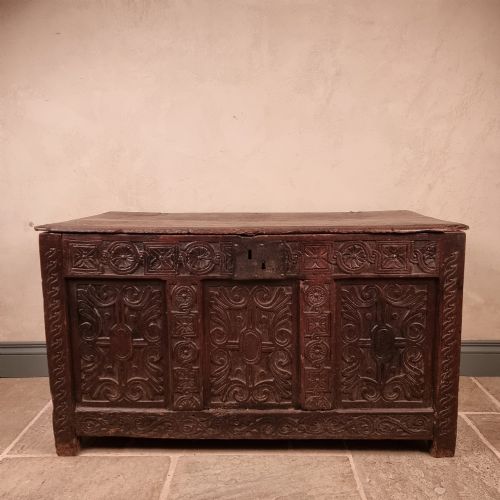
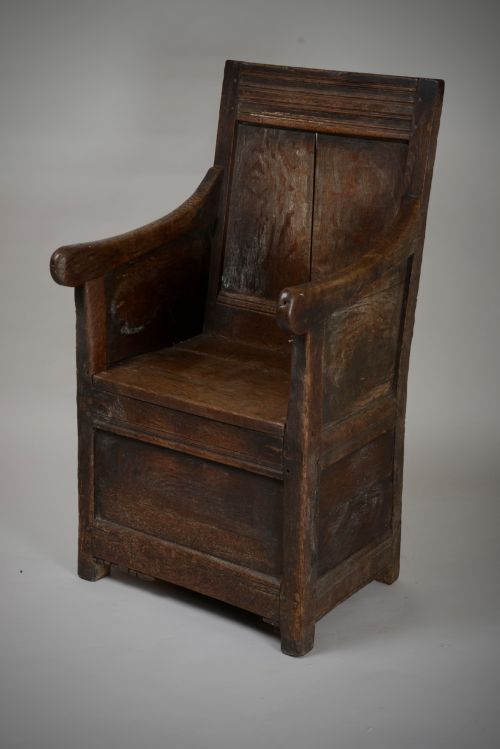
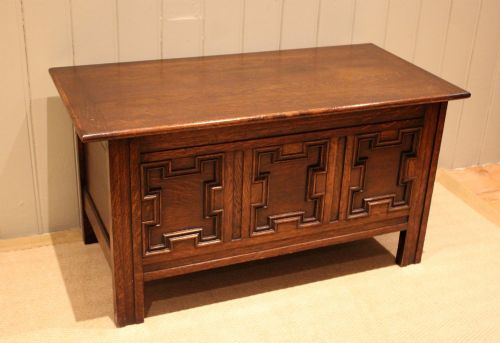
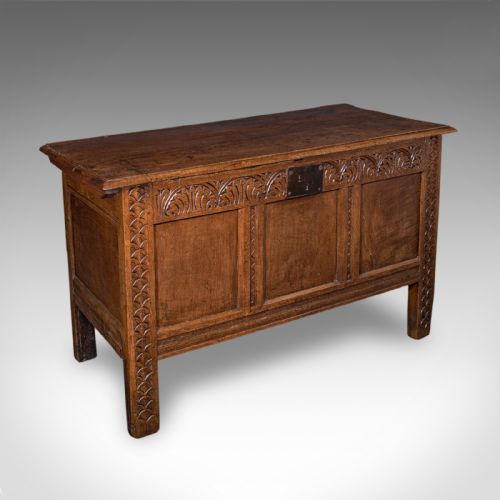
An english carved oak panel represents the survival of domestic architectural woodwork and furniture elements dating from the sixteenth century onward through the Stuart and Georgian eras. These pieces appear as isolated architectural fragments or as integrated components of larger joined forms such as coffers, court cupboards, and wainscot chairs.
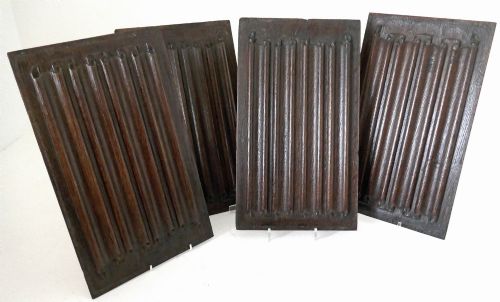
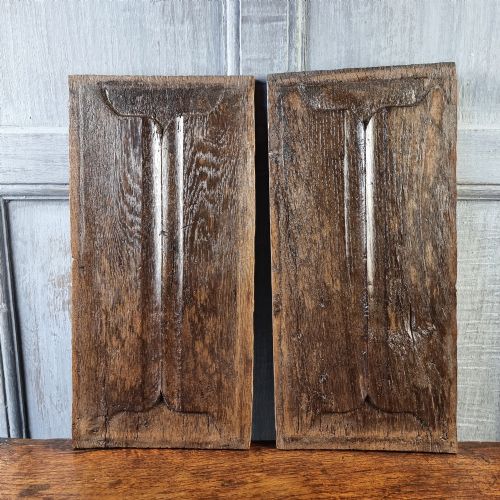
The objects available range from individual sixteenth-century linenfold panels and seventeenth-century floral carvings to nineteenth-century revival interpretations and architectural salvage. Regional vernacular styles from Lancashire, Cheshire, and the West Country frequently dictate the specific character of the carving found on these surfaces.
How They Were Made
Joiners and carvers utilised solid oak, occasionally supplemented by fruitwood or walnut, working timber that was quarter-sawn to expose the decorative medullary rays. Construction relied on traditional mortise and tenon joints secured with wooden pegs, allowing the panels to move naturally within their frames as humidity shifted.
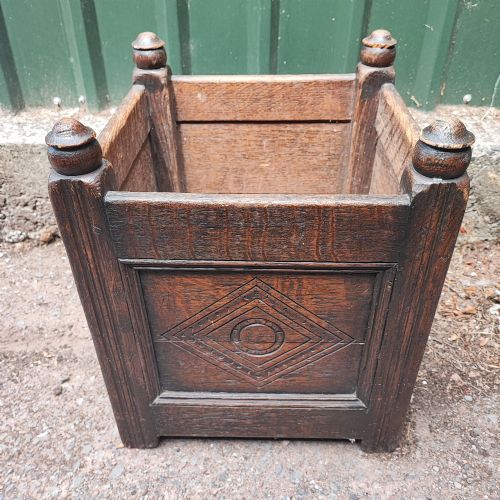
Carving was executed by hand using gouges, chisels, and V-tools directly onto the seasoned board. Motifs such as the tree of life, lozenges, floral scrolls, and linenfold patterns emerged from the flat plane through relief work rather than applied ornamentation.
Among the historical carved figures hiding in the timber are virtuous cardinal abstractions and winged angels keeping watch over centuries of household storage.
What Varies In Quality
The distinction between tiers of examples lies primarily in the depth, crispness, and artistic ambition of the hand carving. Pieces featuring complex figural representations, such as winged angels or allegorical cardinal virtues, demonstrate superior craftsmanship compared to repetitive geometric punching.
Surface integrity and originality heavily influence the standing of a panel or panel-fronted piece. Examples retaining an undisturbed, patinated skin of dark wax alongside original framing timbers command greater appreciation than those stripped bare or heavily reconstructed in later centuries.
The English Carved Oak Panel Glossary
- Linenfold
- A style of wood carving mimicking folded parchment or fabric, popular during the sixteenth century. It creates a vertical, textured relief across flat panels.
- Coffer
- A large wooden chest used for storage, constructed with joined panels and often featuring carved fronts. These pieces frequently served dual purposes as benches or window seats in early homes.
- Wainscot chair
- A solid wooden armchair constructed using joinery techniques similar to wall panelling. They appeared in substantial seventeenth-century interiors.
- Court cupboard
- A formal two-tier sideboard or storage unit used for displaying plate and storing provisions. They are characteristic of Elizabethan and Stuart domestic interiors.
- Medullary ray
- A cellular structure radiating from the centre of a tree trunk that becomes visible as silver flecks when oak is quarter-sawn. Craftsmen valued this figuring for both stability and appearance.
English Carved Oak Panel: Frequently Asked Questions
What is an english carved oak panel?
These items are solid wood boards shaped by hand with decorative motifs during the sixteenth, seventeenth, and eighteenth centuries. They survive either as detached architectural fragments or as structural parts of historic furniture like coffers and cupboards.
Buyers acquire them to integrate into architectural interiors, mount as wall art, or collect as examples of early domestic joinery. Their surfaces display traditional motifs ranging from simple geometric patterns to elaborate figural carvings.
How were these panels used historically?
In early domestic interiors, carved woodwork formed part of wainscot wall lining that insulated rooms and demonstrated the status of the household. They also served as the structural decorative fronts of storage chests, settles, and court cupboards.
Over subsequent centuries, many architectural elements were salvaged from dismantled buildings and mounted independently. Furniture panels often remained in continuous family use for generations as practical storage.
How do I care for historic oak panels?
These wooden pieces require stable indoor environments away from direct heat sources and dramatic humidity swings. Maintaining moderate atmospheric conditions prevents the dry oak from splitting and protects old joints.
Occasional applications of traditional beeswax nourish the timber and preserve the historic surface patina. Avoid modern liquid polishes or aggressive cleaning methods that strip the aged finish.
How can I tell the period of a carved panel?
Dating relies on observing the combination of tool marks, joint construction, timber selection, and stylistic motifs. Sixteenth-century examples frequently show linenfold or early Renaissance strapwork, while seventeenth-century work often incorporates geometric lozenges, floral scrolls, or arcade patterns.
Examine the reverse side of the board for hand- Hewn or pit-sawn texture, which distinguishes early material from later machine-sawn replacements. Regional styles and revival periods from the nineteenth century also introduce distinct clues regarding origin.