
Oak Relief Carving Panel
An oak relief carving panel brings centuries of architectural history and figural sculpture into domestic spaces.
Oak Relief Carving Panel
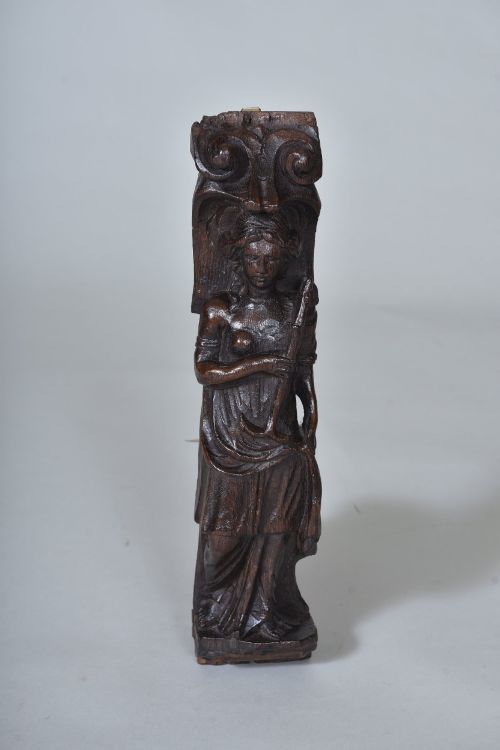
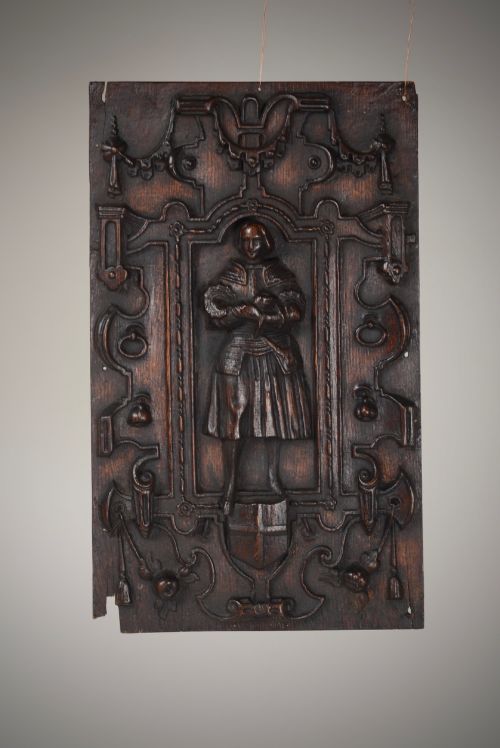
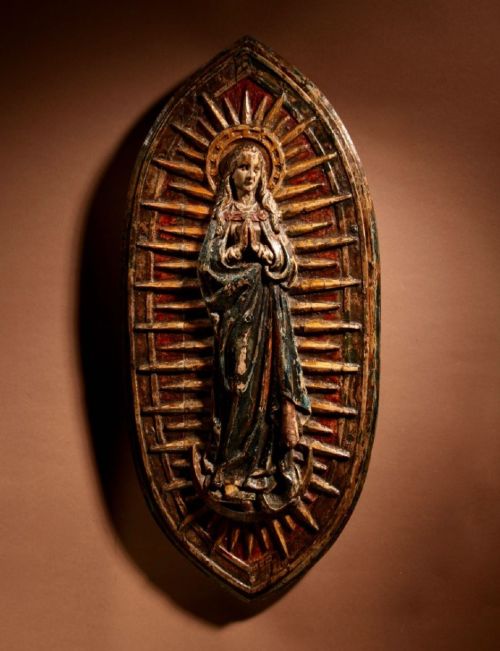
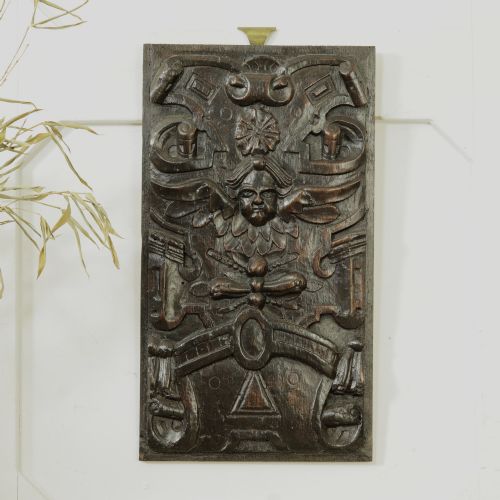
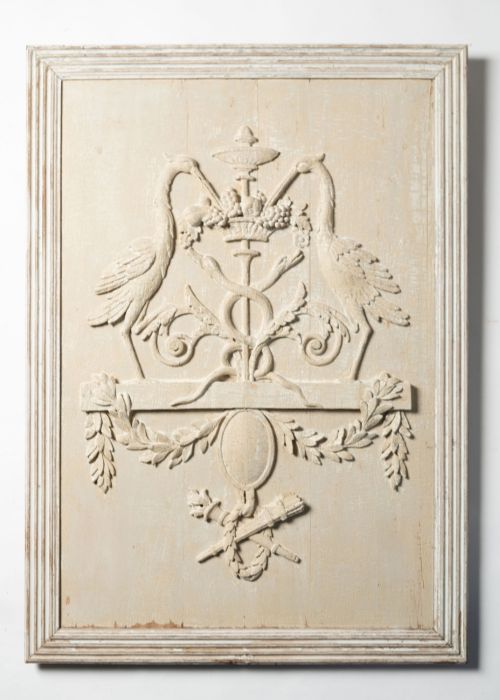
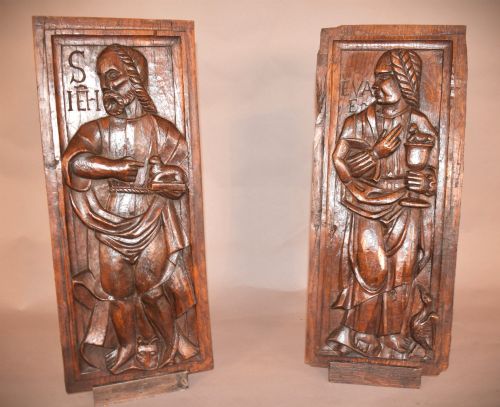
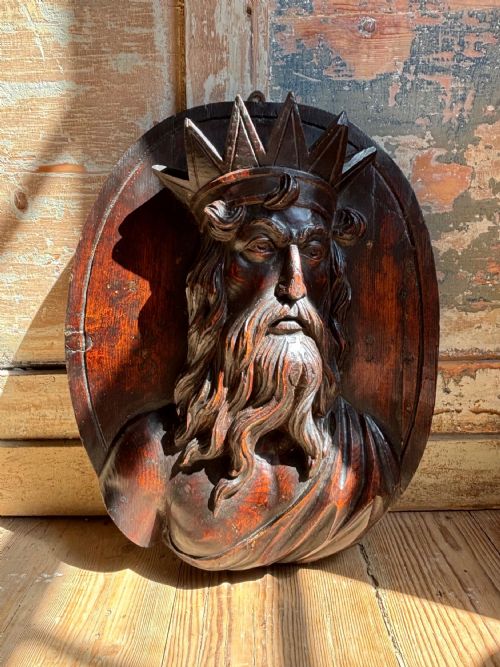
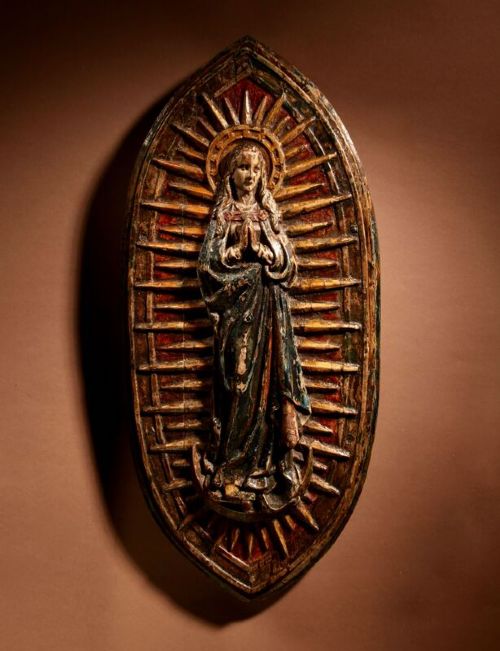
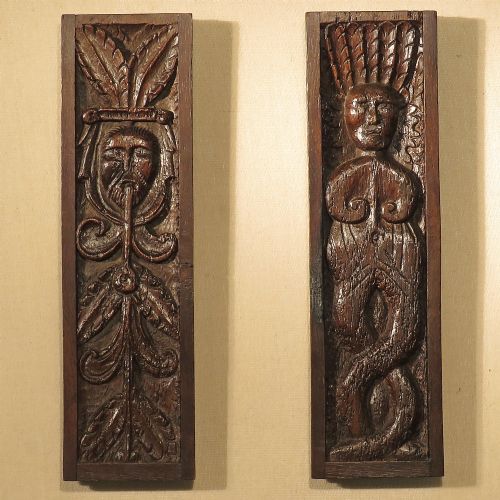
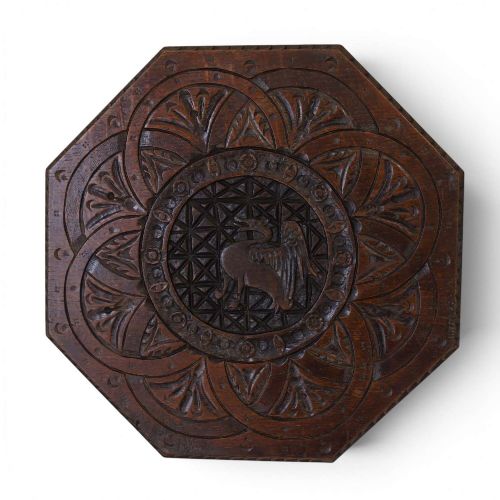
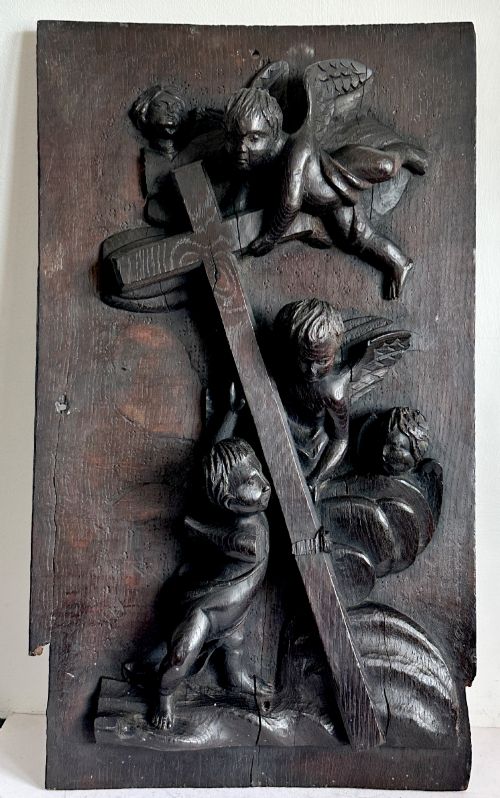
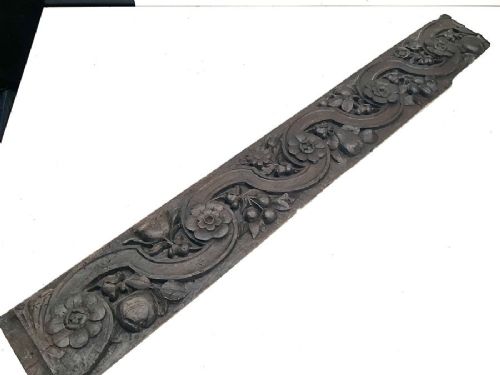
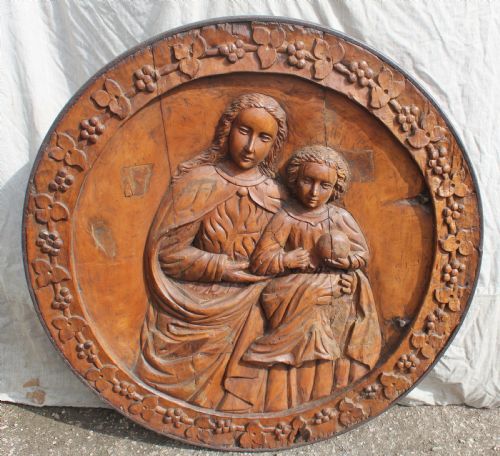
When you search for an oak relief carving panel, you encounter fragments salvaged from architectural settings, church furnishings, and stately homes spanning the sixteenth to the nineteenth centuries. These pieces appear as wall plaques, friezes, ceiling bosses, and overdoor panels depicting religious scenes, heraldic crests, botanical motifs, and portraiture.
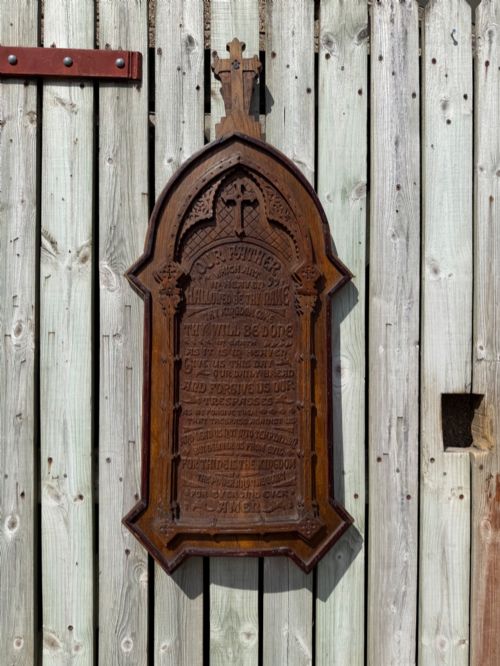
The versions most commonly met on this page date from the seventeenth century and showcase deep, hand-chiselled depth, alongside nineteenth-century revivals of Gothic and Renaissance styles. Their original contexts range from English Tudor panelling to Flemish Baroque church altars and German domestic interiors.
Materials and Technique
The makers of an oak relief carving panel relied primarily on dense local timber, supplemented occasionally by walnut, fruitwood, and applied gesso with polychrome paint layers. Woodworkers utilised gouges, chisels, and parting tools to carve figures and foliage directly into the grain, achieving varying levels of projection from low backgrounds to high, undercut sculpture.
Structural assembly involved mortise and tenon joints for larger architectural settings, while individual panels often displayed hand-planed backs and tool marks left by the carpenter's bench.
Materials recorded across the inventory include solid oak, walnut, fruitwood, and surviving traces of polychrome paint.
Design and Execution
Mediocre examples rely on stiff, shallow incisions and repetitive patterns with little variation in texture, whereas the finest survivals demonstrate a sculptural fluency that brings static timber to life.
Edward Pearce
The Oak Relief Carving Panel Glossary
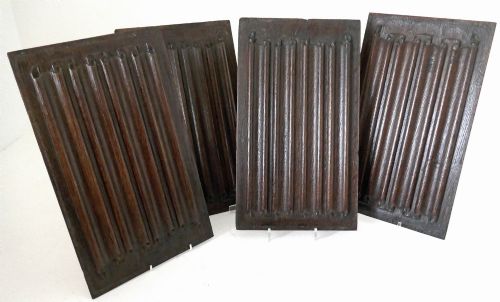
- Linenfold
- A style of wood panel carving popular in the Tudor period that mimics folded fabric or parchment. It creates a rhythmic texture across rectangular boards.
- Ceiling boss
- A decorative projecting block of wood placed at the intersection of ribs in a vaulted ceiling or beam. These often feature carved foliage or grotesque faces.
- Polychrome
- The practice of decorating architectural elements and sculptures in multiple colours. Traces of original paint or gesso frequently survive on older wooden carvings.
- Acanthus
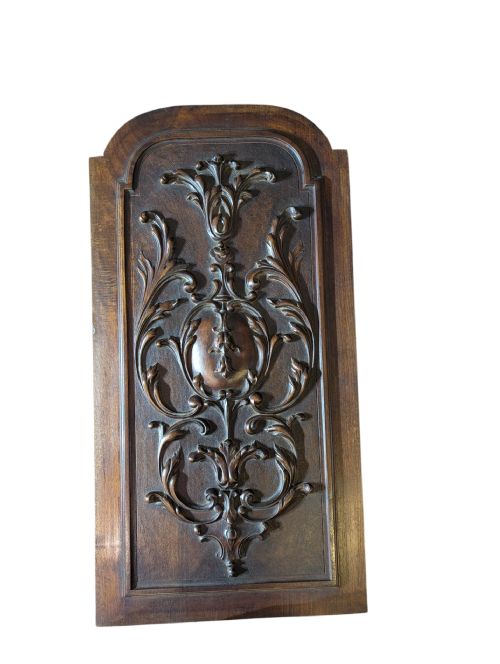
- A classical ornamentation motif based on the leaves of the Mediterranean acanthus plant. Carvers used this stylized foliage extensively in Baroque and Renaissance friezes.
Oak Relief Carving Panel: Frequently Asked Questions
How were these panels used originally?
These carved wooden elements served as structural components within grand buildings, churches, and domestic interiors. They appeared as altarpieces, staircase embellishments, overdoor ornaments, and wall linings.
Over subsequent centuries, many were salvaged from demolished structures and mounted independently as decorative wall art for display in homes.
How do I hang a heavy wooden panel?
Because these panels are fashioned from dense timber, secure installation requires weight-bearing fixings attached to wall studs or masonry anchors. Professional picture framers often utilise custom wooden battens or concealed metal brackets.
Ensure the mounting method supports the specific dimensions and weight distribution without putting undue stress on the historic wood.
How do I tell sixteenth-century work from nineteenth-century revivals?
Sixteenth-century panels display tool marks consistent with early hand-working implements, natural timber oxidation, and wear patterns developed over centuries of handling. The grain often shows shrinkage cracks and irregularities distinct from later production.
Nineteenth-century Gothic Revival pieces frequently exhibit mechanical saw marks on the reverse and a uniformity in the carving style that reflects historicism rather than contemporary vernacular practice.
How should I care for antique oak?
Historic timber requires stable indoor humidity levels to prevent the wood from drying out, cracking, or warping over time. Keep panels away from direct heat sources, radiators, and prolonged direct sunlight.
Dust the carved surfaces gently with a dry, soft brush rather than using liquid polishes or modern cleaning chemicals that might damage the patinated finish.