


English Brass Metalware
English brass metalware spans centuries of domestic utility and hearthcraft, offering collectors functional objects shaped by historic foundry methods.
English Brass Metalware
English brass metalware encompasses a diverse array of utilitarian and decorative domestic objects spanning the seventeenth century through to the early twentieth century. When exploring this category, buyers encounter items ranging from lighting devices and kitchen implements to fireplace accessories and vessels.
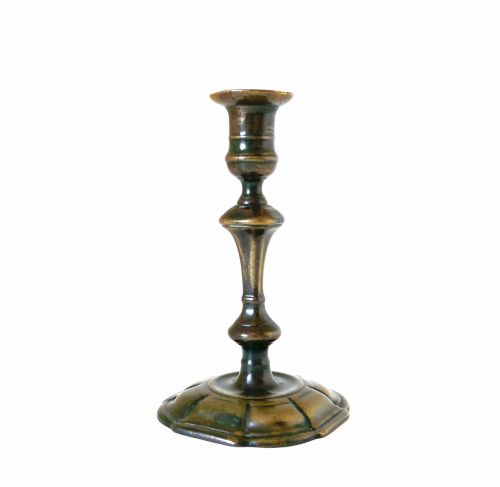
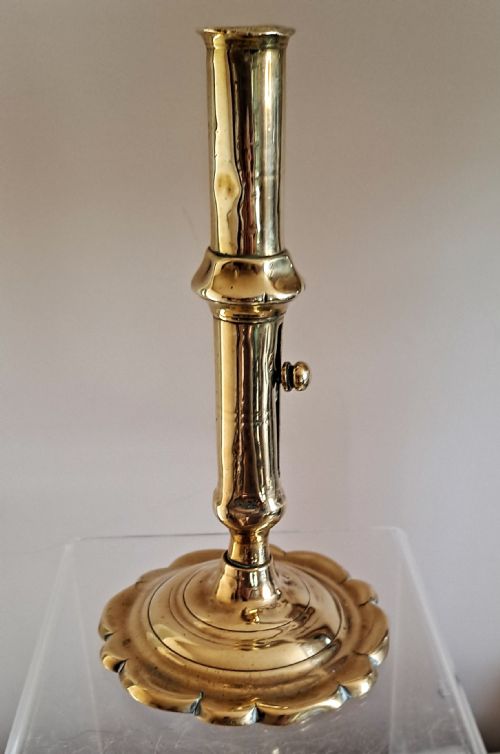
The domestic sphere of past centuries relied heavily on these durable alloys for daily operations, yielding surviving examples such as candlesticks, mortars and pestles, kettles, and snuff boxes. Candlesticks with petal bases or side ejectors appear frequently alongside heavy bronze or brass mortars bearing Tudor rose motifs.
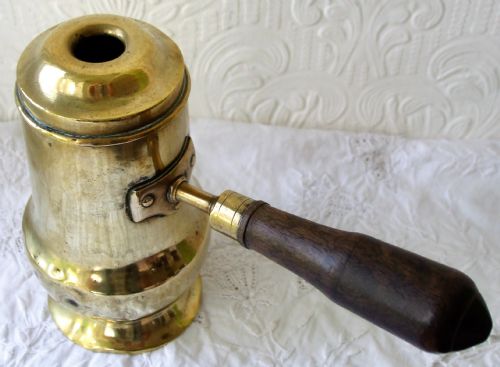
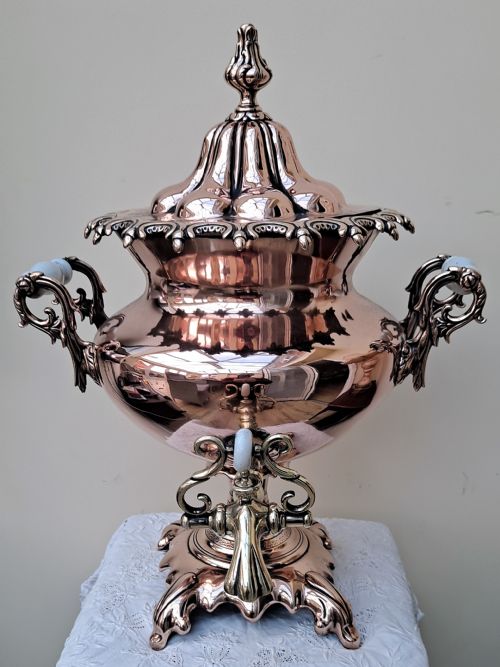
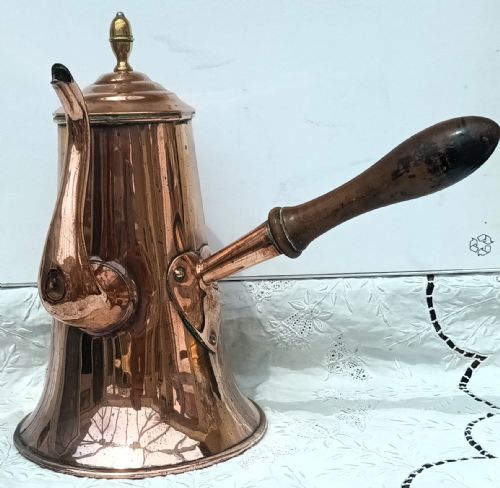
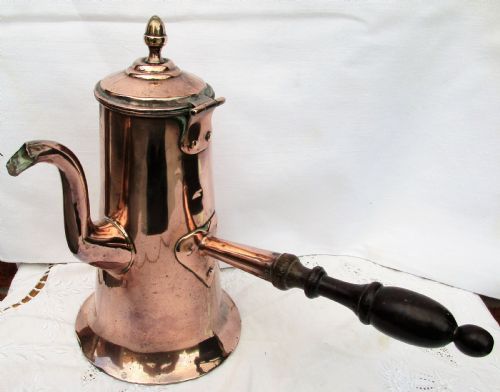
Domestic and kitchen utensils form a substantial portion of the material, including skimmers, fish slices, and tea urns fashioned from copper, bell metal, and brass. Pieces from the Georgian and Victorian eras demonstrate how functional household gear evolved in form while retaining foundational casting traditions.
Distinctions in quality
Superior quality in these items rests upon the crispness of the original casting and the integrity of the surface finish. Finer pieces maintain strong architectural proportions without excessive thinning from over-polishing in later centuries.
Original components, such as detachable sconces on candlesticks or matching pestles for mortars, elevate a piece above altered or assembled examples. Heavier gauge metalwork and retained maker marks or crisp owner engravings indicate higher original workshop standards.
Veterinary fleams tucked into pocket-sized brass cases remind us that historic households cared for livestock health right alongside the kitchen hearth.
John Linwood of Birmingham·William Soutter & Sons·James Clews
The English Brass Metalware Glossary
- Bell metal
- An alloy of copper and tin traditionally used for vessels requiring resonance and strength. This dense material often appears in heavy mortars and tea urns.
- Paktong
- A copper-nickel-zinc alloy originating from China that was imitated by British metalworkers for high-status candlesticks and tableware. It mimics the appearance of silver.
- Sconce
- The socket at the top of a candlestick designed to hold the candle securely. Detachable versions allow for easier cleaning of wax accumulation.
- Mortar and pestle
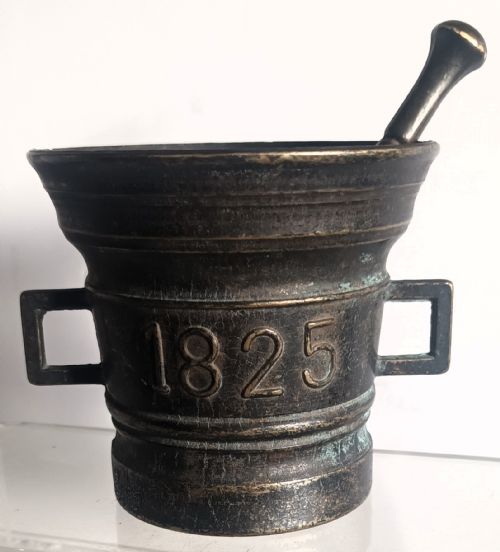
- A heavy bowl and club-like tool used in kitchens and apothecaries for grinding substances. Bronze and brass examples often feature decorative ribs or Tudor rose motifs.
- Spit jack
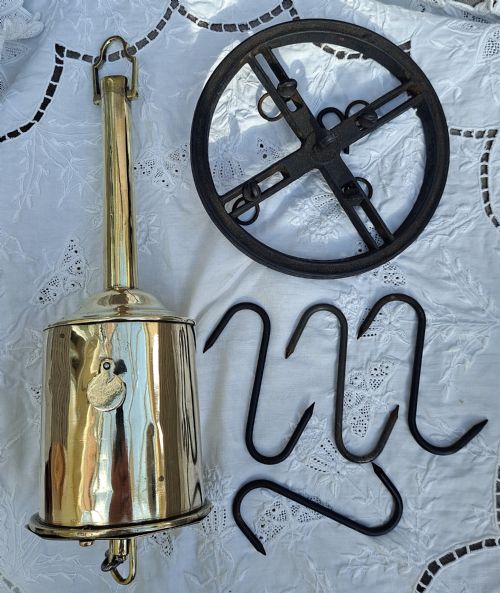
- A mechanical device driven by weights or heat currents to turn meat roasting on a spit. These complex brass and iron mechanisms were central to country house kitchens.
English Brass Metalware: Frequently Asked Questions
How do I date antique brass?
Dating relies upon observing construction techniques, casting seams, and stylistic shifts in the base or socket forms. Early pieces often show irregular hand-finished surfaces, while later Victorian examples display more uniform industrial precision.
Secondary materials and wear patterns also provide clues. Heavy patination and tool marks from lathe turning help anchor an object within the seventeenth or eighteenth centuries.
How were mortars used?
Mortars and pestles served as essential tools in both domestic kitchens and apothecary shops for pulverising dry spices, herbs, and medical ingredients. Their thick-walled metal construction prevented the bowl from cracking under heavy impacts.
Many surviving examples feature decorative mouldings or maker marks, reflecting their dual role as prized household possessions and functional workhorses.
Should I polish antique metalware?
Polishing is generally discouraged by collectors who value an aged, dark patination that accumulates over centuries of handling and exposure. Removing this surface skin can erase evidence of age and historical character.
Light cleaning with a soft cloth removes dust without stripping the rich oxidation that defines authentic early metalware.