

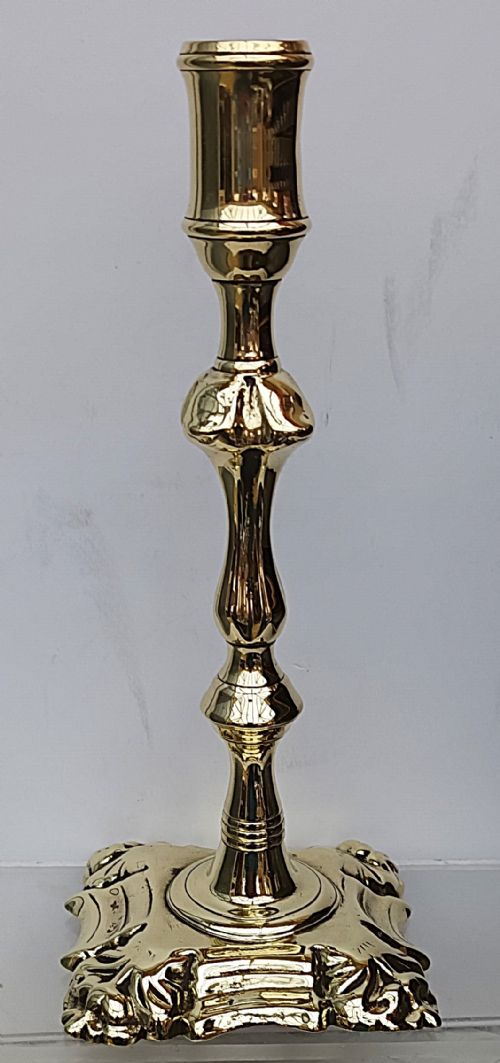
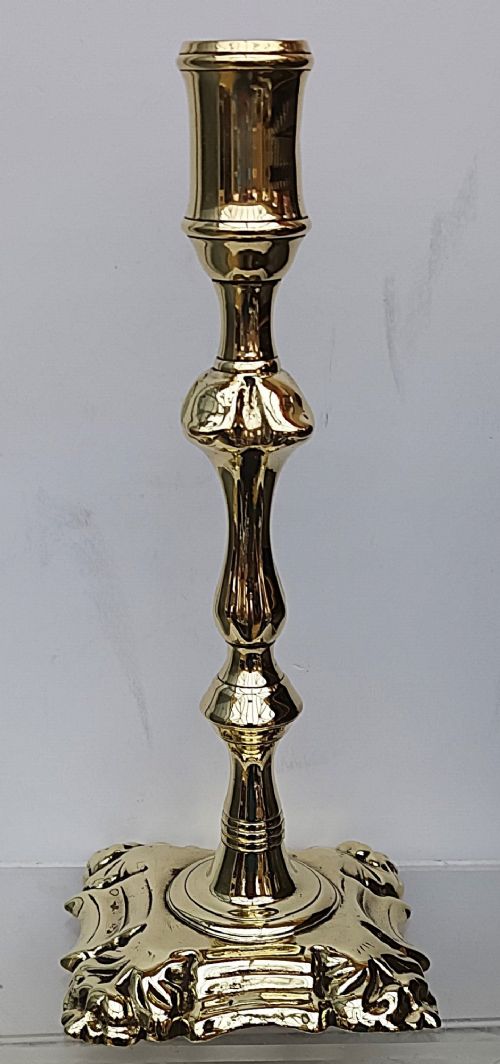
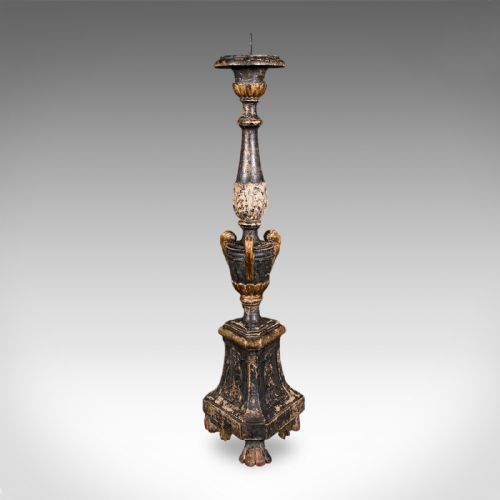
Georgian Candle Sticks
Georgian candle sticks bring domestic illumination from the eighteenth and nineteenth centuries into modern rooms through varied forms in brass, silver, and wood.
Georgian Candle Sticks
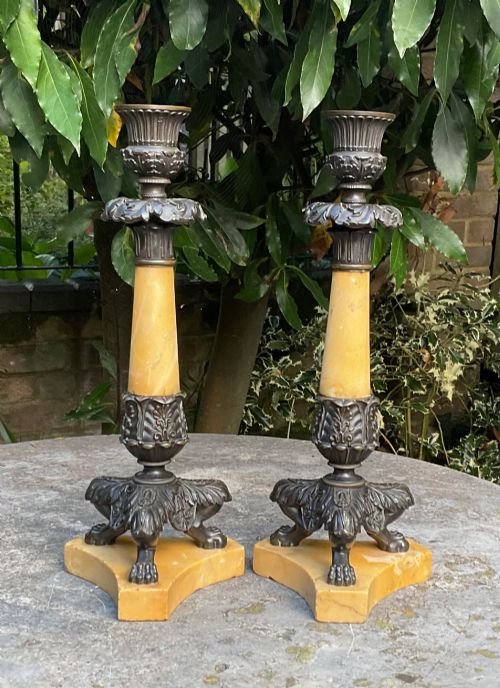
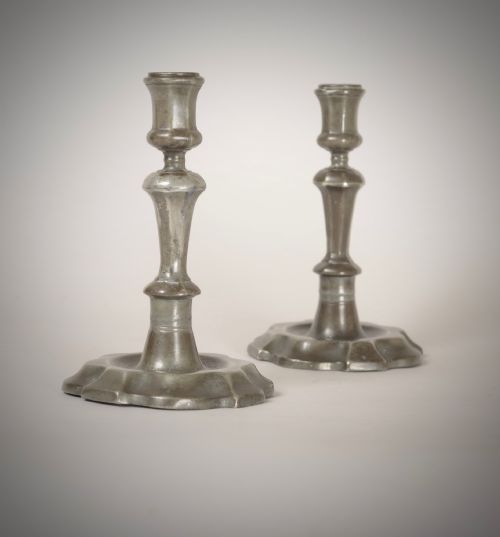
When you search for georgian candle sticks, you encounter lighting devices designed to hold wax or tallow candles for domestic illumination during the eighteenth and nineteenth centuries. The selection spans standard column designs, chamber sticks with saucer bases, and telescopic variants intended for adjustable height.
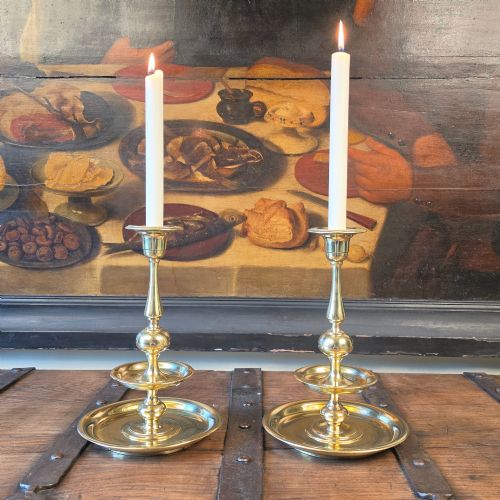
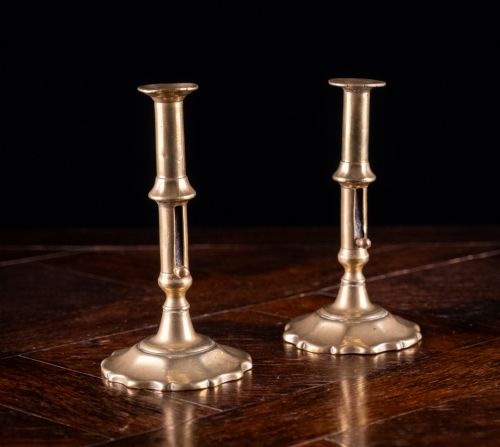
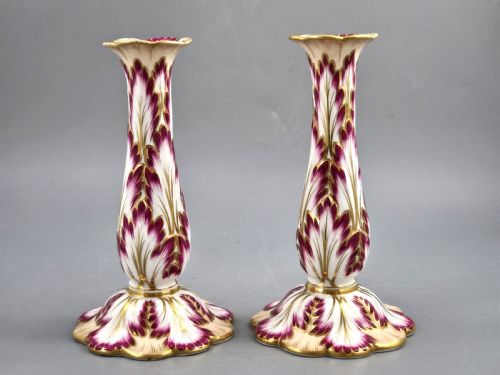
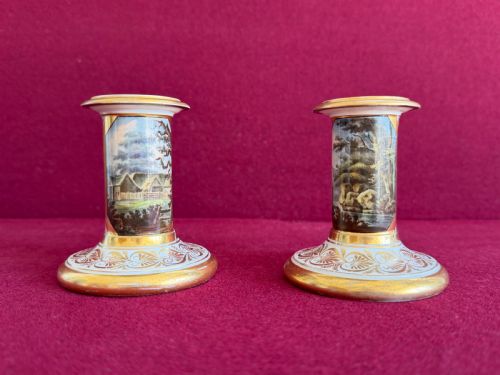
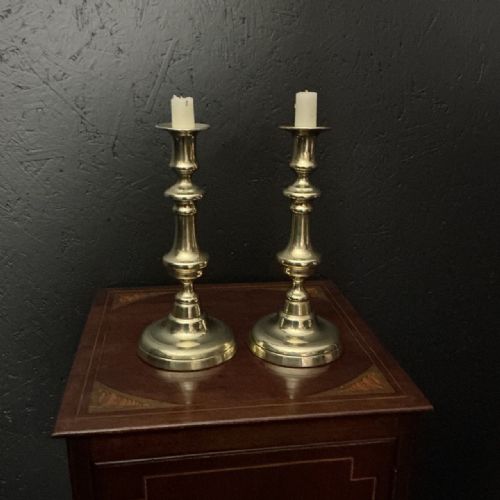
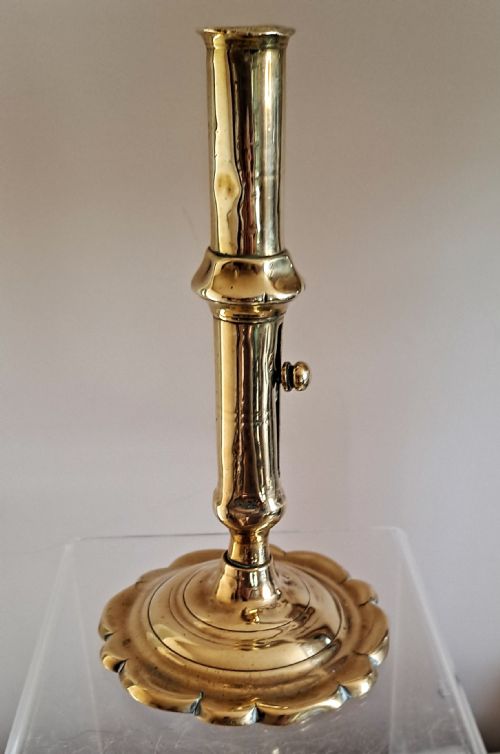
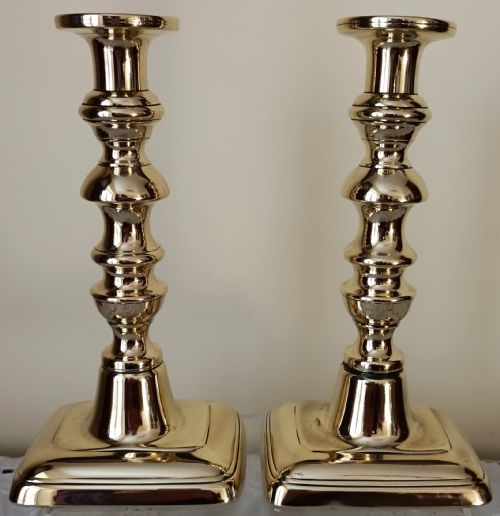
Brass examples predominate among the survivals, often featuring petal bases, square plinths, or ejector mechanisms to push out remaining wax stubs. Alongside metalwork, the material palette extends to sterling silver, Old Sheffield plate, porcelain from factories such as Worcester, and dense timbers including mahogany and lignum vitae.
Materials and Construction
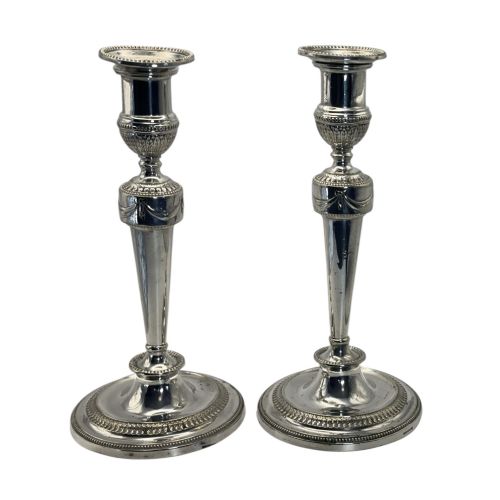
Metal specimens frequently utilise cast or seamed brass construction, where individual components were cast in sand moulds or sheet metal was folded and joined along a vertical seam. Silver and plated variants combine precious metal layers over copper bases or solid sterling casting marked by assay offices.
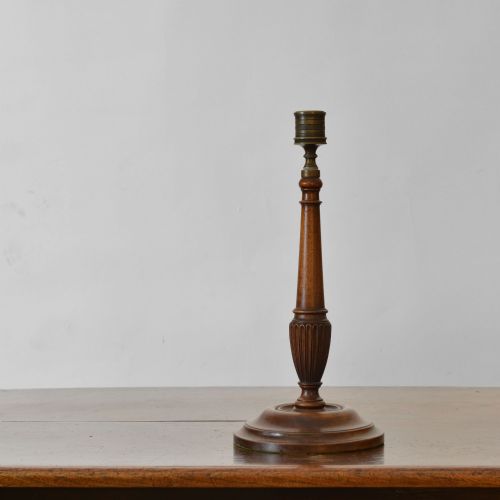
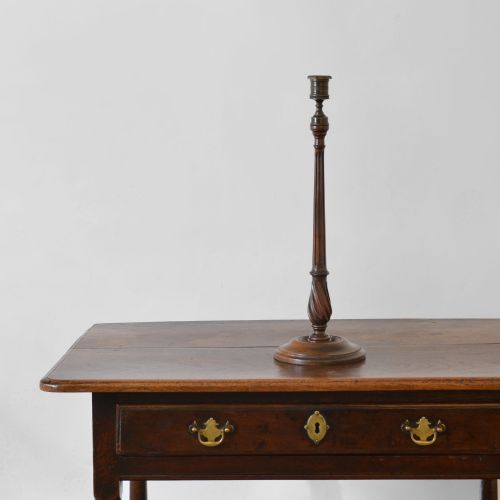
Turned wooden examples employ dense hardwoods shaped on a lathe, sometimes incorporating brass nozzles or telescopic mechanisms to alter the height. Ceramic pieces utilise glazed porcelain bodies painted with foliage or geometric patterns in factory workshops.
Listings feature brass, silver plate, sterling silver, porcelain, mahogany, paktong, and lignum vitae across eighteenth and nineteenth-century forms.
Design and Execution
Superior examples display crisp casting detail, particularly in neoclassical motifs, columns, and drip pans, whereas lower tiers show softened edges from worn moulds. Weight distribution and stability also distinguish finer pieces, ensuring the stem balances the wide base without wobble.
Completeness dictates value and utility, specifically the presence of matching removable sconces, functional ejector mechanisms, and undamaged threading on telescopic pillars. Hand-finished chasing on metalwork and precise joinery on wooden stems elevate the standard of individual items.
Mappin and Webb·Ridgway·Barr Flight and Barr·J Miller·Edward Kendrick·John Café
The Georgian Candle Sticks Glossary
- Ejector
- A concealed internal mechanism operated by a thumbpiece that pushes the candle remnant up and out of the socket.
- Sconce
- A removable top drip pan inserted into the candle socket to catch melting wax and protect the main stem.
- Chamber stick
- A low, saucer-based candlestick featuring a loop handle, designed for carrying bedroom illumination safely.
- Paktong
- A heavy Chinese copper-nickel-zinc alloy resembling silver, utilised for cast eighteenth-century candlesticks.
- Taper stick
- A miniature version designed to hold thin wax tapers rather than heavy lighting candles, often used for melting sealing wax.
Georgian Candle Sticks: Frequently Asked Questions
What is an ejector candlestick?
An ejector candlestick incorporates a sliding internal stem that raises the remaining candle stub for easy removal.
This mechanism was especially common in eighteenth-century brass designs to prevent stuck wax.
How do you date brass candlesticks?
Dating relies on base shapes, casting methods, and stem profiles, such as transitional petal bases or neoclassical columns.
Earlier pieces often feature seamed shafts, while nineteenth-century versions show heavier machine production.
What are chamber sticks used for?
Chamber sticks provided portable illumination for lighting a household before fixed hall and room gaslight or electricity.
The wide saucer base caught dripping wax while individuals carried the light up stairways.
Are silver plated candlesticks marked?
Old Sheffield plate items usually lack standard sterling hallmarks, showing instead copper edges where silver layers wore thin.
Later nineteenth-century plated wares frequently bear maker stamps and electroplate marks.