

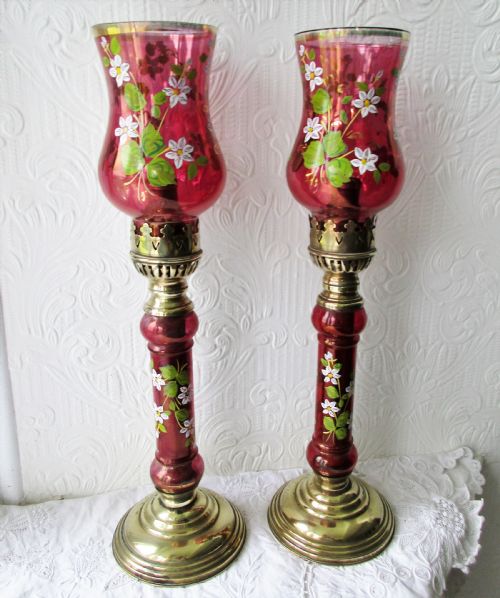
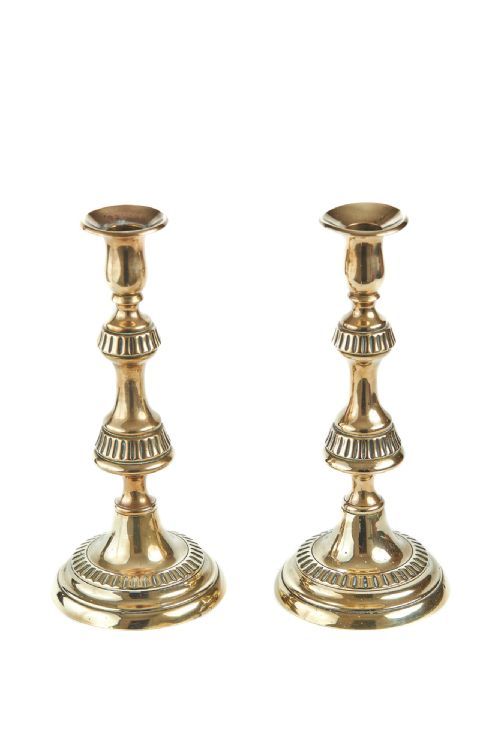
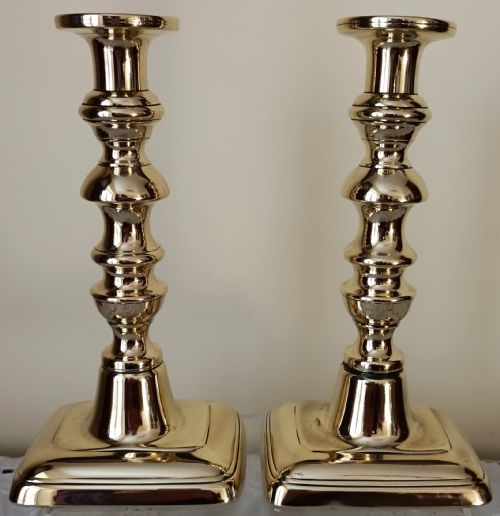
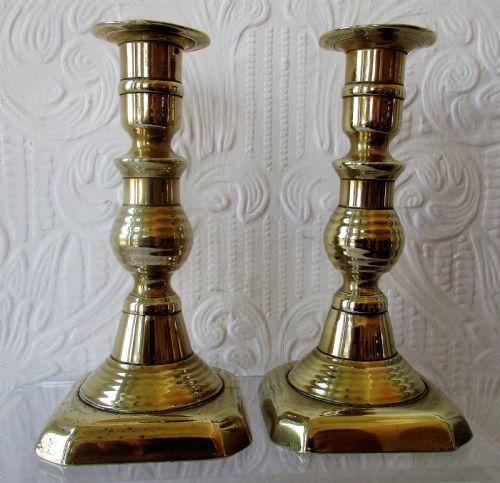
English Brass Candlestick
An English brass candlestick brings period warmth to a room, offering tactile metalwork and historic lighting forms.
What an english brass candlestick is
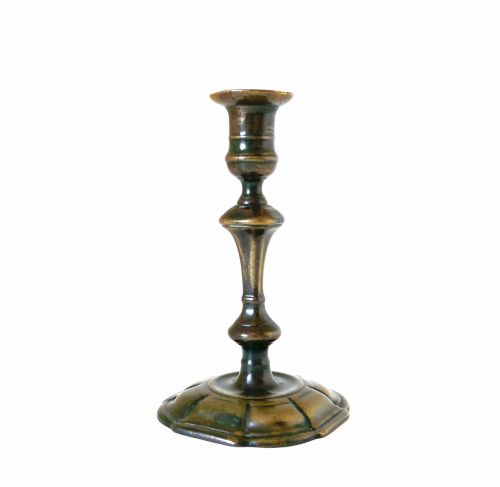
An english brass candlestick provides functional illumination through cast or turned metal forms that survive from the seventeenth, eighteenth and nineteenth centuries. These pieces encompass Georgian and Queen Anne styles, alongside vernacular lighting from earlier decades.
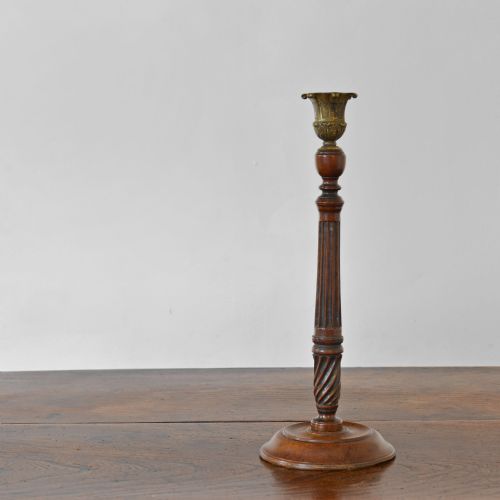
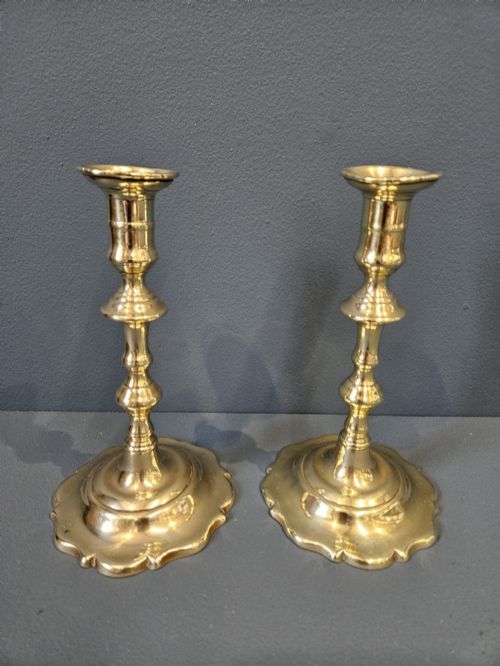
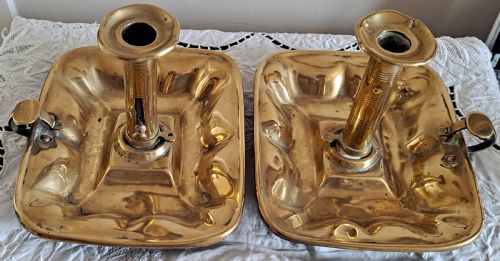
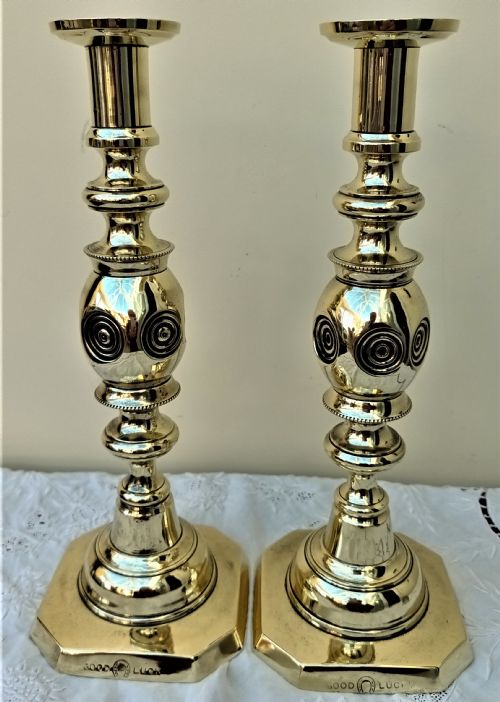
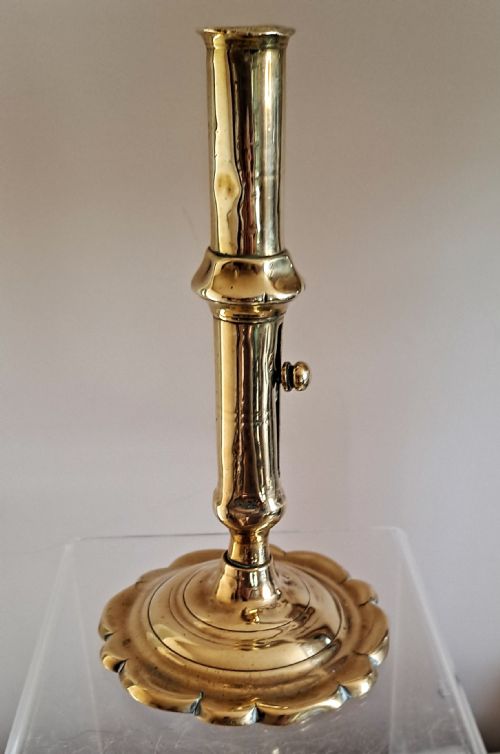
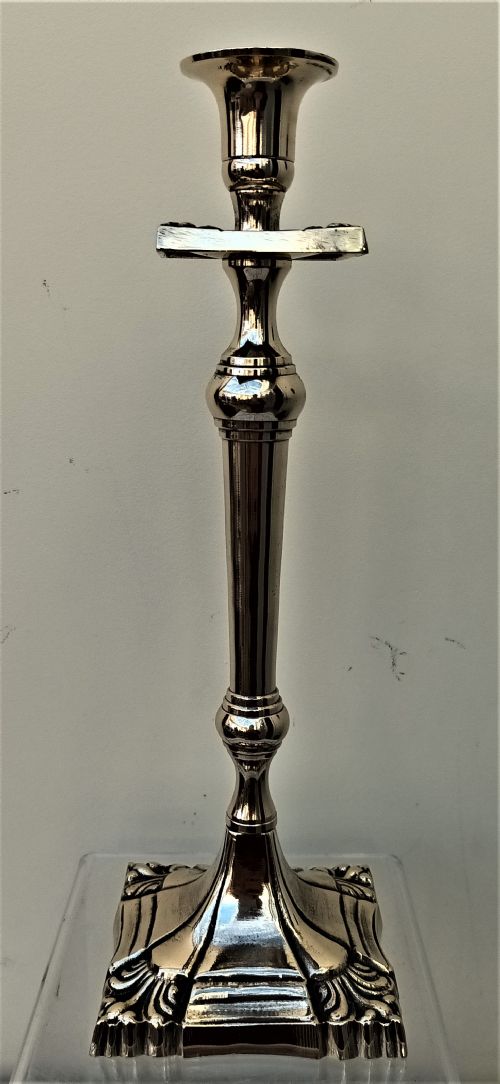
Buyers meet single examples and pairs featuring characteristics such as detachable sconces, petal bases, square bases, and side ejectors. Certain pieces incorporate oak turned shafts with brass tops, while others utilise walnut or silvered finishes.
The archive records domestic lighting alongside altar forms and articulated designs. Earlier examples often display ribbed trumpet stems or cast seamed construction from the seventeen hundreds.
How they were made
Maker workshops produced these items in brass using casting techniques, often working in two halves joined together along a seam. Lathe turning shaped the stems and sockets of many examples, creating smooth profiles and consistent weight.
Details like side ejectors required internal mechanisms to push out residual wax remnants. Subsequent finishing involved hand polishing and patination to bring out the warm metallic tone of the alloy.
What varies in quality
The crispness of the original cast detail separates standard production from superior examples. Sharp mouldings on petal bases and well-defined mouldings on sockets indicate skilled pattern making.
Surface patination and integrity of construction determine the standing of a piece. Original components, such as matching detachable sconces or intact ejector mechanisms, maintain the historical completeness of the metalware.
Edward Kendrick
The English Brass Candlestick Glossary
- Sconce
- The socket at the top of the candlestick that holds the candle in place. Detachable versions allowed easier cleaning of wax accumulation.
- Ejector
- A concealed internal mechanism operated via a side thumbpiece that pushed the candle stub upward for removal. This device appears frequently on eighteenth-century examples.
- Petal base
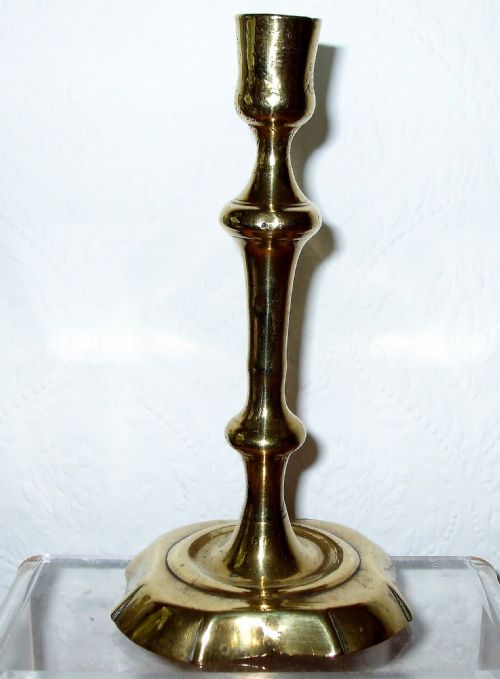
- A multi-lobed foot shape resembling unfolding flower petals, popular during the early eighteenth century. This decorative form added stability to the base.
- Seamed
- A method of construction where cast brass components were joined along a visible vertical line. This technique was standard for hollow-cast stems before extrusion methods developed.
Frequently Asked Questions
How do I date an english brass candlestick?
Dating relies on observing base shapes, construction methods, and stem profiles. Earlier seventeenth and early eighteenth-century examples often feature ribbed trumpet feet or seamed casting lines.
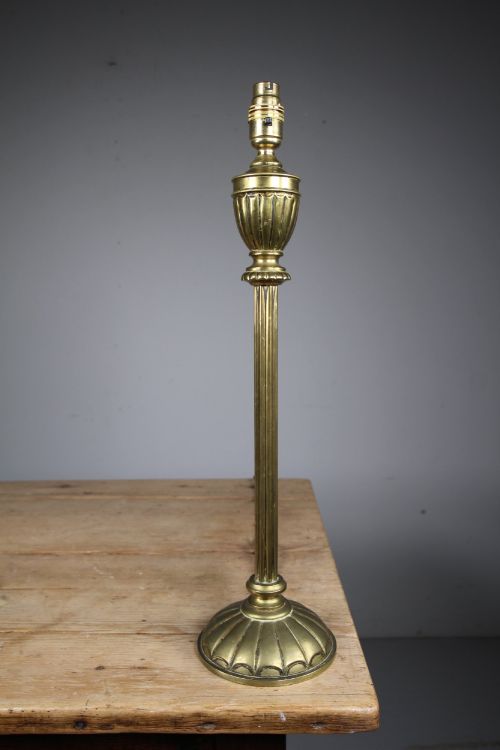
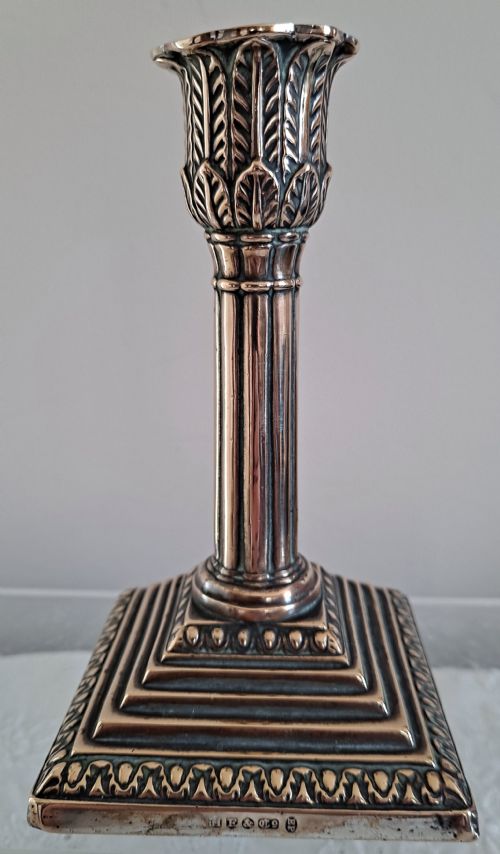
Later Georgian and Victorian pieces show shifts toward column designs, Corinthian capitals, or paired configurations with more standardised manufacturing techniques.
What is a detachable sconce?
A detachable sconce is the removable top cup section of the candlestick designed to catch dripping wax. It lifts away from the main nozzle for straightforward cleaning.
Finding an example that retains its original matching sconce adds considerably to the historical integrity of the piece.
How were side ejectors used?
Side ejectors use a small thumb lever operating through a vertical slot in the stem to lift the remaining candle stub. This allowed users to clear spent wax without inverting the candlestick.
Such mechanisms demonstrate practical domestic engineering from the early eighteenth century.
How do I clean old brass?
Historic metalware benefits from minimal intervention to preserve the dark patination accumulated over centuries. Dusting with a soft cloth and avoiding harsh chemical polishes maintains the surface skin.
Aggressive cleaning strips away the oxidation that confirms the age and authenticity of the brass.