

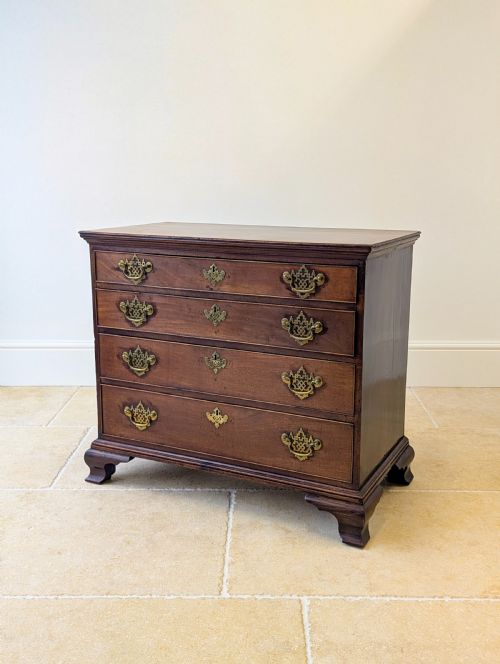
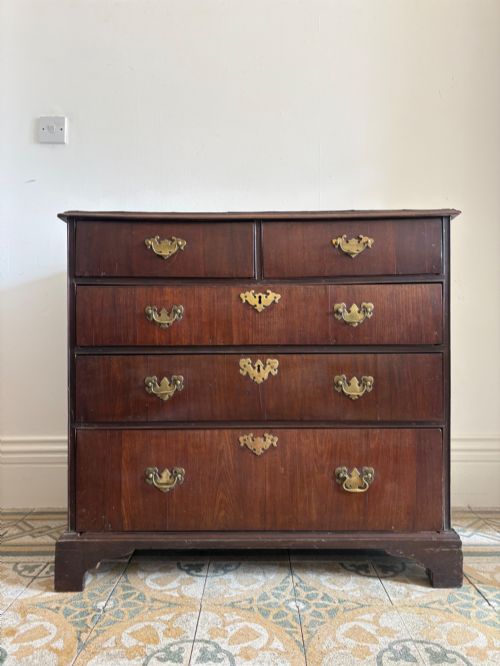


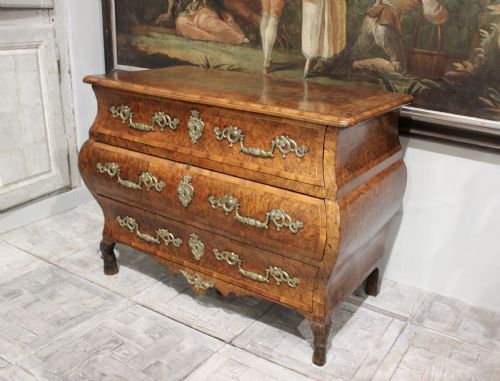
Mid 18th Century Brass
Mid 18th century brass items bring the honest weight and warm glow of Georgian metalwork straight into a room.
Mid 18th Century Brass
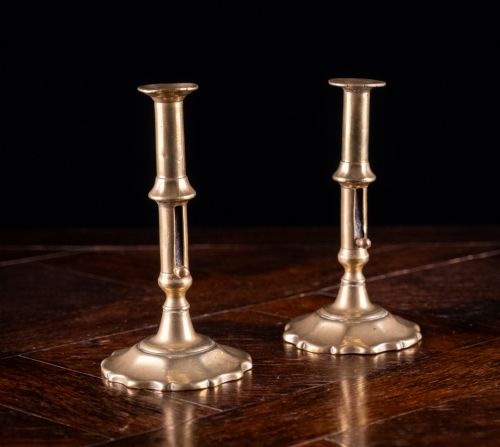
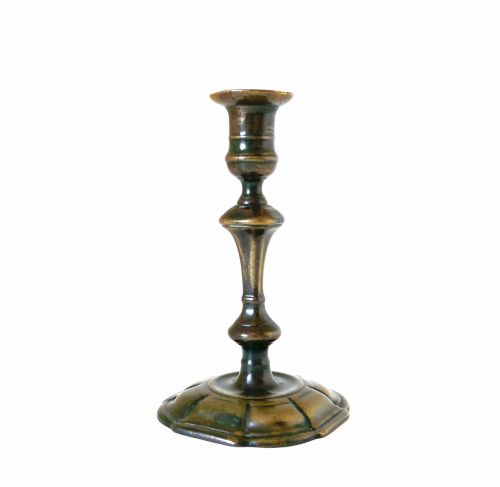
When you search for mid 18th century brass, you encounter solid metal objects designed for everyday domestic use during the Georgian period. Candlesticks dominate the selections, appearing both as single examples and matched pairs with baluster shafts and petal bases.
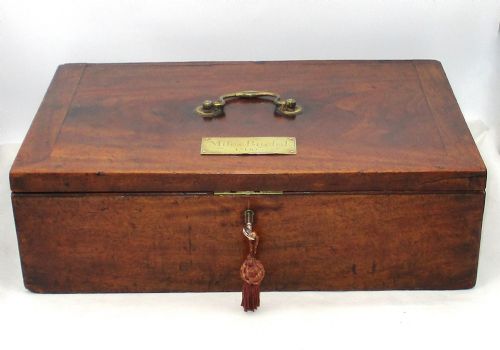
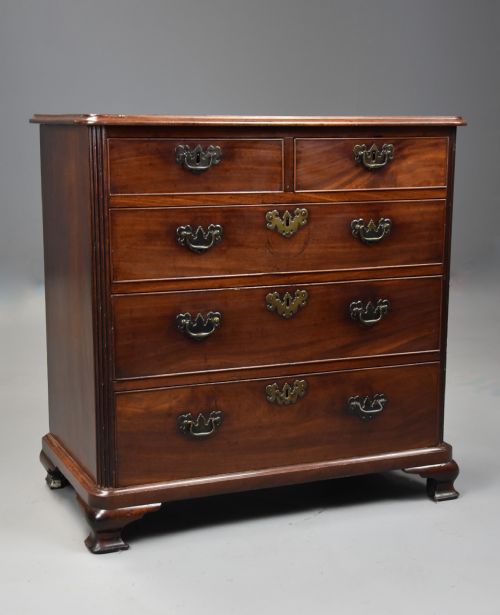
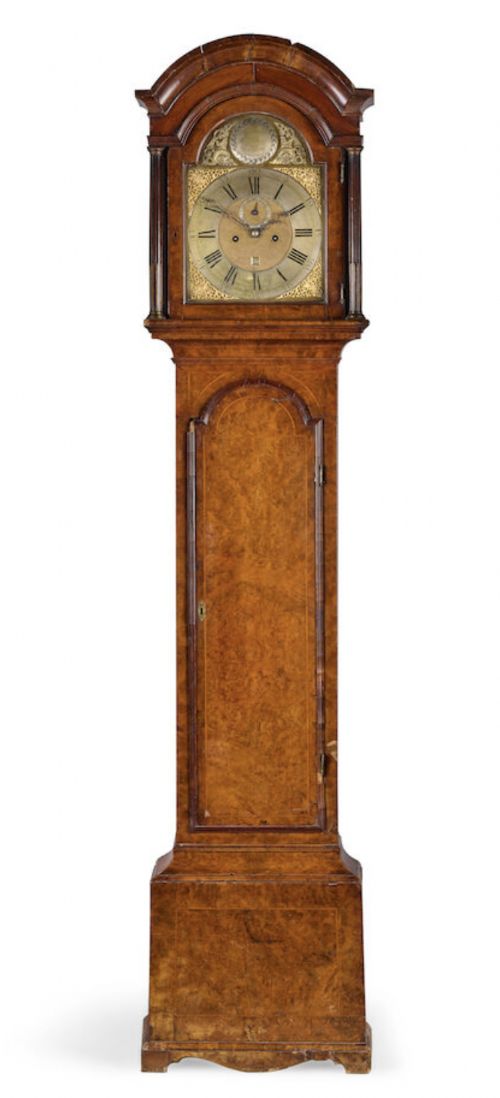
Beyond lighting, the selections include storage containers and scientific equipment shaped from the alloy. These domestic survivors reflect the standard manufacturing output of the mid 1700s, often paired with timber bodies like mahogany, walnut, and cedar.
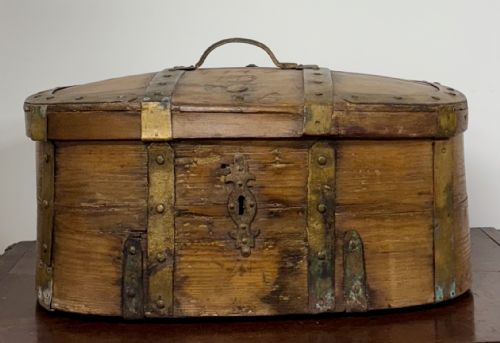
The objects span origins from English workshops to continental European centres, displaying regional stylistic preferences. Buyers meet items ranging from simple domestic lighting to brass-bound trunks and specialised items like telescopes.
How they were made
The metal objects rely on traditional casting techniques, utilising multi-knopped stems and shaped bases joined securely together. Workers employed seaming and casting methods to form candlesticks, while chests and boxes received heavy brass handles, mounts, and collars.
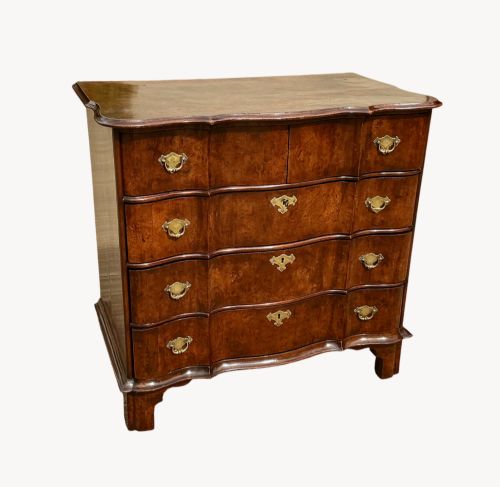
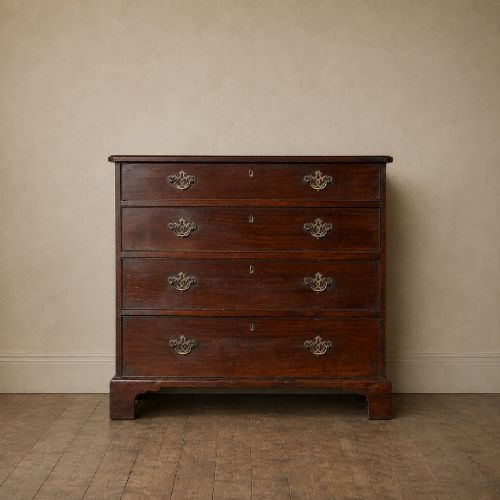
Makers combined the bright alloy with dense timber substrates, attaching hardware through manual fastening into walnut, mahogany, oak, and cedar. The resulting items demonstrate a reliance on durable materials intended for sustained household utility.
Some items feature hidden internal slides designed solely to pop out old wax ends without singeing your fingers.
What varies in quality
Quality rests in the crispness of the casting detail and the integrity of the original construction. Superior examples retain their intended proportions, sharp knopping on stems, and uncompromised structural stability across both metal and wooden components.
The depth of the metal's surface oxidation and the preservation of original mounts dictate the desirability of a piece. Better specimens maintain unpolished warmth and complete, period-correct hardware rather than later replacements.
Windmills and Wightman·John Gilbert
The Mid 18th Century Brass Glossary
- Ejector candlestick
- A lighting device containing an internal mechanism to push out the remaining wax stub. This clever addition simplified candle maintenance.
- Baluster
- A moulded shaft with a swelling contour that resembles a small architectural pillar. It forms the central stem of many period candlesticks.
- Knopped
- Describes a stem decorated with one or more rounded knobs or protuberances. This shaping provides a secure grip for the user.
- Paktong
- A copper-nickel-zinc alloy originating from China that mimics the appearance of silver. Craftsmen used it to create bright, silvery candlesticks.
- Padouk
- A dense tropical hardwood with a reddish hue utilised for small boxes. It offered a sturdy, decorative alternative to domestic timbers.
Mid 18th Century Brass: Frequently Asked Questions
How do I clean mid 18th century brass?
Historic metalwork benefits from minimal intervention to preserve its aged surface appearance. Heavy cleaning removes the dark oxidation layers accumulated over centuries.
Dust the surface gently with a soft dry cloth. Avoid abrasive compounds that strip away the authentic finish.
Are these candlesticks marked?
Most domestic brass items from this era lack maker signatures or touchmarks. Workshops produced utilitarian goods in high volumes without stamping them.
Attribution relies entirely on stylistic evidence, construction methods, and material composition. Unmarked pieces remain standard for the period.
What is an ejector mechanism?
An internal rod or sliding plate allows the user to raise the remaining candle remnant. This internal bar protrudes through the side or base.
It prevented burned fingers and simplified the removal of stubborn wax. Many paired examples feature this functional addition.
How do I identify a Georgian piece?
Dating relies on matching the form, weight, and casting characteristics to documented examples from the mid 1700s. Base shapes often transition from petal outlines to square or round configurations.
Examine the construction seams and metal colour under natural light. Comparing the proportions to known dated specimens confirms the era.