



English Baroque Portraiture
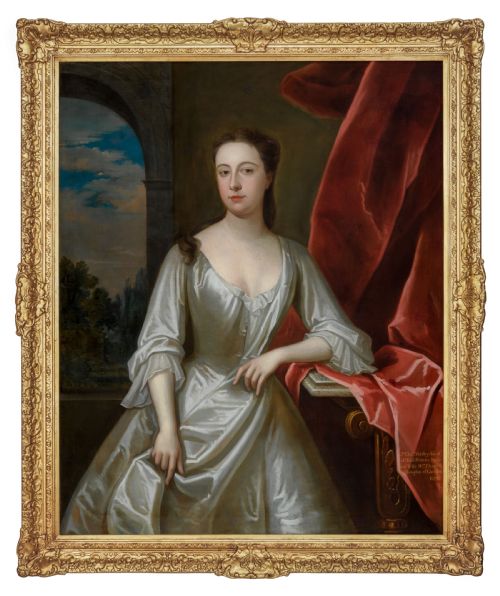
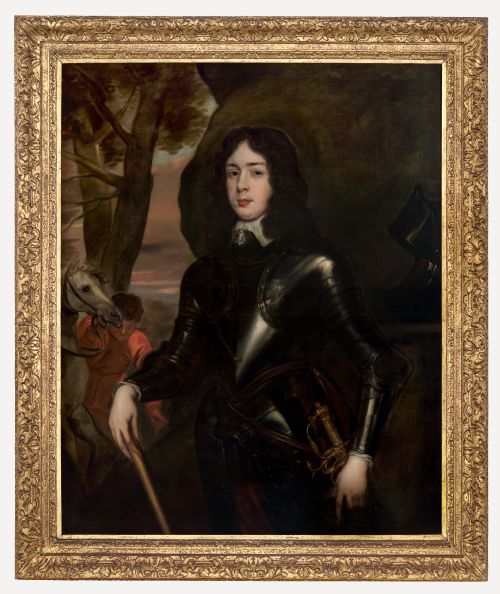
English baroque portraiture captures noble sitters through grand oil paintings set within heavy giltwood frames from the seventeenth and eighteenth centuries.
English Baroque Portraiture
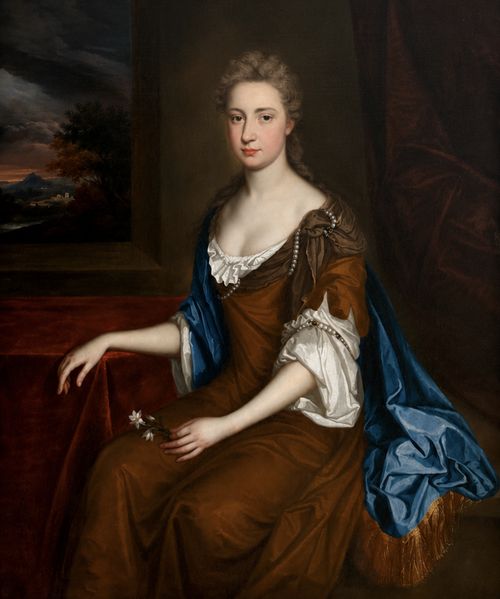
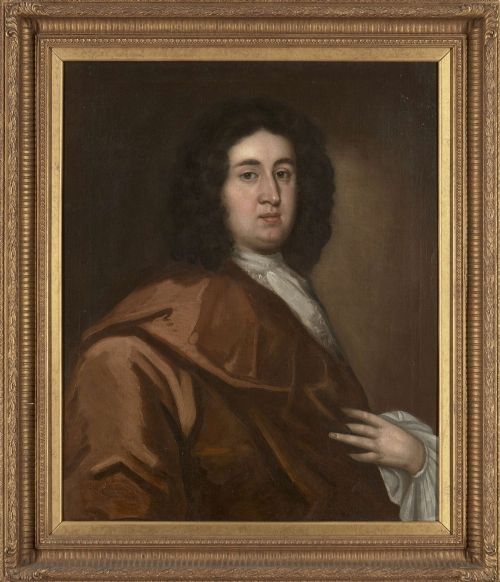
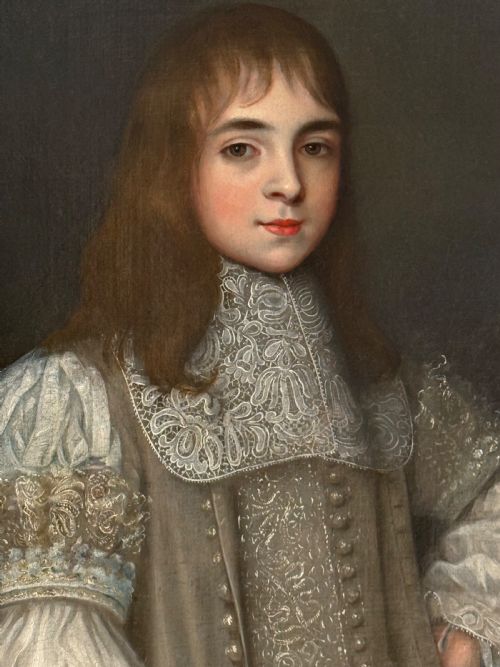
English baroque portraiture records noblewomen, gentlemen, and royalist officers through formal oil paintings dating from the seventeenth and eighteenth centuries. These fine art pieces span styles such as Stuart, Restoration Stuart, and seventeenth century British school.
The works most commonly met on this page include paintings by circles and followers of prominent masters, depicting sitters in elaborate costume, armour, or garter robes. Canvases often present subjects beside marble tables or with horses and grooms beyond.
Compositions range from intimate portrayals of individual family members to grand depictions of dukes and noble ladies. The visual language emphasises status through rich garments, dignified poses, and opulent frames.
Materials and Technique
Makers built these works using oil paint applied to canvas surfaces, capturing fine details of costume and expression. Pigments were layered to create depth in fabrics, flesh tones, and background landscapes.
Frames are constructed from wood, specifically giltwood or gilded wood, providing an ornate architectural border for the painted canvas. This combination of oil on canvas and carved wood creates a unified, substantial object.
Sir Jeffrey Hudson stands out among the sitters as a celebrated seventeenth-century court dwarf.
Judging Quality
The standard of execution in brushwork and the handling of fabric drapery separate masterworks from workshop pieces. Superior portraits show a confident rendering of light on silk, velvet, and armour.
The preservation of the original canvas and the quality of the giltwood frame influence the overall integrity of the piece. Works that retain their period framing and stable paint layers possess greater historical weight.
Sir Godfrey Kneller·John Hayls·John Closterman·John Michael Wright·Sir Anthony van Dyck·John Greenhill·Robert Byng·John Riley·Daniel Mytens
The English Baroque Portraiture Glossary
- Baroque
- An artistic style originating in the seventeenth century characterised by drama, rich detail, and grand scale. It manifests in these portraits through theatrical drapery and imposing poses.
- Giltwood
- Wood carved and coated with a thin layer of gold leaf. This material forms the ornate frames that enclose the canvas paintings.
- Oil on Canvas
- A painting medium using pigments suspended in drying oils applied to a stretched fabric support. This technique allows for subtle blending and rich colour depth.
- Restoration
- A historical period following the return of the monarchy in sixteen sixty, influencing British art and culture. Portraits from this era often reflect renewed courtly splendour.
- Stuart
- Referring to the royal house ruling Britain during the seventeenth century. Sitters from this period frequently wear elaborate contemporary costume or military attire.
English Baroque Portraiture: Frequently Asked Questions
What is English baroque portraiture?
These pieces are oil paintings on canvas depicting noble sitters, officers, and ladies from the seventeenth and eighteenth centuries. They reflect the grandeur and courtly elegance of the baroque style.
Subjects are typically shown in elaborate dress or armour, often accompanied by symbolic backgrounds or architectural elements like marble tables.
How were these portraits used?
Landed families and nobility commissioned these large paintings to display lineage, status, and wealth within grand houses. They served as permanent records of ancestry and political allegiance.
Many hung in galleries and reception rooms to impress visitors and assert the family's standing in society.
How do I live with an antique oil painting?
Protect the canvas from direct sunlight and maintain stable room humidity to prevent the oil paint from cracking. Hang the heavy giltwood frame securely from structural wall supports.
Keep the painting away from direct heat sources and dust the surface gently with a soft, dry brush.
How can I tell periods apart?
Examine the costume, hair styling, and armour of the sitter, which shifted noticeably between the mid-seventeenth century and the early eighteenth century. Restoration portraits show different stylistic markers compared to later works from the 1700s.
Inscribed details and attribution to specific circles or followers also help anchor the piece within a particular decade.