
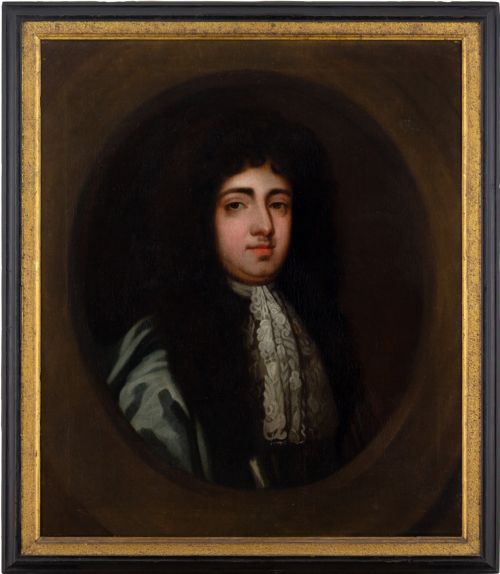


Restoration Portrait Gentleman
A restoration portrait gentleman captures the gravitas, status and character of an elite subject through seventeenth-century oil painting.
Restoration Portrait Gentleman
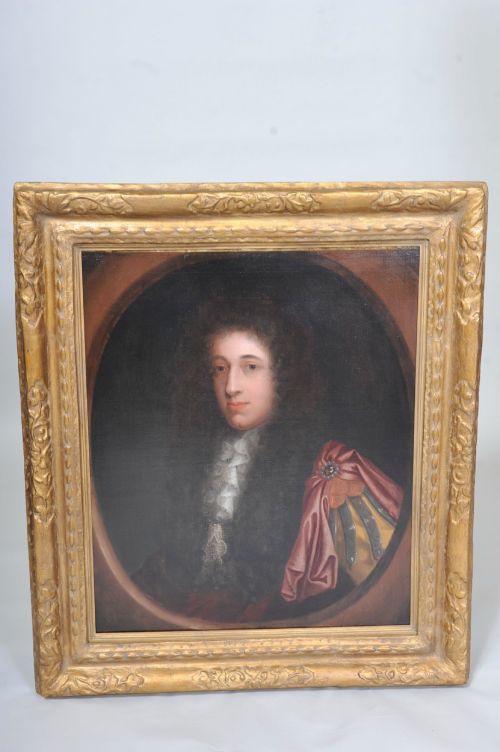
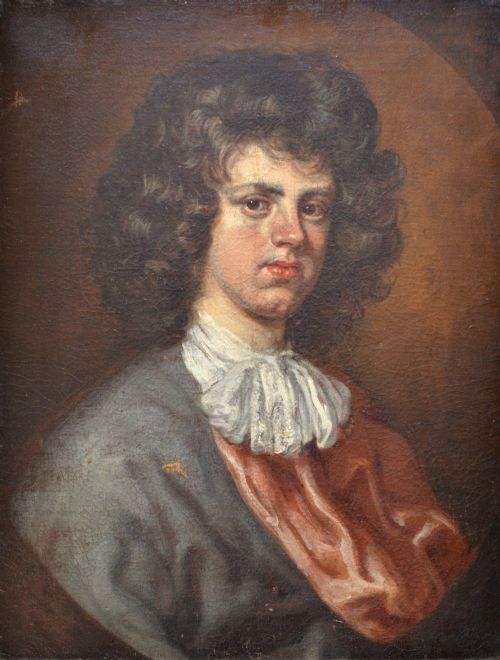
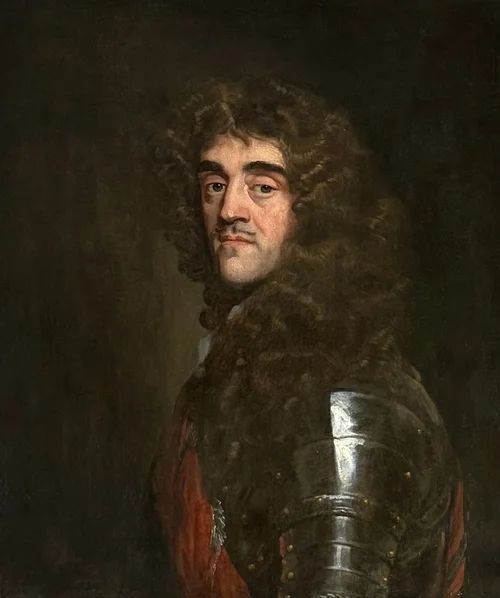
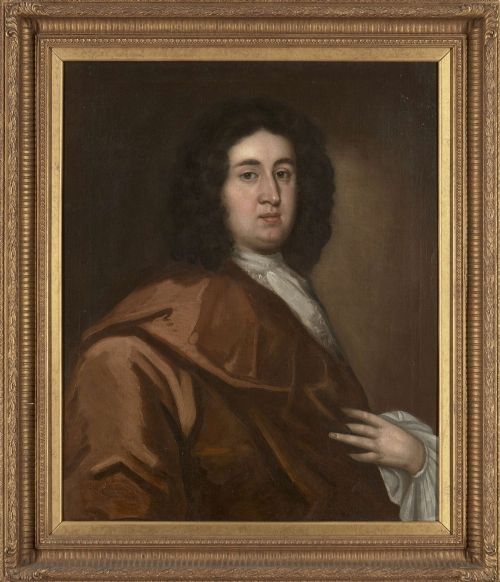
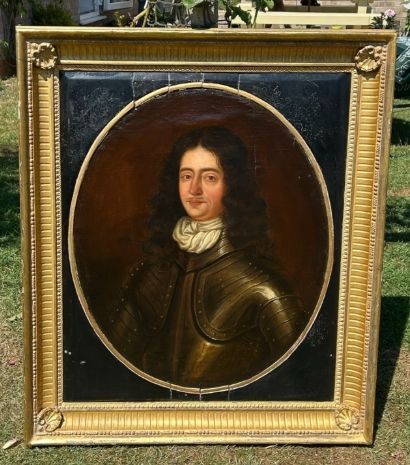
A restoration portrait gentleman depicts male subjects from the seventeenth century, often rendered in oil on canvas during the Stuart and British Baroque periods. These artworks range from anonymous depictions of military officers and judges to identified sitters linked to notable historical figures.
Most examples hail from the English, Anglo-Dutch or Anglo-Irish schools, reflecting the distinctive aesthetic preferences of the aristocracy and landed gentry of the era. The sitter frequently appears in half-length format, wearing contemporary armour, elaborate costume or academic robes.
Materials and technique
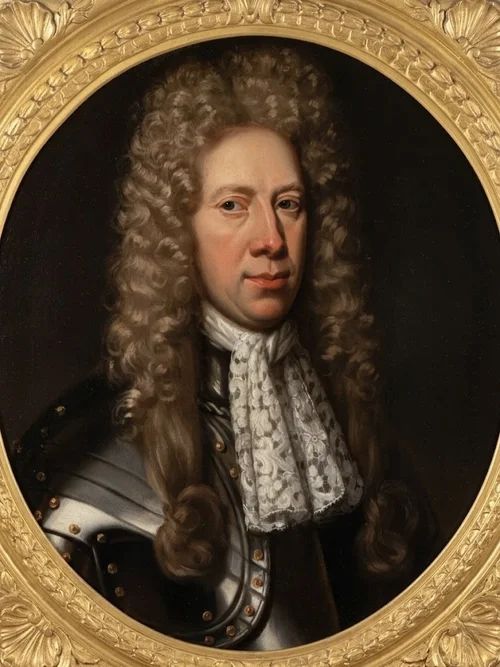
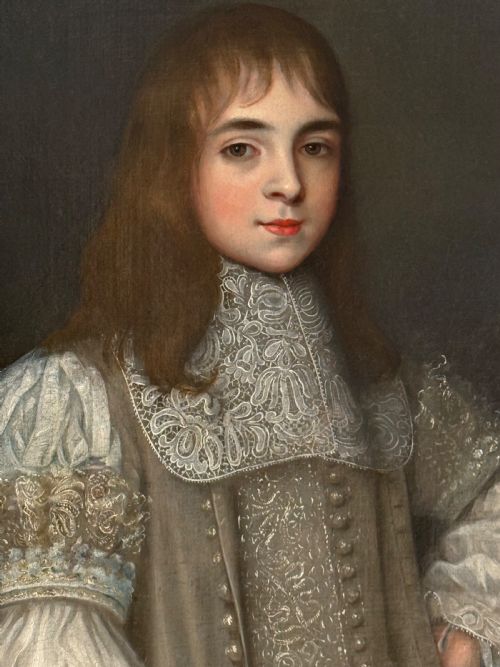
Techniques rely on the characteristic chiaroscuro and detailed drapery of seventeenth-century baroque portraiture, capturing the texture of velvet cloaks, lace cravats and polished metal armour.
Several gentlemen stare out from their canvases clad in heavy steel armour while sporting remarkably elaborate lace cravats.
Judging quality in execution
Quality rests in the handling of the sitter's expression, the anatomical accuracy of hands and face, and the skill shown in rendering complex costume details like lace and armour. Works originating from the circle of established court painters display superior draughtsmanship and psychological depth.
The survival of the original canvas, stable pigment adhesion, and the presence of a period giltwood frame significantly elevate the standing of a piece.
Mary Beale·John Scougall·John Greenhill·John Closterman·John Michael Wright·John Riley·Willem Wissing·Michael Dahl
The Restoration Portrait Gentleman Glossary
- Baroque
- A style of European art of the seventeenth and early eighteenth centuries characterised by dramatic movement, deep shadow and grand scale. It dominates the visual language of these portraits.
- Oil on canvas
- A painting medium where pigments are suspended in drying oils and applied to a woven fabric support. This combination allowed artists to build rich, luminous colour layers.
- Giltwood
- Wood carved and treated with a thin layer of gold leaf or gold paint. It provides the ornate, reflective borders typical of period frames.
- Circle of
- A designation used when a painting shares the distinct style and technique of a master artist's studio or close associates. It indicates high-level workshop production.
- Armour
- Protective steel clothing worn by military figures in seventeenth-century portraiture to signal martial status and authority. Painters rendered it with high highlights to simulate polished metal.
Restoration Portrait Gentleman: Frequently Asked Questions
What period do these portraits represent?
These artworks predominantly date from the seventeenth century, capturing the stylistic shifts of the Stuart era and British Baroque movement. A smaller number connect to later French Bourbon Restoration aesthetics.
The sitters reflect the clothing, social hierarchies and political allegiances of the British Isles and northern Europe during the decades surrounding the English Civil War and the restoration of the monarchy.
Who are the subjects in these paintings?
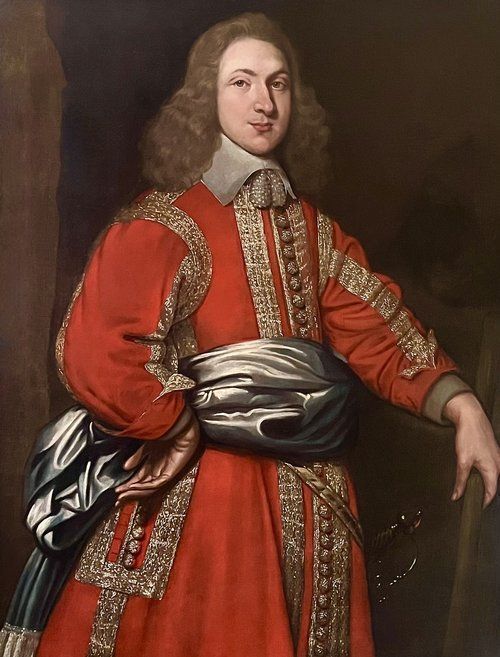
The subjects include military officers, judges, nobles and gentlemen of the landed gentry, sometimes identified by name and title such as lord chief justice or viscount. Many sitters wear armour, red coats or elaborate court costume.
Anonymous portraits frequently depict prosperous merchants or military figures whose exact identities remain lost to history while their social rank stays clear through their attire.
How should I hang an oil portrait?
Display the canvas away from direct sunlight and fluctuating heat sources to protect the ageing oil pigments and wood frame from cracking. Stable indoor humidity keeps both the canvas and the giltwood secure.
Position the painting at eye level on a sturdy wall, ensuring the weight distributes evenly across appropriate fixings suited to the wall type.
What does circle of mean in a title?
This attribution indicates that the work emerged from the studio or followers of a noted master rather than being painted entirely by the artist's own hand. These pieces share the exact technical methods and stylistic traits of the named painter.
Many talented contemporaries and workshop members produced work in the manner of leading figures like Mary Beale or John Michael Wright.