





English Architectural Salvage
English architectural salvage brings centuries of craftsmanship into modern spaces through rescued stone, timber and ironwork.
English Architectural Salvage
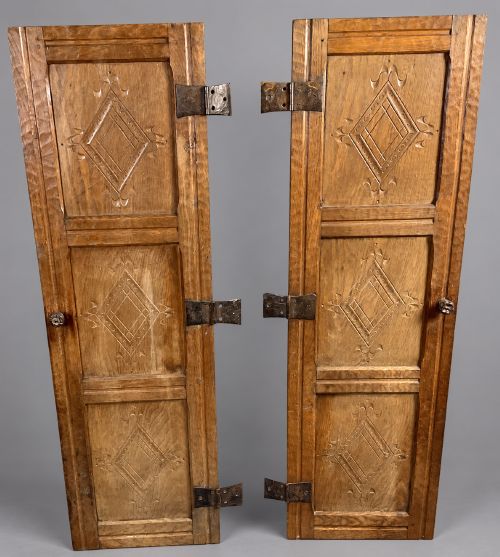
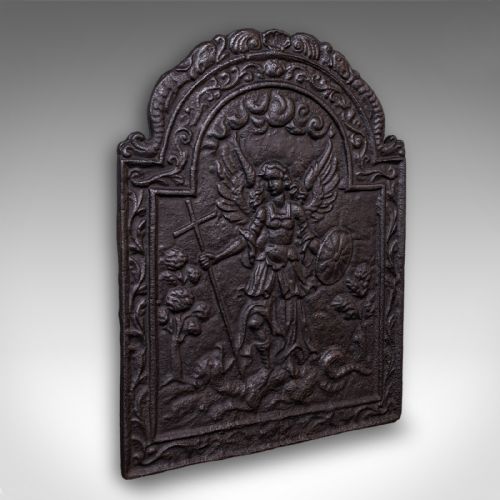
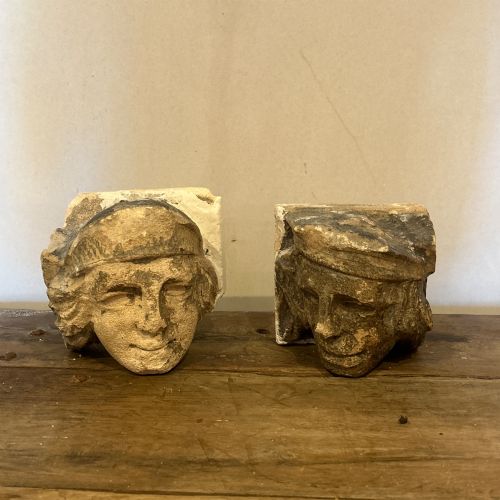
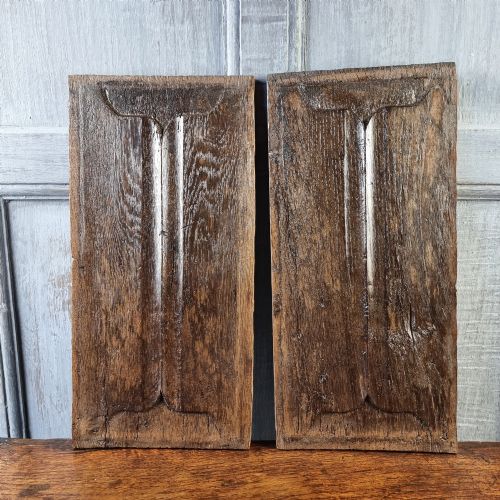
English architectural salvage comprises rescued fragments and fixtures spanning from pre-sixteenth century masonry to twentieth-century fairground pieces and post boxes. Buyers encounter items ranging from medieval limestone corbels and sixteenth-century oak linenfold panels to Victorian cast iron fire backs and Georgian weathervanes.
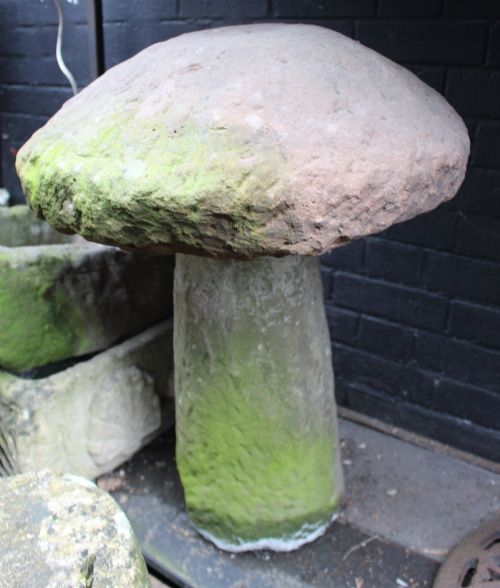
The selection leans heavily toward carved wood and heavy stone, including staddle stones in sandstone and granite, alongside functional metalwork like door knockers and copper lanterns. These pieces originate from ecclesiastical, domestic and fairground contexts, preserving vernacular and gothic traditions.
Most entries belong to the nineteenth and seventeenth centuries, offering tangible pieces of historical fabric such as arched window mirrors and church stained glass windows. Each object carries the patination of age, showing traces of old paint and weathering.
Assessing quality and character
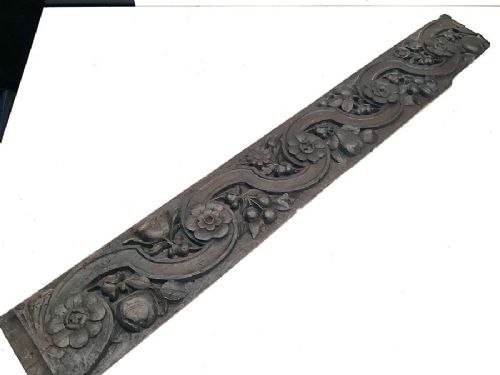
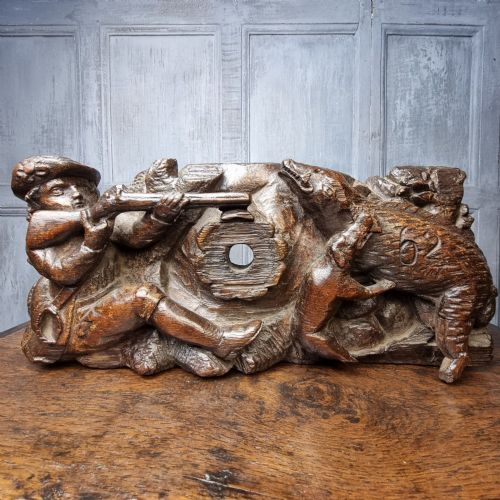
Quality rests upon the crispness of hand-carved detail in timber and stone, distinguishing masterworks like seventeenth-century overdoor panels from simpler vernacular items. The depth of relief and the proportion of figures or motifs dictate the aesthetic success of carvings and corbels.
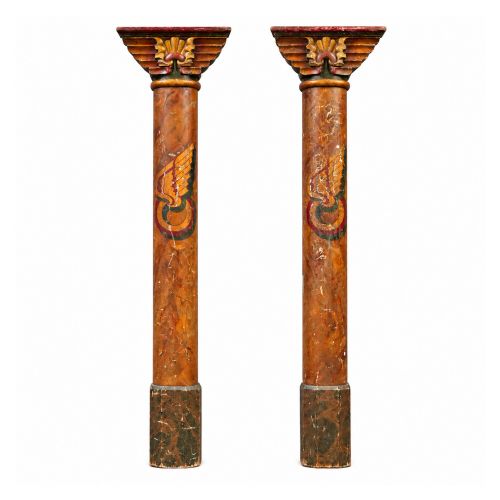
The integrity of the material surface elevates a piece, particularly where original paint, natural weathering or untouched patination remain intact rather than stripped or over-restored. Completeness within pairs, such as matched fairground columns or limestone corbels, also defines the standard of a survival.
English Architectural Salvage Retail Price Guide 2026
Typical asking prices for english architectural salvage among the pieces listed under this phrase on Sellingantiques today, from the lower quarter to the upper quarter. They describe what is for sale here now, not the wider market.
A Georgian huntsman silhouette keeps watch alongside carousel columns from the 1920s.
Master Carver Edward Pearce
The English Architectural Salvage Glossary
- Linenfold
- A style of wood carving that mimics folded linen, commonly seen on sixteenth-century oak panels. This decorative motif creates a textured surface of vertical semicircular folds.
- Staddlestone
- A mushroom-shaped stone support originally used to elevate granaries and grain ricks off the damp ground. They are typically hewn from sandstone or granite.
- Corbel
- A structural piece of stone jutting from a wall to carry a superincumbent weight. Medieval examples often feature hand-carved figural or architectural detailing.
- Weathervane
- A mechanical device used to show the direction of the wind, often featuring folk art silhouettes such as cockerels or huntsmen. They combine sheet metal work with directional iron arms.
- Reflector
- A polished metal accessory placed behind a fireplace to project heat into a room. These heavy cast or sheet iron pieces are characteristic of nineteenth-century hearths.
English Architectural Salvage: Frequently Asked Questions
What is architectural salvage?
Architectural salvage consists of building materials, ornaments and fixtures rescued from structures slated for demolition or alteration. These items preserve historical craftsmanship for modern decorative or structural reuse.
Items range from timber wall panels and stone staddle stones to stained glass windows and cast iron post boxes, each bearing the marks of its original period.
How were staddle stones used?
Staddle stones served as sturdy bases for agricultural buildings, particularly granaries and hayricks, keeping stored crops dry and safe from vermin. The cap sat atop a separate stone base to prevent rats from climbing up.
Today, these substantial sandstone and granite blocks are repurposed as garden ornaments and patio focal points.
How do I identify a linenfold panel?
Linenfold panels feature carved wooden surfaces designed to resemble vertical folds of fabric, highly popular in Tudor and sixteenth-century interior decoration. The technique creates a rhythmic, textured pattern across oak or walnut.
Examining the back and edges reveals hand-tool marks and timber shrinkage consistent with early craftsmanship.
Can antique weathervanes still be used outside?
Many antique weathervanes remain structurally sound and capable of functioning outdoors, though many collectors choose to display them inside as folk art sculptures. Weathered surfaces and old paint require careful consideration before prolonged exposure to modern weather.
Mounting them securely protects the delicate balance of the directional arrow and silhouette.
What period do gothic revival windows come from?
Gothic revival stained glass and architectural fragments typically date from the nineteenth century, when architects and builders drew inspiration from medieval designs. These pieces emulate the pointed arches and religious iconography of earlier centuries.
They are frequently installed as interior mirrors or wall hangings to capture natural light.