




Cast Metal Knocker
A cast metal knocker brings genuine period character and weight to an entrance, offering tactile history through bronze, brass and iron.
Cast Metal Knocker
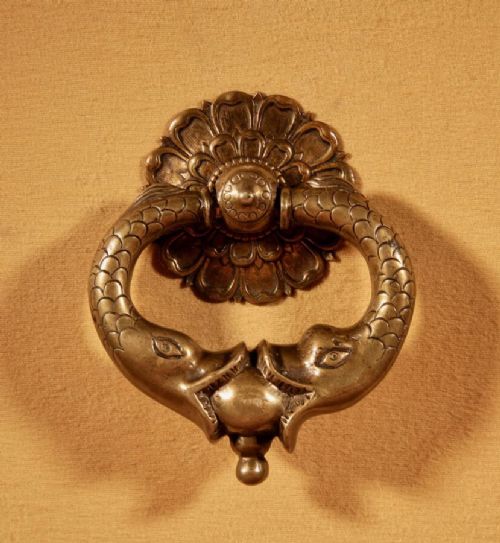
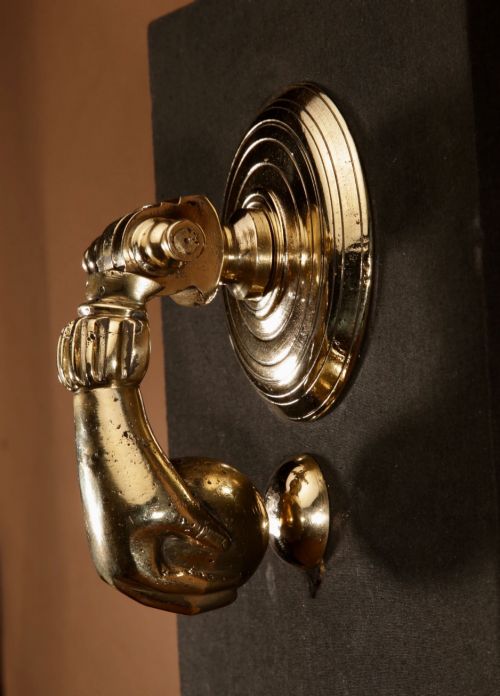
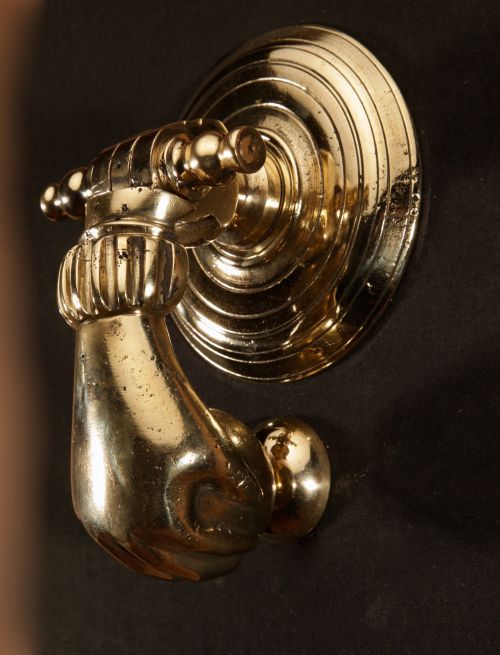
A cast metal knocker serves as functional door hardware designed to announce visitors, taking forms such as hands, sea serpents, lions, dolphins and rams' heads. Buyers seeking a cast metal knocker encounter pieces dating from the eighteenth century through the Victorian era, executed in styles ranging from Neoclassical to Regency and continental designs.
The selection on this page centres on sturdy door knockers fashioned in bronze, brass, cast brass, cast iron and lead. Many examples survive as complete assemblies, occasionally retaining their original striking plates for mounting onto exterior doors.
How they were made
These items are produced through traditional metal casting methods, utilising durable materials such as bronze, brass, cast iron and lead to achieve intricate sculptural relief. Artisans poured molten metal into moulds to form distinct motifs including laurel wreaths, animal heads and human hands.
Cast Metal Knocker Retail Price Guide 2026
Typical asking prices for cast metal knocker among the pieces listed under this phrase on Sellingantiques today, from the lower quarter to the upper quarter. They describe what is for sale here now, not the wider market.
What varies in quality
The choice of material and the historical integrity of the piece further divide the range, with heavier bronze and early continental or Regency specimens holding distinct sculptural presence compared to later production styles.
Kenrick & Sons
The Cast Metal Knocker Glossary
- Bronze
- A heavy copper alloy known for durability and deep patination. It was frequently utilised for fine sculptural door hardware across the eighteenth and nineteenth centuries.
- Striking plate
- The metal plate mounted on the door face to receive the impact of the knocker. This component protects the timber door from repeated blows.
- Neoclassical
- A decorative style drawing inspiration from classical antiquity. It appears on door hardware through symmetrical motifs like laurel wreaths.
- Regency
- An English design period spanning the early nineteenth century. Pieces from this era often exhibit refined classical proportions and clean lines.
Cast Metal Knocker: Frequently Asked Questions
How do I mount a heavy cast metal knocker?
These pieces require secure fixings matched to the weight of the bronze, brass or iron, typically utilising through-bolts or sturdy screws suited to exterior timber doors.
Ensure the striking plate aligns properly with the moving arm to prevent damage to the door surface during daily use.
Are these door knockers suitable for exterior use?
Most of these items were originally forged for exterior entryways, utilising robust metals designed to withstand outdoor conditions over centuries.
Regular exposure to the elements will continue to influence the natural patina of the bronze and brass surfaces.
How do I identify a Victorian knocker?
Victorian examples often display naturalistic or ornate revival motifs, including marine themes like dolphins and sea serpents alongside lion masks.
Stylistic conventions of the nineteenth century favoured heavy, tactile designs that made a bold visual statement on an entrance.
What is a striking plate?
The striking plate is the designated contact point fitted directly beneath the knocker head to absorb the repeated impact of the metal.
This small addition preserves the surrounding wood of the door from wear and tear over decades of use.