




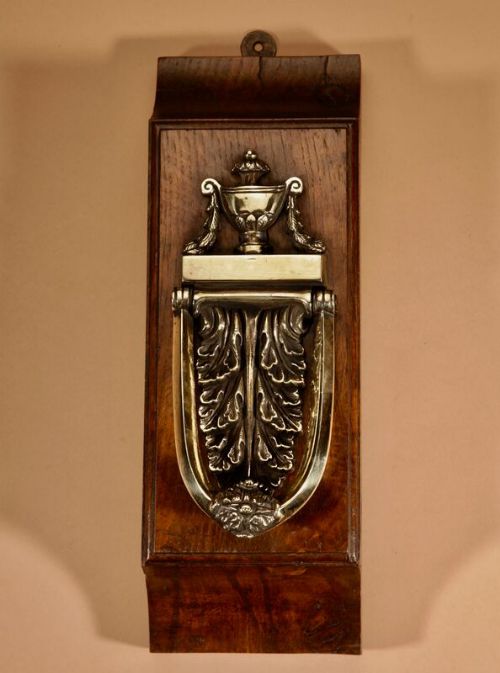


Period Front Door Furniture
Period front door furniture comprises historic hardware such as knockers and knobs in brass, bronze, and oak designed to outfit entranceways.
Period Front Door Furniture
Period front door furniture encompasses historical hardware items designed specifically for the entranceways of buildings, ranging from brass knockers to oak corner cupboards. When exploring period front door furniture, buyers encounter a selection spanning the Georgian, Victorian, and Edwardian eras alongside earlier continental examples.
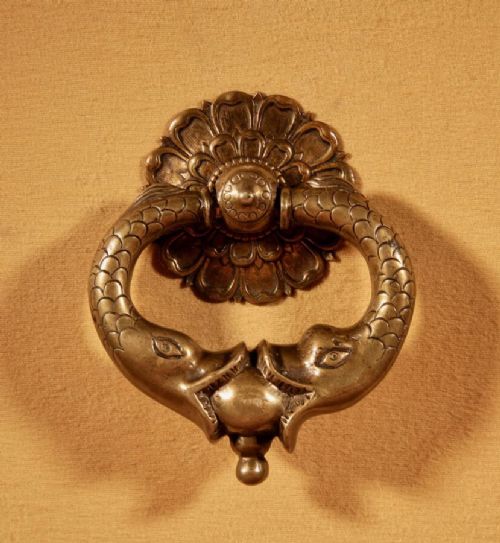
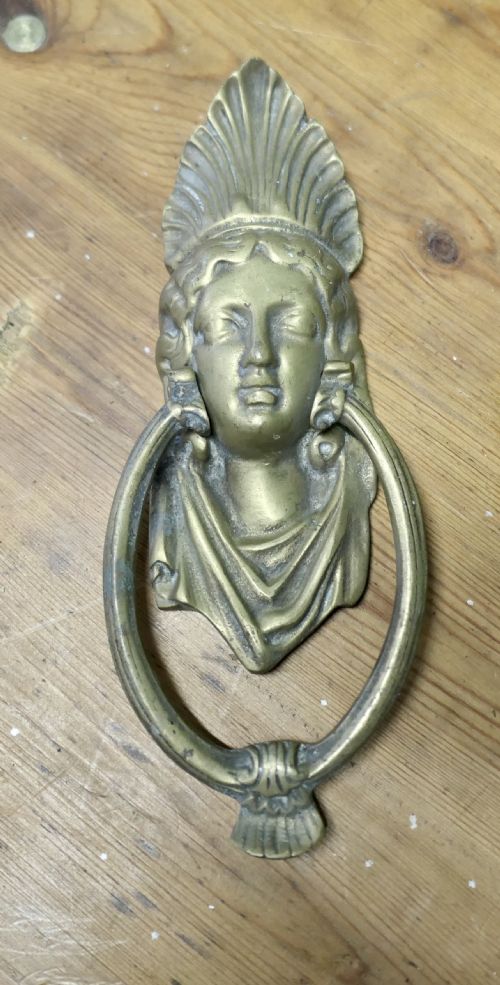
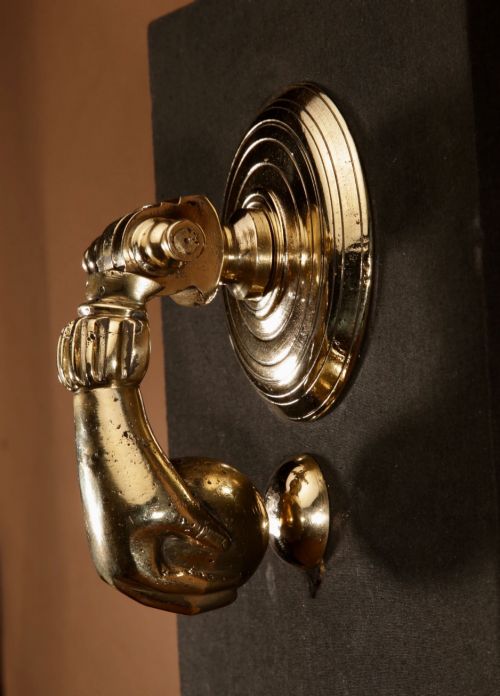
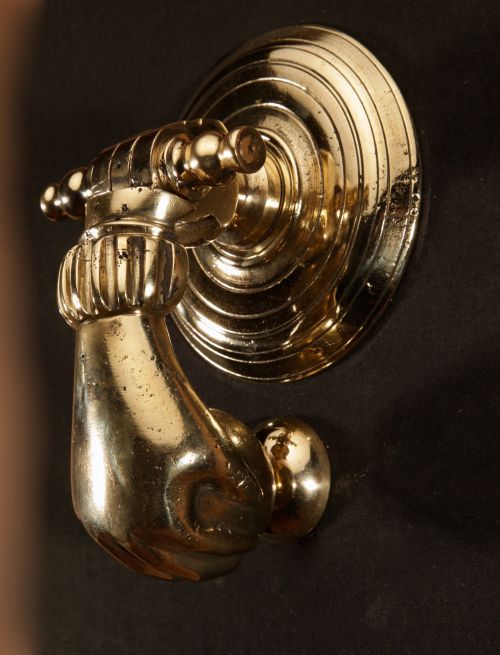
The objects typically take the form of functional door hardware, including door knockers shaped as hands or caryatids, centre door knobs, letter boxes, and pull handles. Materials such as solid brass, bronze, and occasional rosewood or ebony wood dominate the offerings on this page.
While the inventory includes miscellaneous cabinetry like bureau bookcases and side cabinets, the core focus remains on hardware intended to furnish and operate heavy wooden doors. These pieces reflect the prevailing architectural tastes of the nineteenth and eighteenth centuries.
How they were made
Metal components such as knockers, knobs, and letter boxes rely primarily on brass and bronze, shaped through casting techniques. These metals provide the durability necessary for exterior use while allowing for intricate surface details.
Wooden elements utilise oak, rosewood, walnut, and ebony, often combined with veneer work in cabinet pieces. Artisans shaped these timbers using traditional joinery and turning methods appropriate to each respective period.
Period Front Door Furniture Retail Price Guide 2026
Typical asking prices for period front door furniture among the pieces listed under this phrase on Sellingantiques today, from the lower quarter to the upper quarter. They describe what is for sale here now, not the wider market.
The listings span multiple centuries, incorporating Georgian, Regency, Victorian, and Edwardian periods alongside 18th-century continental examples.
What varies in quality
The choice of materials and the complexity of the design influence the standing of each piece. Heavier gauge brass and bronze components with ornate styling demonstrate superior craftsmanship compared to simpler utilitarian hardware.
The Period Front Door Furniture Glossary
- Caryatid
- A carved human figure acting as an architectural support. In door furniture, this appears as a decorative motif on knockers.
- Centre door knob
- A large knob mounted centrally on a front door rather than at the edge. These serve an aesthetic purpose or act as a pull.
- Bow front
- A convex curved front surface found on cabinetry. This shape is typical of certain Georgian corner cupboards.
- Bureau bookcase
- A combination of a sloping writing desk and shelving above. These large furniture pieces incorporate fitted interior compartments.
- Bee hive
- A descriptive term for a turned wooden or metal knob shape featuring concentric ridged rings. This pattern is common on Victorian door hardware.
Period Front Door Furniture: Frequently Asked Questions
What is period front door furniture?
Period front door furniture refers to original historic hardware items used on entrance doors, including brass knockers, centre knobs, and letter boxes.
These pieces date from eras such as the Georgian, Victorian, and Edwardian periods, reflecting the metalworking styles of their time.
How do I identify a Victorian door knocker?
Victorian door knockers often feature heavy cast brass or bronze construction with ornate details like caryatids, bee hive patterns, or hand shapes.
Examining the weight, metal composition, and casting sharpness helps distinguish these nineteenth-century examples from later reproductions.
Are centre door knobs functional?
Centre door knobs are mounted in the middle of the entrance door and typically serve as a pull or an ornamental focal point.
Historically, they accompanied traditional latch mechanisms rather than modern turning spindles.
What materials were used for Edwardian door fittings?
Edwardian door fittings commonly utilise cast brass and bronze for pull handles and knockers.
These metals provided the durability and tarnishing resistance required for exterior domestic use during the early twentieth century.