


English Wall Prints
English antique wall prints encompass framed cartography, mezzotints, and engravings spanning centuries, offering historical depth and traditional character to interior spaces.
English Wall Prints
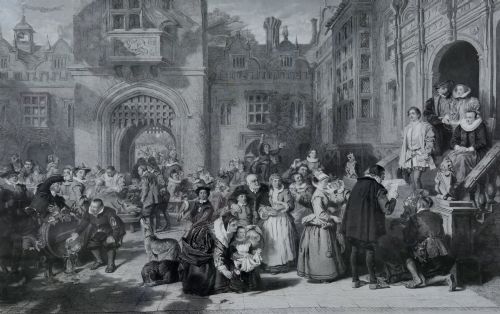
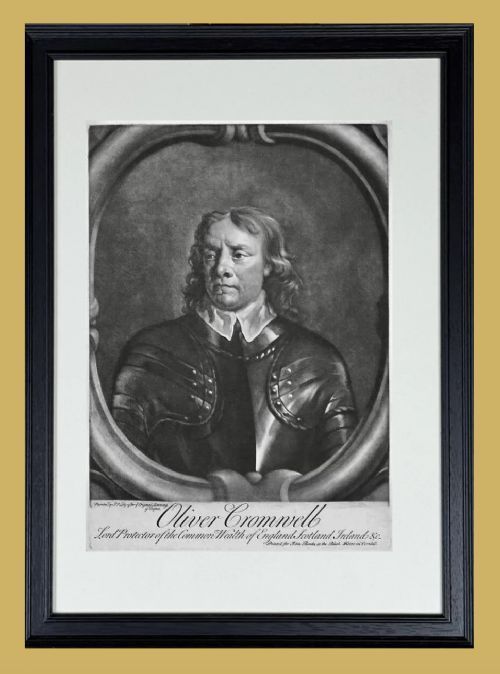
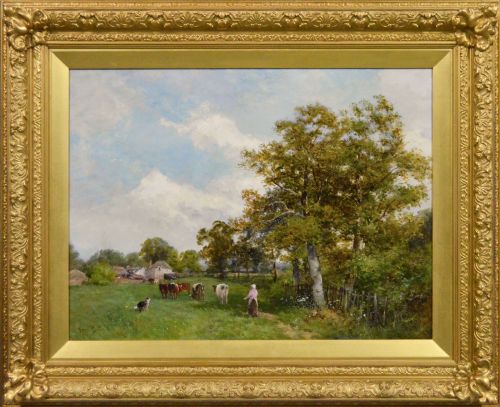
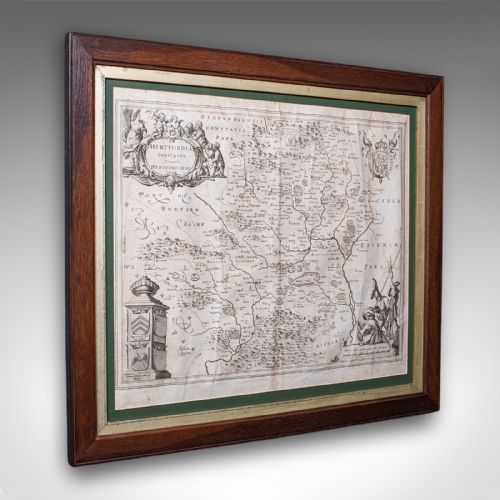
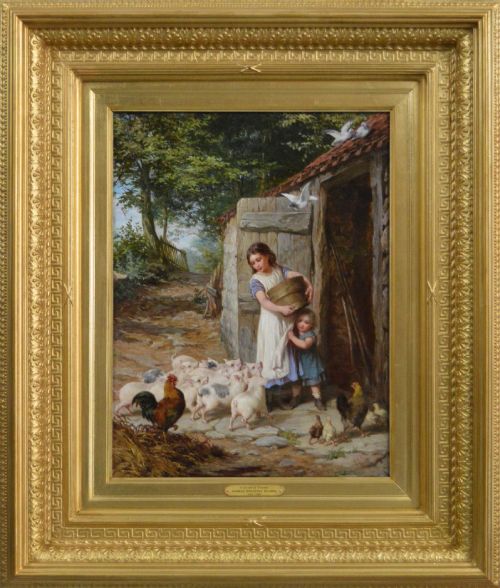
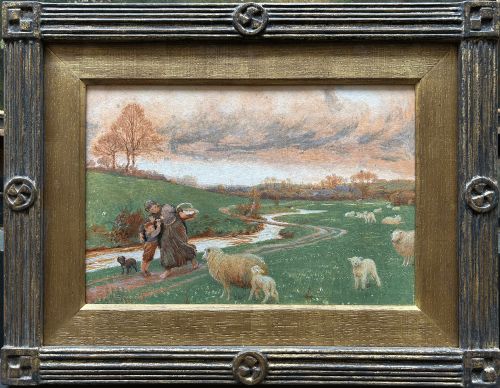
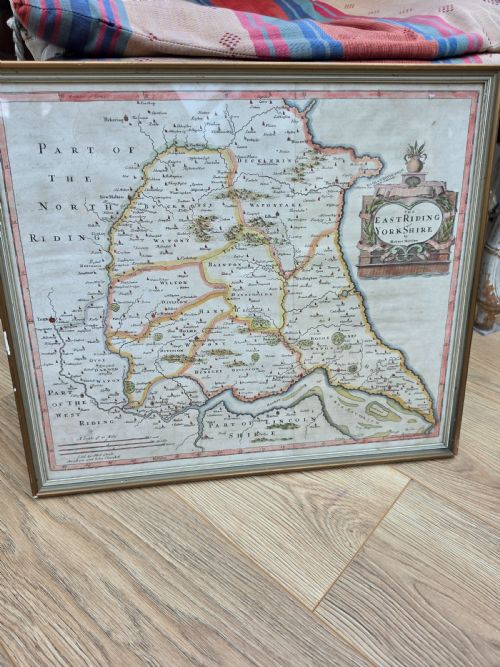
When buyers search for english antique wall prints, they encounter a diverse selection of framed works that include county maps, town plans, and portrait engravings. These pieces originate from periods spanning the seventeenth century through to the Edwardian era, capturing historical milestones and domestic scenes.
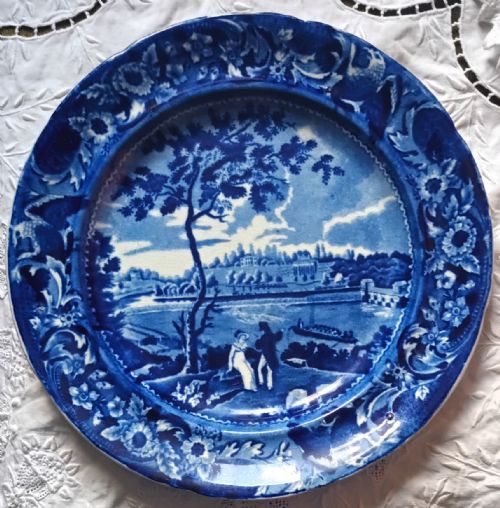
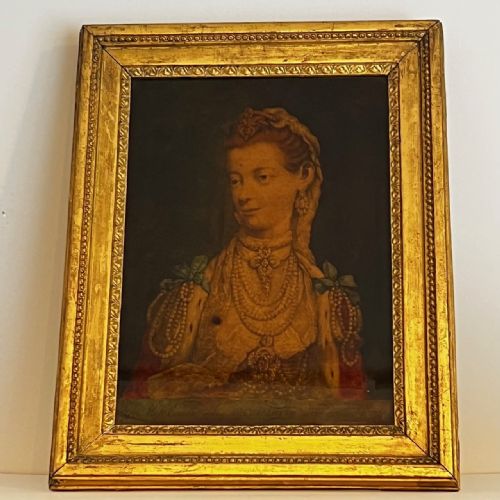
Buyers also discover mixed media paintings and reverse glass prints within this category, demonstrating the wide scope of historic wall art available. Each item reflects the distinct aesthetic preferences of its original period.
How they were made
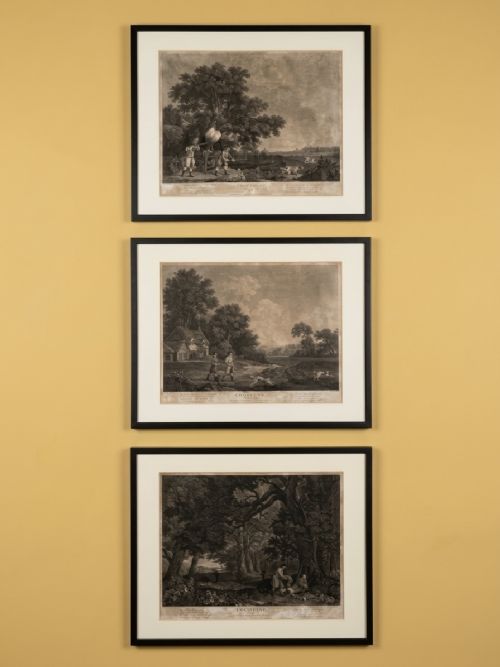
These works rely on traditional printmaking techniques such as engraving, etching, and mezzotint, executed on paper and frequently enhanced with ink or hand colouring. Artisans employed copper plates to transfer fine lines and intricate details onto paper sheets.
Framing utilised wood, often accented with gold leaf or giltwood to complement the artwork. Glazing with glass protected the delicate paper surfaces from environmental damage over the centuries.
Specialised items like reverse glass prints required pigments applied directly to the rear of the glass sheet, creating a luminous finish unique to the period.
Listings feature works across paper, glass, and wood, utilising gold leaf and ink within seventeenth, eighteenth, and nineteenth-century periods.
What varies in quality
Quality differences stem from the clarity of the plate impression and the precision of the original engraving or print run. Early impressions from fresh plates exhibit sharper details and richer contrasts than later strikes.
The application of hand colouring dictates the visual appeal of many engravings and maps, where delicate, even tones distinguish superior examples. Contemporary framing materials and the preservation state of the paper further influence the overall standing of a piece.
John Speed·Robert Morden·John Bowles·Robert Sayer·Thomas Jefferys
The English Wall Prints Glossary
- Mezzotint
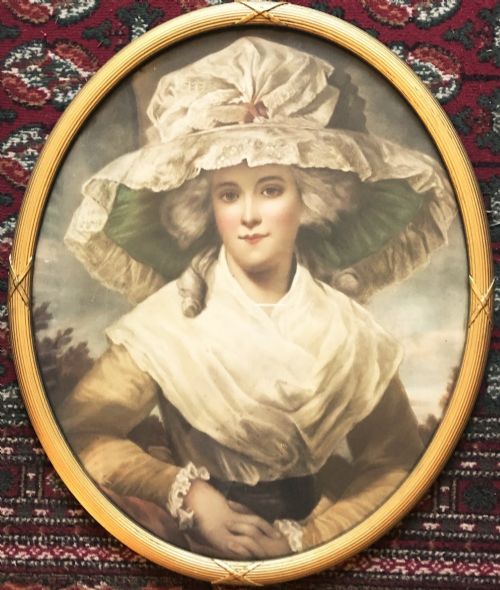
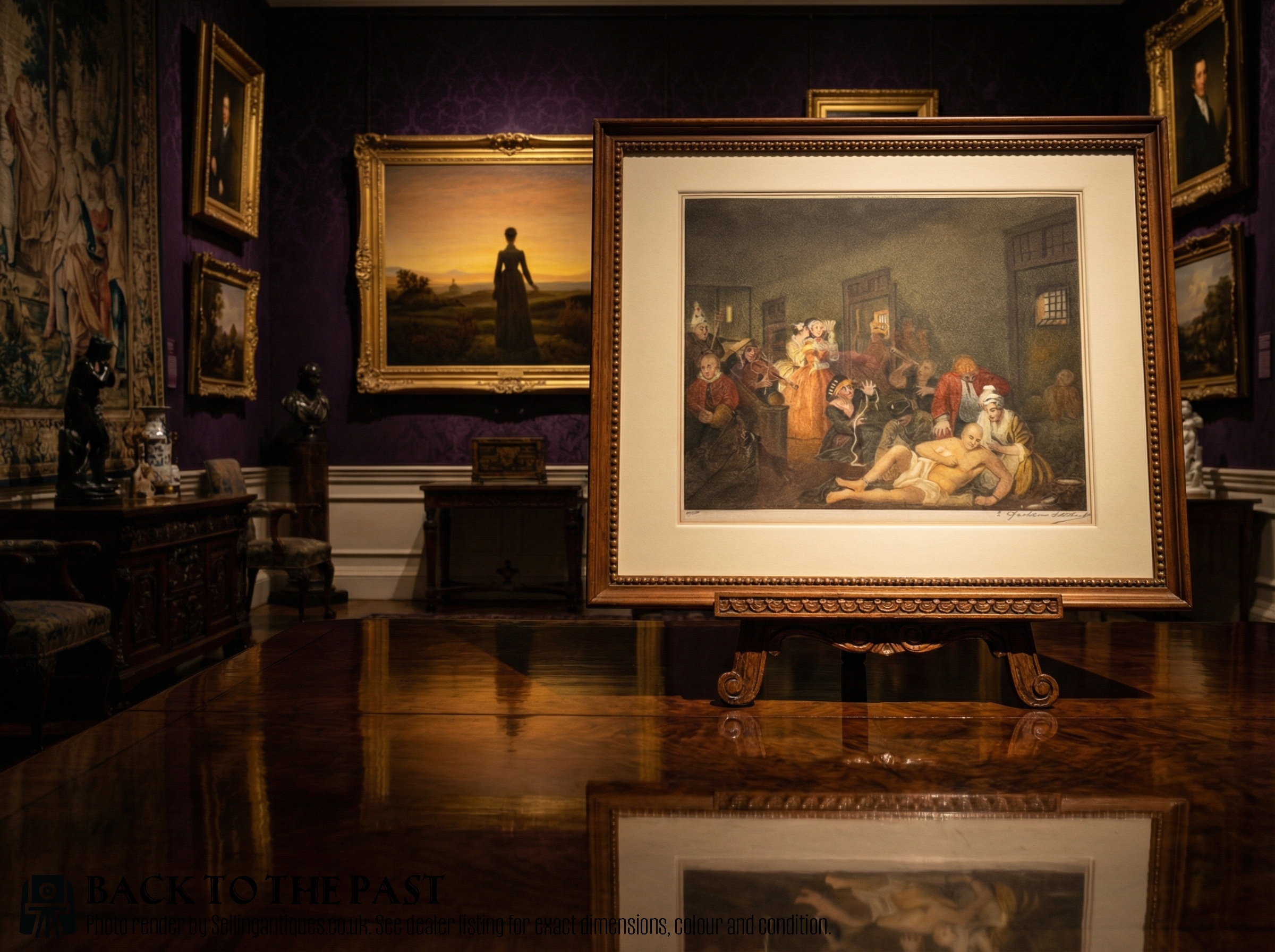
- A printmaking process of the intaglio family where the plate is roughened to achieve rich dark tones. This method allows for subtle gradations of light and shade, making it popular for portraiture.
- Engraving
- A technique where an image is incised into a metal plate using a sharp tool called a burin. The resulting grooves hold the ink for printing under pressure.
- Cartography
- The study and practice of making maps, represented here through historic county maps and town plans. These pieces often feature decorative cartouches and detailed topography.
- Aquatint
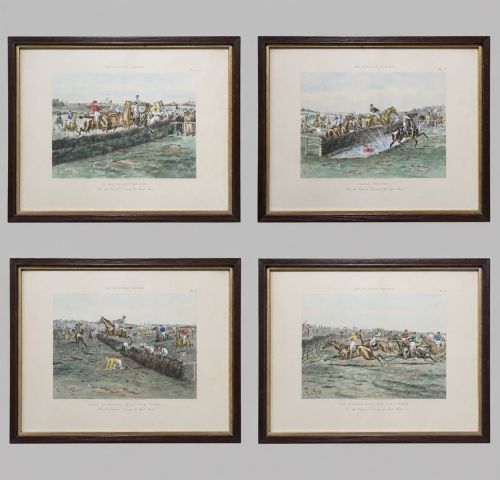
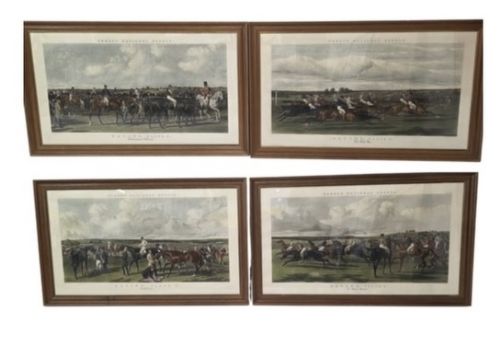
- An intaglio printmaking technique that produces graphic tonal effects resembling watercolour washes. It was frequently utilised for sporting prints and illustrated books.
- Reverse glass print
- An artwork created by painting or printing an image on the reverse side of a glass panel. Viewers observe the finished piece through the front of the glass.
English Wall Prints: Frequently Asked Questions
What is a mezzotint portrait?
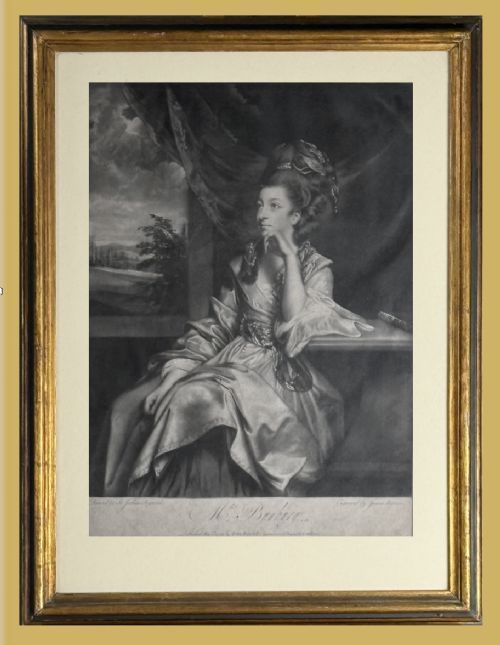
A mezzotint portrait is a print created through a specialised tonal method that avoids harsh lines in favour of smooth velvety gradients. This technique reproduces painted portraits with exceptional depth and shadow.
Master printmakers utilised this process to translate works by prominent artists into widely circulated prints.
How should I hang antique prints?
Antique prints require placement away from direct sunlight to prevent the fading of paper and hand-applied watercolours. Maintaining stable room humidity protects both the antique paper and the wooden or giltwood frames.
Secure picture hooks rated for the weight of the framed glass and wood assembly ensure safe wall mounting.
Are antique engravings hand coloured?
Many antique engravings received hand colouring using watercolours shortly after printing to enhance their visual appeal. This practice was particularly common for botanical studies, topographical maps, and sporting scenes.
Examination under magnification helps distinguish original period pigments from later additions.