




Gilt Framed Stipple Prints
Gilt framed stipple prints bring delicate neoclassical elegance to a room through fine dotted ink work set in bright polished surrounds.
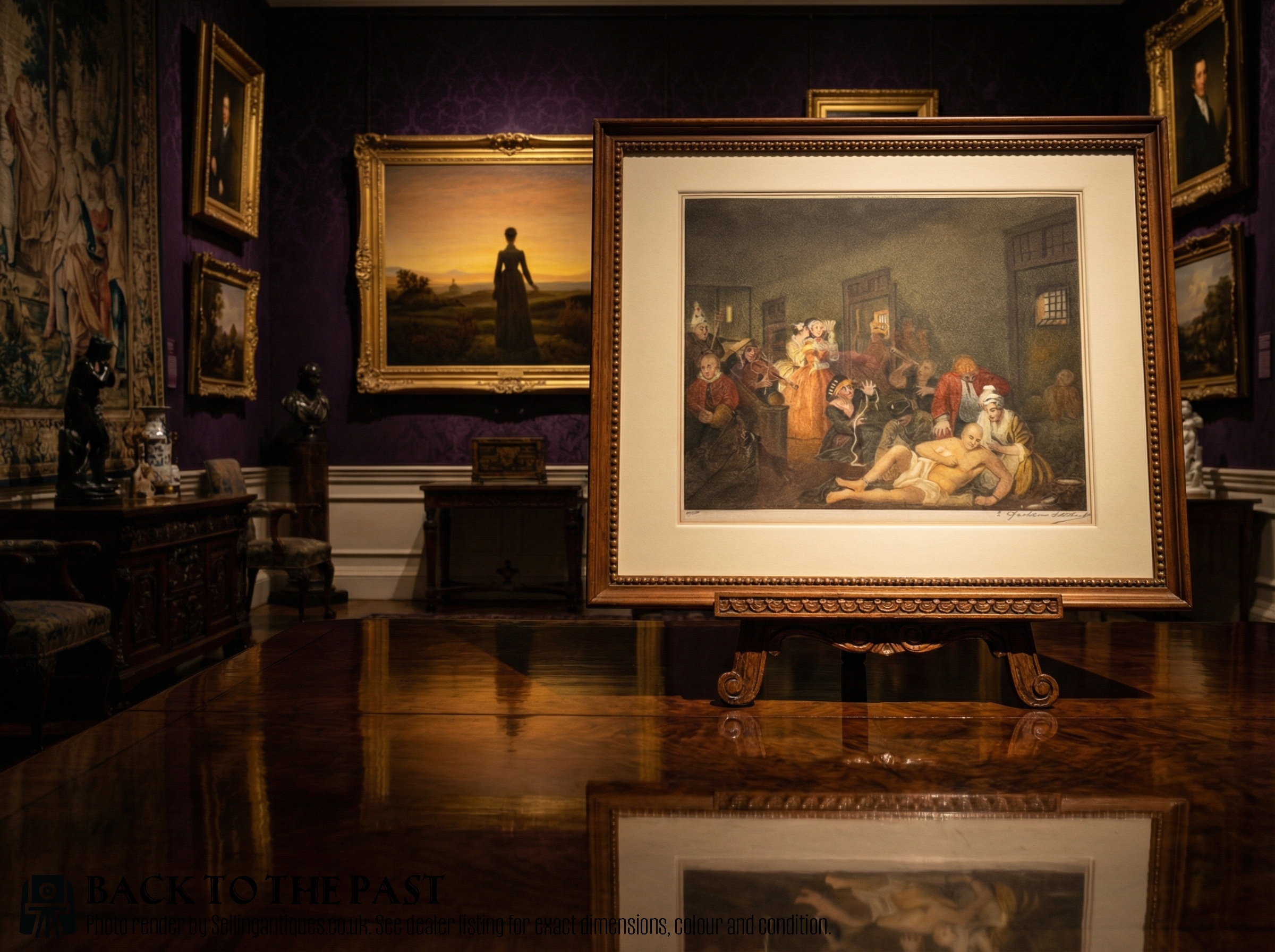
Gilt Framed Stipple Prints
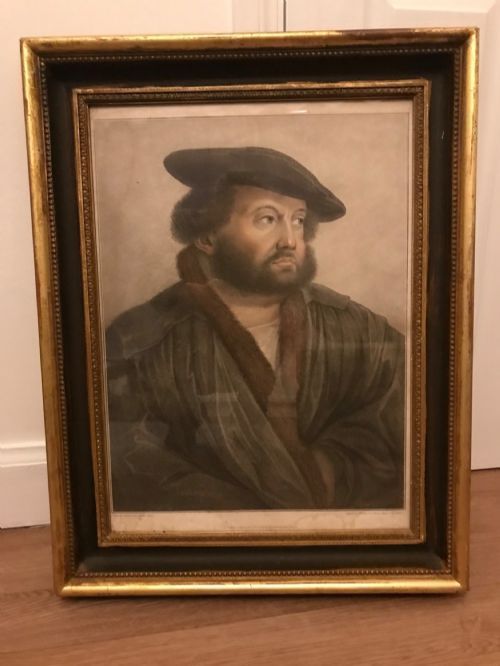
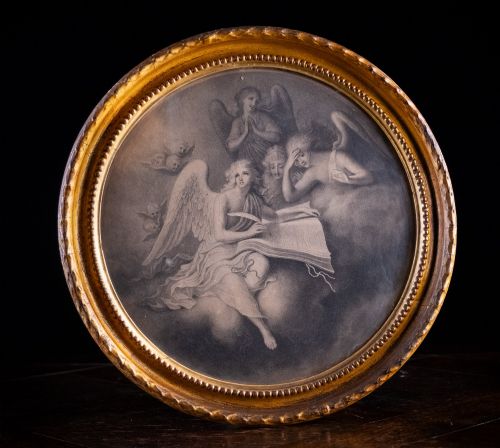
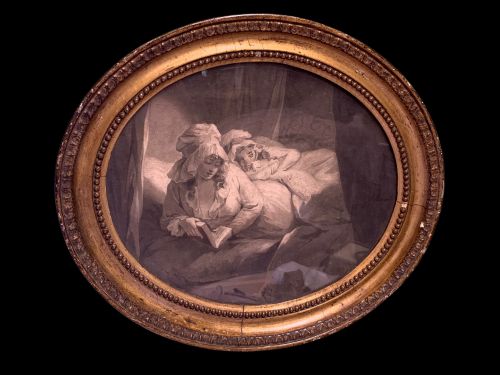
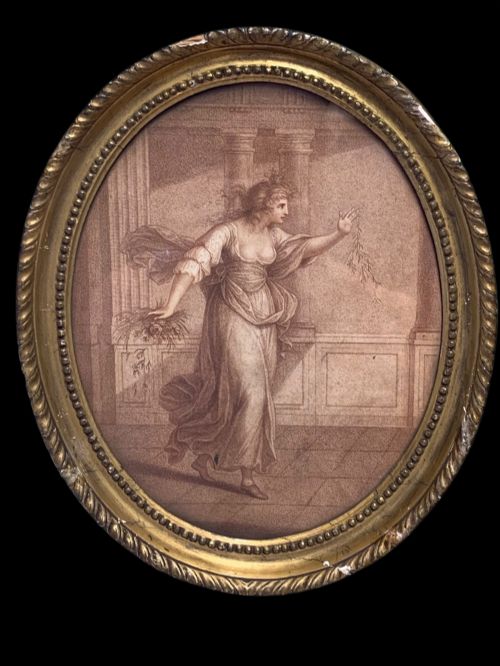
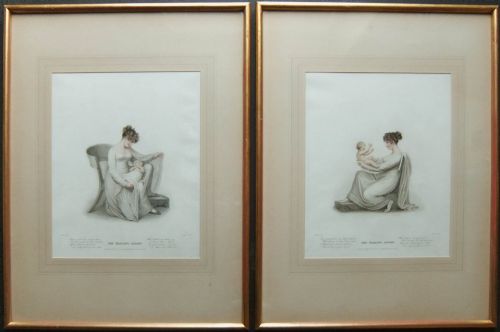
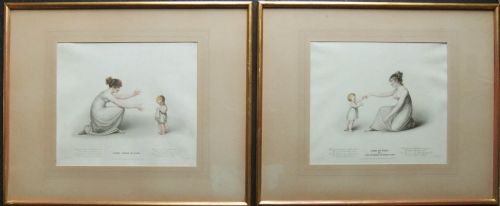
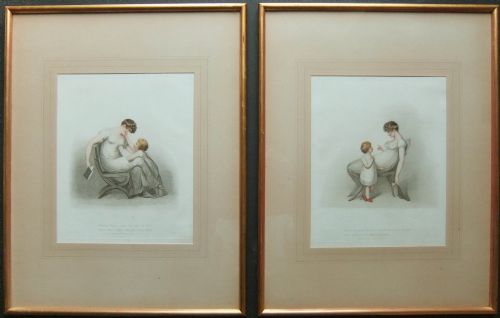
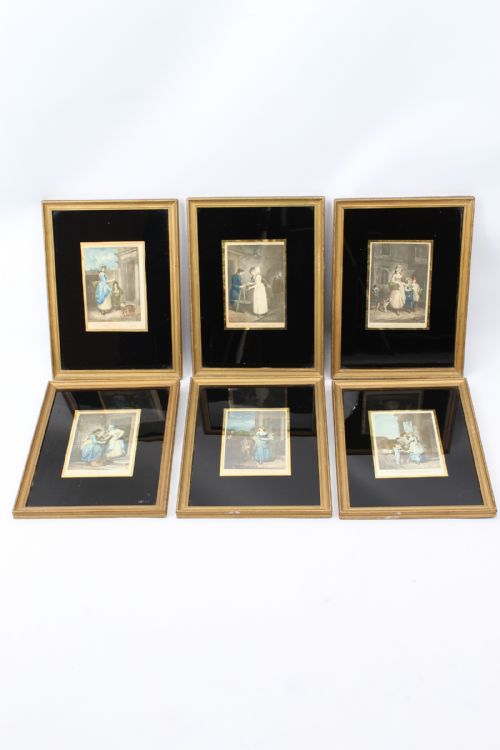
When you search for gilt framed stipple prints, you encounter works produced across the eighteenth and nineteenth centuries, including Georgian and Regency periods. The forms include single portraits, pairs, and grouped sets depicting classical subjects, domestic scenes, and crying figures after notable artists.
You are most likely to meet framed print items on this page that utilise paper, ink, and glass within wooden giltwood frames. The offerings range from late eighteenth century productions by printmakers to later revivals and decorative sets.
The style spans Georgian neoclassical compositions, Grand Regency portrayals, and later interpretations. Subjects feature the work of creators such as Francesco Bartolozzi, Adam Buck, and Francis Wheatley.
How they were made
Makers produced these works using stipple engraving techniques, applying dots of ink onto paper to build up tonal gradations rather than continuous lines. Some examples feature hand colouring applied over the printed ink to enrich the visual depth.
The resulting paper works are preserved beneath protective glass and housed within wooden frames finished with gold leaf, gilt, or gilt wood. These surrounds often reflect the period taste of the Georgian and Regency eras.
Several prints capture children waking, sleeping, and learning to walk, proving that historic buyers loved cute infants just as much as we do.
What varies in quality
The clarity of the stipple dot work and the finesse of the printed ink define the primary tier of craftsmanship. Finer impressions preserve subtle facial expressions and drapery details from the original plates.
The integrity and period character of the surrounding gilt wood frames also set examples apart. Frames that retain their original gilding and glass contribute substantially to the unified presence of the piece.
Francesco Bartolozzi·Adam Buck·George Romney·Henry William Banbury·E. Jackson Stodart·H. Singleton·Hans Holbein
The Gilt Framed Stipple Prints Glossary
- Stipple engraving
- An intaglio printmaking method that uses a pattern of dots to create tonal variations and soft shadows. This technique became popular for reproducing chalk drawings and paintings.
- Giltwood
- Timber that has been coated with a thin layer of gold leaf or gilt. It provides the bright metallic finish seen on period picture frames.
- Regency
- A British historical period spanning the early nineteenth century known for classical restraint and neoclassical decorative arts. Furniture and framing styles from this time often feature clean lines and classical motifs.
- Neoclassical
- A Western cultural movement drawing inspiration from the art and culture of classical antiquity. It manifests in these prints through subject matter such as weeping angels and mythological figures.
- Hogarth frame
- A narrow, profile-moulded wooden picture frame popular during the eighteenth and nineteenth centuries. These surrounds often feature dark polished timber finishes or gilded edges.
Gilt Framed Stipple Prints: Frequently Asked Questions
How do I care for gilt framed stipple prints?
Keep these works away from direct sunlight to prevent the ink and paper from fading over time. Dust the gilt frames gently with a dry, soft cloth without applying liquid cleaners.
Ensure the hanging environment maintains stable humidity levels to protect both the paper print and the wooden frame from moisture damage.
Are these prints original period pieces?
The selection includes works originating from the eighteenth and nineteenth centuries, alongside later nineteenth and twentieth century revival pieces. Each listing indicates the period associated with the specific item.
Examining the paper stock, framing materials, and printing technique helps contextualise the exact age of each individual artwork.
What subjects do these prints typically show?
Common subjects include classical figures, neoclassical portraits, and domestic narrative scenes such as children and family moments. Many works reproduce paintings by well-known artists of the Georgian and Regency eras.
Series based on popular theatrical or street themes, such as cries of London, also appear among the offerings.
How are stipple engravings different from etchings?
Stipple engraving builds an image using a dense network of dots created with stippling needles and roulette tools. This method achieves soft, painterly gradients rather than the sharp lines produced by standard line etching.
Both techniques were frequently combined on the same printing plate to achieve varied textures in historical prints.