


English Tall Clock
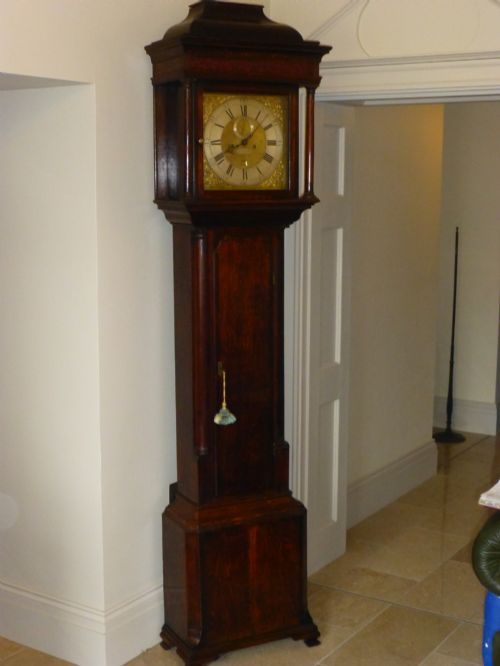
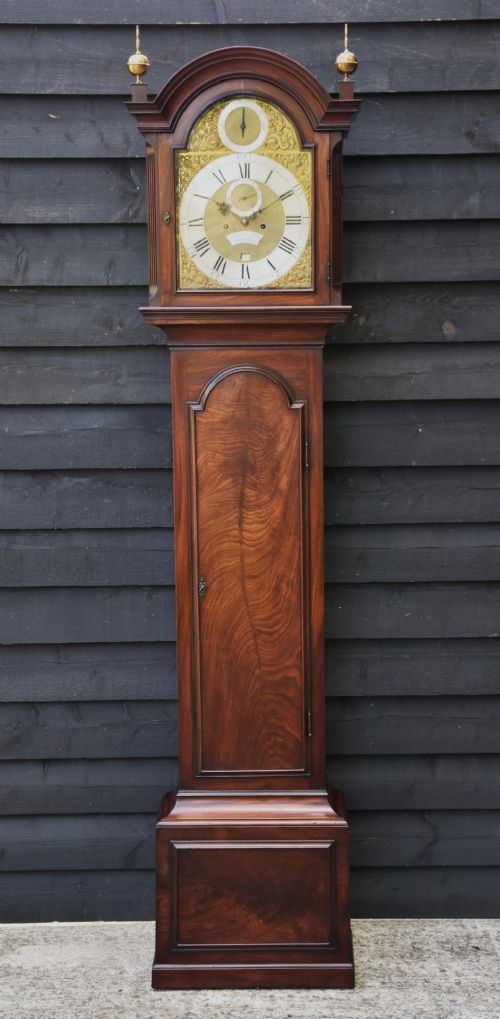
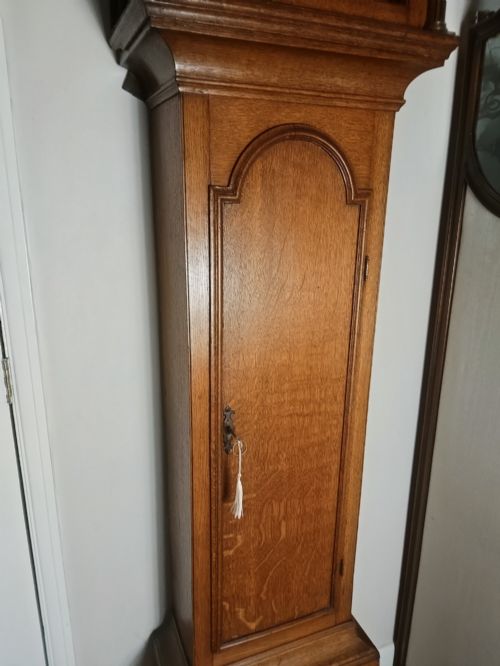
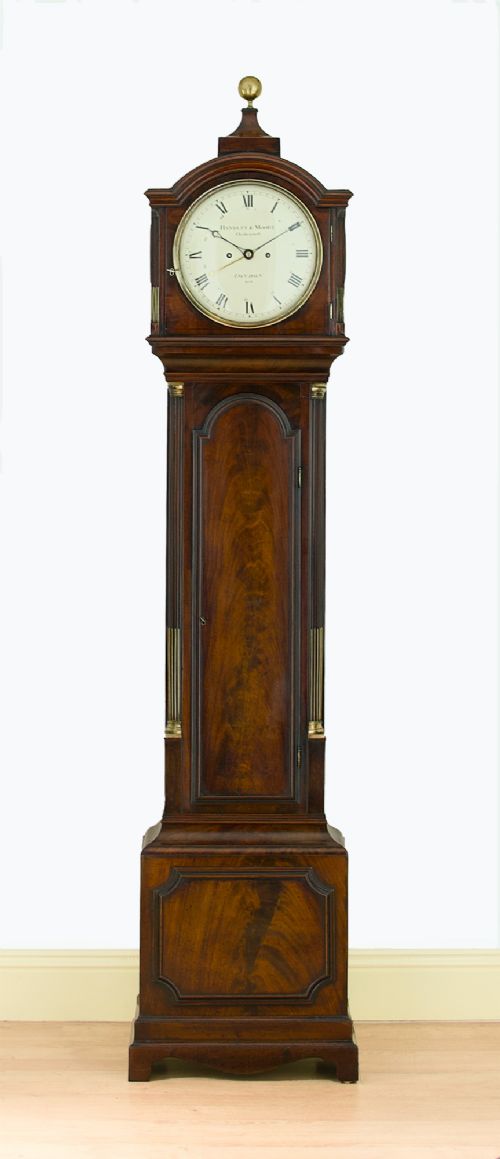
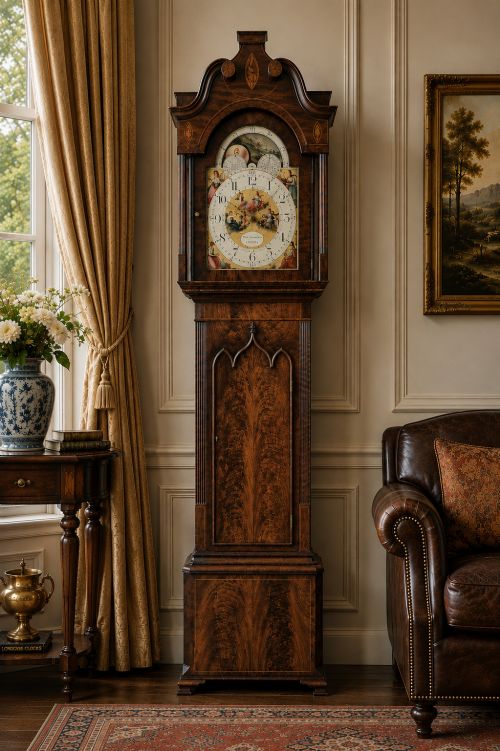
An english antique tall clock stands as a towering piece of functional furniture, offering measured time and heavy presence to a room.
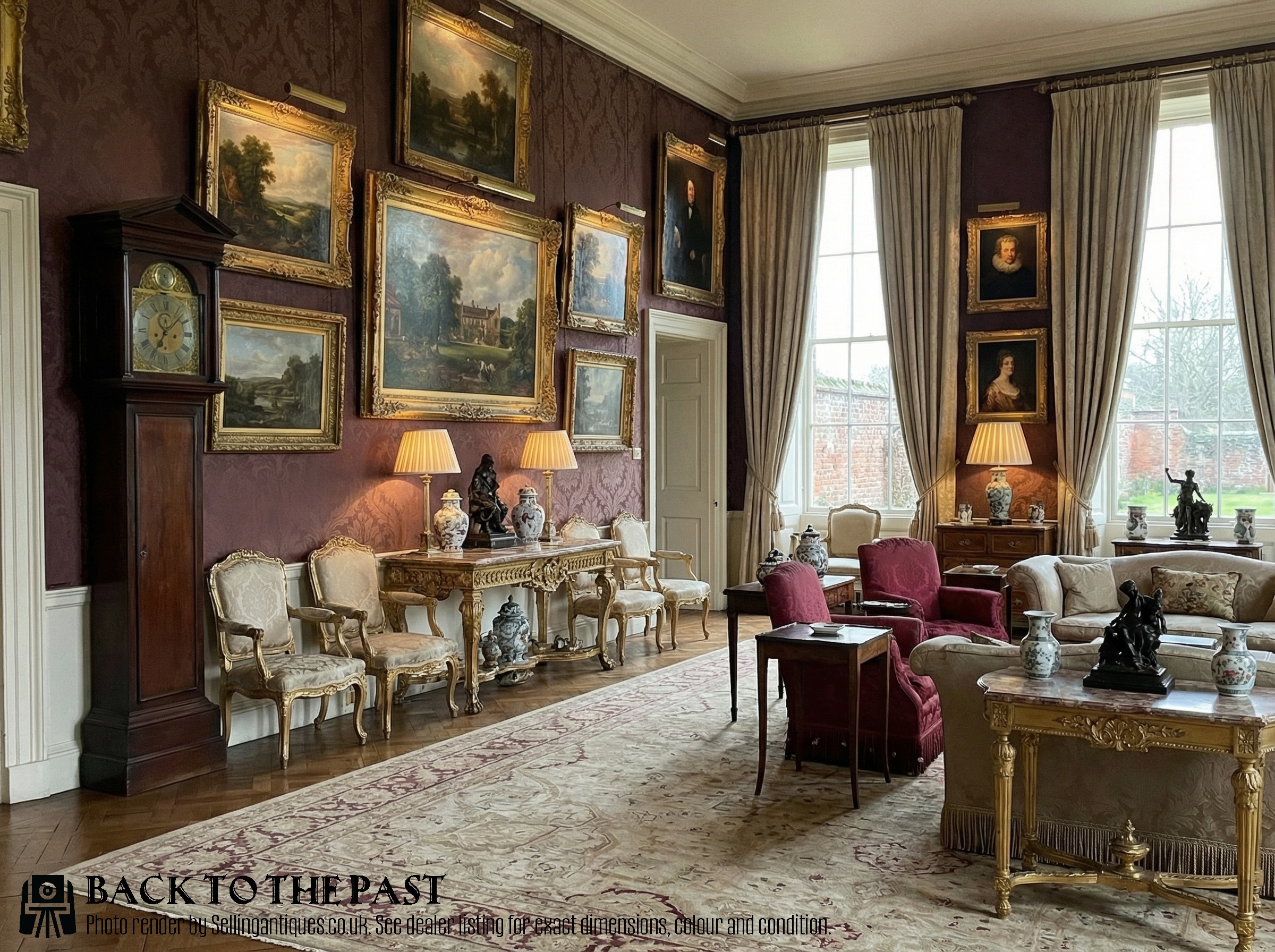
English Tall Clock
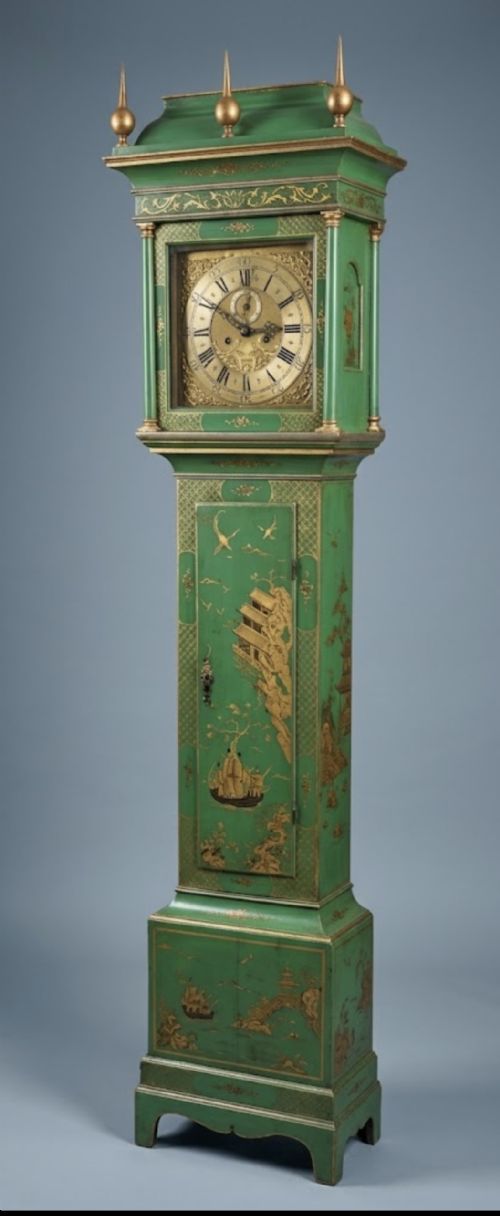
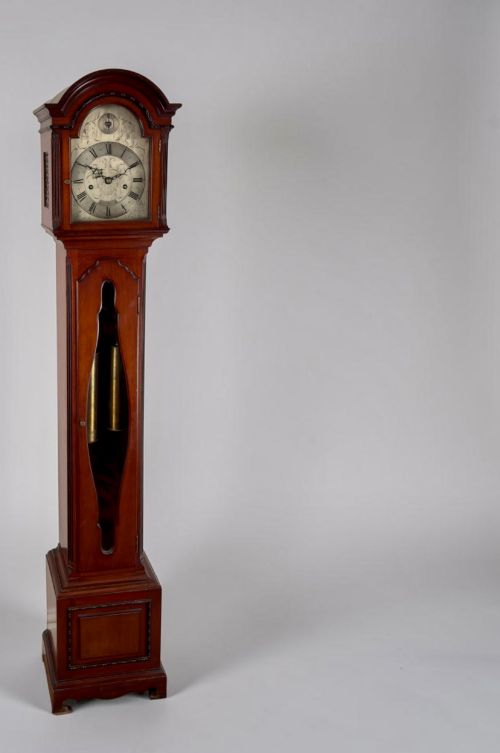
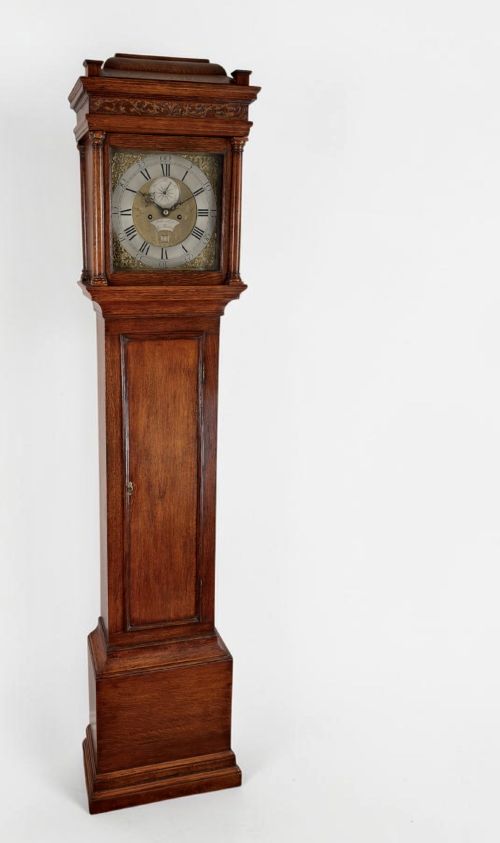
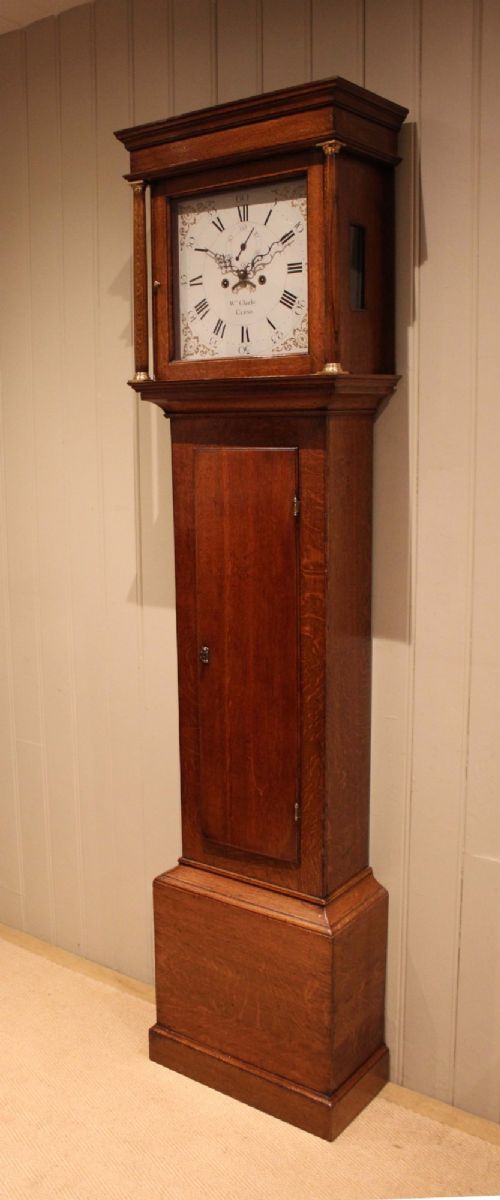
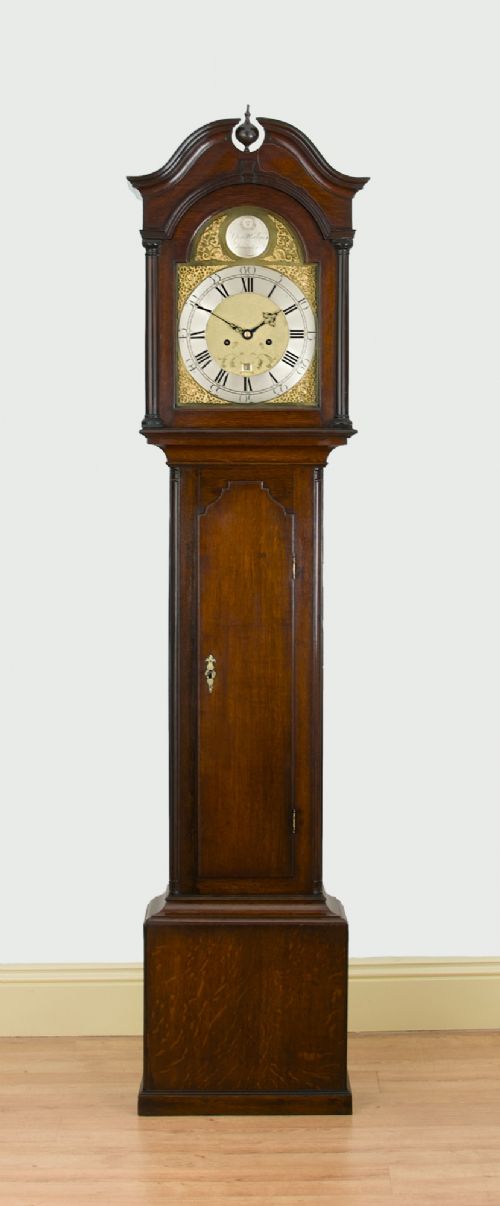
An english antique tall clock encompasses grandfathers, grandmothers, and longcase timepieces spanning from the seventeenth century through to the Edwardian era and the nineteen-twenties.
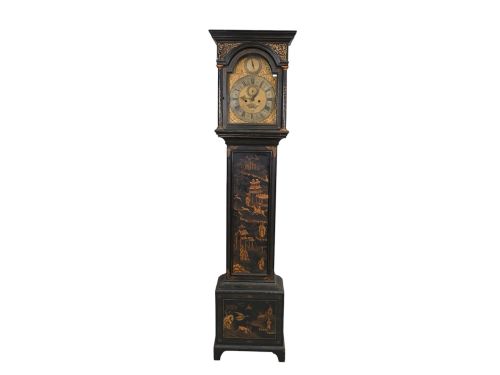
The material record on this page shows pieces originating in oak, walnut, and mahogany, alongside lacquered and japanned surfaces housing brass movements.
Makers from London and provincial towns such as Stockport, Doncaster, and Nottingham populate the listings, offering movements housed in tall timber cases.
Materials and Construction
Cabinetmakers built these tall cases primarily using native timbers like oak and walnut, later turning to imported mahogany and decorative lacquer work.
Brass formed the dials and precision gear trains of the movements, which were paired with steel components and protected behind glass panels.
Several makers operated out of provincial workshops in places like Stockport and Great Marlow, far from the capital's ticking trade.
Proportions and Movement
The refinement of the timber case and the crispness of dial engraving set the standard for these clocks, alongside the complexity of movements like moonphase dials or quarter striking.
Provincial and metropolitan maker signatures influence the character of the piece, with metropolitan London examples often displaying sophisticated marquetry or figured veneers.
John Fielder of Alton·Gillett and Johnston·Lee of Great Marlow·Richard Corless of Stockport·Handley and Moore·Samuel Kellett·George Hallifax·Bravingtons·John Denbigh·William Moon·Thomas Vernon·Nathaniel Pyne·Edin Burgis·William Allam·John Rainsford·Thomas May·Mappin and Webb·Thomas Utting·John Wylde·James Coster·Edward East·Joseph Knibb·John Salmon
The English Tall Clock Glossary
- Longcase clock
- A tall pendulum clock enclosed in a wooden case standing directly on the floor. These house the weight-driven movement and swing the pendulum inside the trunk.
- Moonphase
- A dial mechanism tracking the lunar cycle through a rotating disc showing the phases of the moon. This complication appears on the arch of advanced clock dials.
- Japanned
- European imitation of East Asian lacquer work using layered resin finishes and painted decorations. It appears on eighteenth-century tall clock cases in green or dark tones.
- Strike silent
- A mechanical feature allowing the clock's striking train to be disengaged at night. It prevents the hour chimes from sounding during sleeping hours.
English Tall Clock: Frequently Asked Questions
How do I wind an antique tall clock?
Wind the clock by using a key or crank to pull up the weights via the winding holes on the dial face. Take care not to overwind the mechanism to avoid damaging the gutlines or chains.
Ensure you support the weight slightly if necessary, and maintain a regular schedule to keep the movement running accurately without straining the brass teeth.
Where should I place a longcase clock?
Position the tall clock against an interior wall away from direct sunlight, heating vents, and damp areas. Temperature fluctuations can affect the wooden case and the metal movement.
Ensure the floor is level so the pendulum swings evenly and the tick remains consistent. Securing the case to the wall with a discreet bracket prevents accidental tipping.
Why does my clock lose time?
Timekeeping variations often result from seasonal temperature shifts affecting the pendulum rod or the contraction of timber in the case. Adjusting the small nut at the base of the pendulum bob corrects the speed.
If the issue persists, the movement may require cleaning and fresh oil by a specialist horologist to remove accumulated dust in the gear train.
How can I tell the period of a tall clock?
Examine the timber, dial construction, and cabinetry style to determine the era. Seventeenth-century examples often feature walnut or marquetry, while Georgian pieces commonly utilise oak or mahogany with square or arched brass dials.
Maker signatures and the complexity of the movement, such as single-handed dials versus eight-day striking trains, offer further clues to the decade of manufacture.