



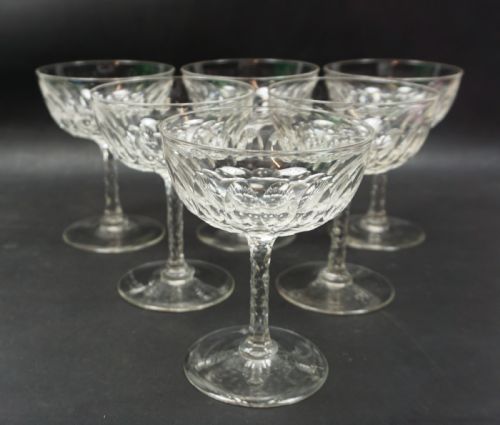
English Stemware
English antique stemware brings genuine Georgian character to the table, offering tactile lead glass forms that collectors prize for their substantial weight and subtle optical quirks.
Understanding English antique stemware
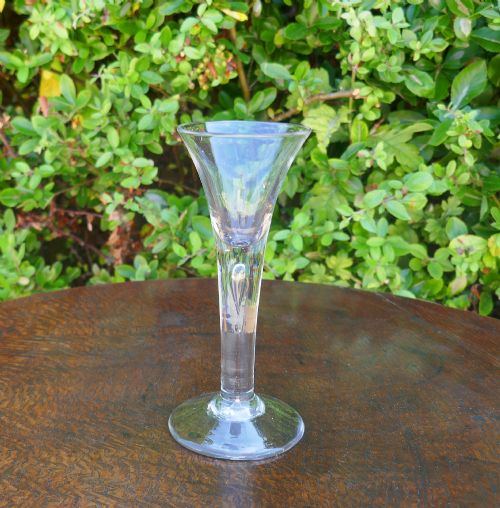
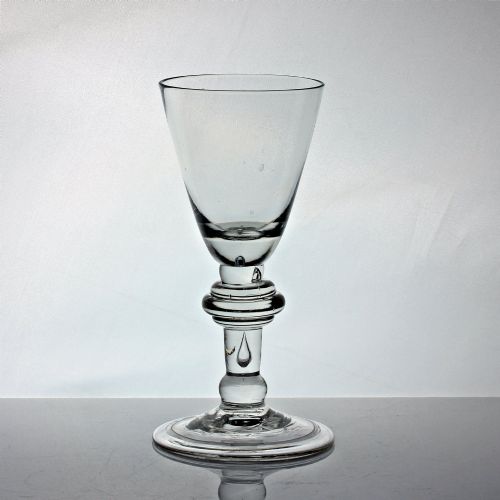
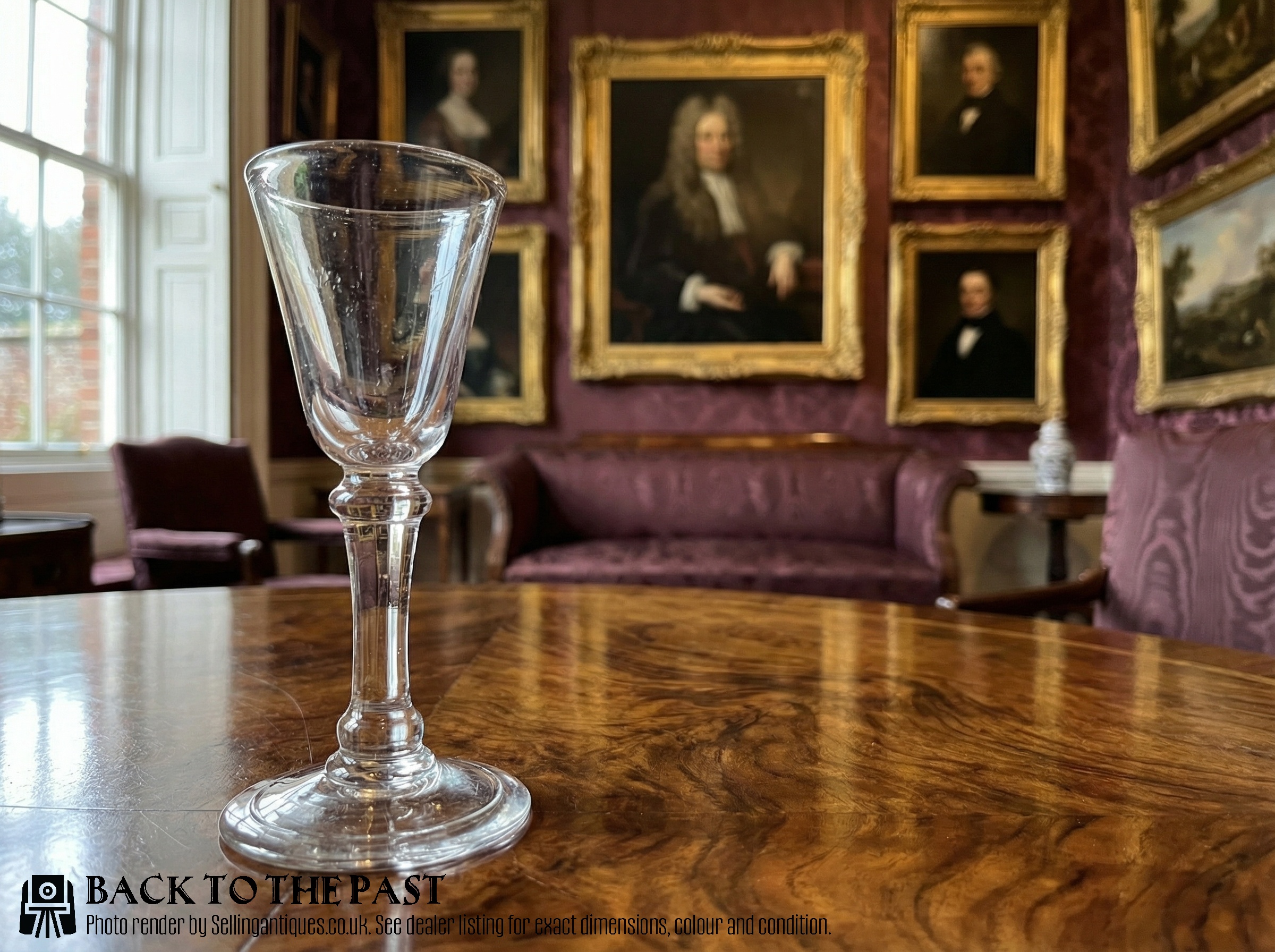
English antique stemware encompasses drinking vessels produced during the Georgian and eighteenth-century periods, capturing forms designed for wine, ale, and spirits. Buyers searching for English antique stemware encounter pieces ranging from early balustroid shapes to later facet-stemmed glasses.
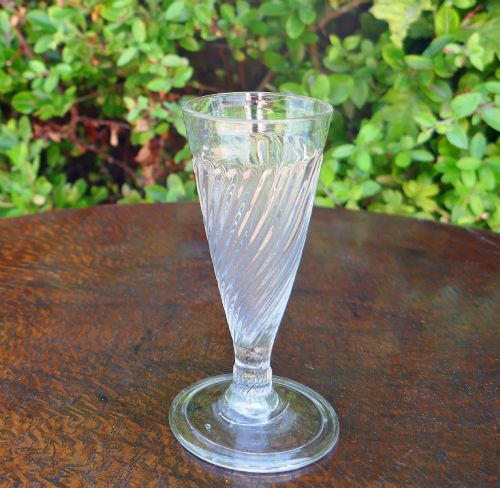
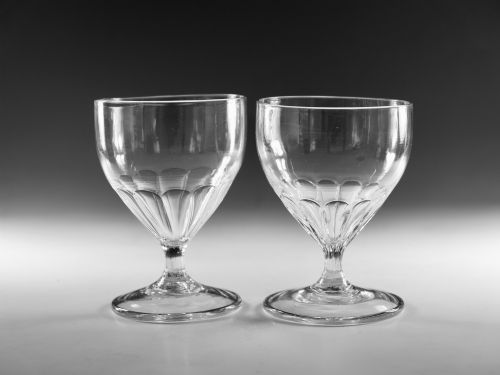
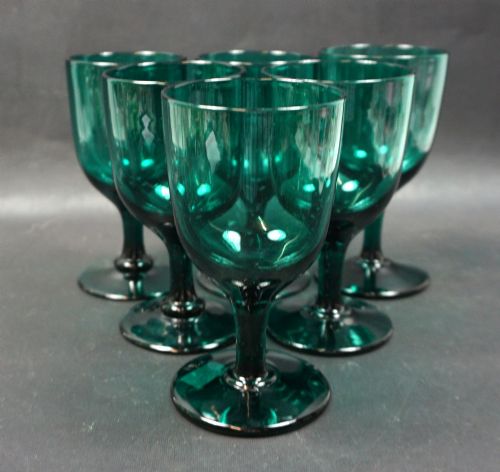
The selection centres on functional tableware, including wine glasses and rummers that reflect domestic dining traditions of the eighteenth and early nineteenth centuries. These drinking vessels showcase historical variations in bowl shape, stem construction, and foot design.
Materials and construction
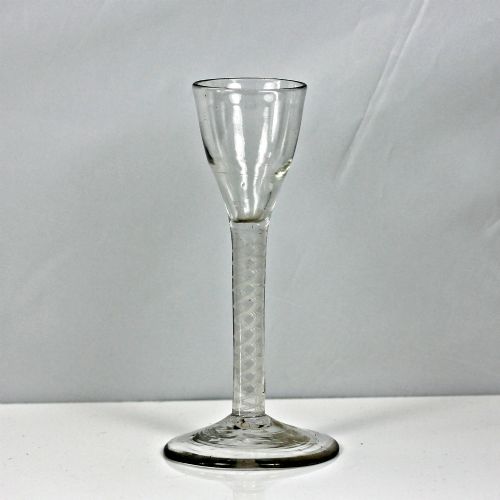
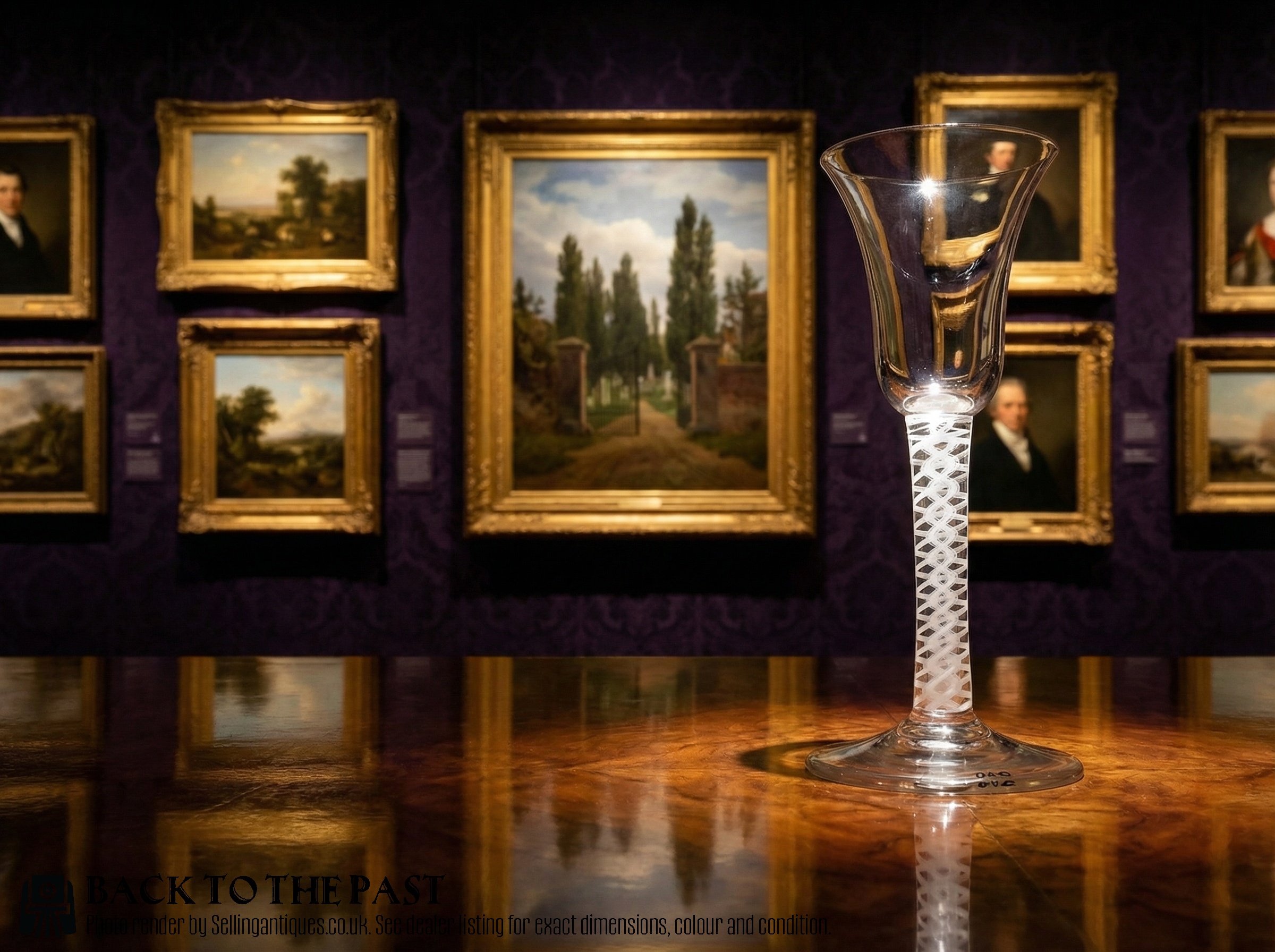
Maker practices relied upon heavy lead glass, clear glass, and flint glass to form these drinking vessels, often incorporating white enamel for decorative twists. The addition of lead oxide produced a dense metal with high refractive properties suitable for optical clarity.
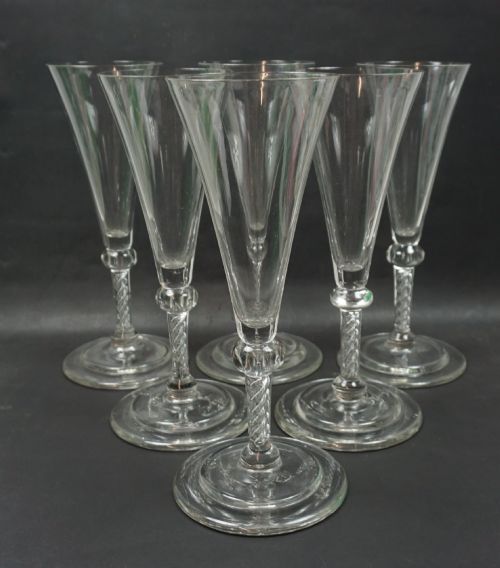
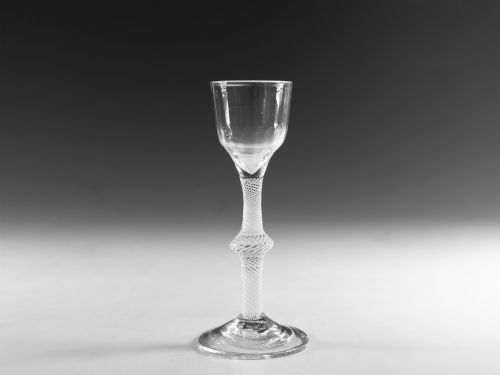
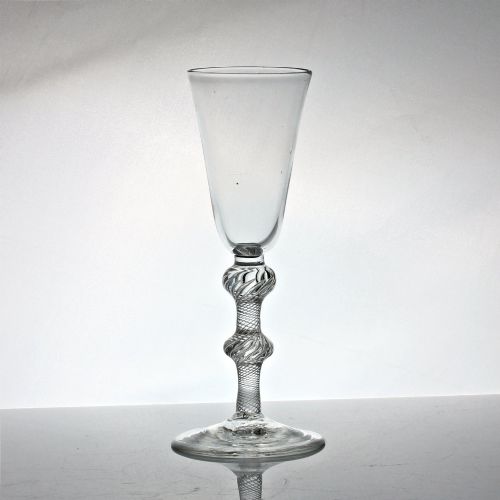
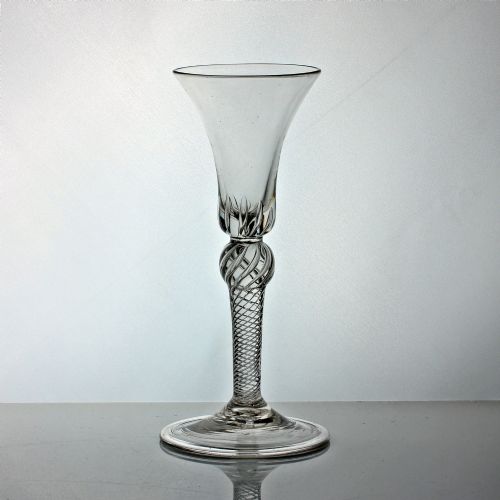
Techniques involved blowing the glass into desired forms and applying optical ribs or folded feet for structural strength. Twist stems were created by manipulating threads of opaque white enamel within the molten metal before drawing and shaping the stem.
Retail Price Guide 2026
Typical UK retail prices for english stemware, calculated from the Sellingantiques database of over a million retail prices indexed since 2003. This retail price guide relies exclusively on Sellingantiques data; no external sources or auction records are used, so the figures do not describe the wider market.
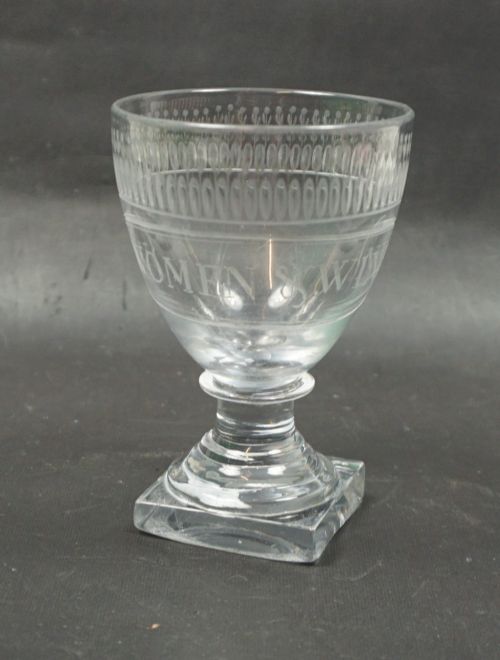
Some rummers carry detailed engravings of local bridges, celebrating municipal engineering achievements right on the side of a drinking glass.
Assessing quality
Quality rests in the precision of the twist formation and the optical purity of the lead glass, where superior examples display minimal cloudiness or inclusions. The balance between the bowl, stem, and folded foot dictates the visual harmony of the piece.
Artistry shows in the crispness of facet cutting on the stem and the even distribution of metal across the bowl. Finer examples maintain distinct proportions that reflect the stylistic standards of their specific period.
The English Stemware Glossary
- Folded foot
- A technique where the outer rim of the glass foot is folded underneath to create a thicker, more stable edge. This method prevents chipping and adds weight to the base.
- Opaque twist
- A stem decoration formed by enclosing white enamel threads inside the clear glass rod, which is then twisted. It represents a significant technological shift in eighteenth-century glassmaking.
- Balustroid
- A transitional stem form between the heavy baluster and the lighter drawn stem, featuring a knop above a tapered stem. These shapes date primarily to the early eighteenth century.
- Facet stem
- A stem decorated by grinding and polishing flat planes onto the glass surface. This technique catches the light and became popular towards the latter half of the eighteenth century.
- Rummer
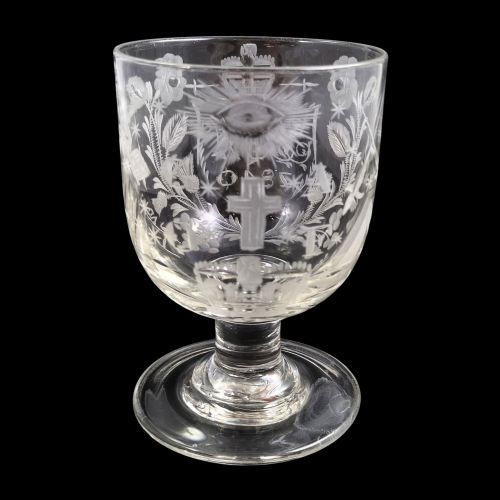
- A large, sturdy glass vessel used for punch, beer, or wine, typically featuring a short stem and a bucket-shaped bowl. They often carried engraved decoration relating to local events or bridges.
Frequently Asked Questions
How do I date an old wine glass?
Dating relies on observing structural characteristics such as stem construction, foot folds, and bowl shapes relative to documented periods. Changes in glass composition and manufacturing techniques provide reliable chronological markers.
Examining the pontil mark on the underside of the foot also helps determine the approximate age of the piece.
Can I use antique stemware today?
These drinking vessels were created for daily dining and retain their structural integrity, though hand washing is essential. Avoiding sudden temperature changes protects the historical lead glass from thermal shock.
Careful handling ensures these pieces continue to function in modern settings.
Why are some glass feet folded?
Foot folding provides additional stability and strengthens the rim against chipping during use. This practical measure was common in earlier Georgian glass production.
Over time, manufacturing practices shifted away from this labor-intensive technique.