
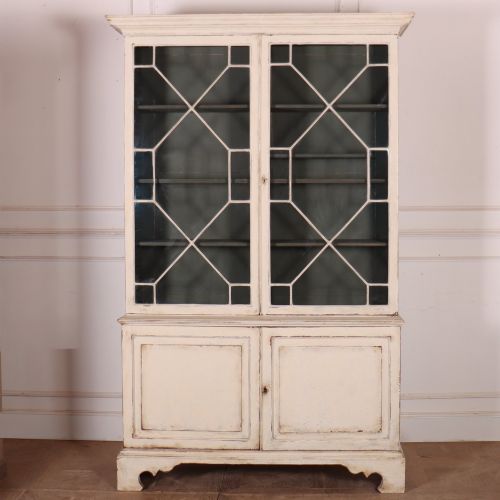
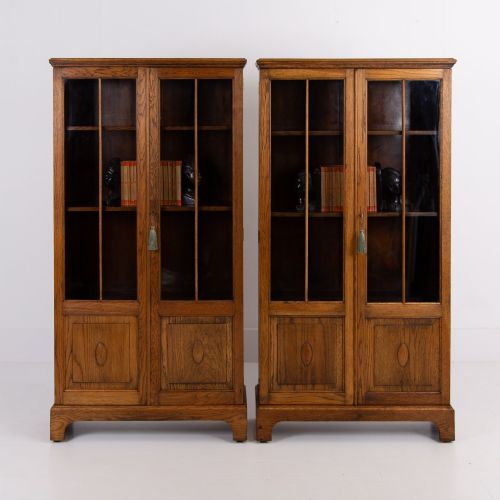
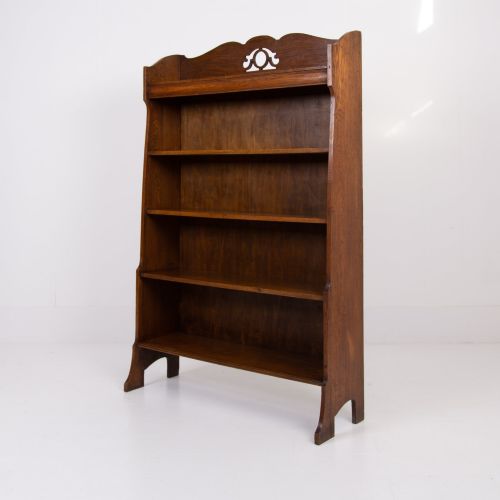
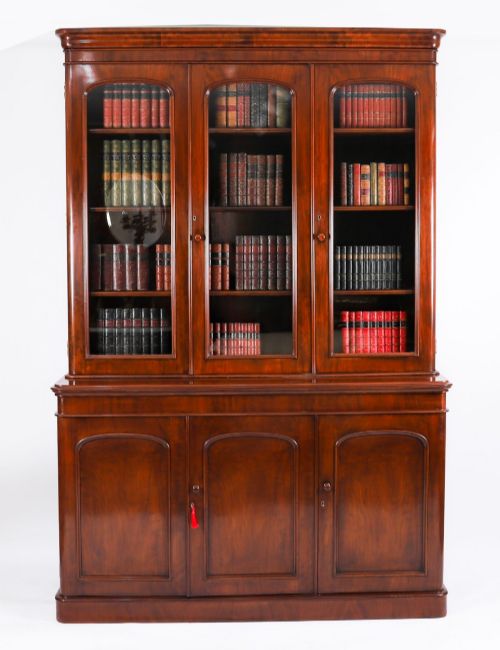

English Display Bookcase
An English antique display bookcase brings together timber and glass to hold a library while framing treasured objects.
English Display Bookcase
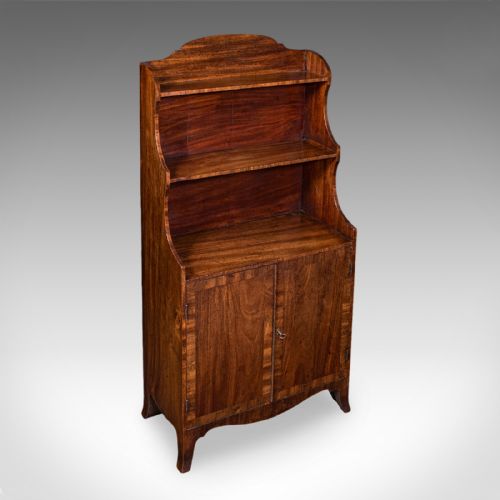
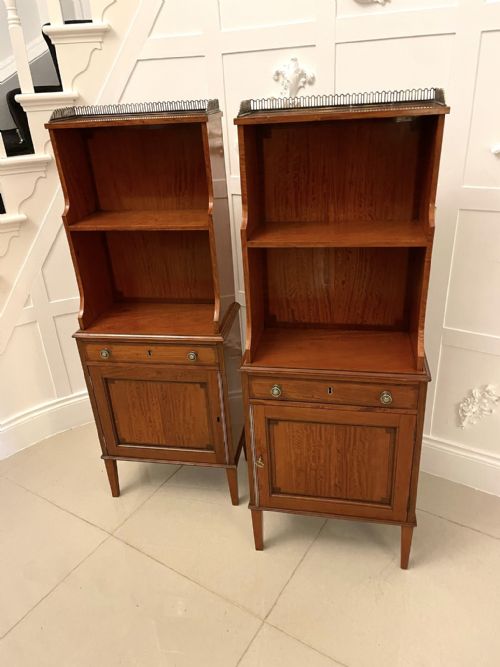
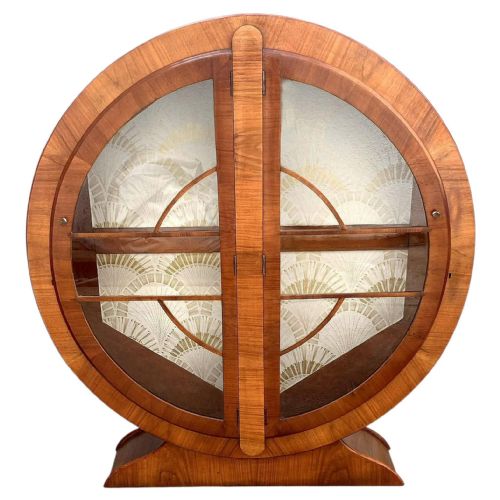
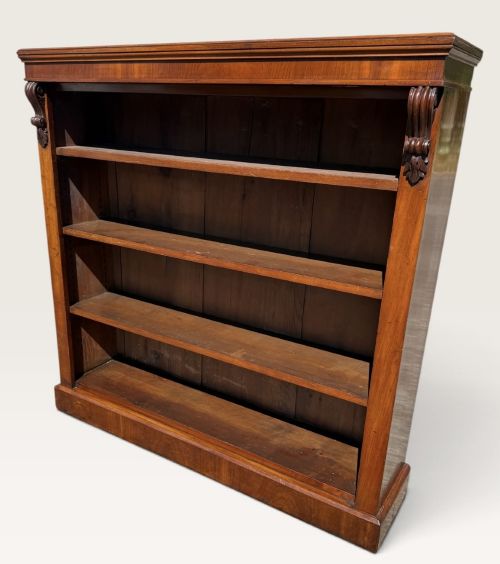
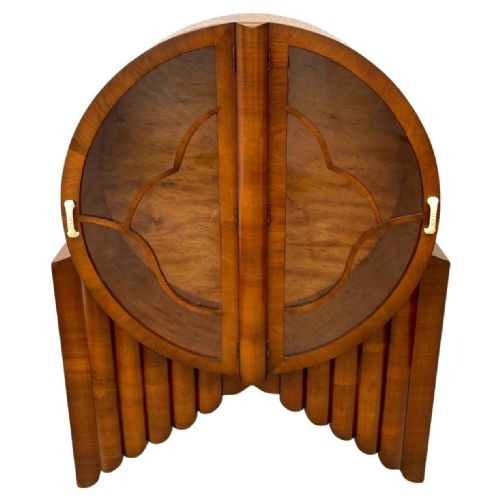
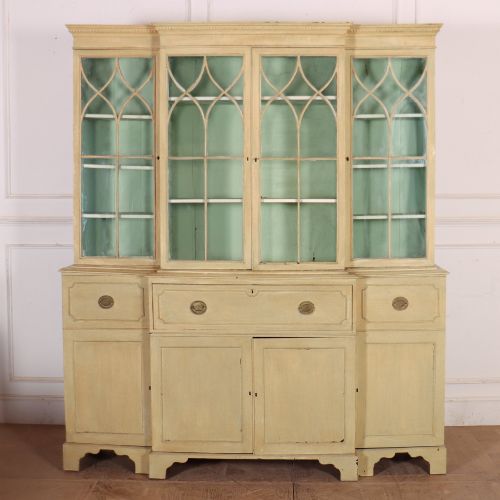
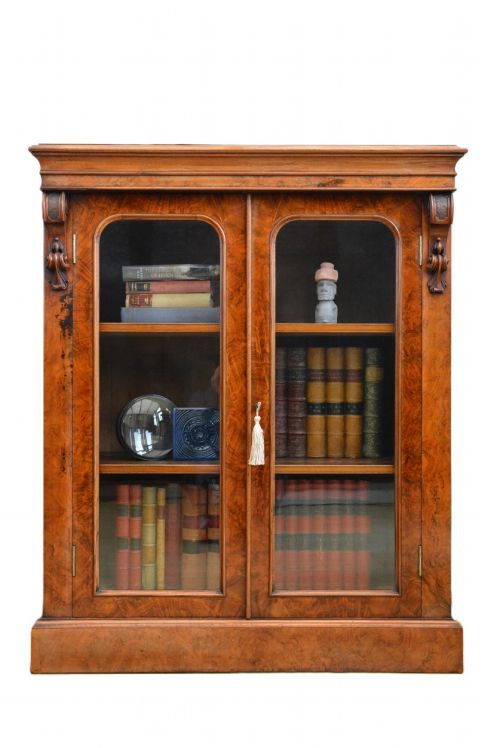
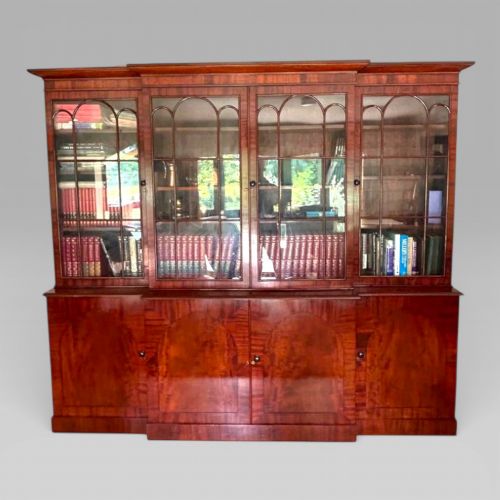
When searching for an english antique display bookcase, collectors encounter a lineage of furniture spanning from the eighteenth century through to the Art Deco period of the 1930s. These pieces merge functional shelving for books with glazed cabinet doors or open display tiers designed to exhibit ceramics and curiosities.
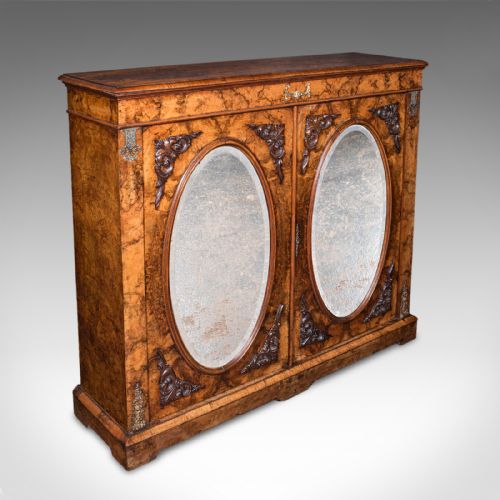
The most common forms range from grand breakfront library cabinets in mahogany and walnut to smaller pier cabinets, chiffoniers, and country dressers. Makers across the centuries adapted these architectural proportions to suit drawing rooms, morning rooms, and modest studies alike.
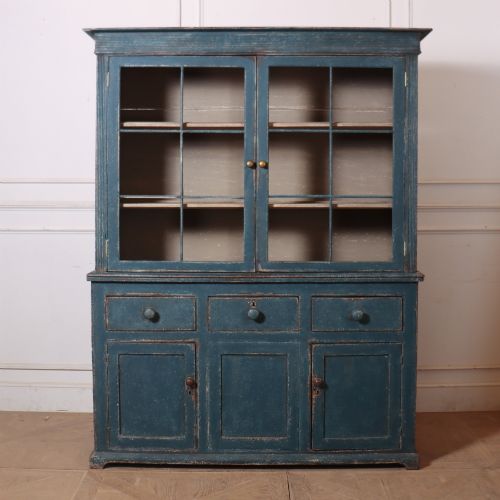
Regional variations also emerge, including solid oak kitchen dressers and painted pine cupboards originating from the West Country. Whether standing tall on a plinth or fitted with delicate astragal glazing bars, each piece reflects the interior domestic needs of its era.
Materials and Construction Methods
Cabinet makers relied heavily on dense hardwoods such as mahogany, walnut, and oak, often selecting figured veneers like flame mahogany, pollard oak, and birdseye maple for principal display surfaces. Secondary timbers like pine appear on interior shelves and carcases, while brass fittings and occasional ormolu mounts provide structural accents.
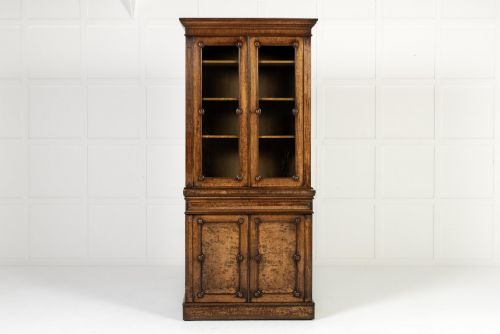
Glazing technique defines the visual impact of these cabinets, utilising individual hand-blown glass panes secured within wooden astragal bars or leaded cames. Joinery methods relied on dovetailed drawer construction and mortise and tenon frames, ensuring stability across large breakfront and bureau bookcase formats.
Listings demonstrate a strong preference for walnut and mahogany across the nineteenth century, alongside regional oak kitchen dressers.
Distinctions in Execution and Design
Superior examples separate themselves through the careful selection of timber figures, where book-matched veneers flow continuously across drawer fronts and cabinet doors. The precision of the joinery in the glazing bars and the weight of the timber used for internal shelving signal high workshop standards.
Proportion and decorative restraint dictate the standing of a piece, with finer items featuring subtle inlay work, tunbridgeware details, or carved mouldings that complement rather than overwhelm the architectural silhouette.
Gillows·Sir Charles Barry·Marsh & Tatham
The English Display Bookcase Glossary
- Astragal glazing
- Wooden bars that divide a glass window into smaller panes within a cabinet door. These fine mouldings form geometric patterns characteristic of Georgian and Regency periods.
- Breakfront
- A piece of furniture where the central section projects forward from the flanking wings. This configuration creates architectural depth in large library bookcases.
- Secretaire
- A desk form incorporating a pull-down writing flap concealing small drawers and pigeonholes. It often forms the central drawer tier of a tall bookcase cabinet.
- Pier cabinet
- A low display cabinet designed to fit narrow wall spaces between windows or architectural pillars. They frequently feature glazed doors and walnut veneers.
- Whatnot
- An open set of freestanding or wall-mounted shelves used for displaying decorative objects. Victorian examples often incorporate turned supports and corner configurations.
English Display Bookcase: Frequently Asked Questions
How do I date an antique bookcase?
Dating relies on observing a combination of timber selection, construction methods, and prevailing decorative styles. For instance, satinwood and delicate inlay suggest the late eighteenth or early Regency eras, while heavy carved oak revival pieces point toward the later Victorian period or 1930s.
Secondary woods inside drawers and the profile of the base mouldings provide further physical clues to the exact decade of manufacture.
Where were these bookcases used historically?
These cabinets found places primarily in formal home libraries, drawing rooms, and morning rooms of large houses. Smaller pier cabinets and chiffoniers were tailored for reception rooms where floor space was more restricted.
Kitchen dressers and painted cupboards served domestic storage functions in country houses and West Country homes.
Are shelves adjustable in antique bookcases?
Many older bookcases feature fixed wooden shelving supported by fixed ledges or simple wooden glides built into the interior carcase walls. Mid-nineteenth century and later examples occasionally introduced rudimentary rack-and-pinion systems or notched wooden strips for height adjustment.
Buyers should examine the interior lining to determine whether the shelf heights can be modified for modern book sizes.