


Engine Turned Silver Pots
Engine turned silver pots combine precise metalworking with practical uses, offering functional elegance from the Victorian era through the mid-twentieth century.
Engine Turned Silver Pots
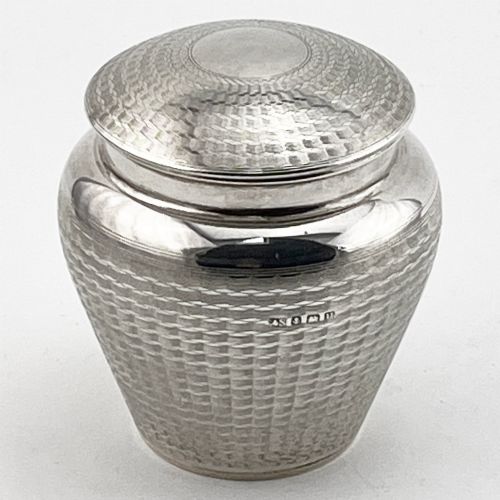
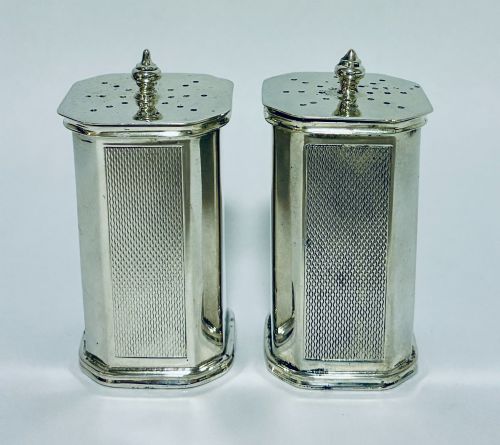
When you search for engine turned silver pots, you encounter a variety of small containers designed for domestic and personal use. These items range from dressing table jars and vanity accessories to inkwells, tea caddies, pepper pots, etuis, and trinket boxes.
The pieces span multiple periods, most frequently appearing from the Victorian era, the Edwardian period, and the Art Deco years, alongside later mid-century examples. English and French workshops produced the vast majority of these items.
Glass bodies with solid silver lids or complete silver constructions dominate the selection. Many feature intricate geometric patterns etched into the metal surface.
Materials and methods of construction
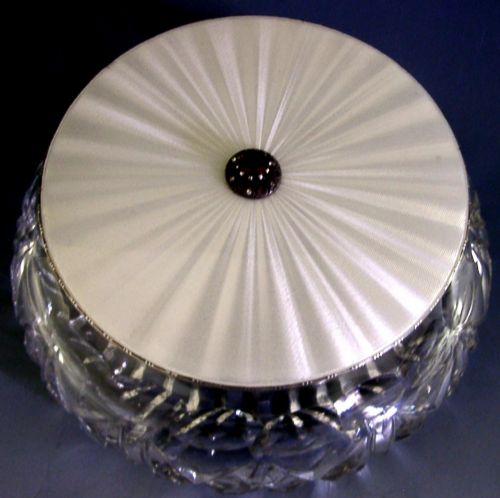
Craftsmen utilised sterling silver, solid silver, and silver gilt to form the lids and mounts, frequently combining these metals with cut glass or amethyst glass bodies. Enamel work and gemstones such as agate also appear as decorative elements.
The characteristic surface pattern is achieved through machine-led cutting on a lathe, producing repetitive geometric designs known as guilloche. Silversmiths then applied hallmarks to certify the metal purity and origin.
Distinctions in craftsmanship
The fineness and complexity of the machine-engraved pattern set individual pieces apart, with tighter and more intricate geometric incisions indicating superior execution. The crispness of the hallmarks and the weight of the silver mounts also contribute to the overall standard of the object.
Integration between different materials defines the execution, particularly where silver mounts meet cut glass bodies or enamel panels. Pieces featuring well-preserved gilding or undamaged glass display a higher degree of preservation.
Henry Williamson Ltd
The Engine Turned Silver Pots Glossary
- Engine turned
- A method of mechanical decoration where a cutting tool etches precise geometric patterns into metal. This technique creates textured surfaces like guilloche.
- Guilloche
- An ornamental pattern produced by engine turning, often filled with coloured enamel. It forms a repeating, intricate design across the metal.
- Sterling silver
- An alloy consisting of silver and other metals, typically copper, standardising at a high purity level. Hallmarks frequently verify this composition.
- Etui
- A small ornamental case used for holding needles, cosmetics, or other small personal items. They often feature hinged lids and fitted interiors.
- Silver gilt
- Silver that has been coated with a thin layer of gold on its surface. This treatment provides a rich golden appearance while retaining a silver base.
Engine Turned Silver Pots: Frequently Asked Questions
What are engine turned silver pots?
These items are small decorative containers featuring precise geometric patterns cut into the metal surface by a lathe. They encompass functional objects made primarily in silver, glass, and enamel.
Craftsmen produced them across the nineteenth and twentieth centuries for dressing tables, desks, and dining settings.
How were dressing table jars used?
Dressing table jars held powders, creams, pins, and small cosmetics in daily Victorian and Edwardian domestic routines. Their secure lids kept contents protected from dust and moisture.
They sat upon vanity tables alongside matching brushes and trays as part of a coordinated dressing set.
How do I identify Art Deco pieces?
Art Deco pieces display clean geometric lines, stylised motifs, and simplified forms typical of the interwar period. The integration of contrasting materials like cut glass and coloured enamel is common.
Maker marks and date letters stamped into the silver mounts provide exact confirmation of the manufacturing decade.
How should I clean silver pots?
Clean silver components gently using a specialist microfibre cloth and mild silver polish to maintain the engraved details. Avoid abrasive cleaners that might wear down the fine geometric incisions.
Take care to keep moisture away from glass inserts and enamel panels during the cleaning process.