



Enamelled Porcelain Dishes
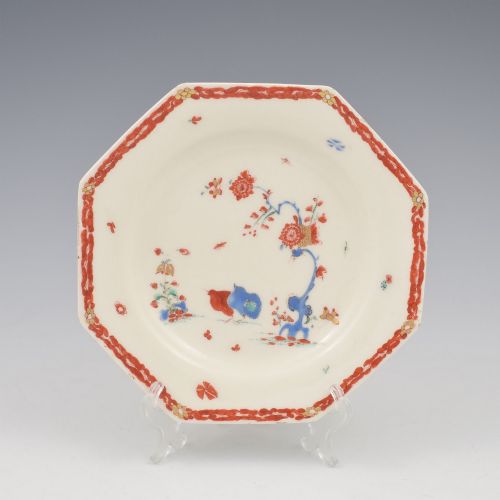
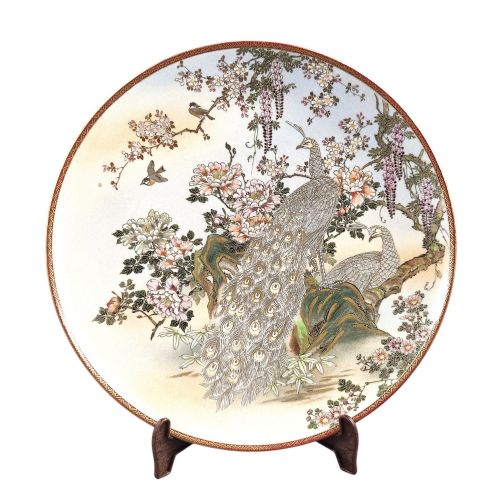
These enamelled porcelain dishes range from vibrant Chinese export wares to delicate Japanese Imari plates and European period pieces.
Enamelled Porcelain Dishes
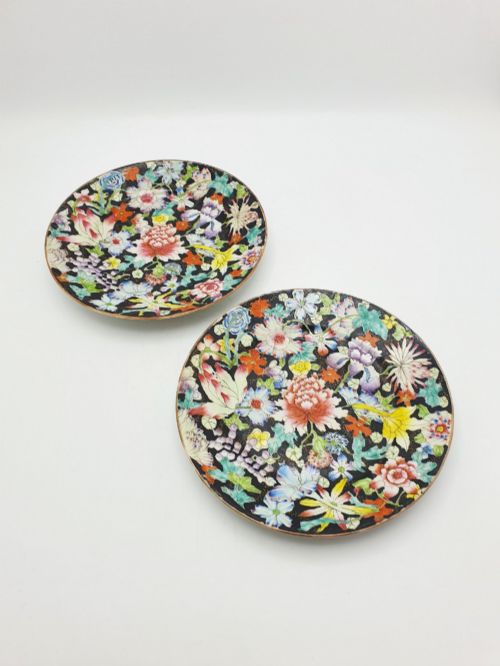
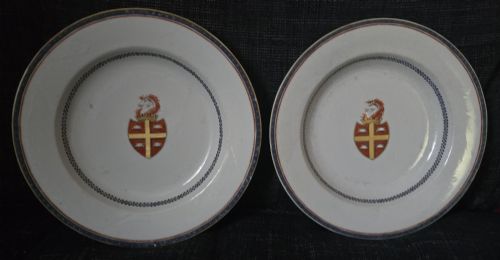
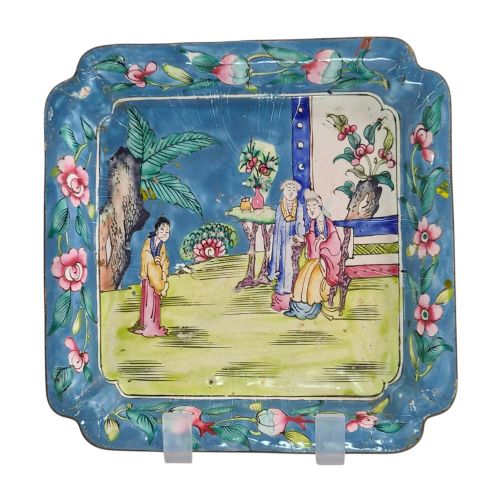
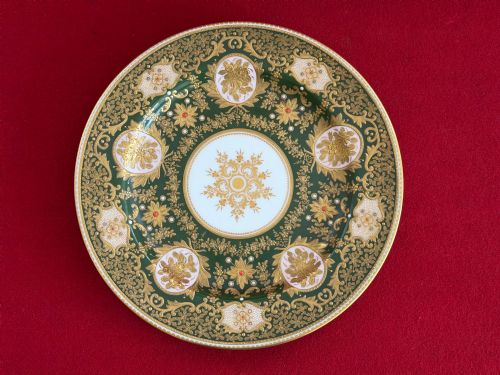
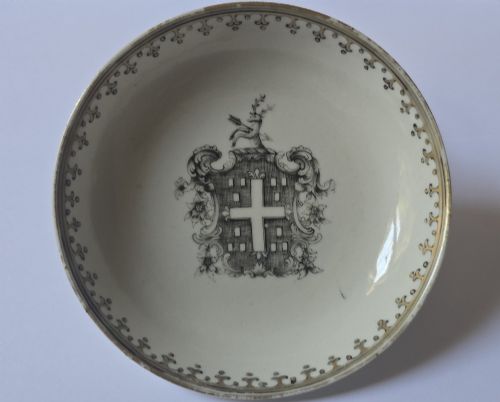
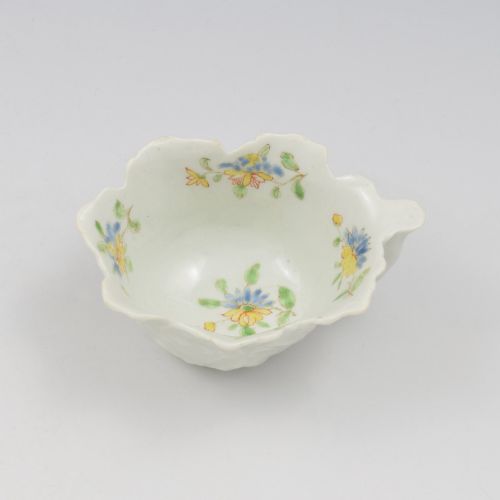
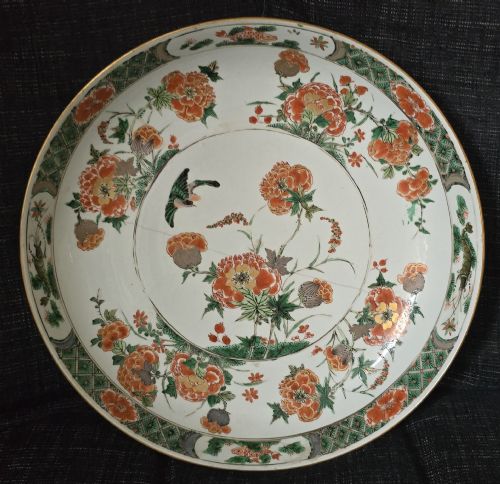
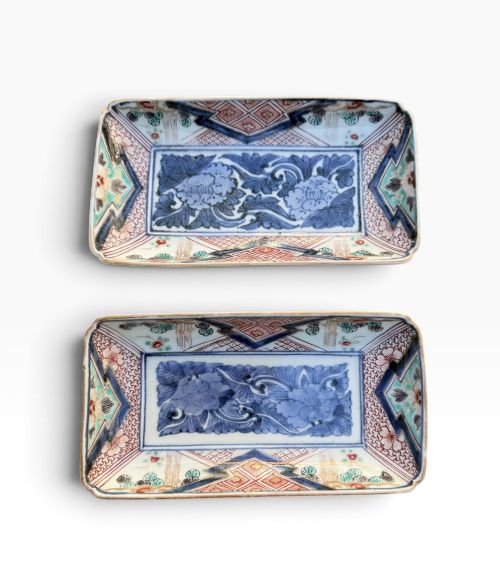
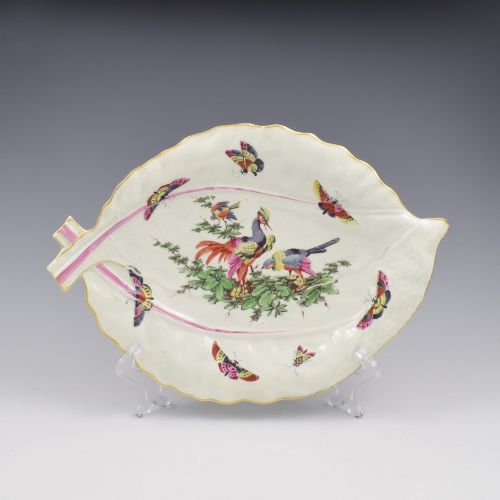
Enamelled porcelain dishes encompass a diverse array of decorative bowls, plates, chargers, and trinket boxes spanning multiple centuries. Buyers searching for enamelled porcelain dishes encounter everything from seventeenth-century Japanese Arita pieces to eighteenth-century Chinese Famille Rose chargers and nineteenth-century European centrepieces.
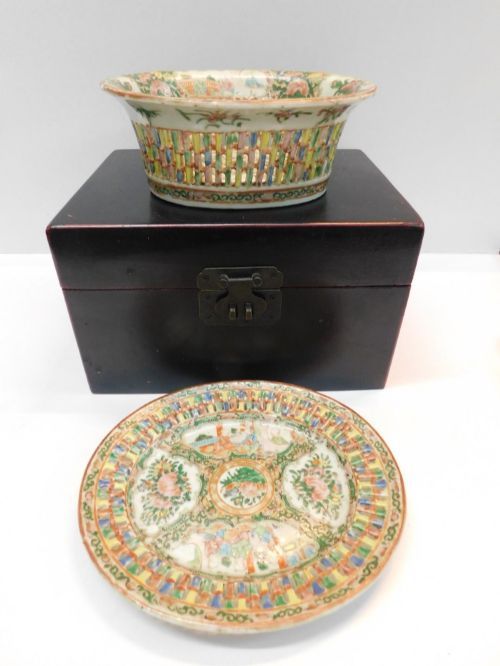
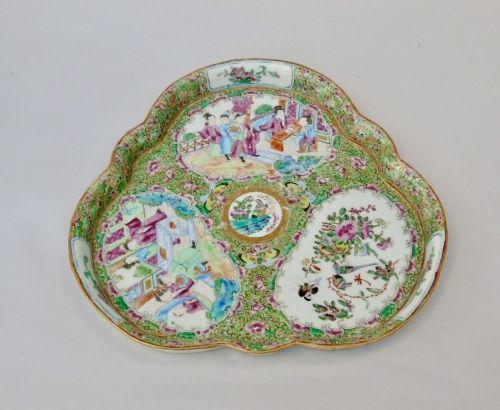
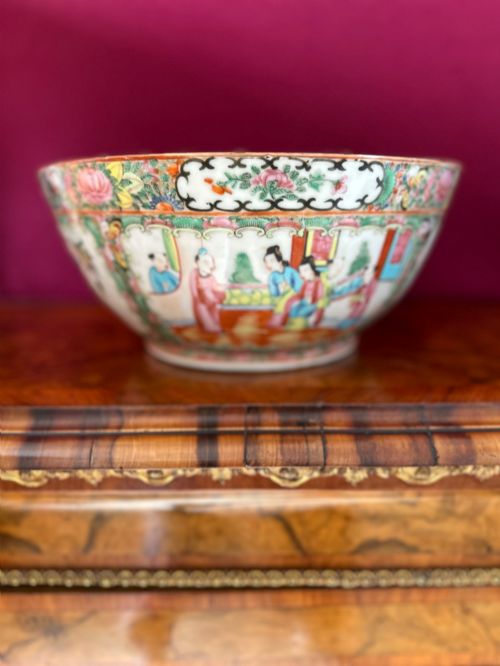
The most prevalent examples on this page are nineteenth-century Chinese Canton wares and Japanese Meiji period Satsuma and Kutani items. These pieces showcase a rich vocabulary of floral, avian, and figurative designs executed across bowls, scalloped dishes, and large chargers.
How they were made
Makers utilised hard-paste porcelain and earthenware bodies, applying overglaze enamels in complex palettes that include iron-red, famille rose, and famille verte pigments. Artisans integrated gold leaf, gilt detailing, and heavy gilding to accent the painted scenes.
Certain Japanese pieces combine traditional porcelain techniques with cloisonne tree bark effects known as totai shippo, merging ceramic bases with detailed surface wirework. Firing processes required precise control to fix the polychrome enamels and gilding over the glazed surfaces.
Enamelled Porcelain Dishes Retail Price Guide 2026
Typical asking prices for enamelled porcelain dishes among the pieces listed under this phrase on Sellingantiques today, from the lower quarter to the upper quarter. They describe what is for sale here now, not the wider market.
Certain nineteenth-century plates feature intricate shamrock shapes, proving that cross-cultural design whims happened long before modern fusion.
What varies in quality
Quality rests upon the precision of the hand-painted brushwork, the vibrancy and stability of the overglaze enamels, and the crispness of the porcelain or earthenware form. Imperial-style commissions and signed pieces by noted makers display superior control over intricate motifs and gilding.
Condition and completeness alter the standing of a dish, particularly regarding the preservation of delicate gold leaf and enamel surfaces across centuries of handling. Early examples with well-documented provenance or specific period marks command closer attention from collectors.
Kozan·Meizan
The Enamelled Porcelain Dishes Glossary
- Famille Rose
- A major palette of Chinese ceramic enamels introduced in the eighteenth century, dominated by opaque pink or rose colours.
- Imari
- A style of Japanese export porcelain decorated in underglaze blue, overglaze red, and gold.
- Satsuma
- Japanese earthenware pottery typically featuring a crackled ivory glaze decorated with polychrome enamels and gilt.
- Overglaze enamel
- Colourful pigments applied over a previously fired and glazed ceramic surface before undergoing a lower-temperature secondary firing.
- Totai Shippo
- Japanese cloisonne ware created by applying enamel work directly onto a ceramic or porcelain body.
Enamelled Porcelain Dishes: Frequently Asked Questions
How do I date an antique porcelain dish?
Dating relies on stylistic markers, baseline materials, and any reign marks or signatures present on the base. Comparing the potting style and enamel palette to known period examples helps narrow down the decade of manufacture.
Changes in trade routes and potting techniques across the seventeenth, eighteenth, and nineteenth centuries also provide reliable chronological clues for attribution.
Are these dishes safe for daily use?
Most antique enamelled porcelain pieces are intended for display and decorative purposes rather than modern culinary service. Overglaze enamels and delicate gold leaf can wear down or react poorly to frequent washing and cutlery.
Gentle dusting and careful handling preserve the painted surfaces and prevent damage to the historic ceramic body.
What is the difference between Canton and Imari wares?
Canton porcelain typically originates from nineteenth-century China, featuring vibrant famille rose or green palettes filled with figures, birds, and floral arrangements. Imari pieces stem from Japan, defined by a distinct palette of deep underglaze blue, iron-red, and gilt highlights.
Both styles catered extensively to export markets, resulting in distinctive decorative vocabularies.
How should I display large chargers safely?
Large chargers and bowls require sturdy, well-fitted wall hangers or secure plate stands designed to support their specific weight and diameter. Placing them away from direct sunlight and high-traffic areas protects the delicate gilding and overglaze colours from accidental damage.
Ensuring the display mount distributes the weight evenly prevents stress fractures in the porcelain or earthenware.