

Enamelled Jewellery
Enamelled jewellery brings together glass and metal across centuries, offering vibrant colour through techniques like guilloché and plique-à-jour.
Enamelled Jewellery
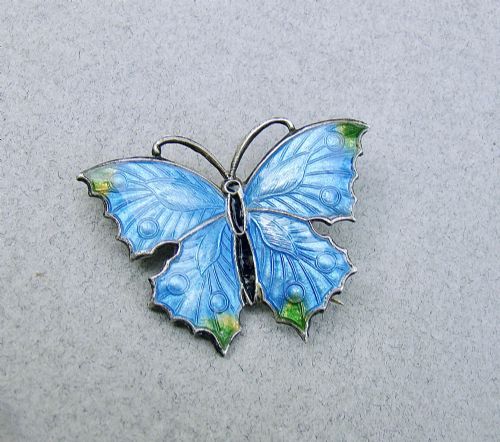
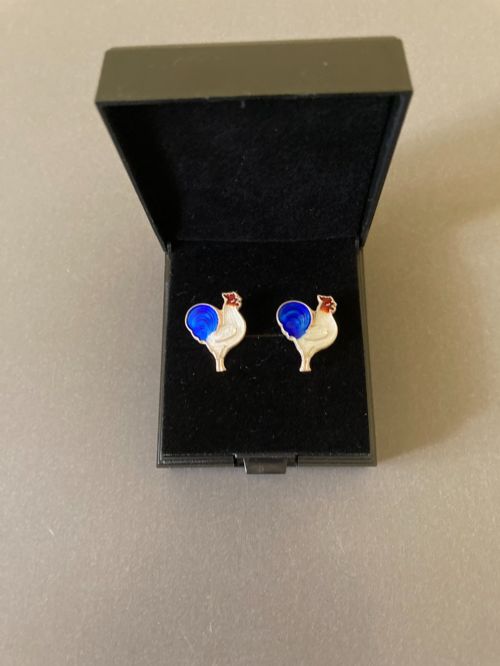
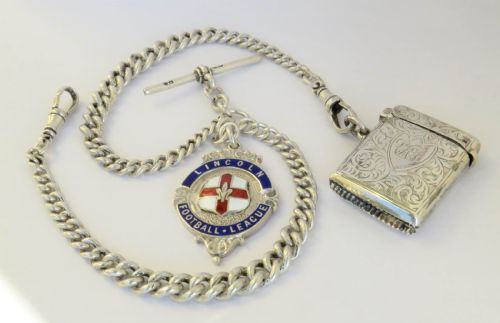
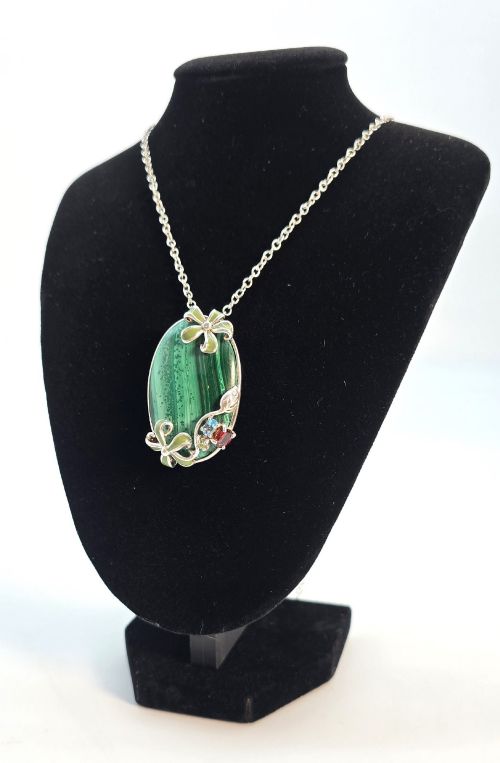
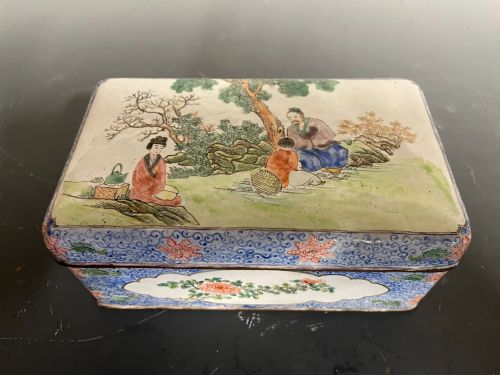
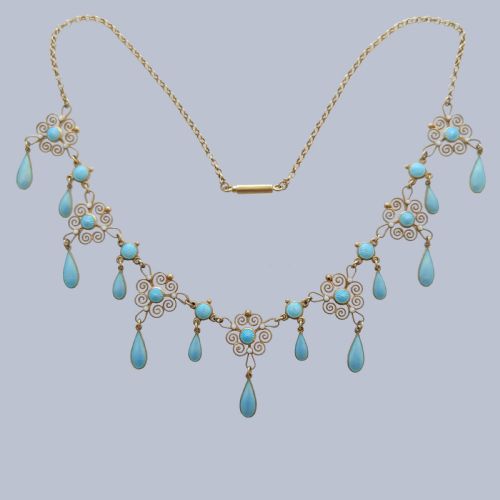
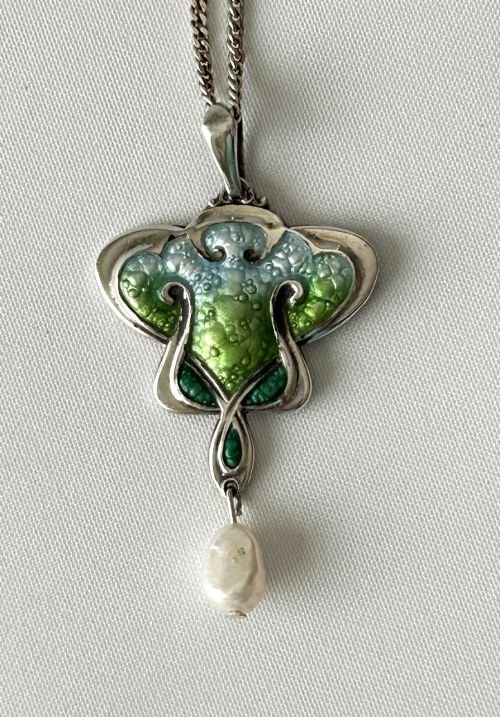
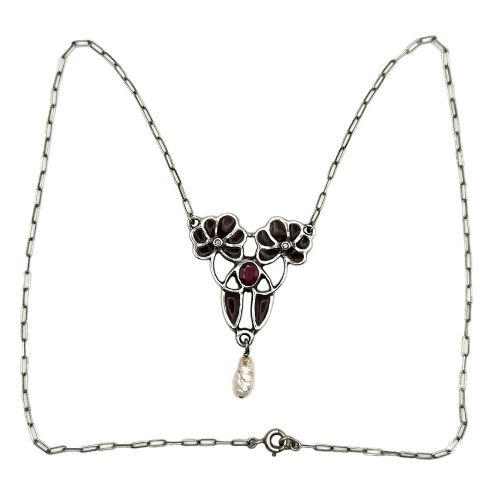
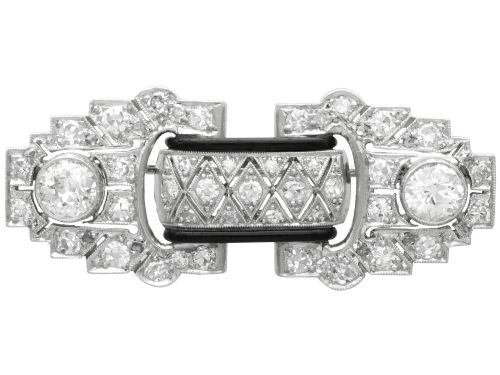
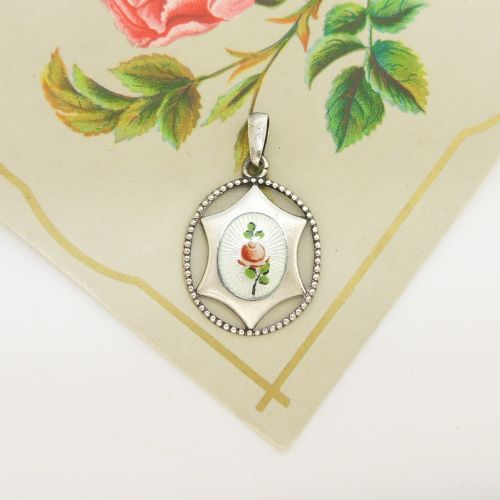
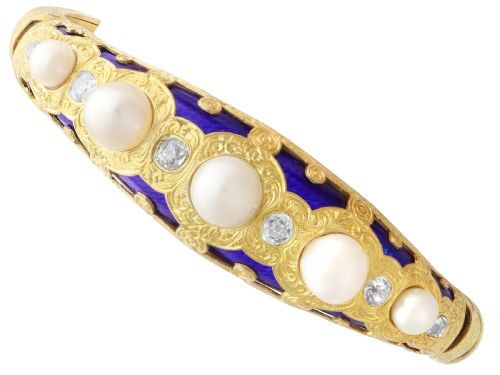
Enamelled jewellery spans brooches, pendants, necklaces, rings, and trinket boxes created across the Victorian, Edwardian, Art Nouveau, Art Deco, and mid-century periods. When exploring enamelled jewellery on this page, the most frequent discoveries are silver and silver gilt Scandinavian pieces, alongside British brooches and pendants from the late nineteenth and early twentieth centuries.
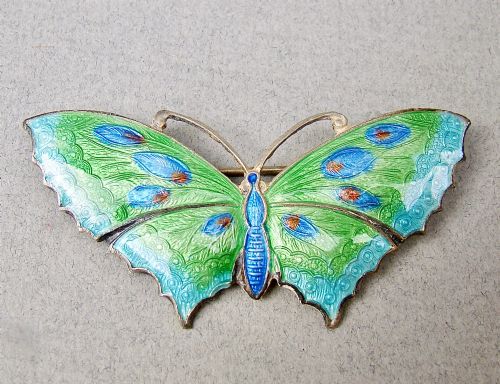
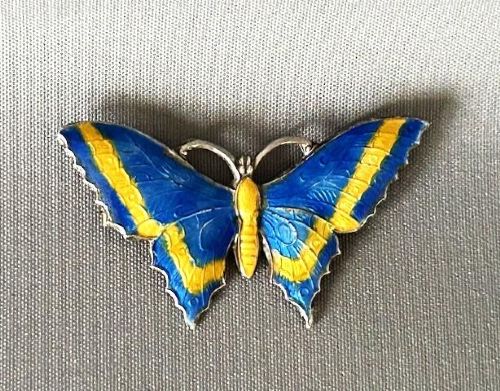
Makers and designers from Norway and Britain feature prominently, utilising vitreous enamel on silver and gold bases. The selection ranges from floral motifs and butterfly designs to geometric Art Deco patterns and intricate mourning lockets.
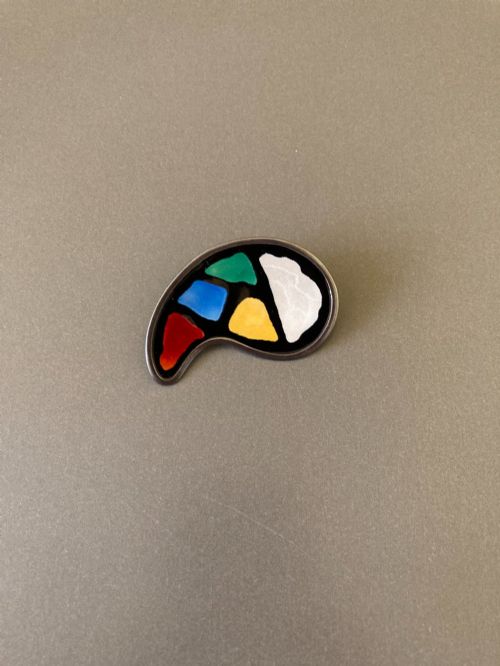
Pieces take various forms, including festoon necklaces, shield charms, and cased button sets. Each era brings distinct characteristics, from the natural lines of Art Nouveau to the clean angles of the mid-century modern aesthetic.
Materials and methods of construction
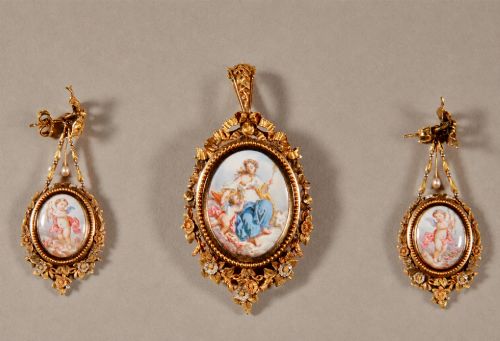
Vitreous enamel is fused to metals such as sterling silver, silver gilt, platinum, and yellow gold of varying carats, sometimes accented with diamonds, pearls, rubies, garnets, and turquoise. Metals provide the structural framework, while powdered glass is melted at high temperatures to create the coloured surface.
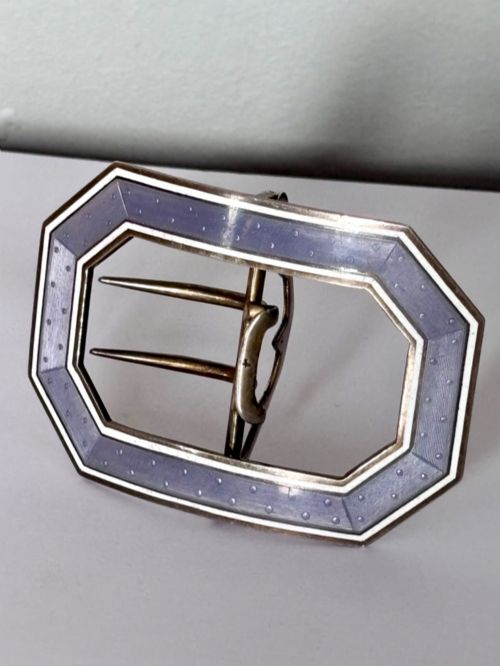
Techniques such as guilloché involve engine-turning the metal beneath translucent enamel to produce geometric patterns, while plique-à-jour suspends enamel in an open metal framework like stained glass. Artisans also apply opaque black enamel for memorial pieces or layer shades to render natural subjects like butterflies and floral sprays.
Enamelled Jewellery Retail Price Guide 2026
Typical asking prices for enamelled jewellery among the pieces listed under this phrase on Sellingantiques today, from the lower quarter to the upper quarter. They describe what is for sale here now, not the wider market.
Listings feature items spanning the Victorian era through the mid-century modern period, utilising sterling silver, silver gilt, and yellow gold.
Quality factors in enamelled pieces
The precision of the metalwork and the clarity of the enamel define the standard of a piece. Fine execution shows smooth, even surfaces without pitting or cloudiness in the glass, and clean integration between the enamel and its metal boundaries.
Design complexity and the quality of secondary stones, such as matched pearls or well-cut diamonds, elevate a piece further. Maker attribution, particularly to known Scandinavian workshops or British Arts and Crafts designers, also distinguishes exceptional examples from standard production.
Marius Hammer·K A Rasmussen·Aksel Holmsen·Charles Horner·Archibald Knox for Liberty & Co·David Andersen
The Enamelled Jewellery Glossary
- Guilloché
- A decorative technique where a mechanical tool engraves a precise, intricate pattern into metal before translucent enamel is applied over the top.
- Vitreous Enamel
- Glass powder fused to a metal surface through high-temperature firing, creating a durable and coloured glassy coating.
- Plique-à-jour
- An enamelling technique similar to cloisonné, but without a backing metal, allowing light to shine through the translucent glass.
- Silver Gilt
- Sterling silver that has been coated with a thin layer of gold, providing a warm golden finish while retaining a silver base.
- Festoon Necklace
- A necklace design featuring draped chains, swags, or drops suspended across the neckline, popular in Edwardian and Art Nouveau jewellery.
Enamelled Jewellery: Frequently Asked Questions
How do I care for enamelled jewellery?
Enamel is essentially glass, so it requires gentle handling to avoid impact chips or deep scratches. Store pieces separately in soft pouches and clean them gently with a damp cloth rather than harsh chemical dips.
Avoid exposing vintage pieces to ultrasonic cleaners or prolonged water submersion, particularly if pearls or foil-backed stones are present. Regular gentle wiping preserves the lustre of both the metal and the glass surface.
What is guilloché enamel?
Guilloché is a decorative technique where a precise geometric pattern is mechanically engraved into a metal substrate, usually silver or gold. Translucent enamel is then fired over the engraved metal, allowing the underlying pattern to show through with depth and movement.
This method was widely utilised during the Edwardian era and by Scandinavian designers in the mid-twentieth century. The interplay between the textured metal and the coloured glass creates a distinctive shimmering effect.
Were these pieces used for mourning?
Certain enamelled items, particularly from the Victorian era, served as mourning jewellery. These pieces often incorporated black enamel, seed pearls, and hair compartments to commemorate deceased loved ones.
Mourning pendants and lockets were deeply personal items carrying specific sentimental value. The presence of dark enamel combined with engraved inscriptions or motifs helps identify their commemorative function.