



Enamelled Drinking Glasses
Enamelled drinking glasses combine the clarity of lead glass and clear glass with colourful enamel decoration across Georgian, Victorian, and Art Deco periods.
Enamelled Drinking Glasses
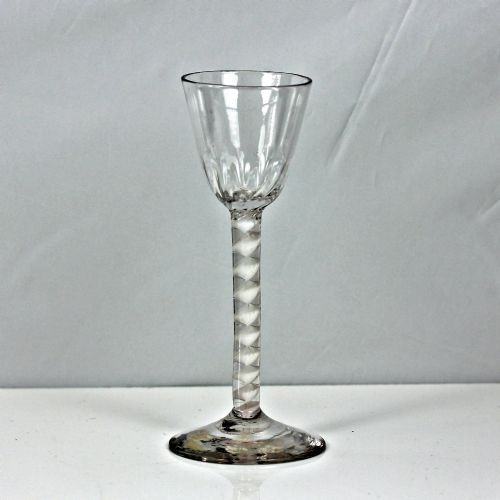
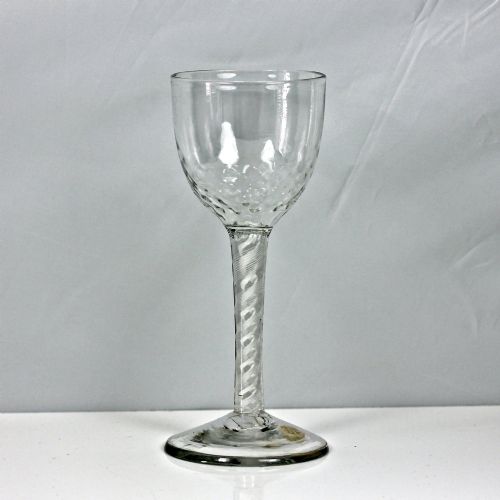
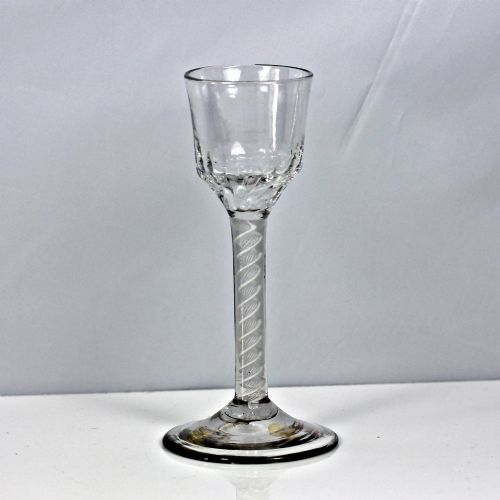
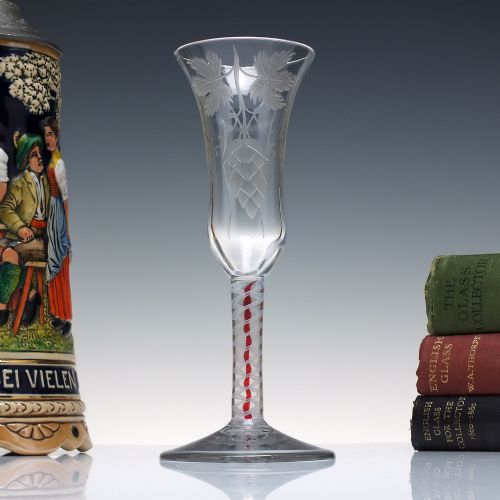
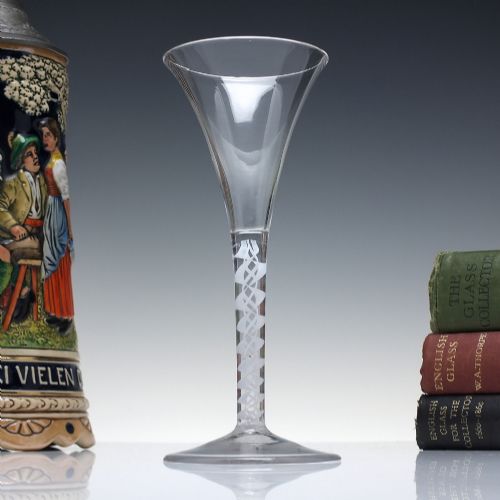
Enamelled drinking glasses bring together historical forms ranging from Georgian opaque twist wine glasses and goblets to Victorian and Art Deco cocktail sets.
The selection on this page centres on drinking vessels, wine glasses, and decorative vessels produced in England, Bohemia, and Austria.
Buyers encounter pieces spanning the 18th century, Victorian era, and 1930s, featuring polychrome enamel and white enamel details.
How they were made
Maker operations utilised lead glass, lead crystal, and clear glass as the foundational substrate for subsequent decoration.
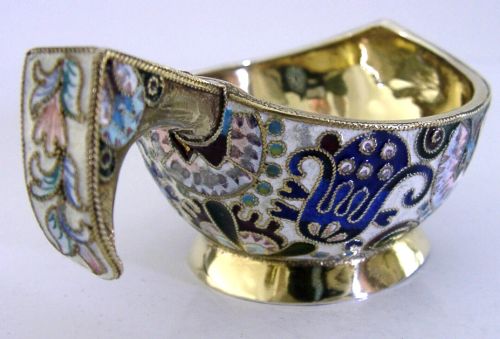
Artisans applied polychrome enamel and white enamel directly onto the glass surface, often pairing the work with moulded or twist stems.
Enamelled Drinking Glasses Retail Price Guide 2026
Typical asking prices for enamelled drinking glasses among the pieces listed under this phrase on Sellingantiques today, from the lower quarter to the upper quarter. They describe what is for sale here now, not the wider market.
A solitary cockerel peers through 1930s cocktail shakers, proving that even decorative glass appreciated a lively morning wake-up call.
What varies in quality
Quality differences emerge in the precision of the glass forming, from flute-moulded ogee bowls to complex twist stems.
The execution of the enamel work dictates the refinement of the piece, distinguishing standard vessels from elaborate goblets and cocktail services.
Lobmeyer·Frits Hechert
The Enamelled Drinking Glasses Glossary
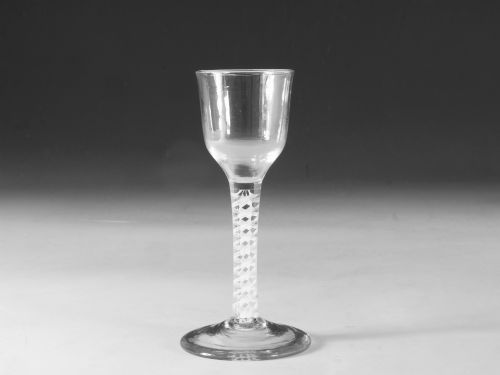
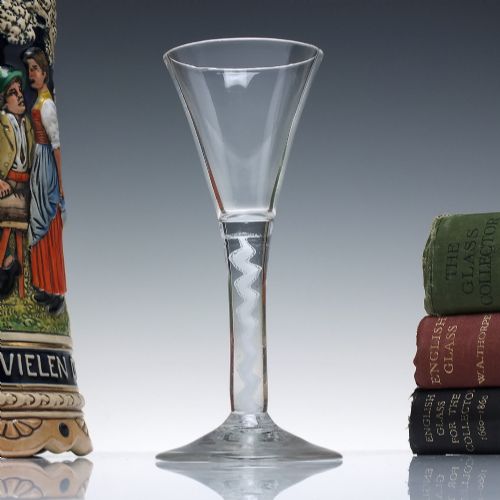
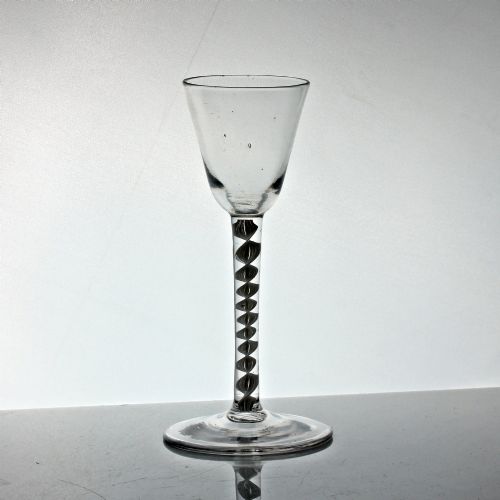
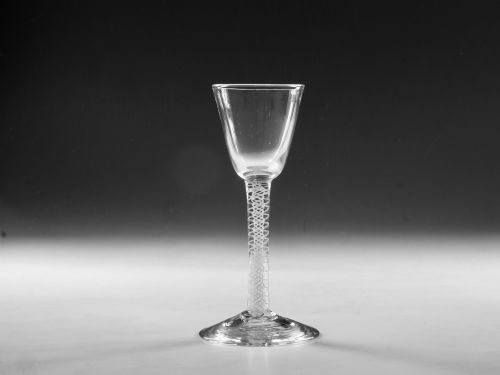
- Opaque twist
- A type of glass stem containing white or coloured enamel threads twisted within the clear glass. This technique was popular in 18th-century English manufacture.
- Roemer
- A traditional Germanic form of drinking vessel featuring a large bowl on a ribbed stem. Examples often utilise green glass decorated with polychrome enamel.
- Ogee bowl
- A bell-shaped vessel profile that curves inward at the rim and outward at the base. It frequently appears on Georgian wine glasses.
- Polychrome enamel
- Glass decoration utilising multiple coloured opaque pigments fused to the surface by heat. It defines the appearance of pieces from Bohemia and Austria.
Enamelled Drinking Glasses: Frequently Asked Questions
What periods do these glasses come from?
The pieces span several distinct eras, beginning with the 18th century and Georgian period. Later examples extend into the Victorian era, 1900, 1910, and Art Deco 1930 items.
Production origins include England, Bohemia, and Austria, reflecting shifting regional styles in glassware and enamelling over two centuries.
How are different glass types used?
Vessels range from individual wine glasses and ale glasses to complete cocktail glass services and drinks sets. Smaller goblets and wine glasses served for dining, while larger sets supported social drinking.
Cocktail shakers and matched services represent the later 1930s shift towards dedicated entertaining vessels.
What materials make up these items?
Makers utilised lead glass, lead crystal, and clear glass as the primary body materials. Pale green glass also appears in specific continental European vessels.
Decoration relies on enamel, white enamel, and polychrome enamel applied to the exterior surfaces of the glassware.
How do twist stems differ?
Twist stems incorporate internal threads of enamel within the clear glass column. Georgian examples feature single series or double series opaque twists.
These optical effects alter the appearance of the stem depending on the angle of light and the complexity of the internal spirals.