
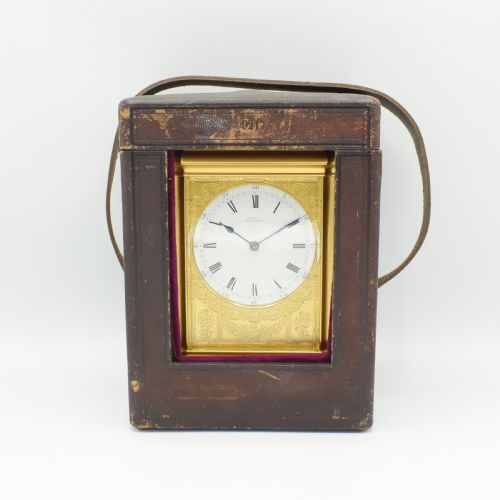
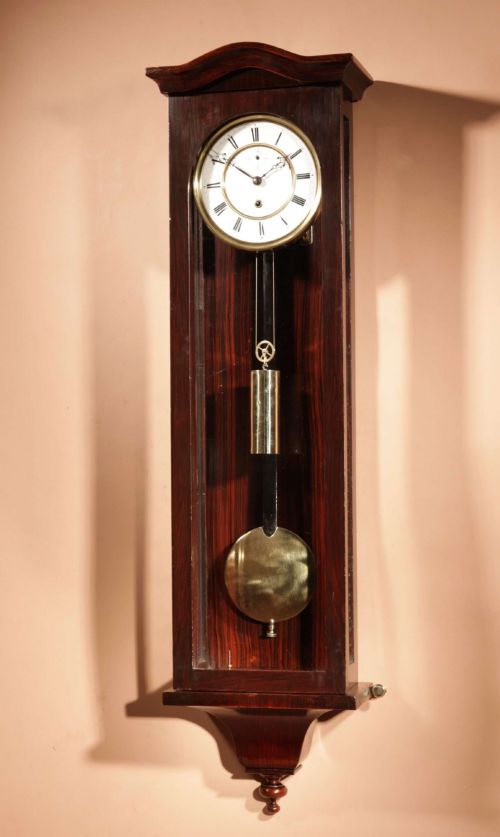
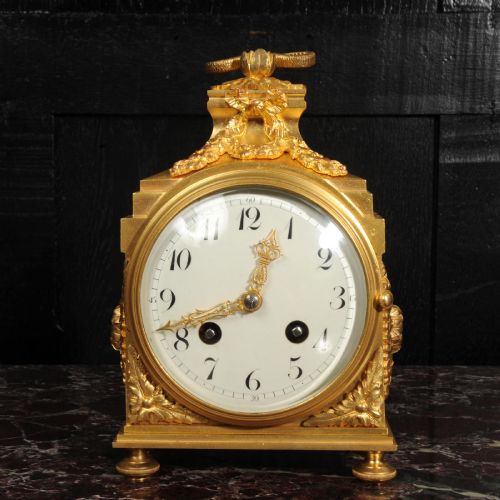
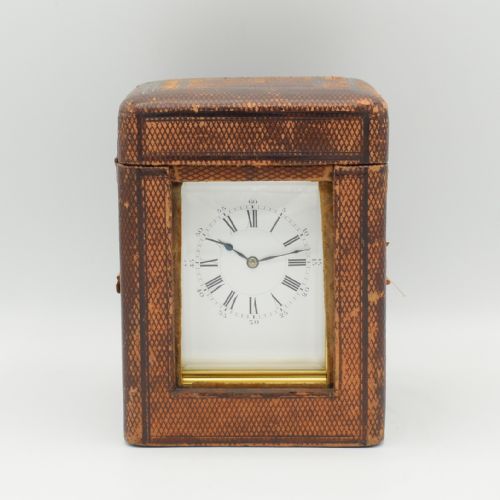
Enamelled Dial Clock
An enamelled dial clock brings a crisp, bright face and reliable mechanical timekeeping into any room.
Enamelled Dial Clock
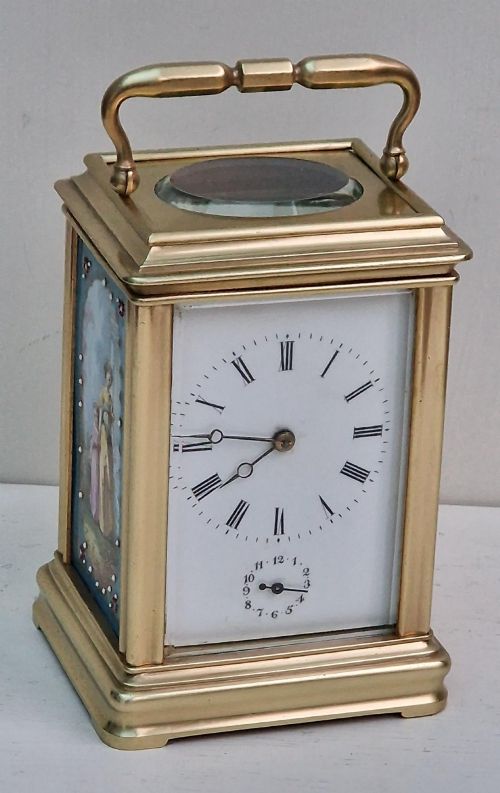
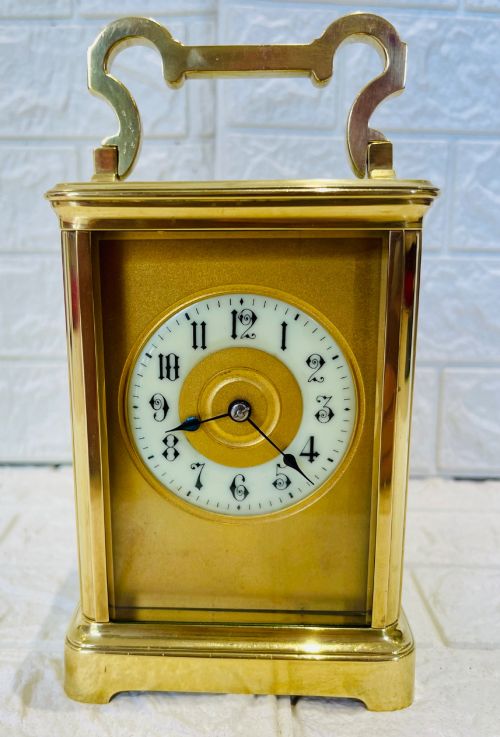
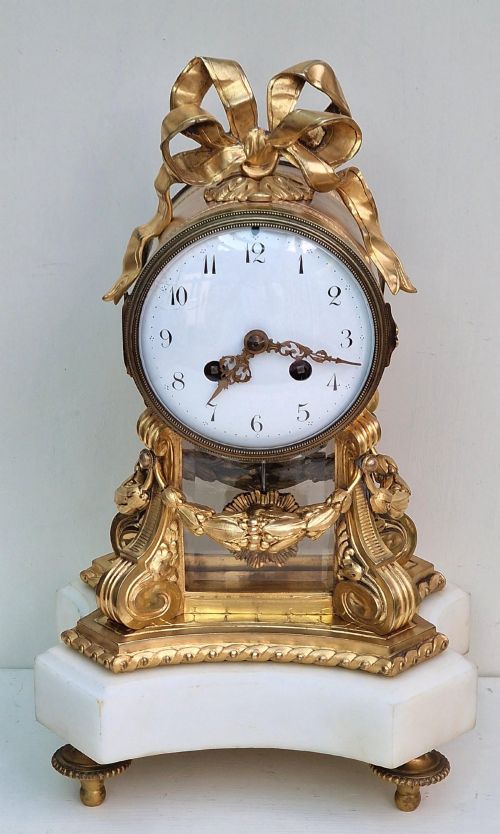
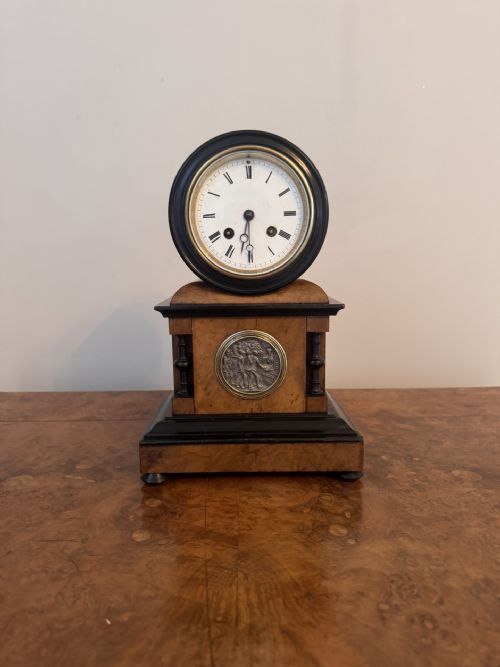
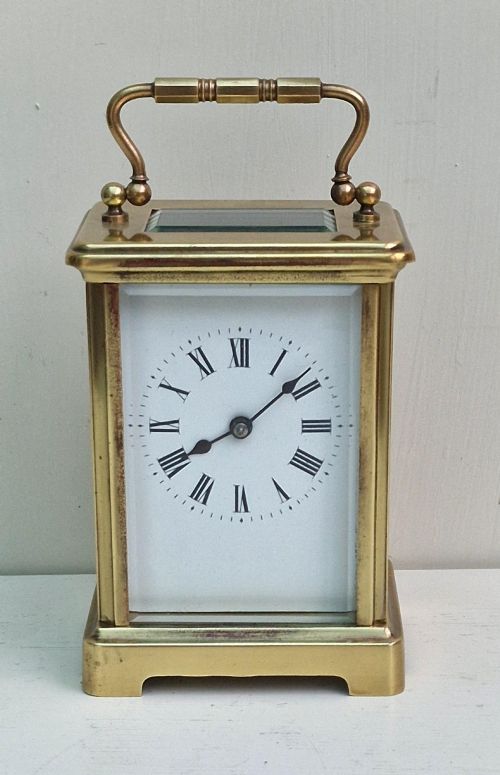
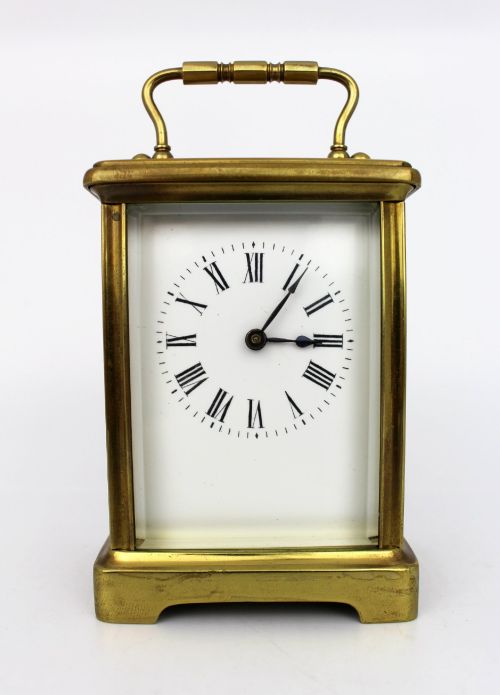
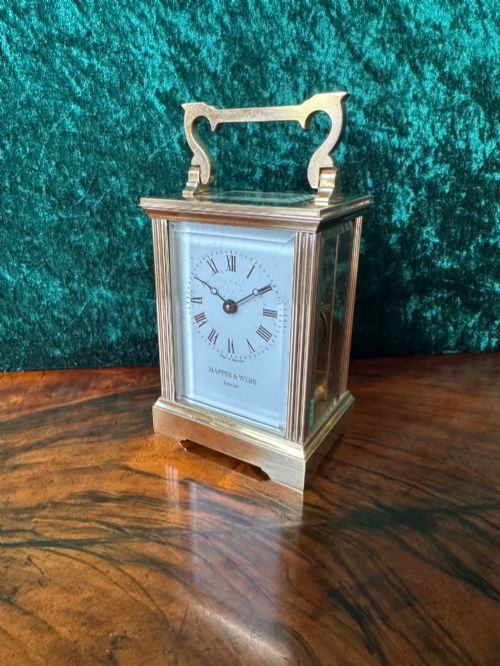
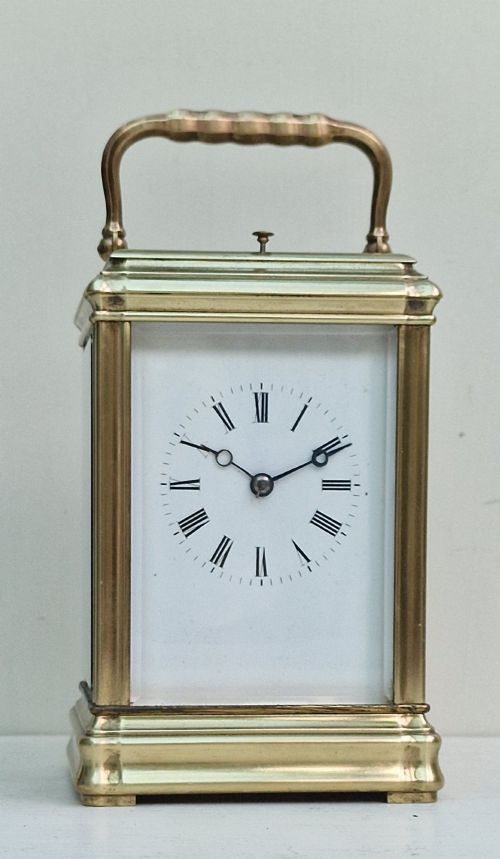
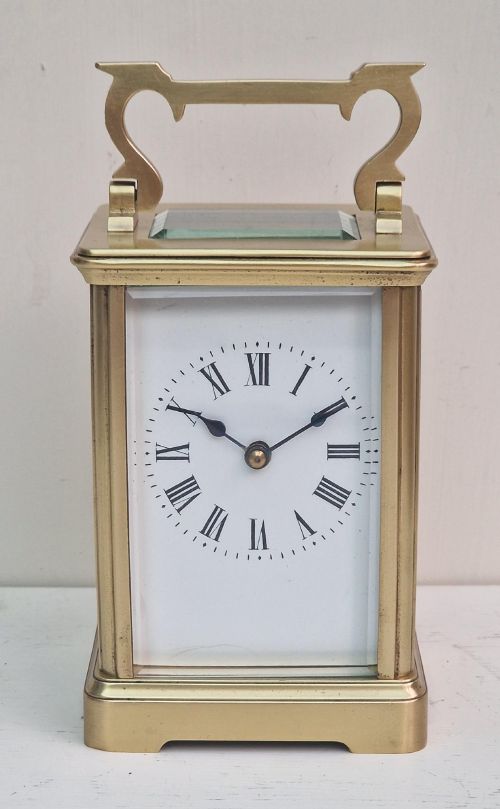
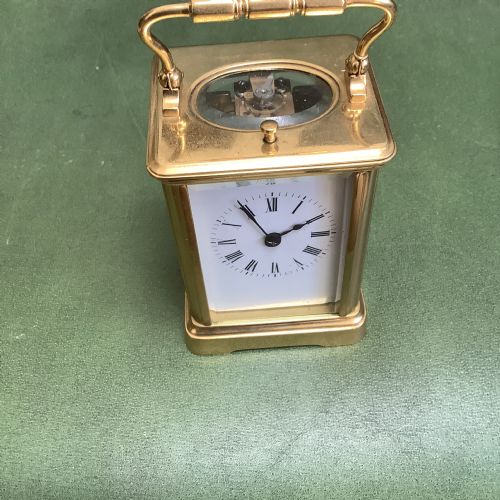
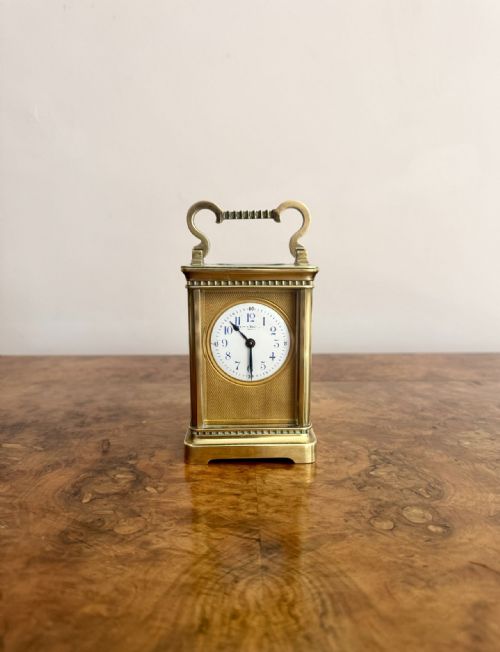
An enamelled dial clock is primarily represented here by brass carriage clocks, French mantel clocks, and wall clocks from the nineteenth and early twentieth centuries. These timepieces range from miniature travel clocks housed in leather cases to large, ornate architectural mantel clocks designed for prominent display.
The selections span periods from the Victorian era through Edwardian times, with French examples from the nineteenth century forming a substantial part of the group. Buyers also encounter specialised items such as clock dials, pocket watches, and regulators styled after Viennese models.
How they were made
Makers constructed these clocks using brass, gilt bronze, or ormolu for the structural cases, frequently incorporating glass panels to reveal the internal movements. Dials were formed from fired enamel, providing a smooth, durable white surface for painted or printed numerals.
Details included leather travel cases for portability, marble bases for weight, and ebonised wood or gilt brass frames. Movements relied on precision metal gearing, often featuring eight-day duration, striking mechanisms, or repeating functions.
What varies in quality
The standard of an enamelled dial clock depends on the crispness of the enamel face and the degree of hand-finishing on the brass or gilt bronze case. Pieces featuring fully engraved cases, porcelain panels, or miniature painted details sit firmly at the upper end of the range.
Maker attribution and movement complexity also dictate standing, with signed Parisian mechanisms and repeat striking complications commanding greater attention than standard timepieces.
Henri Jacot·Mappin and Web·Pickford of London·Drocourt Paris·T. Martin & Co·C. Detouche Paris·Margaine Of France
The Enamelled Dial Clock Glossary
- Carriage clock
- A portable spring-driven timekeeper with a carrying handle, originally designed for travellers in the nineteenth century. These clocks usually feature glass panels that reveal the escapement.
- Enamel
- A glassy substance fused to a metal substrate through high-temperature firing, creating a smooth and resilient dial face. It provides a bright background that resists fading over time.
- Ormolu
- Gilt bronze produced by applying a finely ground high-carat gold-mercury amalgam to a bronze object. The mercury is then driven off by heat, leaving a rich golden coating.
- Regulator
- A precision pendulum clock designed for high accuracy, often housed in a tall wall case. These pieces display a clear separation of the minute and hour hands on the dial.
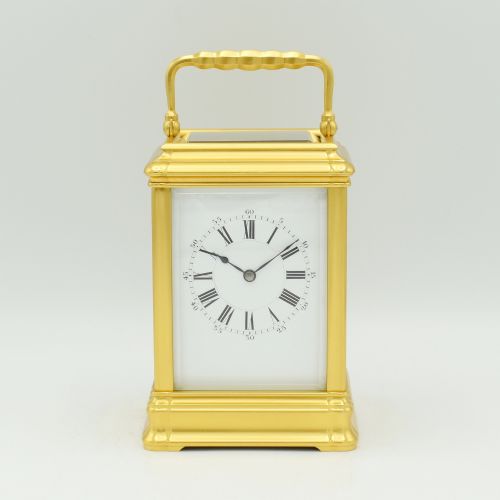
- Gorge case
- A distinct rectangular carriage clock case style characterised by stepped mouldings at the top and base. It represents a classic French housing for nineteenth-century movements.
Enamelled Dial Clock: Frequently Asked Questions
How do I wind an antique carriage clock?
Most antique carriage clocks utilise a key inserted into the winding squares located on the backplate of the movement. Turn the key gently until resistance indicates the mainspring is fully tensioned.
Avoid over-winding the mechanism, as this places undue stress on the internal springs. Ensure you support the clock securely by its body rather than the handle while winding.
How do I clean an enamelled dial?
Wipe the white enamelled surface gently with a soft, dry cloth to remove dust. Avoid using abrasive cleaners or harsh solvents that might damage the painted numerals.
If stubborn marks remain, a slightly damp cloth with mild soap can be used, followed immediately by thorough drying.
Can these clocks run accurately today?
Many nineteenth-century clocks maintain good timekeeping when properly serviced and adjusted by a professional horologist. Mechanical wear requires periodic cleaning and oiling of the pivot holes and gears.
Level placement on a stable surface ensures the pendulum or balance wheel beats evenly.
What makes a travel case important?
Original leather travel cases protected portable timepieces from knocks and environmental moisture during transit. Finding a clock with its matching case preserves its historical integrity and completeness.
These fitted cases often feature velvet or silk linings designed specifically to cradle the brass handle and body.