

Enamel Decorative Vases
Enamel decorative vases bring colour and texture into a room through fused glass powders on metal, ceramic, or glass bodies.
Enamel Decorative Vases
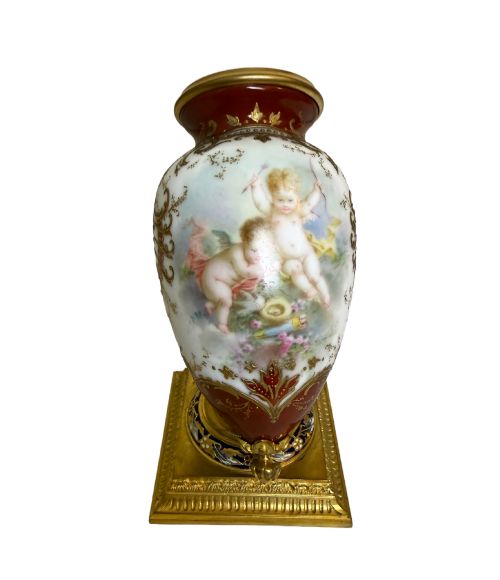
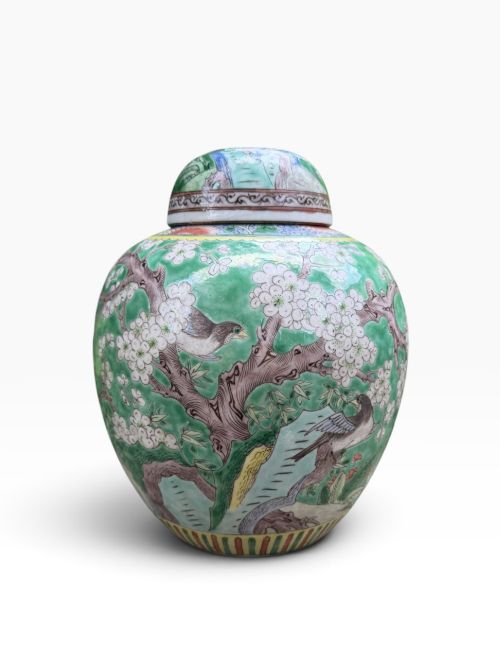
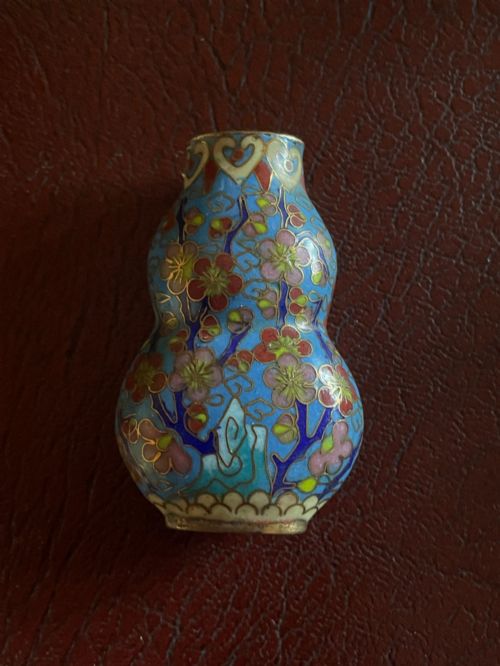
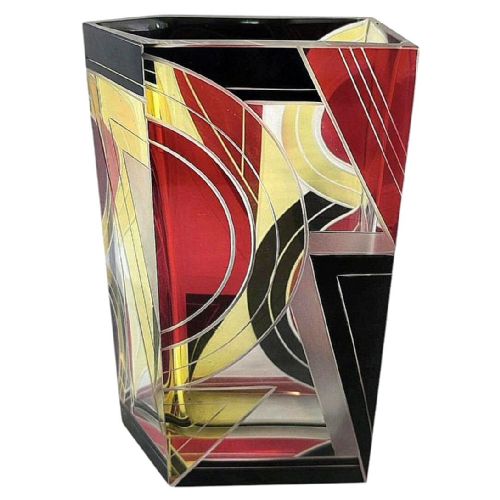
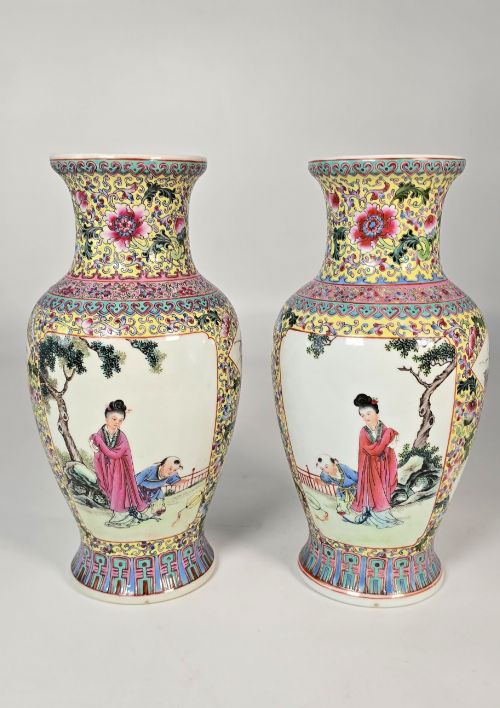
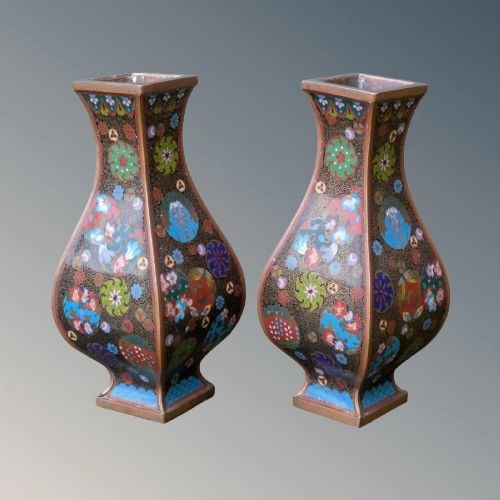
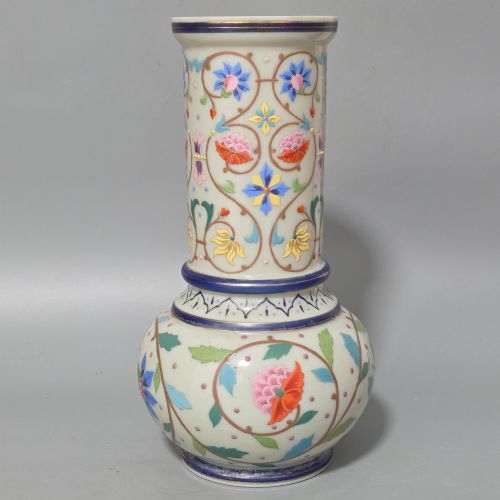
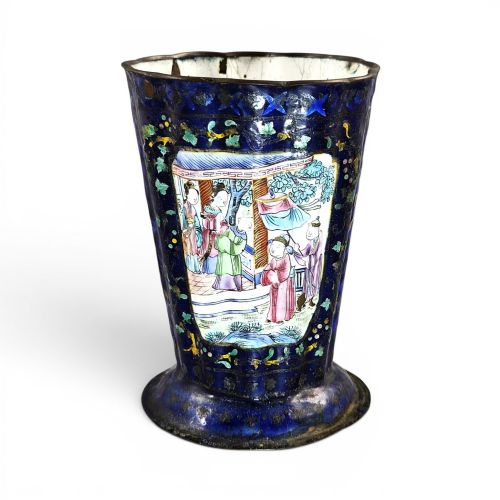
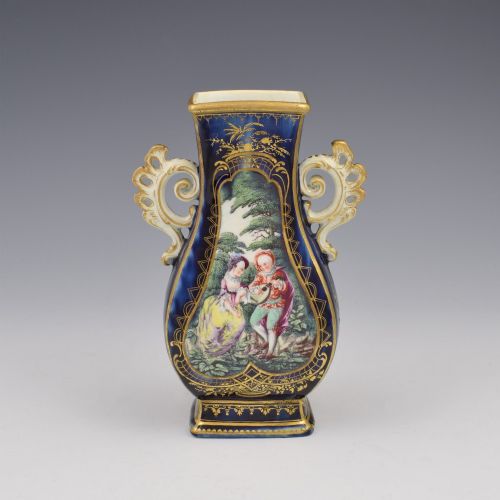
Enamel decorative vases span centuries of global craftsmanship, ranging from intricate Japanese cloisonné and Chinese porcelain ginger jars to nineteenth-century French gilt bronze vessels and twentieth-century European glass. When searching for enamel decorative vases, collectors encounter various forms including traditional urns, table lamps, ginger jars, and large palace vases created across different periods from the Victorian era to the Art Deco movement.
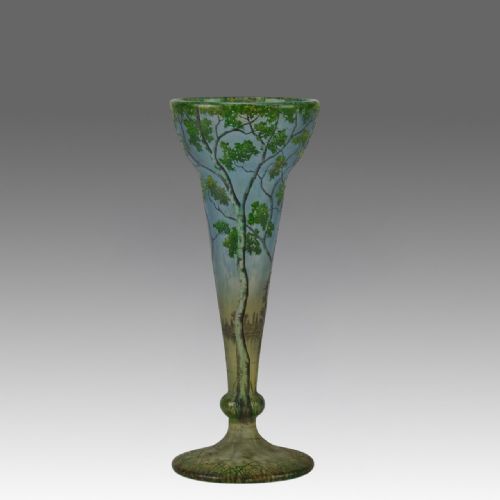
The selections available include both delicate miniature pieces and monumental floor vessels featuring botanical motifs, animal scenes, and geometric patterns. Japanese Meiji period examples and Chinese Qing dynasty pieces dominate the historical offerings alongside European glassworks from makers utilising enamelling techniques on cameo and blown surfaces.
How they were made
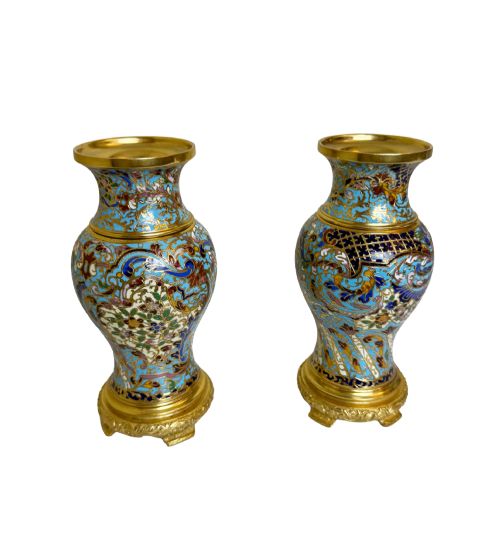
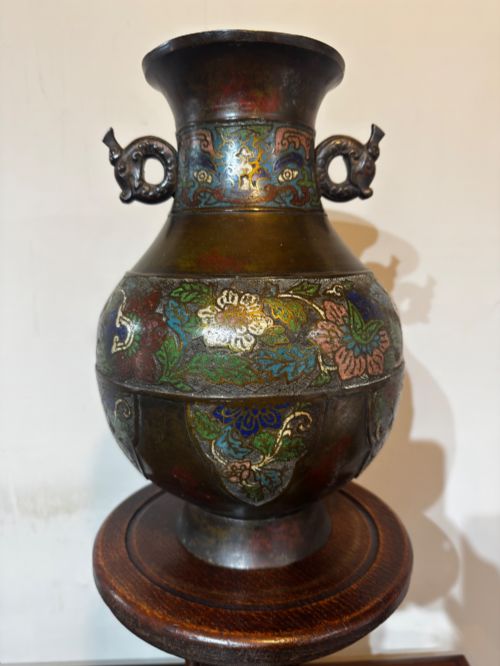
The creation of these vessels relies on fusing powdered glass onto substrates such as copper, bronze, porcelain, earthenware, or glass through high-temperature firing. Cloisonné and champlevé techniques utilise metal wires or carved troughs to separate distinct coloured enamel pastes before firing and polishing.
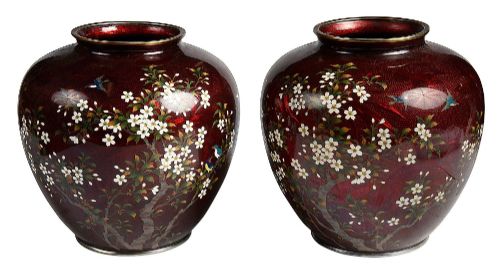
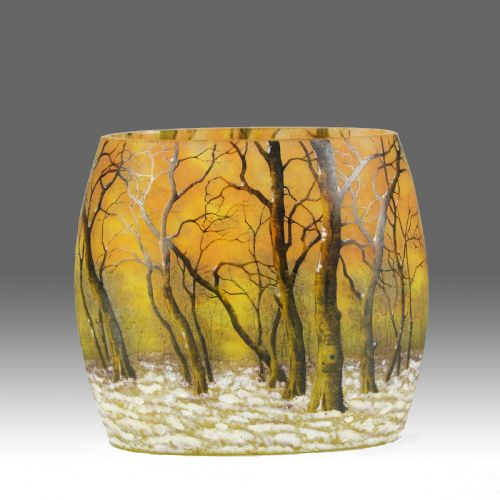
Makers of glass variants apply enamel pigments directly to the surface of blown, cameo, or etched vessels, often combining the colours with gold leaf or gilding. Japanese workshops also employ silver wire and ginbari bases to achieve translucent red enamel effects known as basse-taille.
Listings feature materials spanning porcelain, copper, brass, earthenware, glass, and bronze across the Victorian, Edwardian, and Art Deco eras.
What varies in quality
Quality rests upon the precision of the metalwork cells, the evenness of the vitreous enamel fusion, and the complexity of the hand-painted or wired motifs. Masterpieces exhibit flawless polishing across intricate designs without pitting or clouding in the glass layers.
The weight of the bronze or copper body, the richness of the gilding, and the presence of artist signatures or workshop marks distinguish standard production pieces from exhibition-grade works.
Daum Frères·Manpei Kobe·Ando Jubei·Makuzu Kozan II·Karl Palda
The Enamel Decorative Vases Glossary
- Cloisonné
- An enamelling technique where metal wires form raised partitions to hold coloured glass pastes before firing. This method creates detailed cells across the body of a vessel.
- Champlevé
- A technique where troughs or cells are hollowed out of a metal surface to receive enamel colours. The remaining metal walls form the outlines of the design.
- Moriage
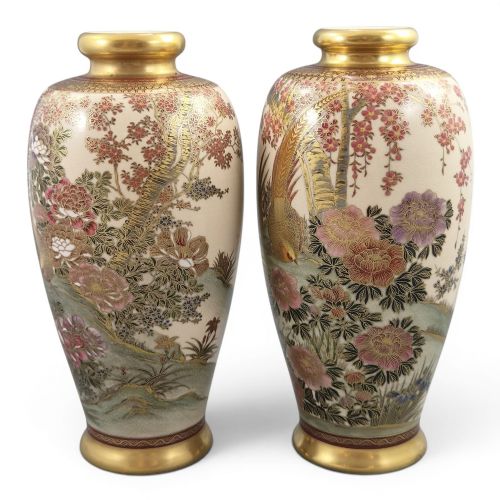
- A Japanese ceramic decorating technique using slip applied in raised dots or lines to create textured relief patterns. It frequently appears on Satsuma pottery alongside heavy gilding.
- Basse-Taille
- A translucent enamelling method where the metal ground is engraved or etched so that patterns show through the vitreous glass layer. It adds depth and luminosity to red and coloured enamels.
- Ginger Jar
- A decorative ceramic container with a broad rounded body and a domed cover, originally used for spices. These vessels evolved into popular display pieces in various dynasties.
Enamel Decorative Vases: Frequently Asked Questions
What is the difference between cloisonné and champlevé?
Cloisonné involves soldering thin metal wires onto a metal base to create individual compartments for enamel pastes.
Champlevé carves the design cells directly out of the thick metal substrate rather than applying wires to the surface.
How can I tell a Meiji period Japanese vase?
Japanese pieces from the Meiji period frequently feature meticulous silver or brass wirework and marked bases associated with famous workshops.
Look for refined motifs of birds, flowers, and mythical beasts executed with high technical precision on copper or bronze.
Are these vases suitable for holding water?
Many antique enamel and cloisonné pieces function primarily as decorative art objects rather than practical vessels for cut flowers.
Older materials such as earthenware and porous ceramic bodies can degrade when exposed to moisture over extended periods.