
Enamel Carriage Clock
An enamel carriage clock brings portable nineteenth-century precision and refined glass-on-metal decoration straight to a desk or mantelpiece.
Enamel Carriage Clock
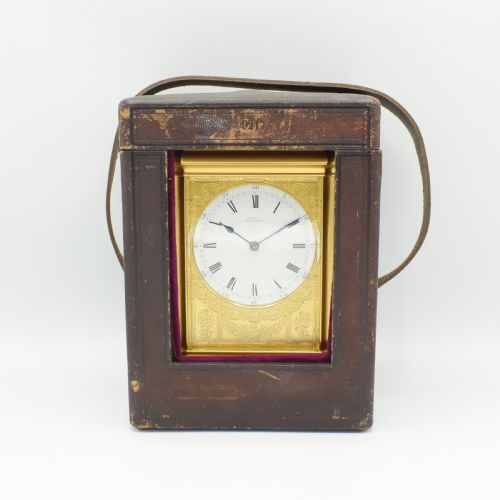
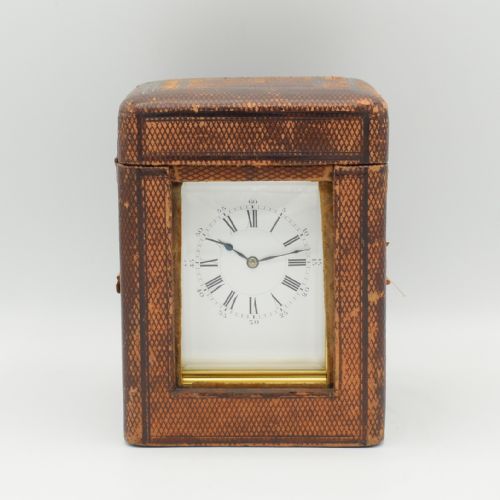
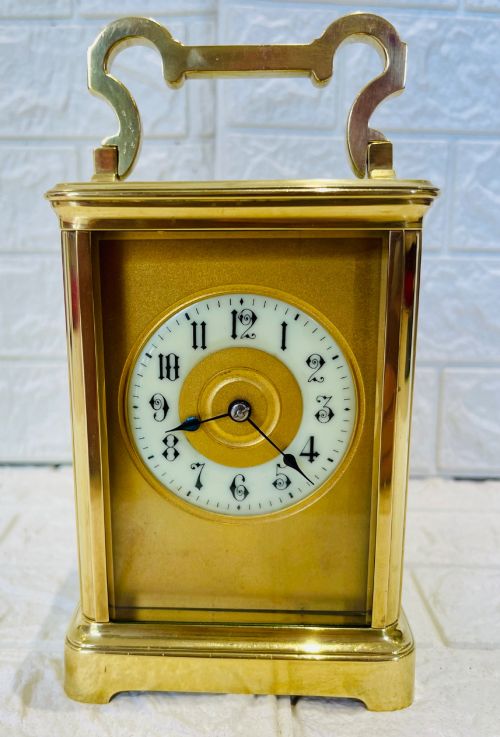
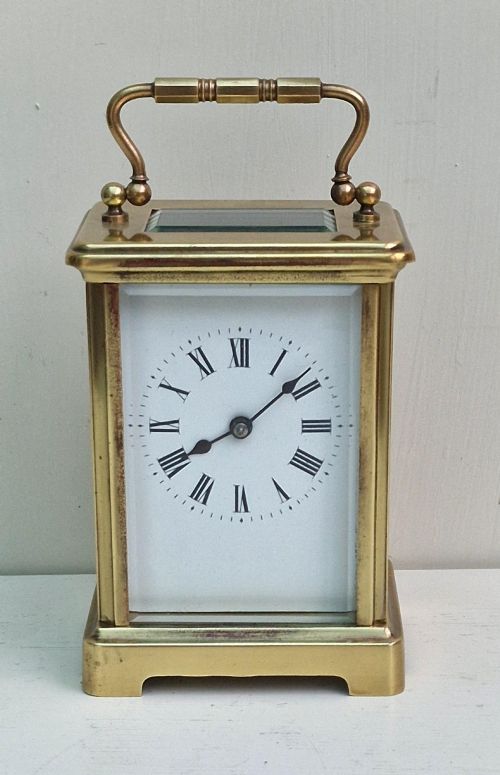
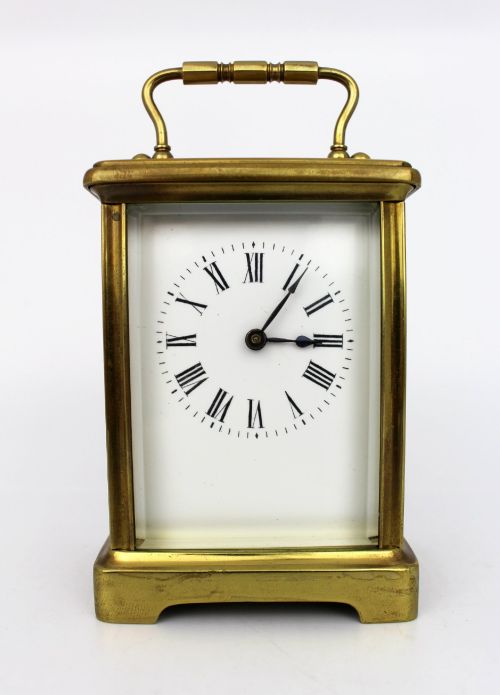
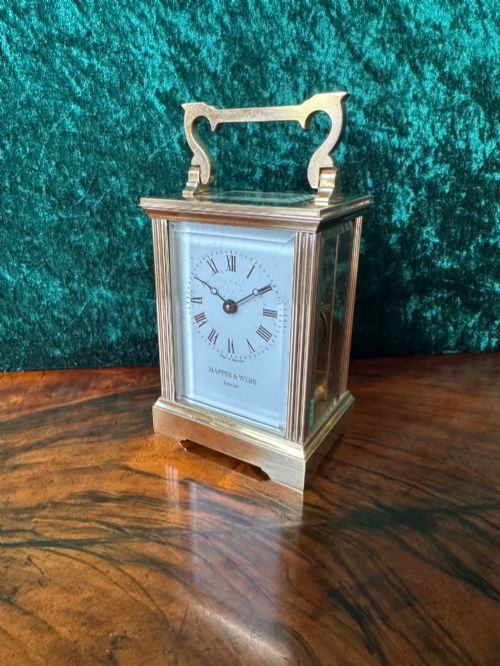
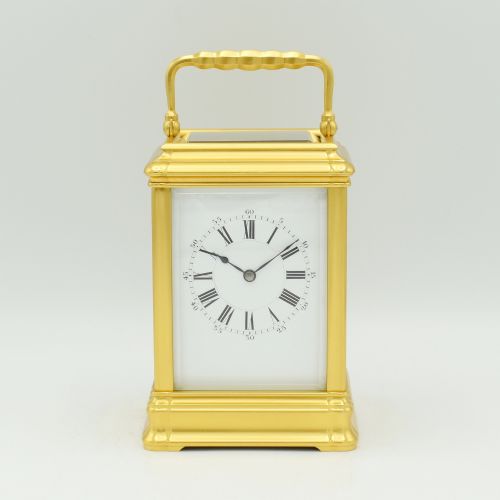
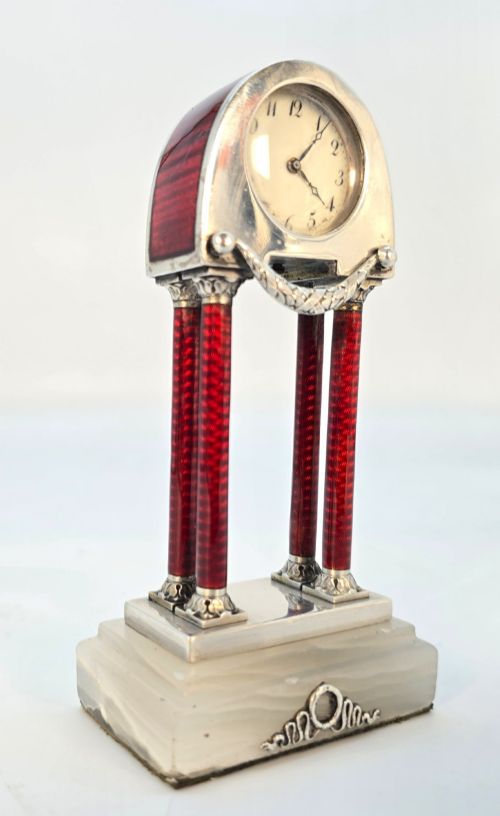
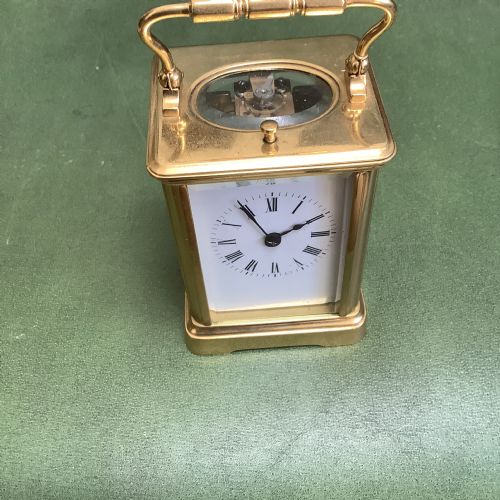
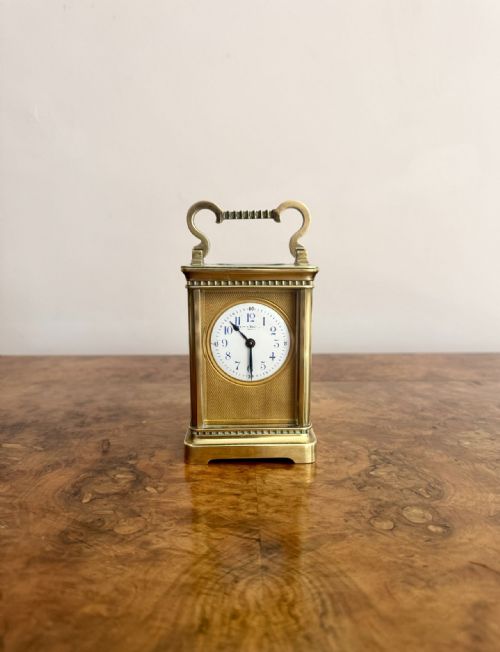
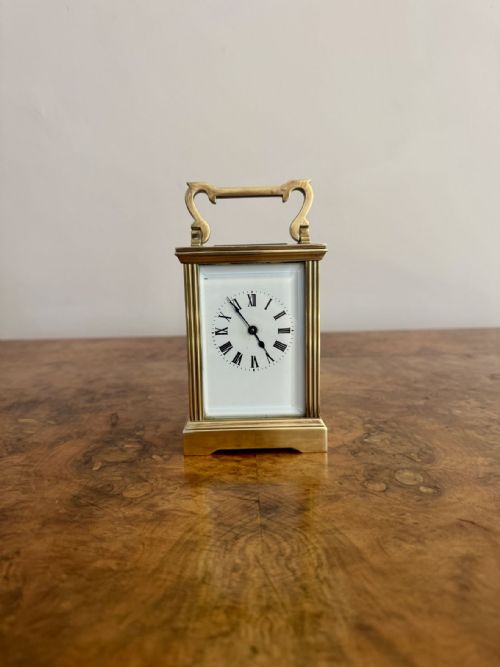
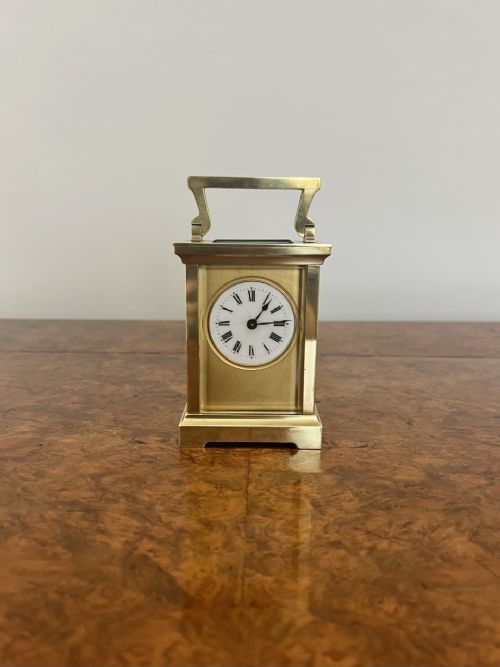
An enamel carriage clock is a portable timekeeper enclosed in a glazed metal housing, most commonly originating from nineteenth-century France or Victorian Britain. These pieces range from simple timepieces with white enamel dials to elaborate examples decorated with champlevé or cloisonné enamel panels.
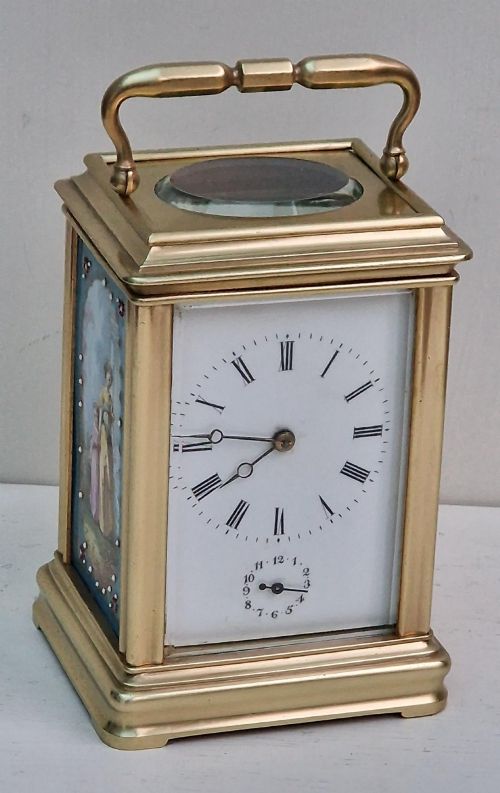
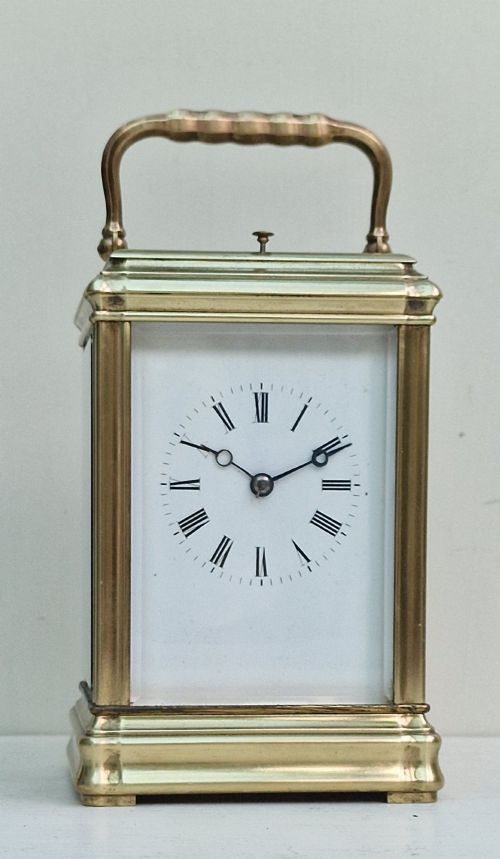
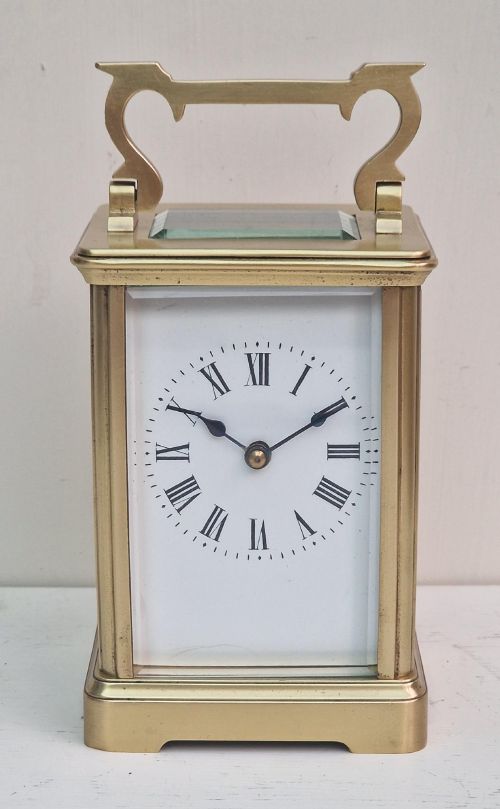
The version most frequently met on this page is the French brass-cased carriage clock, often featuring an eight-day movement and enamel dial chapters or side panels. Makers housed these mechanisms in various case designs, including the gorge, anglaise riche, and doucine styles.
Materials and Craftsmanship
Clockmakers constructed these housings primarily from cast and polished brass, gilt bronze, or silver, incorporating bevelled glass panels to expose the gear train. Enamel work - applied via techniques like champlevé where recessed metal cells hold the vitreous paste - was then fired to create durable, colourful decorative bands and panels.
Movements relied on complex brass gearing, escapements, and eight-day spring mechanisms, occasionally paired with Swiss movements or specialised striking and repeating functions. Makers often engraved the exterior metal frames with floral or geometric motifs to complement the polished enamel surfaces.
Some nineteenth-century makers built miniature travel clocks specifically for the export market in China, featuring sweep seconds hands.
Assessing Quality
The highest-tier pieces exhibit fully engraved gilt brass cases, intricate champlevé or cloisonné enamel work, and multi-complication movements featuring repeaters, alarms, or subsidiary dials. Simpler specimens rely on plain brass frames and basic white enamel dials with minimal decoration.
Fine craftsmanship is evident in the crispness of the case engraving, the weight and finish of the gilt bronze or silver, and the integration of signed mechanical movements from recognised makers. The presence of matching travel cases and fully restored, working gear trains also elevates an example.
Henri Jacot·Mappin and Web·Georg Adam Scheid·Pickford of London·Drocourt Paris·T. Martin & Co·C. Detouche Paris·Margaine Of France·Latshea & Sons Edinburgh·Henry Capt Genève
The Enamel Carriage Clock Glossary
- Champlevé enamel
- A technique where troughs or cells are dug into a metal surface and filled with enamel powder before firing. This method creates richly coloured patterns across the bezels and side panels of the housing.
- Gorge case
- A specific brass carriage clock housing style defined by stepped mouldings and a distinctive rounded handle base. It is frequently seen on nineteenth-century French pieces.
- Repeating movement
- A mechanical complication that strikes the hours and quarters on demand when a button or lever is pressed. It allowed owners to check the time audibly in the dark.
- Pendule d'officier
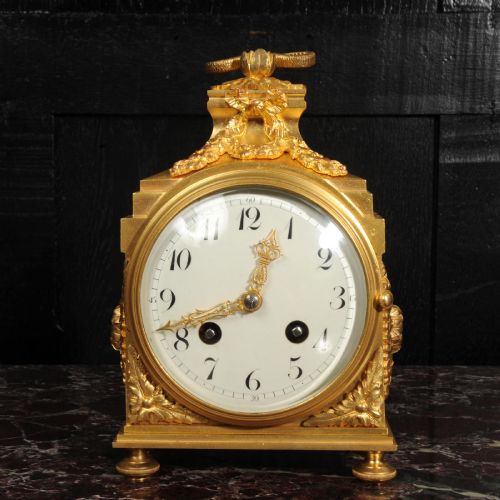
- A traditional French term for an early portable military or campaign clock style. These robust timekeepers often feature distinctive case silhouettes.
- Anglaise riche case
- An ornate rectangular carriage clock housing featuring decorative columns at the corners and bevelled glass panels. It represents a more luxurious tier of nineteenth-century production.
Enamel Carriage Clock: Frequently Asked Questions
What is a carriage clock?
A carriage clock is a small, spring-driven portable timekeeper originally designed for officers to carry during travel in the nineteenth century.
Unlike stationary mantel clocks, they feature sturdy metal frames, top carrying handles, and glass panels that protect the delicate internal gear train.
How do repeating mechanisms work?
A repeating mechanism uses an internal rack and snail system to sound the last elapsed hour and quarter-hour when the owner presses a button on the top of the case.
This functional complication allowed Victorian users to check the time during the night without striking a match.
How do I identify French pieces?
French pieces of the nineteenth century typically feature distinct serial numbers, maker stamps on the backplate, and high-grade cylinder or lever escapements.
Many of these clocks also utilise specific case architectural styles, such as the doucine or gorge design, associated with Parisian workshops.
How should I care for an enamel clock?
Keep the clock away from direct sunlight and extreme temperature fluctuations to protect the glass-based enamel panels from thermal stress and fading.
Wind the movement gently using the correct key, and have a professional horologist service the brass gear train every few years.