




Emerald Glass Wine Goblet
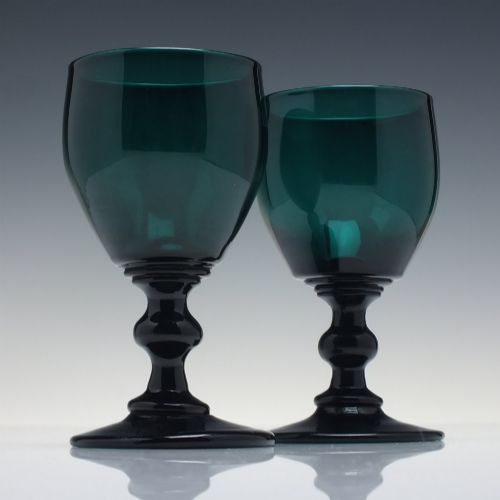
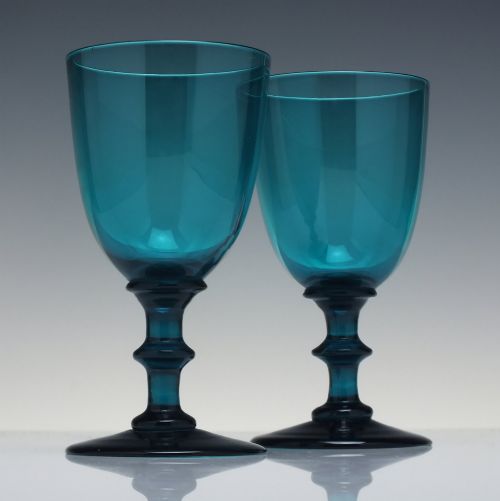
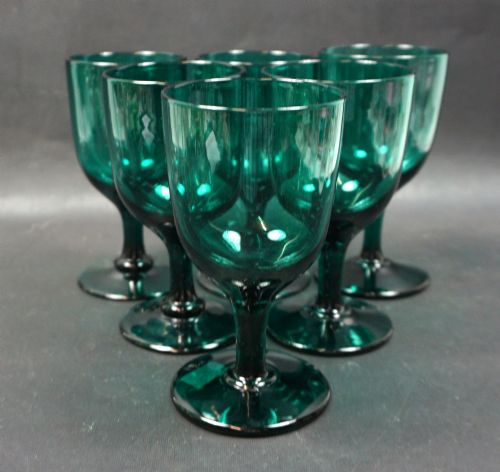
An emerald glass wine goblet brings deep colour and centuries of glassmaking skill straight to your table.
Emerald Glass Wine Goblet
An emerald glass wine goblet represents a vibrant drinking vessel shaped for wine, appearing in rich green tones across several historical periods. When you search for an emerald glass wine goblet, you encounter pieces ranging from early Georgian examples to later Victorian and twentieth-century sets.
The selections available here include matched pairs, dramatic sets of six or eight, and individual dram glasses. Forms vary from curved bucket bowls and tulip shapes to specialised hock glasses designed for white wine.
Originating primarily from English, French, and continental European traditions, these vessels showcase diverse regional aesthetics from the early nineteenth century onward. You meet everything from simple blown forms to cut crystal designs that catch the candlelight.
How these goblets were made
Makers produced these pieces using lead glass, lead crystal, and standard glass through hand-blown and blown techniques. The distinct green colour comes from metallic oxides introduced during the melting process, creating deep emerald or Bristol green hues.
Certain advanced pieces utilise cased glass methods, fusing a layer of green glass over a clear crystal core before cutting through the outer layer. Craftsmen then shaped the bowls, applied stems, and finished the feet by hand while the material remained pliable.
Emerald Glass Wine Goblet Retail Price Guide 2026
Typical asking prices for emerald glass wine goblet among the pieces listed under this phrase on Sellingantiques today, from the lower quarter to the upper quarter. They describe what is for sale here now, not the wider market.
Some nineteenth-century drinkers favoured emerald tones specifically because the dark hue cleverly disguised sediment in early wines.
What varies in quality
Quality reveals itself in the depth and evenness of the green saturation, alongside the clarity and brilliance of the metal. Superior pieces display crisp wheel-cutting and well-balanced proportions between the bowl, stem, and foot.
Matched sets command greater attention than mismatched groupings due to the rigorous consistency required during historical production. The presence of fine hand-finishing details and substantial weight in the hand distinguishes finer examples from simpler utilitarian glassware.
Baccarat·St Louis Massenet
The Emerald Glass Wine Goblet Glossary
- Lead glass
- Glass containing a proportion of lead oxide that increases weight, brilliance, and workability. This material allows for deeper optical clarity and sharper cutting.
- Cased glass
- A method where a layer of coloured glass is fused over a clear or contrasting body. Artisans cut through the outer layer to reveal the contrasting underlayer.
- Hock glass
- A tall stemmed vessel traditionally used for serving white wine or hock. These often feature decorative bowls suited to regional European dining traditions.
- Bucket bowl
- A drinking vessel profile shaped like an inverted truncated cone with straight or slightly curved sides. This robust form appeared frequently in Georgian drinking vessels.
- Biedermeier
- A central European design style spanning the early to mid-nineteenth century. It prioritised clean, utilitarian elegance over ornate excess.
Emerald Glass Wine Goblet: Frequently Asked Questions
What is an emerald glass wine goblet used for?
These vessels served historically for drinking wine, cordials, and drams during formal dining and social gatherings.
Today, collectors utilise them for special dining occasions or display them to showcase historical glass colours.
How do I care for antique glass?
Wash each piece gently by hand using warm water and mild detergent without abrasive sponges.
Avoid extreme temperature changes to protect the historical glass body from thermal shock.
Are these glasses safe to drink from?
Most historical glass is safe for occasional use with beverages, provided the material remains stable and undamaged.
Examine the interior surface for any cloudiness or residue before serving drinks.
How can I tell the period?
Examine the weight, pontil marks on the base, cutting style, and silhouette to determine the likely era of manufacture.
Comparing the form to documented Georgian, Victorian, or twentieth-century examples helps confirm the age.