
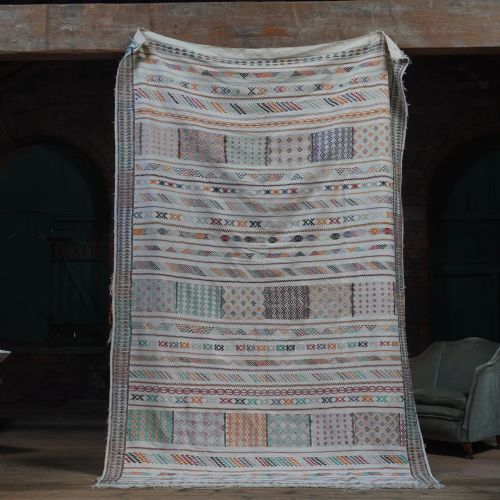
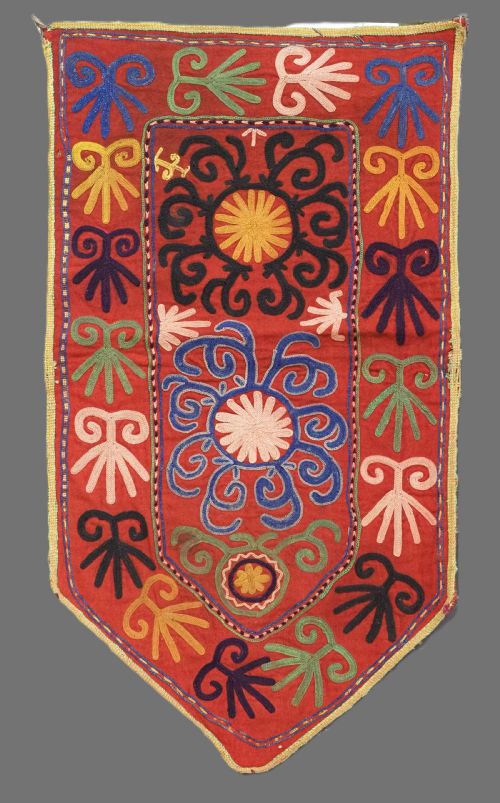
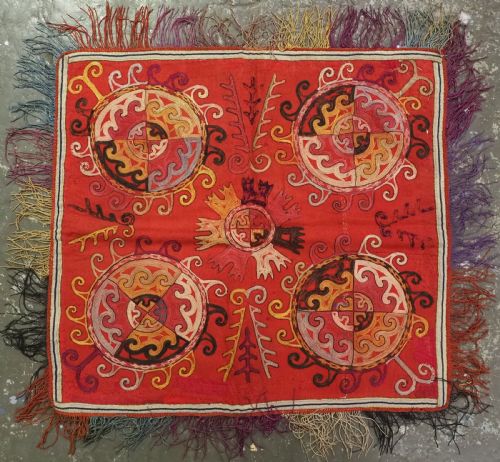
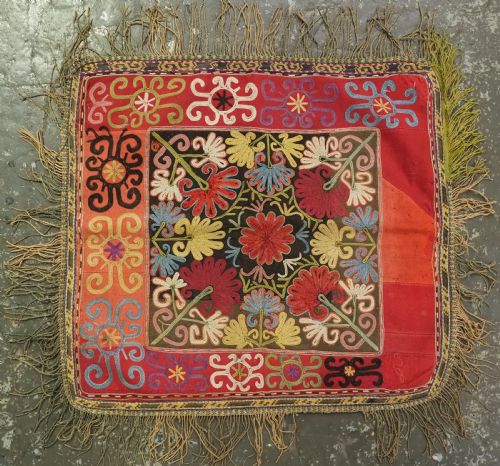
Embroidered Tribal Textile
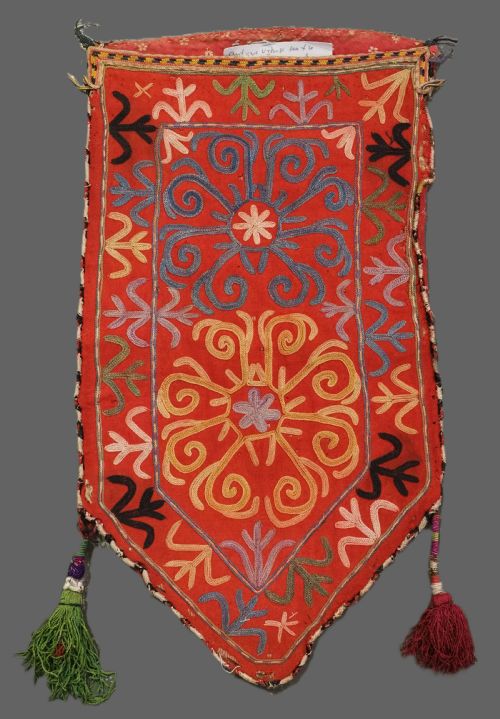
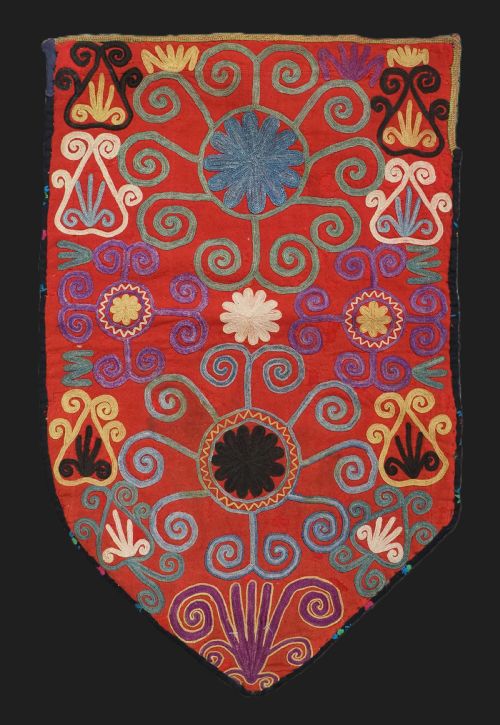
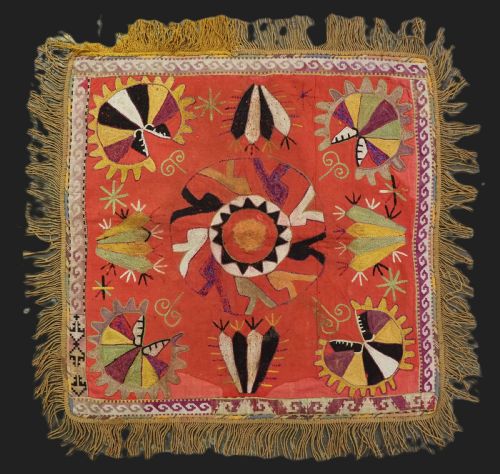
When you search for an embroidered tribal textile, you are looking at handmade wall hangings, ceremonial covers, and garments from Central Asian nomadic and tribal makers.
Embroidered Tribal Textile
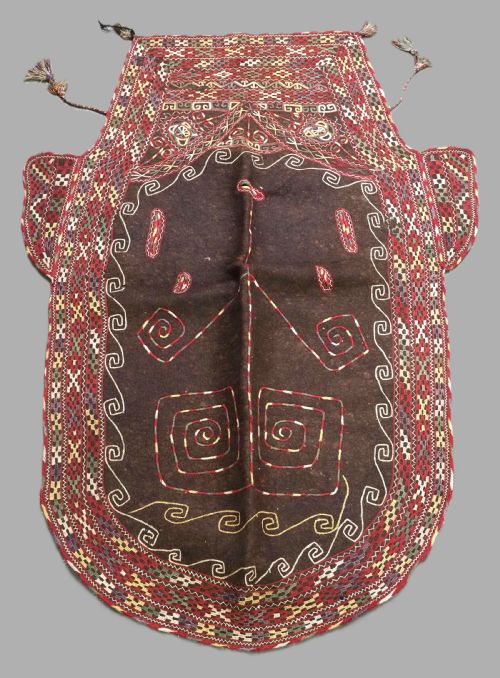
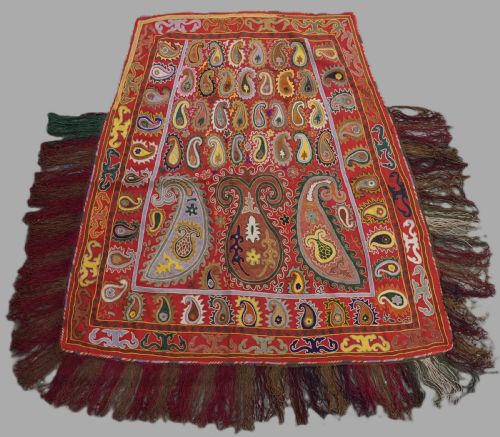
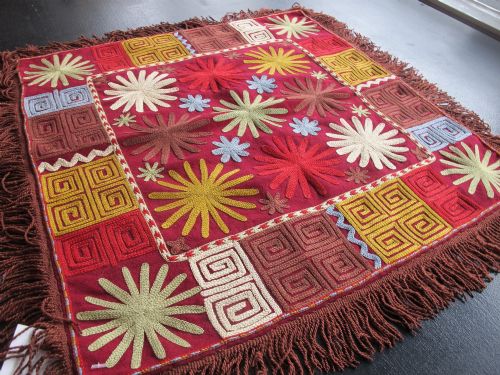
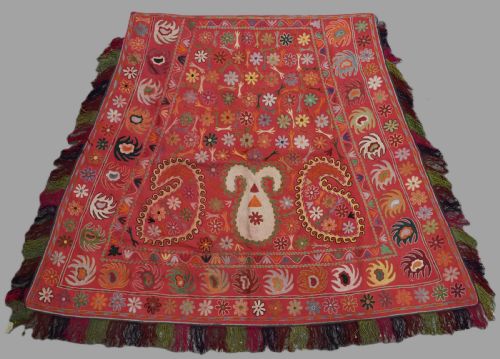
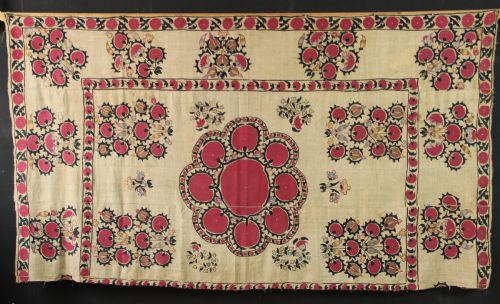
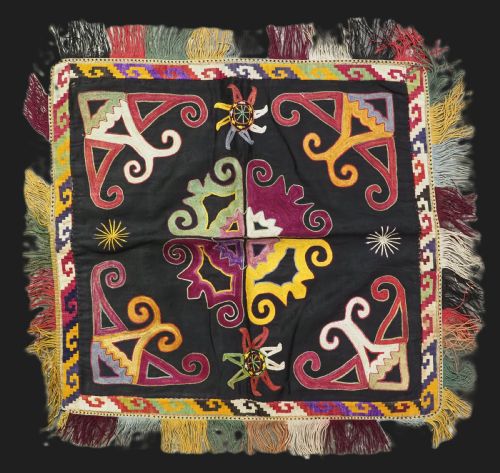
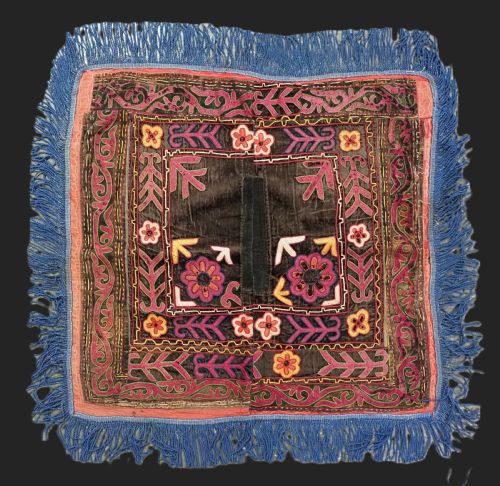
An embroidered tribal textile covers items made for domestic interiors, dowries, and ceremonial use by groups such as the Lakai, Yomut, Ersari, and Kyrgyz. The selection spans wall hangings, horse covers, saddle rugs, and coats originating from Central Asia and Morocco during the nineteenth and early twentieth centuries.
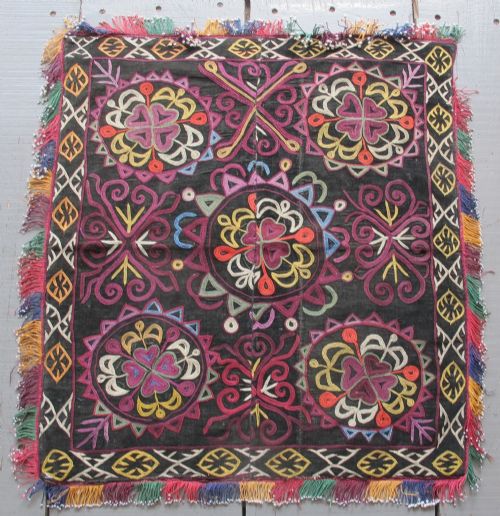
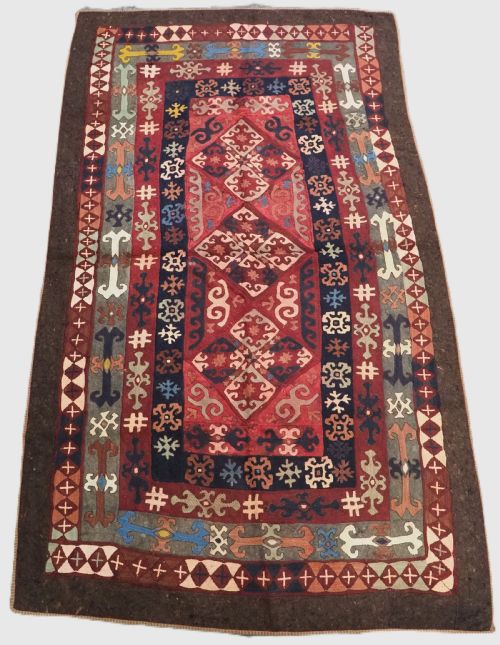
The most common forms encountered here are the ilgich, uut kap, and suzani, alongside felt panels and ceremonial blankets. These pieces served practical and decorative functions within yurt and village life, often marking significant life events or weddings.
Makers utilised traditional regional motifs passed down through generations, yielding distinct visual identities for pieces originating from Shakrisabz, Bukhara, or wider Uzbek and Turkmen territories.
How They Were Made
Materials comprise wool, cotton, felt, and silk, with embroidery executed using silk thread, cotton thread, and occasionally embellished with glass beads. Ground fabrics range from heavy woollen cloth and felted wool to lightweight cotton bases.
Needlework techniques include specialised tambour and surface stitchery applied to create dense geometric or floral patterns. Felt panels incorporate applied fringes and pieced construction methods native to nomadic craft traditions.
Nomadic makers stitched protective charms directly into horse blankets so the family steed stayed safe from mischievous spirits.
What Varies in Quality
Quality rests upon the density of the needlework, the complexity of the design layout, and the condition of the ground fabric and threads. Examples with intact silk highlights, vibrant colour retention, and crisp execution of traditional motifs sit at the upper end.
The choice of materials also dictates distinction, where finely spun silk on wool grounds or substantial felt bases reflect greater time investment by the maker. Minor losses to embroidery or ground fabric naturally occur due to age and utility.
The Embroidered Tribal Textile Glossary
- Suzani
- A large embroidered wall hanging from Central Asia, traditionally worked in silk on a cotton or linen ground. These textiles often feature bold floral roundels and intricate border designs.
- Ilgich
- A smaller embroidered dowry hanging or bag face produced by tribal groups. They were made for domestic display within the yurt.
- Uut Kap
- A storage bag or hanging used inside a nomadic tent, frequently decorated with dense embroidery. These items combined practical storage with ornamental status.
- Torba
- A small wall-hanging bag used in Turkmen households for utilitarian storage. They display characteristic tribal guls and borders.
- Chyrpy
- A women's ceremonial coat heavily embroidered in silk, worn by Turkmen brides. The garments display dense geometric needlework across the upper back and sleeves.
- Kilim
- A flat-woven carpet or rug made without pile. Moroccan variants utilise cactus silk within their construction.
Embroidered Tribal Textile: Frequently Asked Questions
What is an ilgich used for?
An ilgich served as a dowry embroidery piece created for wall hanging inside nomadic dwellings. They formed part of a bride's trousseau.
These textiles were made by tribal makers using silk and wool to display protective and auspicious patterns.
How do you date a suzani?
Dating relies on examining the types of ground fabrics, dye shades, and needlework styles present in the piece. Earlier examples often employ hand-spun silk and natural dyes.
Changes in textile production methods around the turn of the twentieth century help differentiate nineteenth-century works from later examples.
What is a tush kyiz?
A tush kyiz is a large, elaborately embroidered yurt wall hanging produced by Kyrgyz makers. They commemorated marriages and family milestones.
These textiles feature dense symbolic stitching that covers the majority of the felt or cotton ground.
Where were Lakai textiles made?
Lakai textiles originated in Central Asia, particularly around Shakrisabz and surrounding regions in Uzbekistan. The Lakai were a nomadic and semi-nomadic Turkic group.
Their embroidery is distinguished by dynamic, abstract geometric compositions executed in bright silk threads.