

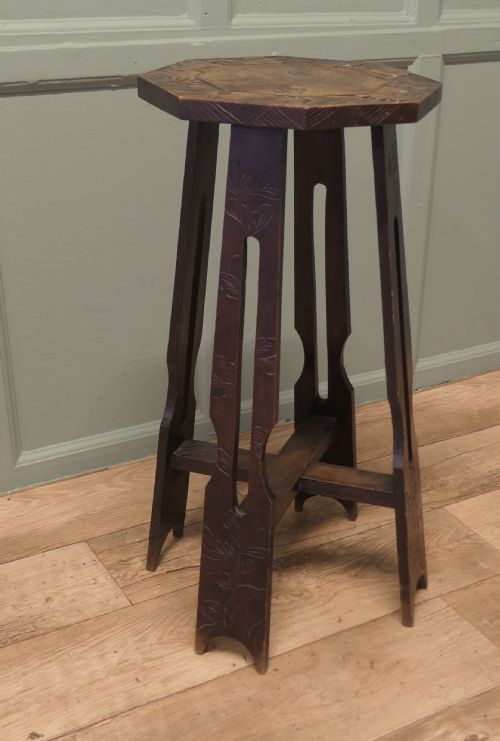
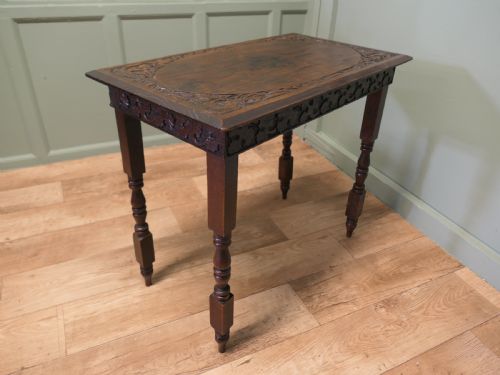
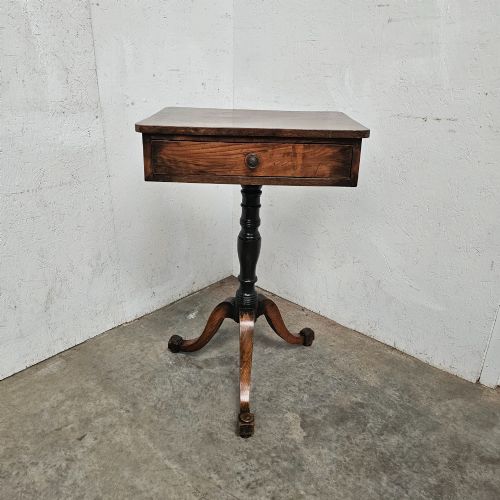
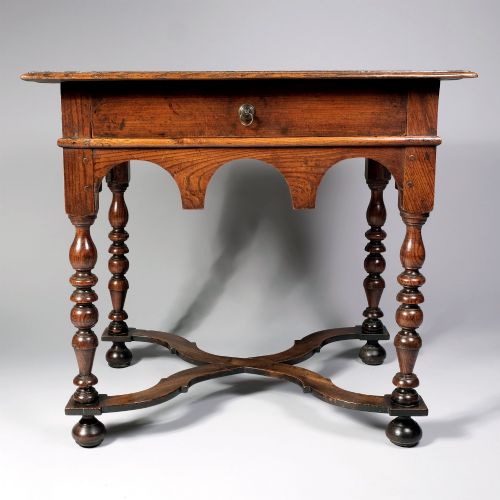


Elm Wood Occasional Table
An elm wood occasional table brings rich, swirling grain and honest country character into a room without dominating the floor space.
Elm Wood Occasional Table
An elm wood occasional table spans multiple centuries and geographical traditions, ranging from English and French country pieces to Chinese provincial furniture and Japanese low tables. You will encounter forms such as simple tripod tables, cricket tables, side tables, and low coffee tables.
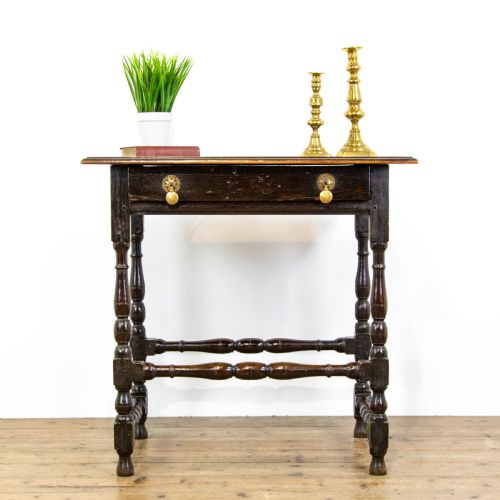
Makers utilised the tough, interlocking grain of elm for practical domestic surfaces that needed to withstand daily use. The variety covers everything from late seventeenth century William and Mary sides to twentieth century revival lamp tables.
Materials and construction methods
Makers selected solid elm and burr elm for its distinctive, twisting grain pattern, frequently pairing it with oak, birch, or exotic accents like ebony and lacquer. The resilient nature of elm made it ideal for table tops that needed to resist splitting under heavy domestic use.
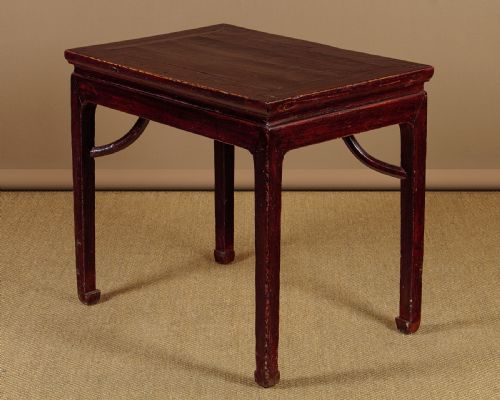
Joinery techniques ranged from traditional pegging and tripod pedestal supports in European country workshops to specialised framing in Chinese provincial and Japanese Meiji production. Surfaces were often left with a polished finish to highlight the natural figure of the wood.
Elm Wood Occasional Table Retail Price Guide 2026
Typical asking prices for elm wood occasional table among the pieces listed under this phrase on Sellingantiques today, from the lower quarter to the upper quarter. They describe what is for sale here now, not the wider market.
Several tables were designed low to the floor for kneeling, proving that every era had its own idea of comfort.
Distinctions in quality and execution
The visual appeal of an elm wood occasional table rests heavily on the quality and depth of the timber grain, with highly figured burr surfaces commanding greater attention than plain stock. The crispness of the turning on legs and pedestals also marks the maker's skill.
Proportion and structural integrity define the better examples, ensuring that smaller tables remain balanced and stable in everyday placement. Original surface patination and minimal structural alteration preserve the historical integrity of older pieces.
The Elm Wood Occasional Table Glossary
- Burr elm
- A growth deformity in the elm tree that produces highly figured, swirling wood grain patterns. It is prized by cabinet makers for decorative table tops.
- Cricket table
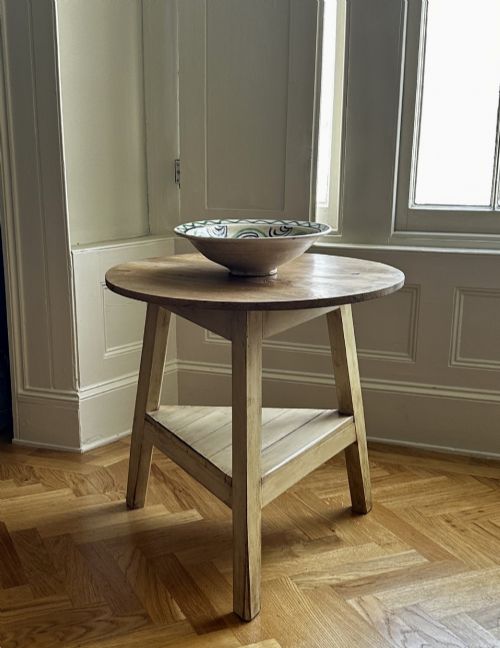
- A small, three-legged occasional table with a round top, traditionally used in English country settings. The three splayed legs ensure stability on uneven floors.
- Guéridon
- A small French occasional table supported by one or more columns. These pieces often feature fine veneers and decorative mounts.
- Chabudai
- A short-legged traditional Japanese table used for dining or general tasks while kneeling on tatami mats. Examples in elm appear in Meiji period collections.
- Tripod table
- A small table standing on a central pillar supported by three feet. This form became popular during the Georgian period for tea or candle display.
Elm Wood Occasional Table: Frequently Asked Questions
Where should I place an elm wood occasional table?
These versatile pieces work well beside a sofa, in a hallway, or as a bedside stand where a small surface is needed.
Keep them away from direct heat sources and strong sunlight to protect the timber grain and prevent the wood from drying out.
How do I clean my elm wood occasional table?
Dust the surface regularly with a soft, dry cloth to remove grit that might scratch the polished finish.
Apply a traditional beeswax polish occasionally to nourish the timber and maintain a soft sheen without building up heavy residue.
Are these tables sturdy enough for daily use?
Elm is a notoriously tough and interlocking wood, making these tables inherently resilient for holding lamps, books, or drinks.
Check the leg joints periodically to ensure tripod bases or side frames remain tight and stable under normal household loads.
How can I tell an older elm table from a newer one?
Examine the construction methods underneath the top, looking for hand-cut joints, timber shrinkage, and natural wear patterns.
Older pieces display a deep, warm patination across the wood that develops only through decades of handling and exposure to light.