

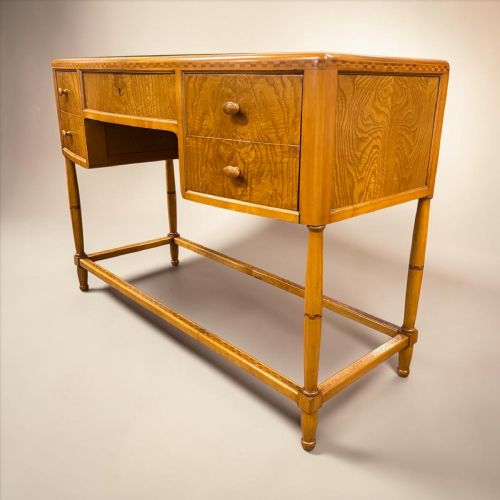
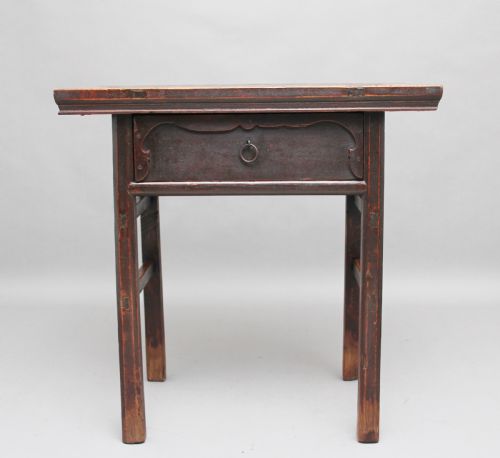


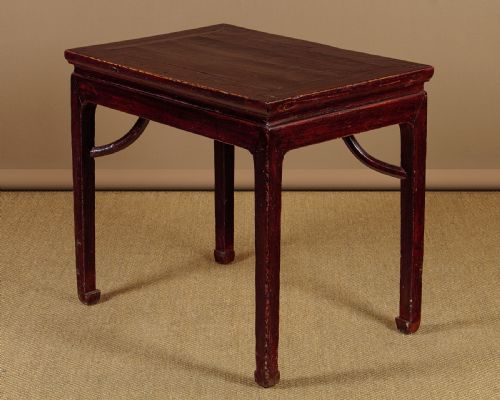

Elm Wood Console Table
An elm wood console table brings striking grain and honest utility to a hallway or living space.
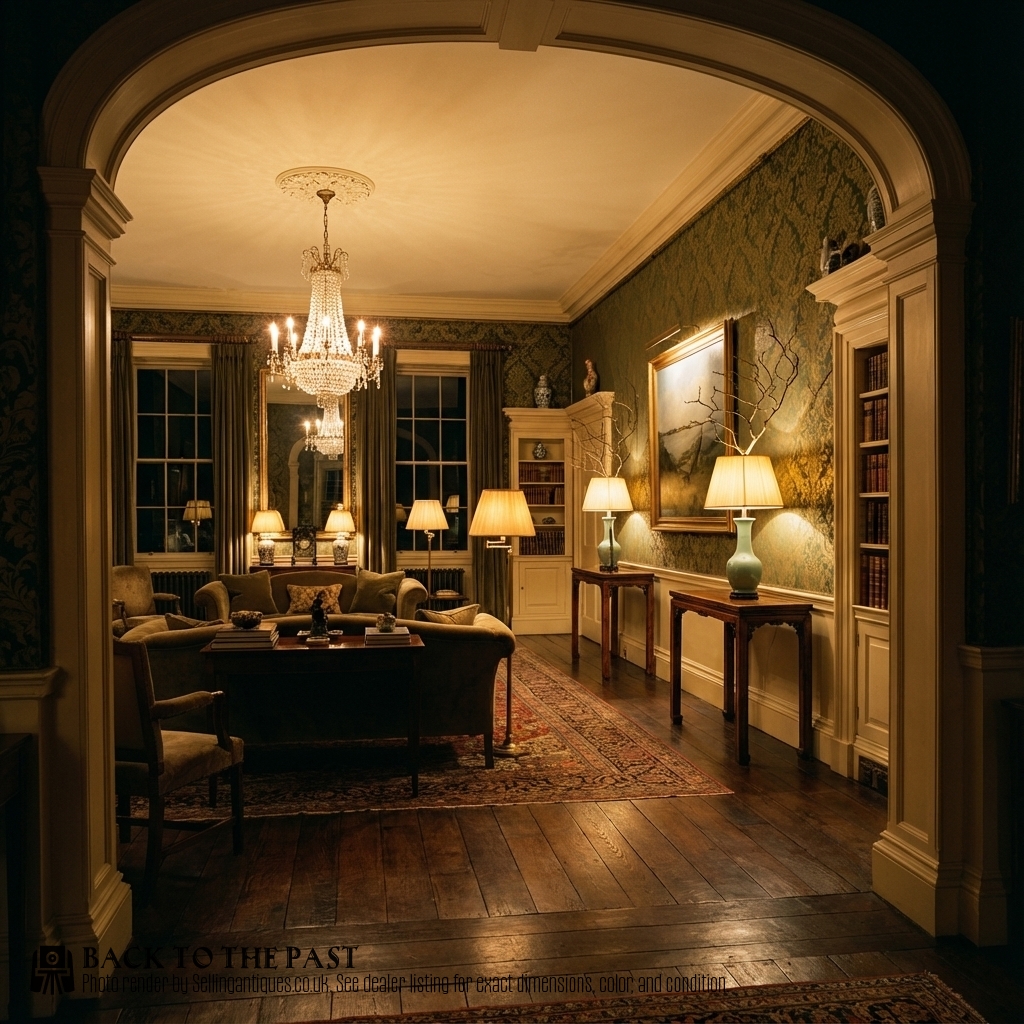
Elm Wood Console Table
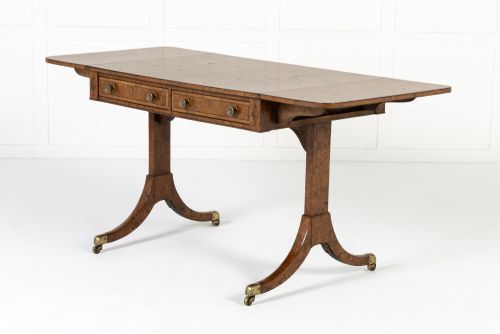
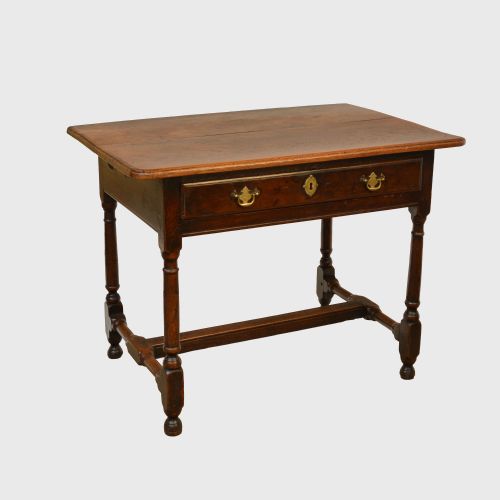
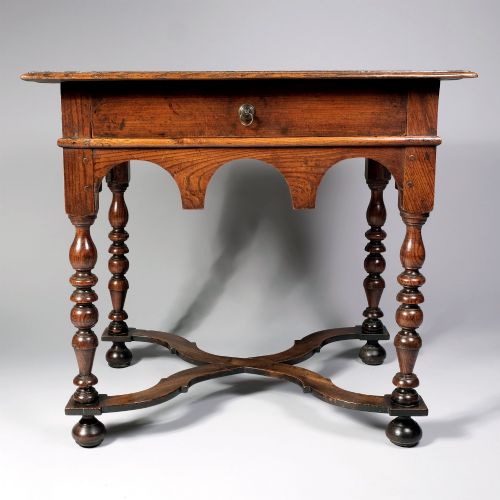
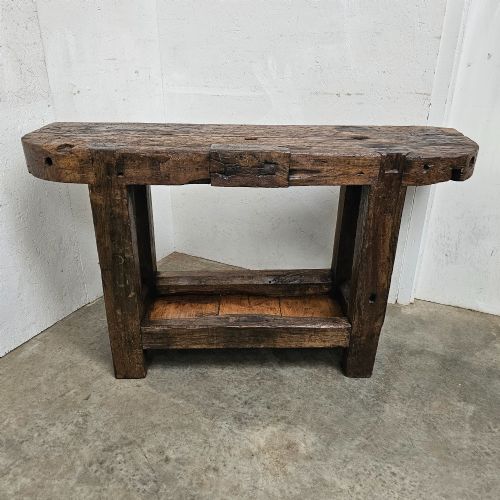
When searching for an elm wood console table, buyers encounter a diverse selection spanning multiple centuries and regions. The pieces listed range from English and French country furniture to significant Chinese altar tables and provincial side tables.
The most common forms on this page include Chinese elm side tables and altar tables from the 18th and 19th centuries, alongside European country pieces built from timber and fruit woods. These tables serve primarily as narrow surface furniture for hallways, living rooms, and dining areas.
European examples include Georgian and William and Mary side tables, while Asian pieces showcase Qing Dynasty traditions. Buyers find robust construction and practical surface areas across both Western and Eastern traditions.
How they were made
Carpenters built these tables using solid timber frames combined with plank tops in elm, oak, and yew. Secondary materials such as brass fittings, sycamore, and lacquer appear on specific regional variants.
Traditional joinery techniques unite the timber components, allowing the wood to move naturally over time. Surface finishes range from scrubbed raw timber to polished lacquer, highlighting the distinct grain patterns of the elm.
Elm Wood Console Table Retail Price Guide 2026
Typical asking prices for elm wood console table among the pieces listed under this phrase on Sellingantiques today, from the lower quarter to the upper quarter. They describe what is for sale here now, not the wider market.
Several tables here began life supporting ancestor worship in Chinese households before retiring to hold modern keys and post.
What varies in quality
The standard of an elm wood console table depends heavily on the choice of timber figure and the integrity of the original construction. Tables featuring highly figured elm and secondary hardwoods like yew or oak demonstrate superior material selection.
Proportion and execution distinguish finer workshop pieces from simpler provincial items. Refined carving, well-balanced proportions, and untouched historical surfaces elevate certain tables within the range.
The Elm Wood Console Table Glossary
- Altar table
- A traditional Chinese table form with a long rectangular top, often featuring upturned flanges at the ends. These pieces served ceremonial functions before finding utility as console tables.
- Console table
- A table designed to stand against a wall, traditionally fixed with brackets or supported by legs. They provide surface space in narrow rooms and hallways.
- Trestle table
- A table construction where the top rests on two or more supporting frames or trestles. This format appears in French country and Chinese provincial listings.
- Figure
- The pattern produced in a wood surface by annual growth rings, knots, and grain deviations. Figured elm displays distinctive swirling patterns that command attention.
- Side table
- A small functional table intended to stand against a wall or beside seating. These versatile surfaces appear across various historical periods and regional styles.
Elm Wood Console Table: Frequently Asked Questions
Where should I place an elm console table?
These narrow tables suit hallways, entryways, and living rooms where floor space is limited. Their linear profiles allow them to sit flush against walls without obstructing pathways.
They provide a practical surface for lamps, books, and decorative objects while adding warmth through their historic timber grain.
How do I care for antique elm furniture?
Maintain the timber by keeping the table away from direct heat sources and sudden humidity changes. Regular dusting with a soft, dry cloth preserves the historical finish.
Avoid applying modern silicone polishes, as traditional wax offers the best protection for aged wood surfaces.
What is the difference between Chinese and European tables?
Chinese tables often feature altar styles, plank tops, and specific architectural joinery rooted in Qing Dynasty traditions. European examples lean towards Georgian, French provincial, or William and Mary designs.
Both traditions utilise the robust qualities of elm timber but express distinct regional furniture-making aesthetics.
How can I tell the age of these tables?
Dating relies on observing construction methods, joinery types, and the natural patina developed on the timber over centuries. Tool marks and structural wear provide physical evidence of historical manufacturing periods.
Stylistic markers such as Georgian proportions or Qing Dynasty forms also help place pieces within specific eras.