



Eighteenth Century Porcelain
Eighteenth century porcelain spans delicate tea wares and expressive figures produced across European and Asian kilns during a pivotal era of ceramic innovation.
Eighteenth Century Porcelain
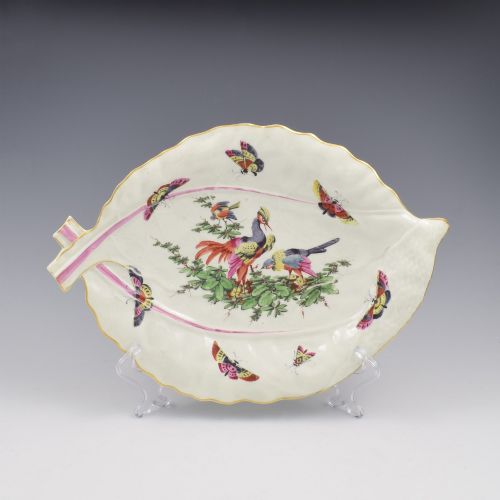
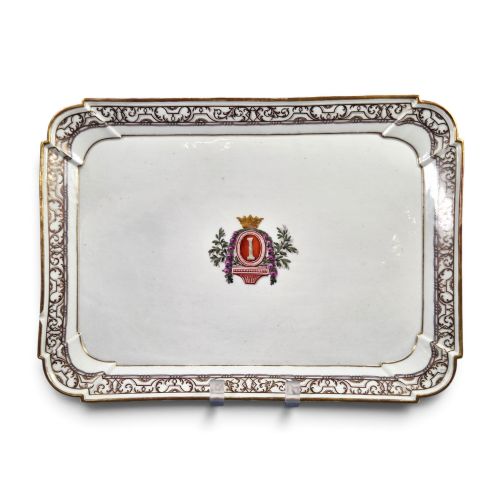
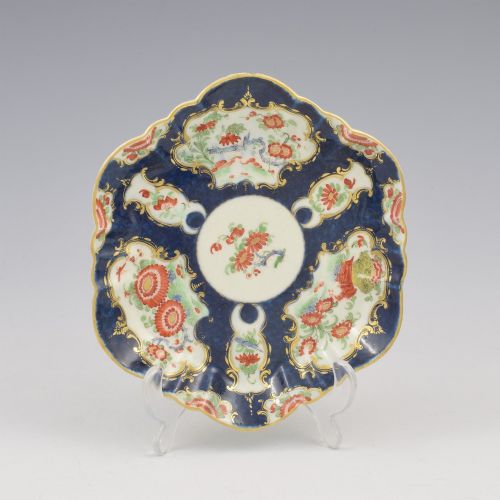
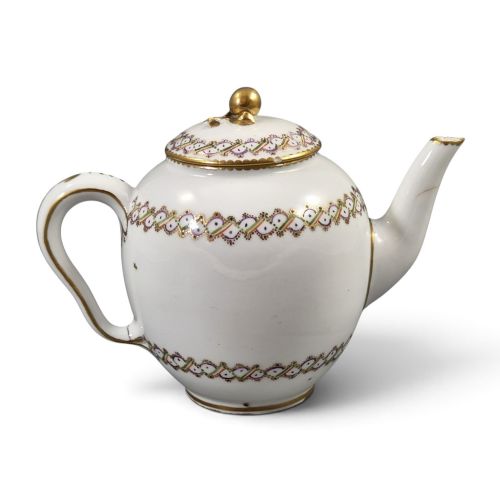
When you search for eighteenth century porcelain, you encounter a varied selection of functional table wares, decorative dishes, and sculptural figures. European factories and Asian kilns both contribute to this selection, bringing together diverse regional aesthetics and domestic forms.
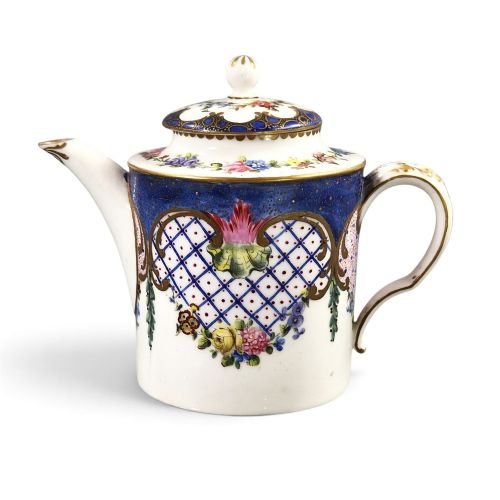
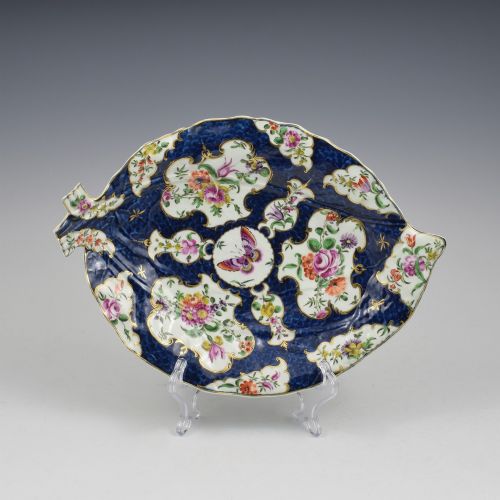
The objects most frequently met on this page include soft-paste and hard-paste tea wares from English factories like Worcester and Derby, alongside continental figures and Chinese export pieces. These pieces reflect the prominent stylistic shifts of the period, moving from exuberant rococo curves toward structured neoclassical lines.
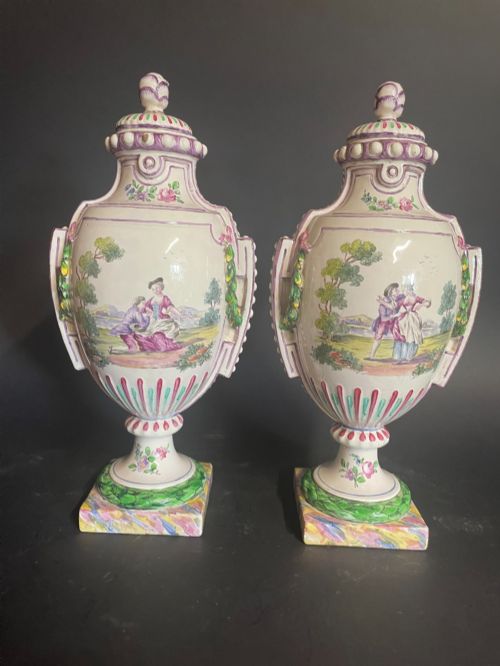
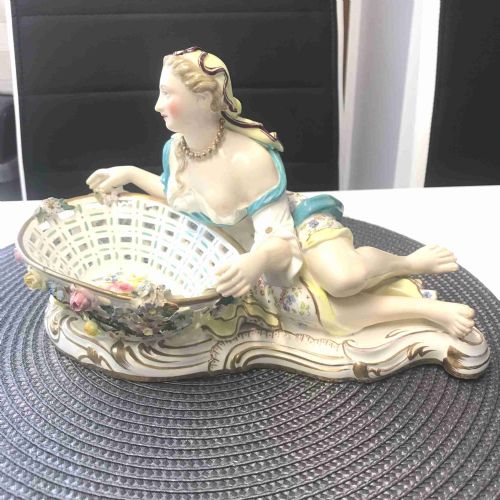
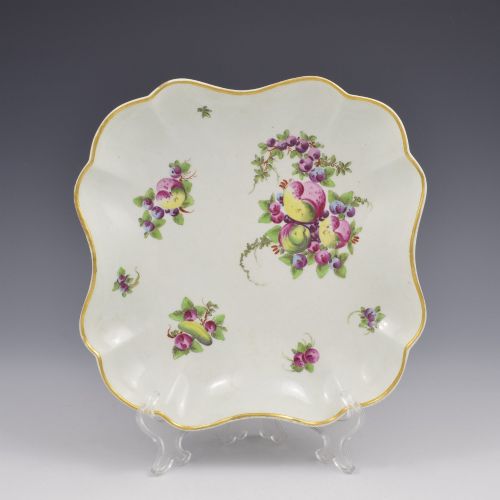
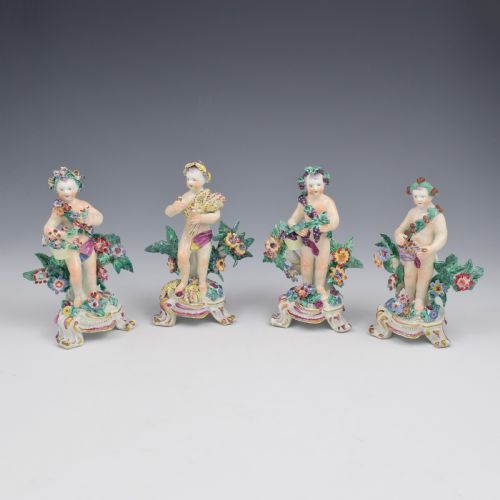
Vessels range from simple blue and white tea bowls to elaborate serving trays and garnitures, while figurative works depict children, musicians, and allegorical scenes. Each category preserves the distinct potting traditions and decorative preferences of its specific origin point.
Materials and production methods
Potters of this era shaped their wares using either soft-paste porcelain, composed of white clay and glass frit, or hard-paste porcelain, utilising true petuntse and kaolin. These foundational bodies determined firing temperatures and influenced the final texture and translucency of each vessel or figure.
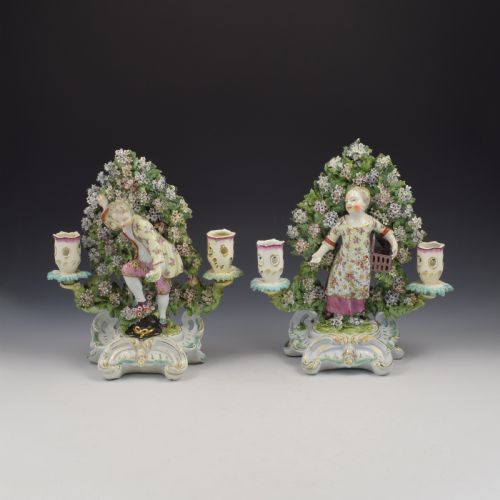
Decoration relied heavily on underglaze cobalt blue painting, overglaze enamels, and applied gold leaf or gilding. Many figurative pieces incorporated delicate botanical elements known as bocage, requiring careful hand-assembly before firing.
Eighteenth Century Porcelain Retail Price Guide 2026
Typical asking prices for eighteenth century porcelain among the pieces listed under this phrase on Sellingantiques today, from the lower quarter to the upper quarter. They describe what is for sale here now, not the wider market.
Past potters thoughtfully added leafy ceramic bushes behind children and musicians so they could stand in a permanent English garden.
Distinctions in quality
Quality reveals itself through the crispness of the moulded form and the precision of the hand-painted decoration. Superior pieces maintain clean potting lines, even glaze coverage, and finely detailed brushwork that avoids muddy colour mixing.
The sophistication of the palette and the complexity of the modelling separate ordinary production from exceptional workshop output. Figures with intricate facial expressions and well-defined drapery demonstrate a higher level of artisan skill than mass-moulded equivalents.
Royal Sèvres Porcelain·Meissen Porcelain·Bow Porcelain·Derby Porcelain·Ludwigsburg Porcelain
The Eighteenth Century Porcelain Glossary
- Soft-paste porcelain
- A ceramic composition containing glass frit and white clay, fired at lower temperatures than true porcelain. It often exhibits a warm, creamy translucency.
- Hard-paste porcelain
- A true porcelain body made from kaolin and petuntse, fired at high temperatures. This material produces a hard, bright white finish that resists scratching.
- Bocage
- An applied background of leaves and foliage made from clay, commonly found behind eighteenth century figures. It creates a lush, naturalistic bower effect.
- Gilding
- The application of gold leaf or powdered gold to ceramic surfaces for decorative accent. It is often fired onto the glaze for durability.
Eighteenth Century Porcelain: Frequently Asked Questions
How can I tell hard paste from soft paste?
Hard-paste porcelain feels denser and colder to the touch, and its unglazed footrim usually shows a dry, vitrified texture. Soft-paste porcelain often displays a warmer, slightly softer translucency when held to a strong light.
Examining the glaze under magnification reveals subtle differences in surface texture and how the body absorbed pigments during the high-temperature kiln firing.
What was a bocage used for on figures?
Bocage served primarily as a decorative backdrop representing leafy arbours or woodland foliage. It framed the central figures and helped stabilize delicate protruding limbs during the firing process.
This leafy background became a defining characteristic of English figures produced during the mid-eighteenth century.
How were these tea wares used originally?
These vessels formed the centrepiece of formal domestic tea and coffee service among wealthy households. Teapots, tea bowls, and saucers were displayed on tables during social gatherings to signal refinement and status.
The inclusion of specialised stands and sugar boxes highlights the elaborate ritual surrounding the consumption of expensive imported tea leaves.
Did Asian export pieces influence European factories?
Chinese and Japanese ceramics heavily inspired European potters throughout the period. Factories attempted to replicate the striking palettes and motifs seen on imported wares.
This cross-cultural exchange led to distinct European interpretations of Asian floral and figurative designs.