



Eighteenth Century Oil Canvas
An eighteenth century oil canvas brings the depth and patina of the period straight to your wall, capturing centuries of pigment and brushwork.
Eighteenth Century Oil Canvas
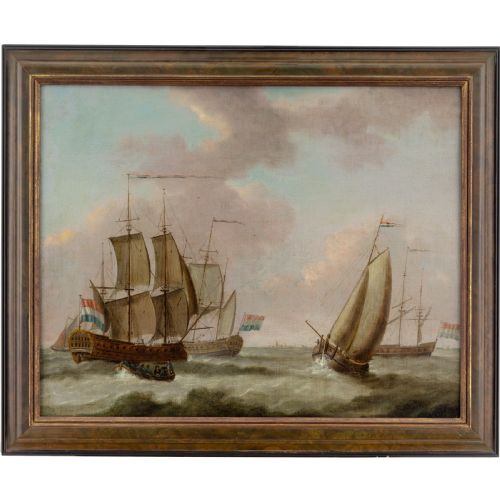
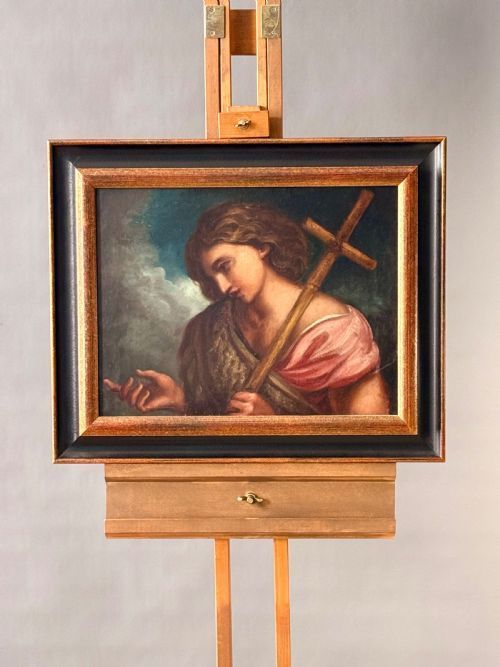
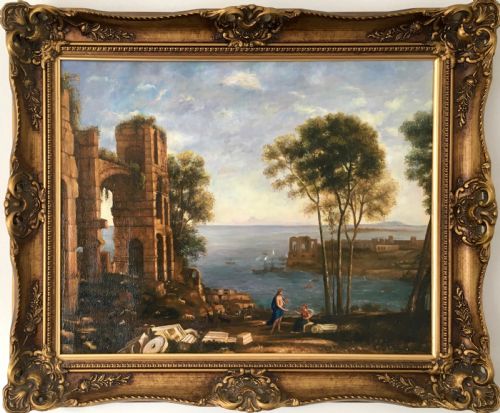
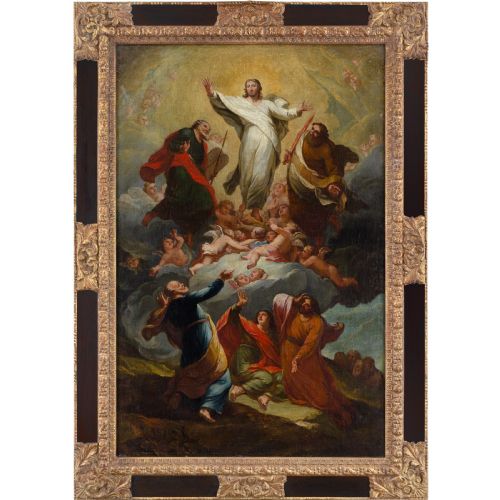
When you search for eighteenth century oil canvas, you encounter painted works on woven fabric dating primarily from the eighteen hundred and earlier decades, alongside related Georgian pieces. These works encompass portraits, still lifes, and classical scenes rendered in oil paint.
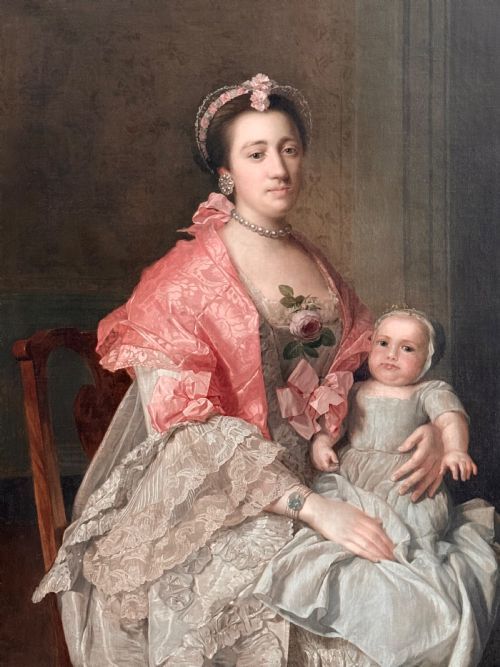
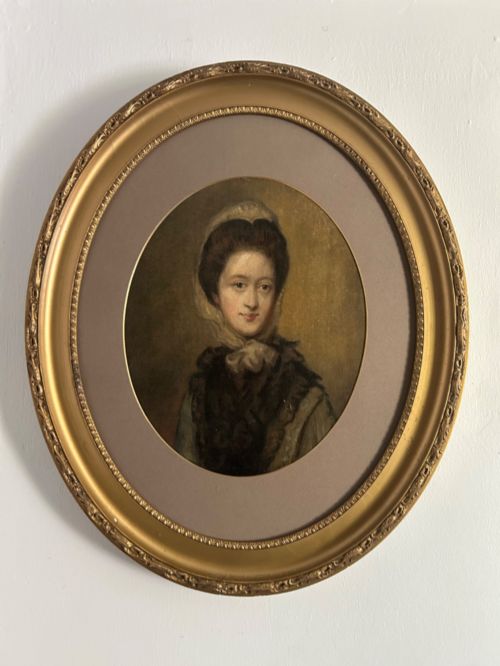
You are most likely to meet portraits of gentlemen and ladies, as well as floral and fruit compositions, executed during the eighteenth century and the Georgian period. Some examples arrive paired, while others stand as single framed pictures.
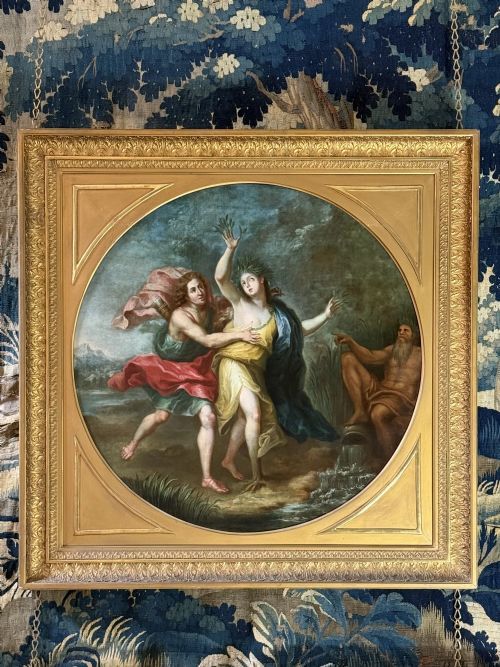
The assortment includes works attributed to specific hands and circles, alongside French camaieu bleu grisaille paintings and country house pieces. Frames of wood, gold leaf, and gilded gesso frequently accompany the canvases.
How they were made
Artists applied oil paint onto stretched canvas using various brush techniques, sometimes working in monochrome blue grisaille or rich polychrome palettes. These paintings rely on traditional canvas grounds fixed to wooden stretchers.
Many works sit within frames constructed from wood and embellished with gesso, gold leaf, or giltwood. Such frames were often carved or moulded to complement the aesthetic of the period.
Listings feature oil on canvas works alongside wooden frames finished in gold leaf, gesso, and giltwood from the eighteenth century, Georgian era, and nineteenth century.
What varies in quality
The distinction between standard decorative works and finer pieces rests in the execution of the brushwork and the anatomical or botanical precision of the subject. Portraits with detailed facial rendering and clear provenance stand apart from simpler studio productions.
The preservation of the original canvas and the integrity of the surrounding giltwood or gesso frame influence the character of the piece. Subtle gradations of tone in oil paint indicate higher artistic capability during the period.
Charles-Antoine Coypel·Jean-Baptiste Joseph Pater·Bartolomeo Schedoni·Dean Wolstenholme·James Latham·Nathaniel Hone·John Raphael Smith
The Eighteenth Century Oil Canvas Glossary
- Grisaille
- A painting executed entirely in shades of grey or monochromatic neutral colours, often used to emulate sculpture or create a distinct tonal effect. French camaieu bleu utilises blue monochrome pigment.
- Gesso
- A plaster-like mixture applied to wooden frames as a smooth base before gilding with gold leaf. This technique creates a durable surface for intricate decorative moulding.
- Giltwood
- Wood that has been coated with gold leaf or gold paint for decorative purposes. It provides a reflective, ornate border for traditional oil paintings.
- Canvas
- A heavy woven fabric used as a support surface for oil paintings. It is typically stretched tightly over a wooden frame before the artist begins painting.
Eighteenth Century Oil Canvas: Frequently Asked Questions
How do I care for an old oil canvas?
Keep the painting away from direct sunlight and fluctuating humidity to protect both the canvas and the wooden frame. Avoid using chemical cleaners on the surface.
Dust the frame gently with a dry, soft cloth. Professional conservation is recommended for any deeper cleaning of the oil paint.
What subjects are common in these paintings?
Portraits of gentlemen and ladies form a significant portion of the works, often recording individuals from the Georgian era. Still life compositions featuring fruit and flowers also appear frequently.
Classical scenes and sporting subjects involving sportsmen and spaniels add further variety to the selection.
Are the frames original to the canvases?
Frames vary widely, with some retaining their period gold leaf, gesso, or giltwood finishes that match the age of the canvas. Others may have been reframed in later periods.
Examining the construction of the wood and the wear on the gilding helps determine the relationship between the artwork and its frame.
How can I tell an eighteenth century piece apart?
Look closely at the style of dress in portraits, the materials of the stretcher frame, and the ageing of the oil paint. Georgian works often exhibit specific portrait conventions of the era.
Attributions or signatures, where present, offer further clues regarding the date and the circle of the artist.