


Eighteenth Century Chairs
Eighteenth century chairs bring genuine period character to a room, offering solid timber frames shaped by generations of use.
Eighteenth Century Chairs
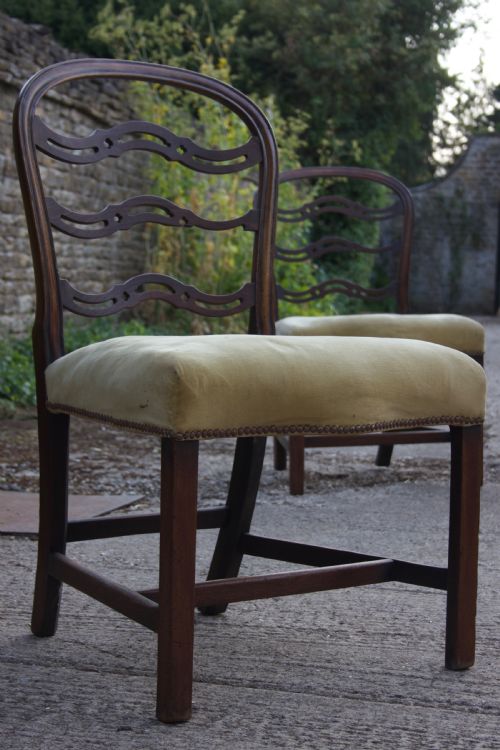
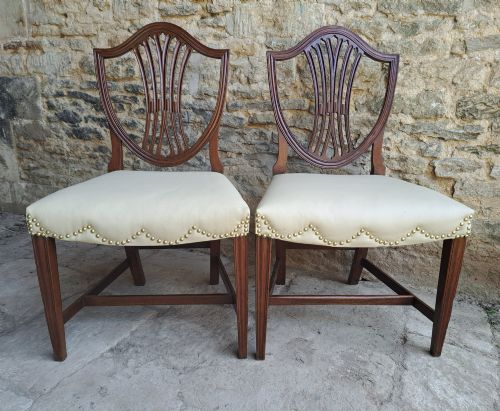
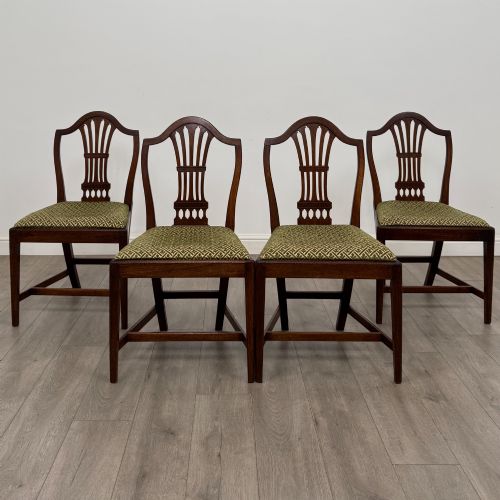
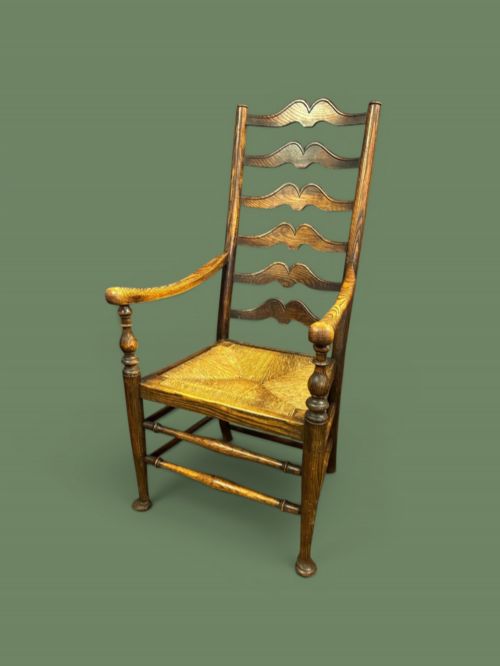
When you search for eighteenth century chairs, you are looking at seating shaped by the Georgian era and surrounding periods, ranging from formal dining sets to country armchairs. These pieces include armchairs, side chairs, dining chairs, and occasional settees made to serve both domestic and social life.
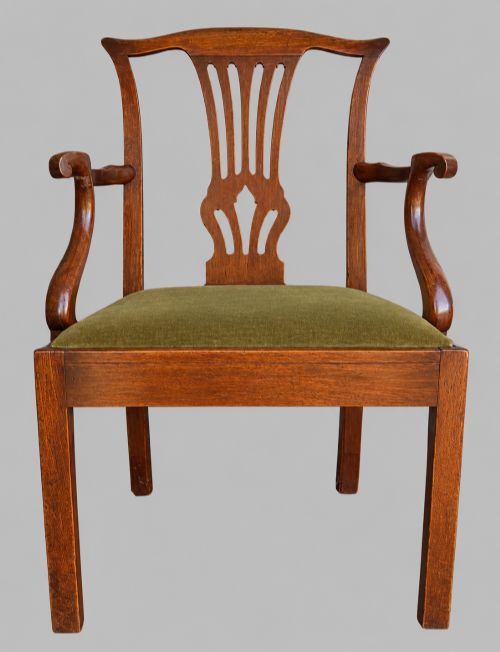
You are most likely to meet mahogany dining chairs and walnut armchairs from the Georgian period, alongside elm country chairs and later revival pieces. The selection spans formal carved seating in mahogany and walnut as well as simpler country designs in elm and fruitwood.
Origins vary across English workshops, regional country makers in places like the Thames Valley, and continental European centres such as Italy and the Netherlands. Each piece reflects the prevailing style of its workshop, whether that is Dutch Baroque, George III Neoclassical, or English Country.
How they were made
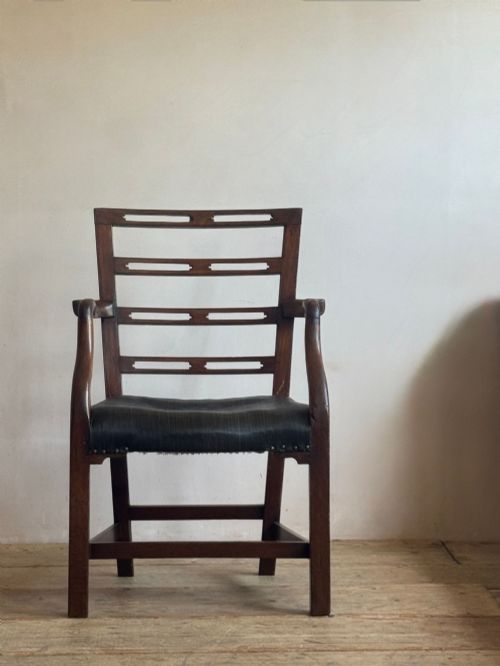
Makers relied primarily on timbers such as mahogany, walnut, elm, fruitwood, and yew, selecting each for its grain and structural strength. Timber was shaped using hand tools to form curved cabriole legs, ladder backs, and supportive armrests.
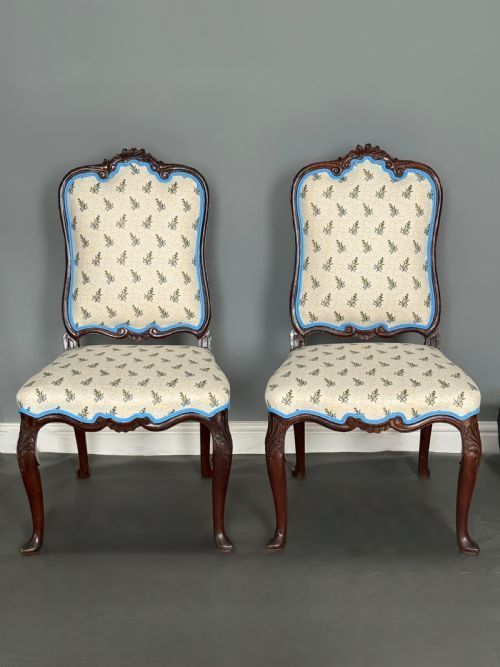
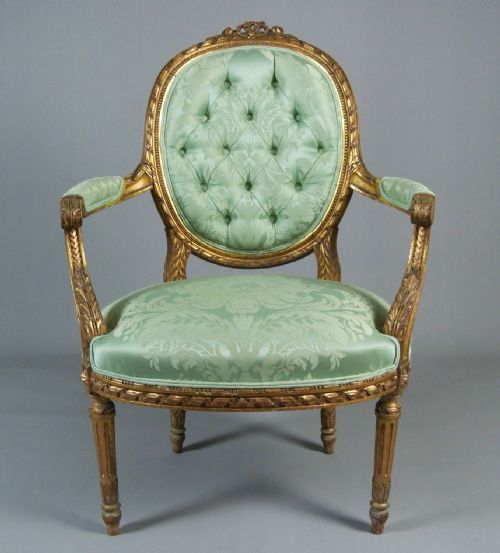
Upholstery and decoration involved textiles including velvet, leather, and fabric, often secured with brass tacks or applied as stuffed backs. Carving and gilding added surface detail to formal pieces, while country chairs utilised rushed or wooden seats.
Listings feature eighteenth century styles through to nineteenth century revivals, utilising mahogany, walnut, elm, and fruitwood.
What varies in quality
The standard of a chair depends on the depth and crispness of its hand carving and the integrity of its timber frame. Superior examples show thoughtful proportion in the cabriole legs or back splats and retain their original structural timber without excessive replacement.
Surface finish and patination separate standard examples from finer ones. Pieces that have aged naturally with polish retained on the mahogany or walnut surface demonstrate better preservation and handling by past owners.
Thomas Chippendale
The Eighteenth Century Chairs Glossary
- Cabriole leg
- A furniture leg that curves out and then in, resembling the leg of an animal. This form was common on Georgian walnut and mahogany chairs.
- Splat
- The vertical strip of wood down the middle of a chair back. It often takes a pierced or vase shape in Chippendale designs.
- Giltwood
- Wood that has been coated with a thin layer of gold leaf. It appears on formal armchairs from the eighteenth century.
- Windsor chair
- A chair built with a solid wooden seat into which the legs and back spindles are direct-inserted. These country pieces often use elm or yew.
- Side chair
- A chair without arms, designed originally for dining tables or room perimeters. They form the majority of multi-piece seating sets.
Eighteenth Century Chairs: Frequently Asked Questions
How do I spot a genuine period chair?
Examine the timber construction under the seat and check the joinery for traditional hand-cut methods. Look for signs of age in the wood grain and wear patterns that match daily use over centuries.
Compare the style details, such as carved splats or leg shapes, against established regional designs from the Georgian era or earlier continental workshops.
Are these chairs suitable for daily dining?
Many eighteenth century dining chairs remain sturdy enough for regular use if their frames are stable and joints are secure. Solid mahogany and walnut sets provide reliable seating for modern dining spaces.
It is sensible to check the weight capacity and seat height to ensure comfort for contemporary sitters before daily placement around a table.
How should I care for antique timber?
Keep wooden chairs away from direct heat sources and sudden temperature shifts to prevent timber splitting or veneer lifting. Apply natural wax polish occasionally to nourish the surface.
Avoid using modern chemical sprays that can strip the historic polish and diminish the natural patination built up over generations.