
Antique Timber Chairs
These antique timber chairs span centuries of domestic seating, offering solid construction and period character for daily use around the home.
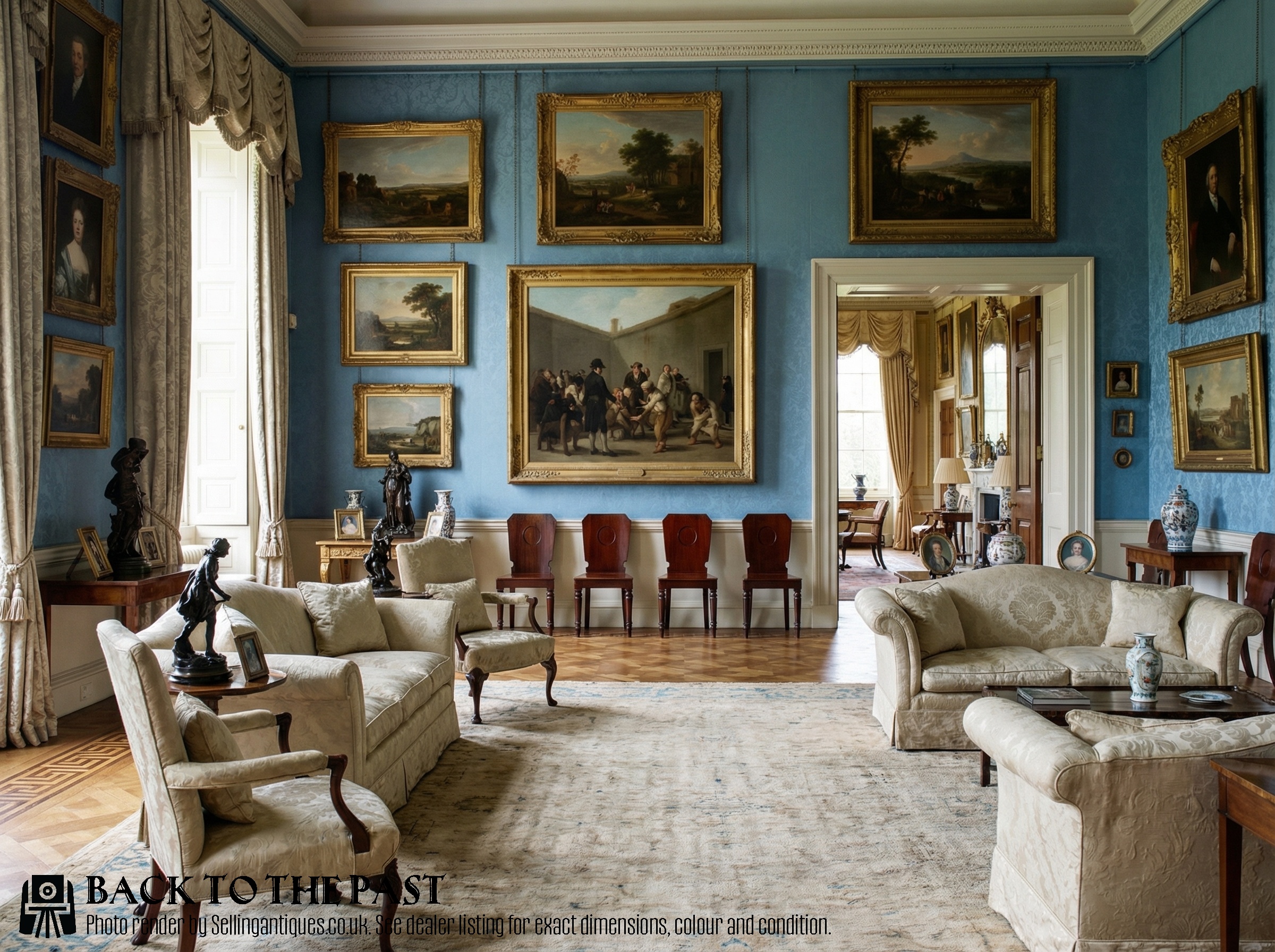
Antique Timber Chairs
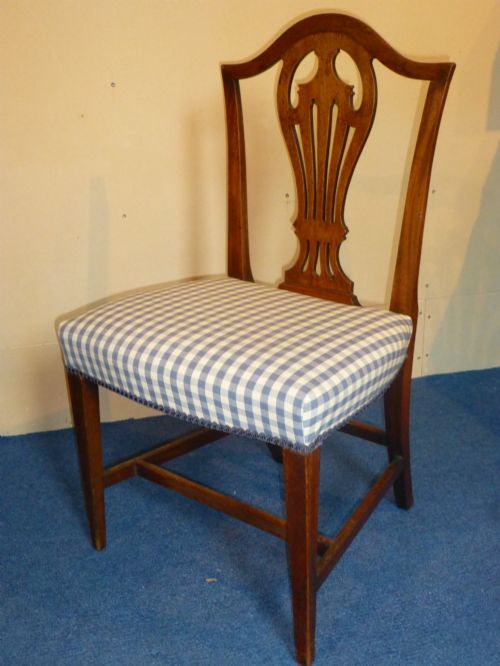
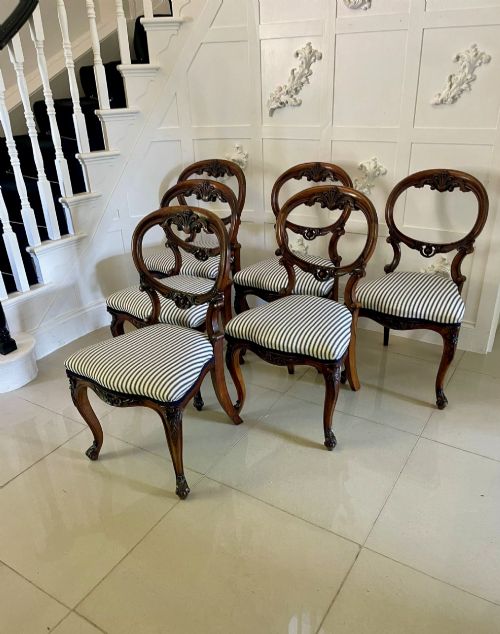
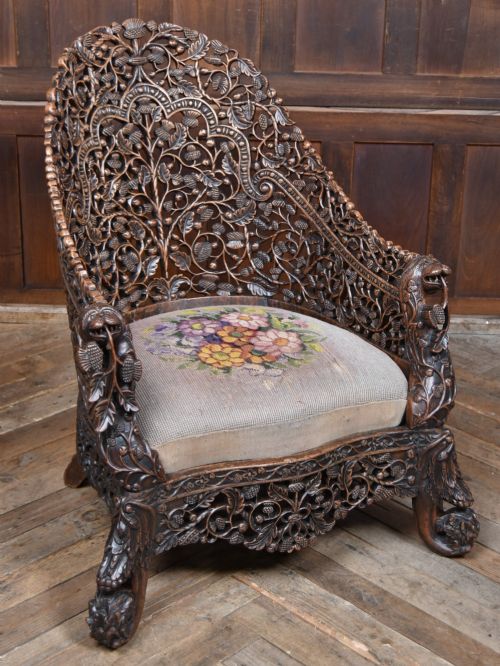
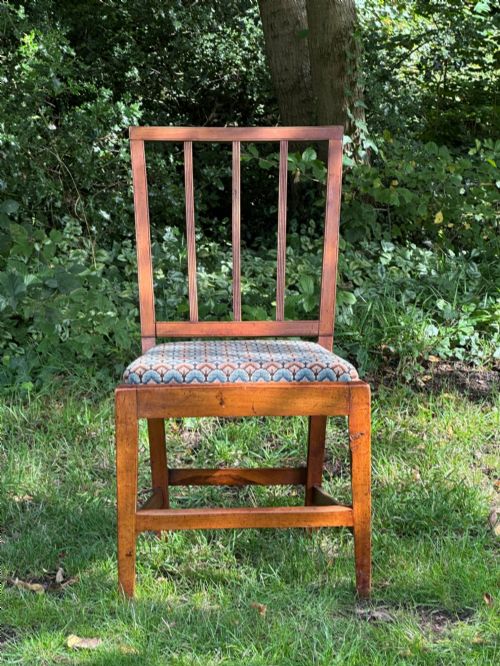
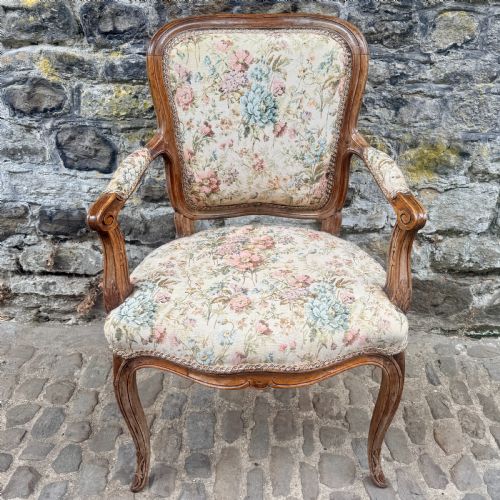
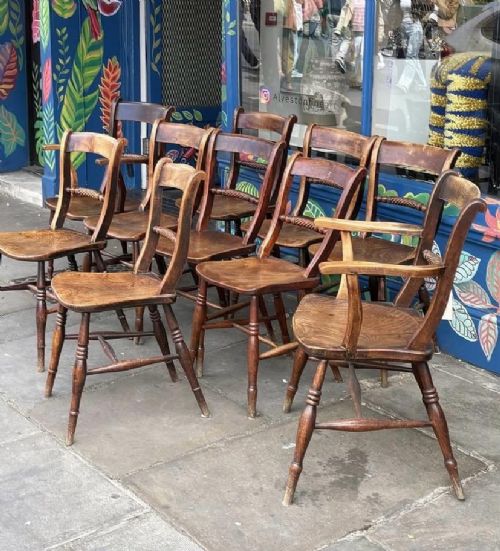
Antique timber chairs encompass a diverse array of seating forms, ranging from formal dining sets and hall chairs to Windsor kitchen chairs and library step combinations. You will encounter nineteenth-century Victorian and Georgian examples most frequently, alongside earlier eighteenth-century designs.
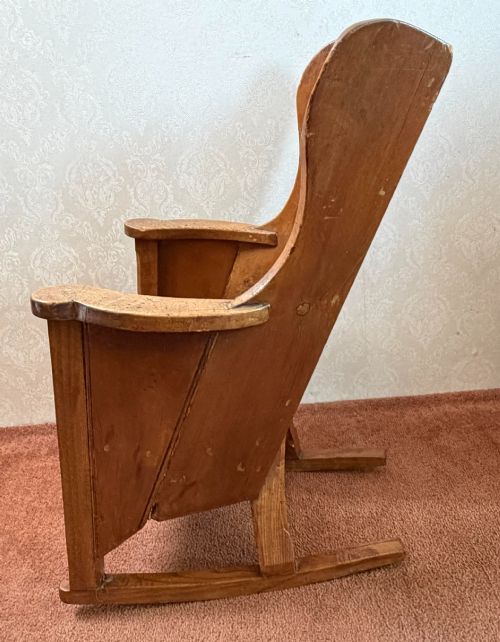
The selection includes specific regional types such as Scottish birch fan-backs and West Country elm and ash hoop-backs. Armchairs, side chairs, rocking chairs, and benches round out the domestic forms available.
Makers utilised native and exotic timbers to construct seating tailored for specific rooms, from the hallway to the bedroom and the dining parlour.
Materials and Construction
Cabinet makers and vernacular joiners relied primarily on hardwoods such as mahogany, oak, walnut, ash, and elm, often pairing them with rush or fabric for seats. Construction techniques combined traditional mortise and tenon joints with turned spindles and steam-bent components.
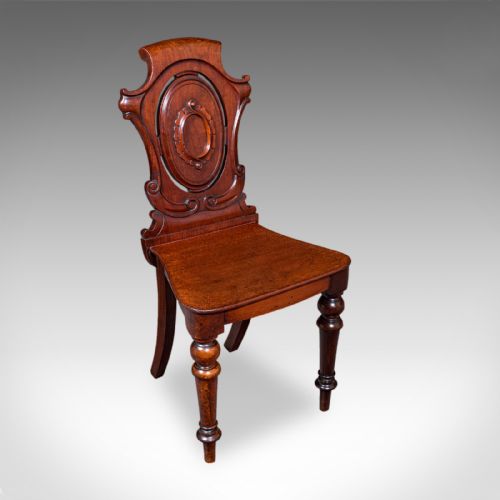
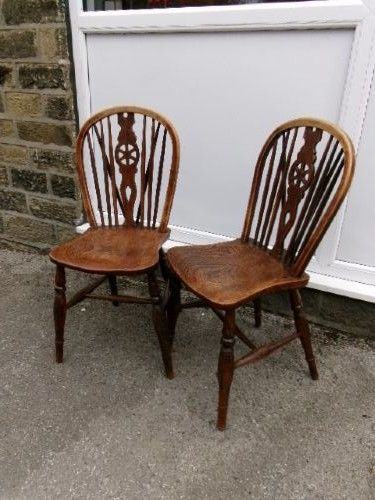
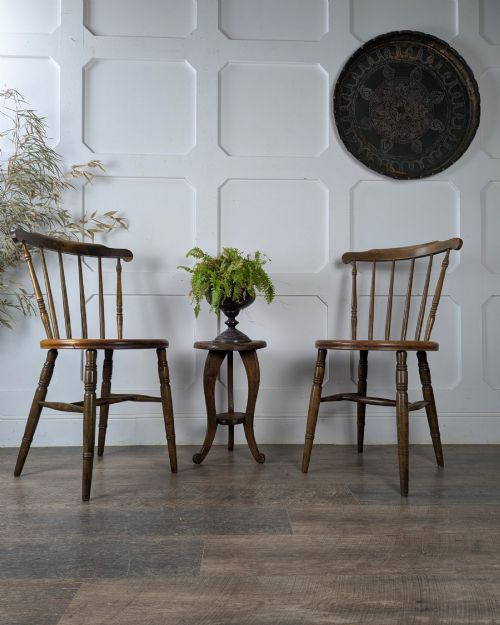
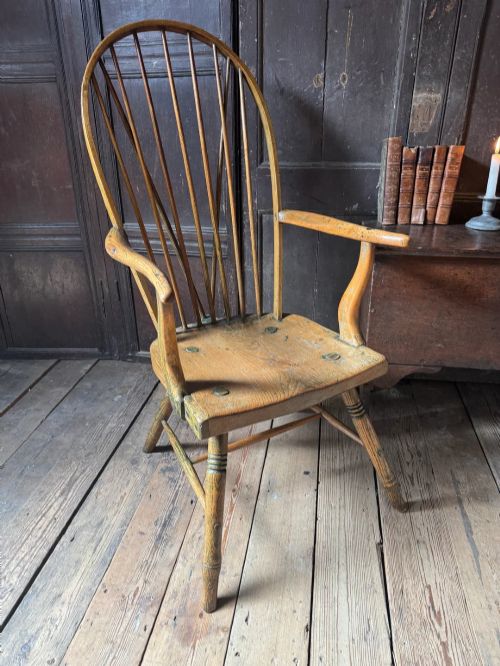
Regional Windsor chairs demonstrate local building methods using thick elm seats plugged with ash or beech spindles and bentwood hoops. Carved detailing on mahogany and walnut parlor chairs reflects the prevailing stylistic influences of the Georgian, Regency, and Victorian periods.
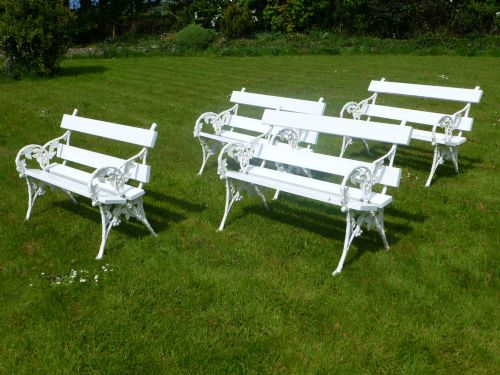
A cast iron garden bench styled with blackberry and leaf motifs brings thorny botanical charm directly to the lawn.
Evaluating Quality
Quality rests upon the integrity of the timber selection and the crispness of any carved ornament executed by the maker. Heavier timber gauges and tighter joinery distinguish superior examples from simpler utilitarian seating.
The retention of original surfaces, patination, and structural stability separate better-preserved seating from pieces suffering from extensive timber replacement or over-restoration.
The Antique Timber Chairs Glossary
- Windsor chair
- A wooden chair featuring a thick solid timber seat into which the legs and back spindles are wedged directly. These vernacular seats often incorporate steam-bent back bows and central splats.
- Hall chair
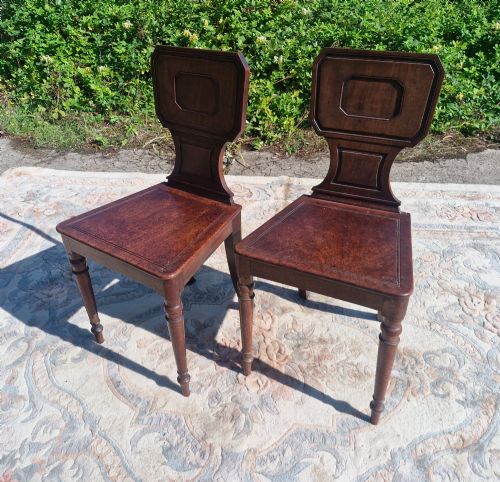
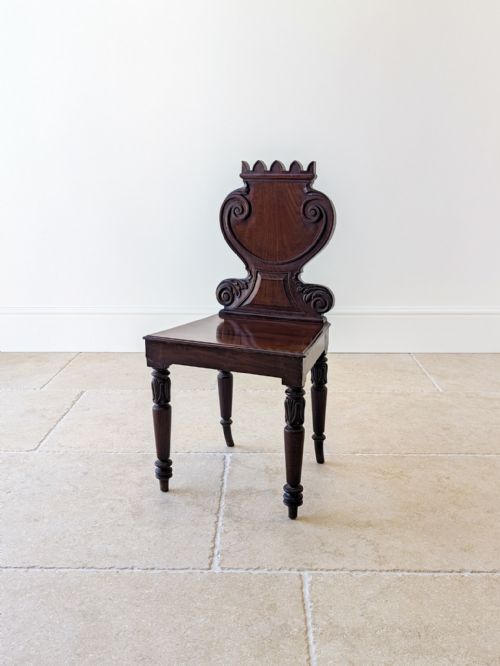
- A rigid wooden seat placed in an entrance hall, typically featuring a solid timber panel back often carved or painted with a family crest. They were designed for brief seating rather than prolonged lounging.
- Comb back
- A Windsor chair variation where the back spindles extend upward into a horizontal headpiece resembling the teeth of a comb. This regional design provides sturdy back support.
- Settle
- A wooden bench featuring high solid backs, enclosed arms, and a box base used for storage. They served to block cold drafts in older domestic interiors.
Antique Timber Chairs: Frequently Asked Questions
How do I identify a Georgian chair?
Georgian chairs display proportions and decorative motifs tied to eighteenth-century design movements, often utilising mahogany, fruitwood, or ash.
Look for structural cues like Marlborough legs or carved splats that distinguish these pieces from later nineteenth-century revival work.
Where were Windsor chairs made?
Windsor chairs originated in vernacular workshops across various English regions, including the Thames Valley and the West Country.
Local timber availability dictated the choice of woods, typically combining elm seats with ash or beech framing.
Can I use antique chairs daily?
Solid timber construction makes most antique chairs robust enough for everyday seating when joints remain stable.
Regular checks on leg stability and timber condition ensure these pieces withstand modern household use without sustaining damage.
What is a hall chair used for?
Hall chairs served visitors waiting in entrance halls or passage spaces in large homes during the eighteenth and nineteenth centuries.
Their upright wooden seats and rigid backs encouraged brief occupancy rather than extended relaxation.